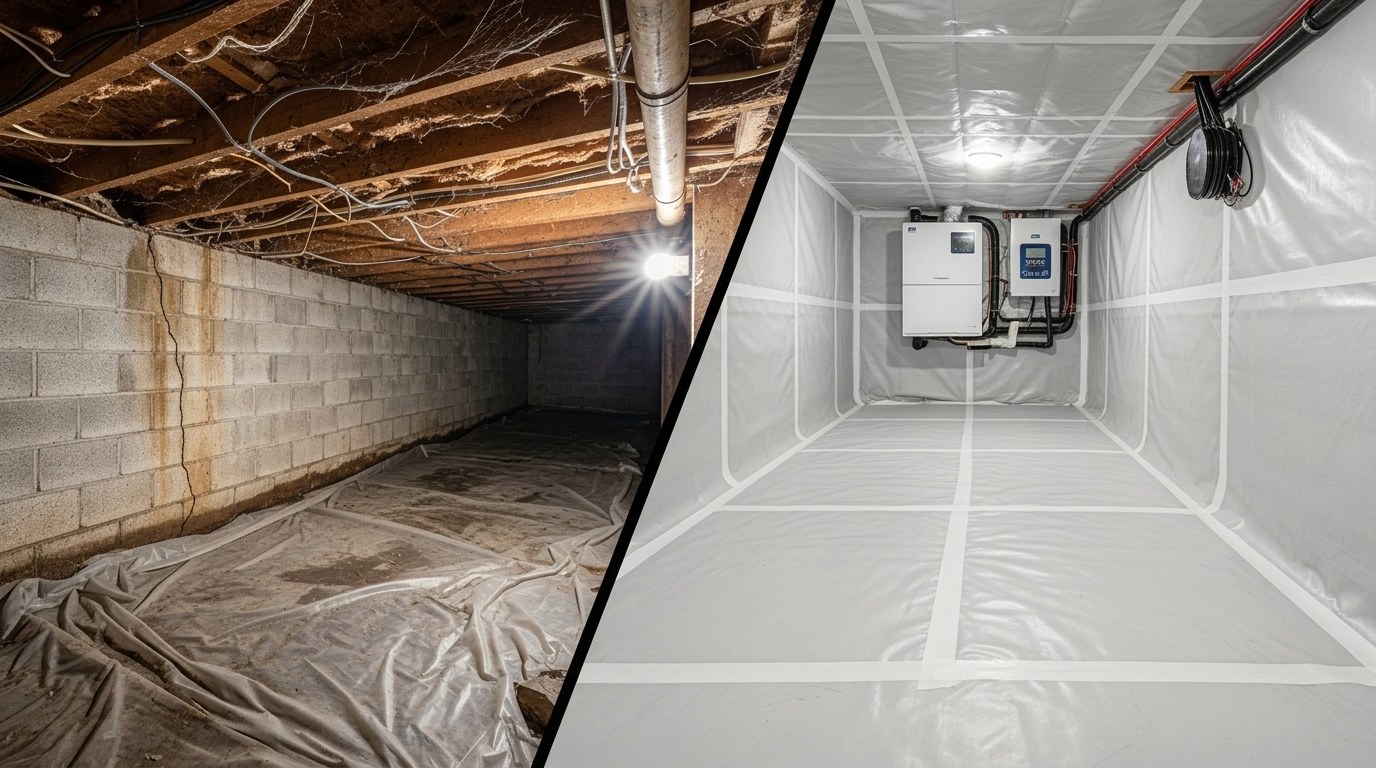
A crawl space vapor barrier and full encapsulation can have very different prices because they cover different parts of the space.
A basic ground vapor retarder mainly limits moisture coming through the soil, while a broader encapsulation project can include wall coverage, sealed vents, insulation, drainage work, and humidity control.
This guide breaks down what each option costs, what drives the price difference, and how to compare quotes before hiring a contractor.
How Much Does Each Option Cost?
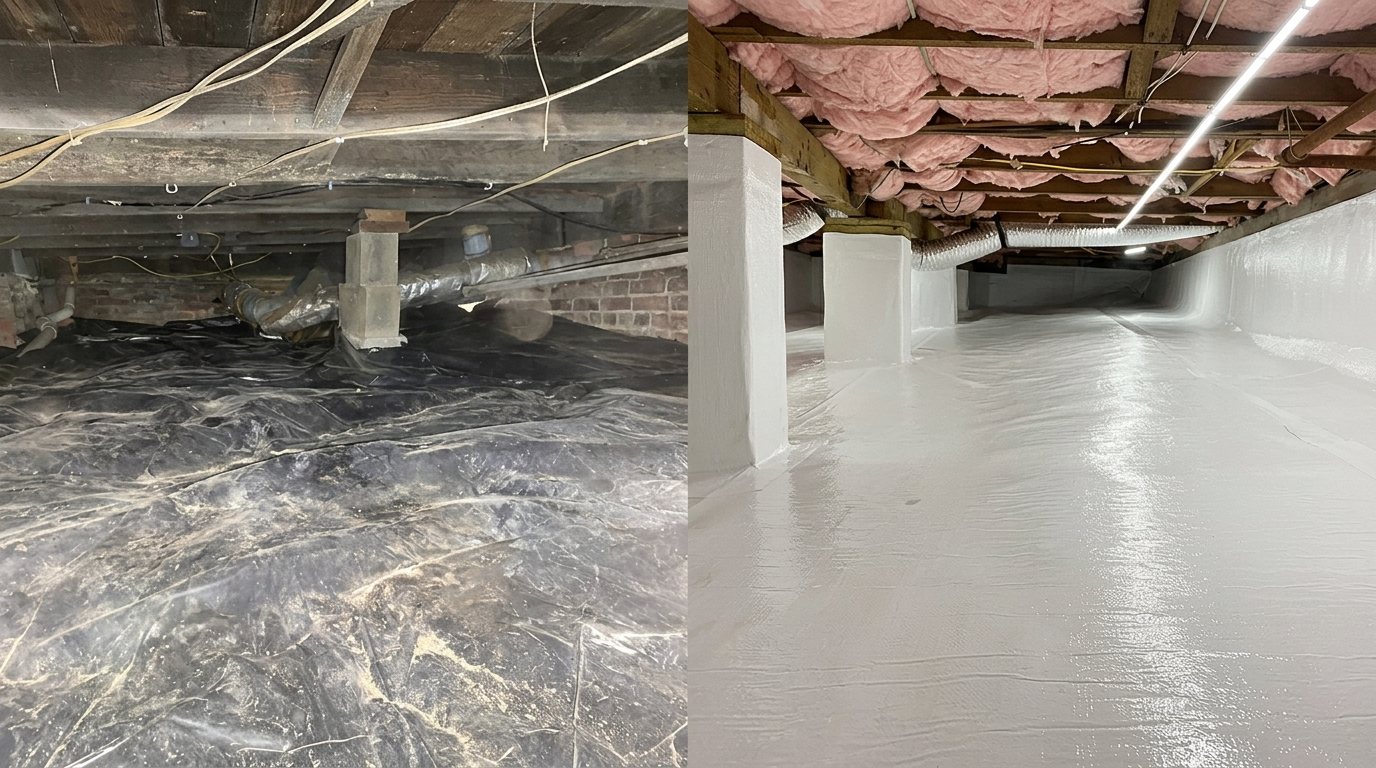
A basic vapor barrier installation usually costs less than full encapsulation because the scope is smaller.
Current national pricing sources placecomplete encapsulation around $5,000 to $15,000, while basic crawl space work can start near $1,500 for smaller or simpler projects. (Home Advisor)
The final price depends on floor area, crawl space condition, access, material choice, local labor rates, drainage needs, and added equipment.
A quote for a clean, dry crawl space should not be compared directly with one that includes mold cleanup, water control, insulation, or a dehumidifier.
| Feature | Basic Vapor Barrier | Full Encapsulation |
| Ground covered | Yes | Yes |
| Foundation walls covered | Usually limited | Usually included |
| Sealed vents | Usually no | Often included |
| Insulation | Not normally included | May be included |
| Dehumidifier | Usually no | May be included |
| Drainage work | No | May be added |
| Typical project scope | Ground moisture control | Broader moisture and air control |
| Published cost range | Often starts near $1,500 | About $5,000 to $15,000 |
| Best fit | Limited ground moisture | Ongoing moisture or a closed crawl space design |
The table shows typical scope, not fixed requirements. Local code and the home's design can change what a project needs.
What Is the Difference Between the Two?
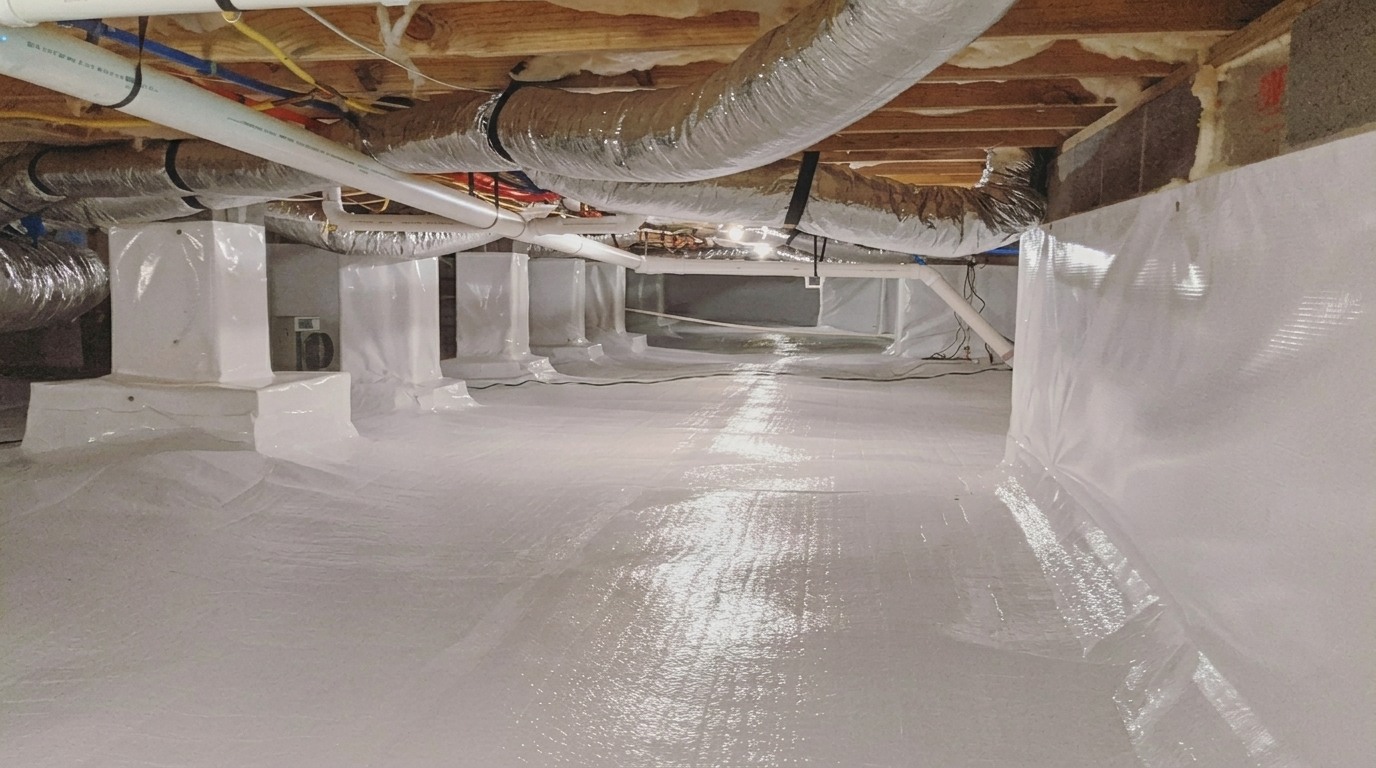
A vapor barrier or vapor retarder mainly limits water vapor from the soil.
The U.S. Department of Energy recommends covering crawl space floors with polyethylene and sealing seams, edges, and penetrations to limit ground moisture and soil gases. (Building Science Education)
Encapsulation is a broader project that can extend the moisture-control layer over foundation walls and address vents, air leakage, drainage, insulation, and humidity.
The exact package varies, so a contractor should list every included component instead of using "encapsulation" as a single line item.
What Does a Basic Vapor Barrier Cover?
A basic system places polyethylene over the exposed soil and seals the seams and edges.
The U.S. Department of Energy guidance calls for at least 6-mil polyethylene in the crawl space and recommends sealing seams, pipes, walls, and supports.
This approach can be suitable when the main issue is moisture coming through the ground. It will not by itself fix bulk water entry, plumbing leaks, foundation drainage problems, or high humidity caused by other sources.
What Does Full Encapsulation Include?
Full encapsulation can include a sealed ground liner, wall coverage, sealed vents, insulation, drainage improvements, and humidity control. Not every project needs every component, so the contractor should explain why each item is included.
For unvented crawl spaces, the 2024 International Residential Code calls for a continuous Class I vapor retarder over exposed earth.
It also provides several options for controlling crawl space air and humidity, including mechanical ventilation, conditioned air, or properly sized dehumidification. (ICC Codes)
Why Do Contractor Quotes Look So Different?
Two contractors may quote the same crawl space at very different prices because they are proposing different scopes. One may price only the ground liner, while another may include wall sealing, insulation, drainage, cleanup, and humidity equipment.
Ask every contractor to separate labor, materials, preparation, repairs, equipment, permits, and warranty coverage. This makes it much easier to compare two quotes that initially look unrelated.
What Goes Into the Installation Cost?
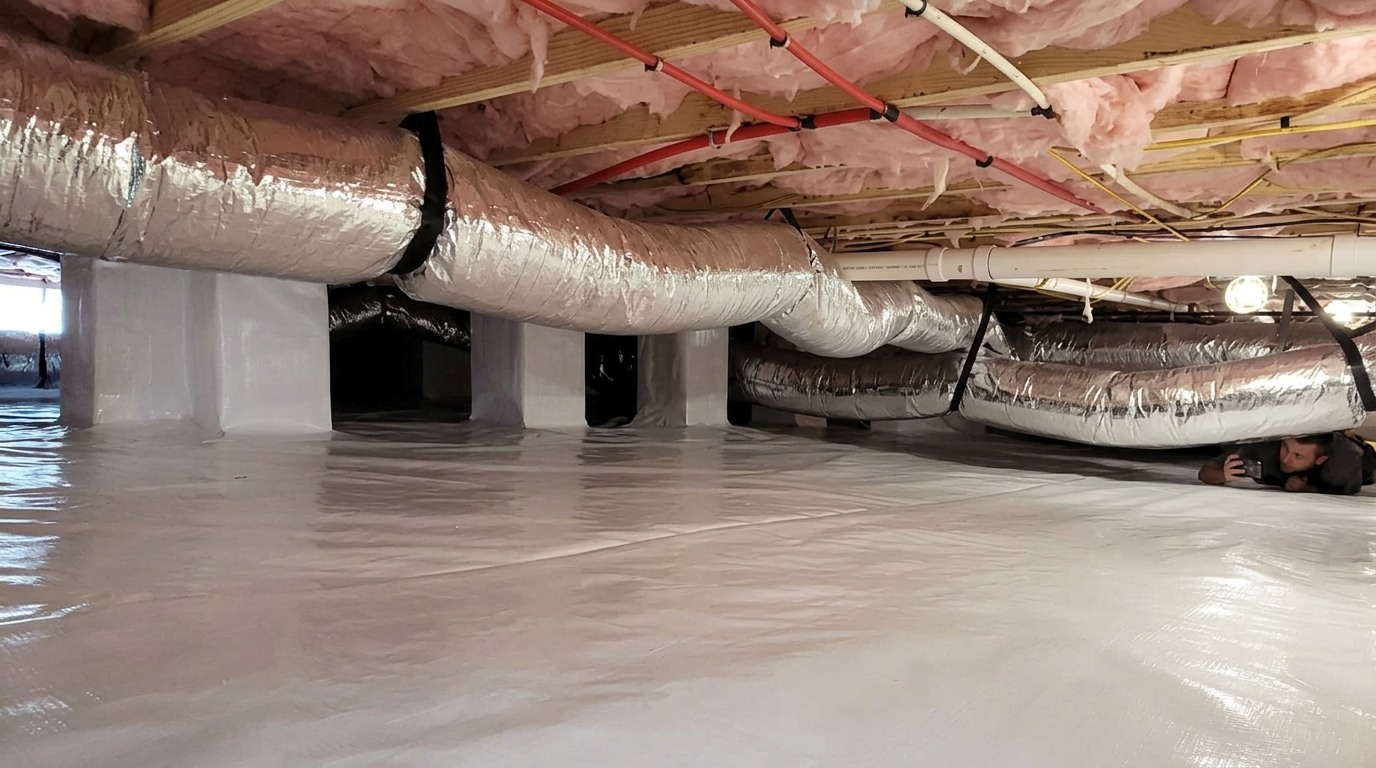
The largest cost differences usually come from labor, preparation, materials, crawl space access, and added moisture-control equipment.
A clean crawl space with good access costs less to work in than a low space filled with debris, damaged insulation, standing water, or mold.
The estimate should therefore describe the existing condition before listing the proposed work.
How Much Do Vapor Barrier Materials Cost?
Material prices depend on thickness, reinforcement, brand, and installation requirements.
Current cost guides list 20-mil vapor barrier material at roughly $0.50 to $0.70 per square foot, although material pricing varies by supplier and product. (Home Advisor)
Thickness is only one part of the decision. A heavier liner may resist punctures better, but installation quality, seam sealing, wall attachment, site debris, and future access also affect how well the system performs.
What Does Labor Add to the Price?
Labor can account for roughly 50% to 70% of a professional encapsulation project, according to current national cost guides.
Tight access, low crawl space height, difficult cleanup, and extensive sealing can increase labor time.
Local wages also affect the final price. Compare labor by the work included rather than assuming that the lowest hourly rate will produce the lowest project cost.
What Do Dehumidifiers and Insulation Cost?
A dehumidifier is not automatically required for every crawl space.
For an unvented crawl space, the 2024 IRC allows dehumidification as one method of meeting the moisture-control requirements, with the equipment sized according to the manufacturer's specifications.
Current cost guides list crawl space dehumidifiers around $800 to $1,200 in some project estimates. Insulation, vent covers, sump pumps, ductwork, and other equipment can add more to the total.
What Preparation Costs Should You Expect?
Preparation can include removing an old liner, clearing debris, treating mold, repairing damaged framing, correcting drainage, or fixing water entry.
Current national estimates show that repairs can range from hundreds of dollars to several thousand dollars, depending on the problem.
Do not install a new liner over an active water problem and assume the moisture issue is solved. Fix the source first, then install the moisture-control system suited to the crawl space.
How Does Crawl Space Size Change the Price?
Larger crawl spaces generally require more material and labor, but square footage is not the only cost factor. Current cost guides place basic encapsulation around $2 to $4 per square foot and more extensive projects around $3 to $10 per square foot.
Those figures should not be multiplied blindly to predict a final invoice. A small crawl space with major water damage can cost more than a larger space that only needs basic sealing and a ground liner.
| Crawl Space Size | Broad Published Encapsulation Range |
| 1,000 sq. ft. | $2,000 to $10,000 |
| 2,000 sq. ft. | $4,000 to $20,000 |
| 3,000 sq. ft. | $6,000 to $30,000 |
These are broad market estimates from current cost guides, not fixed bids. Repairs, drainage, equipment, access, and local labor can move the final price outside these ranges.
What Factors Can Raise or Lower the Price?
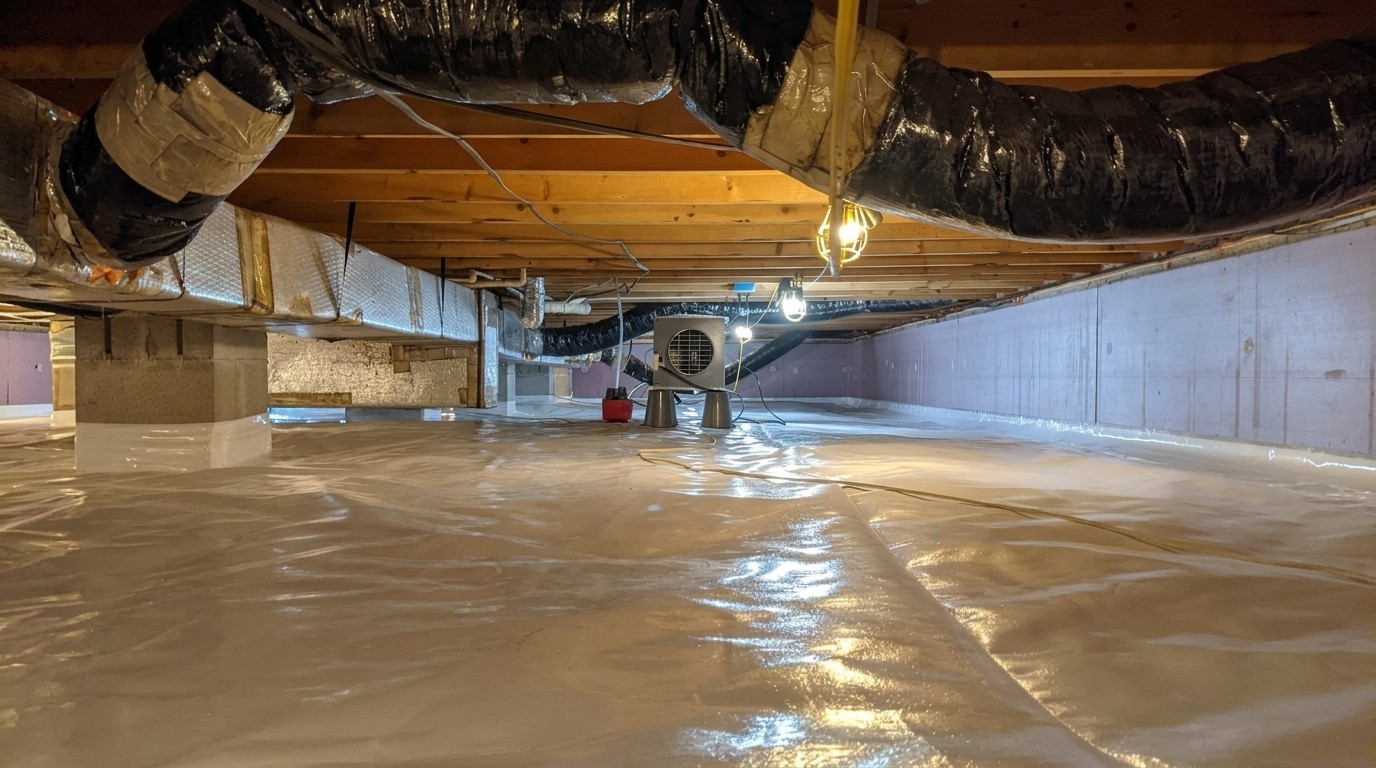
The crawl space condition often matters as much as its size. Mold, pests, standing water, structural damage, poor drainage, and difficult access can add substantial work before the moisture-control system can be installed.
Climate and local construction practices also affect the recommended system. A contractor should base equipment and moisture-control decisions on the actual crawl space, local requirements, and measured conditions rather than using the same package for every home.
How Does Existing Damage Affect Cost?
Mold, water damage, pests, and structural repairs can increase the project total.
Current 2026 cost data from Angi lists examples such as mold work around $1,000 to $3,500 and water damage repairs around $1,000 to $10,000, although local prices vary widely.
The important point is that encapsulation does not replace repairs. If water is entering through a foundation, plumbing system, grading problem, or drainage system, that source needs attention before the crawl space is sealed.
How Does Climate Affect the System?
Humid areas can require more attention to humidity and ventilation.
However, the right equipment should be selected based on crawl space size, moisture load, climate, and the design of the system. The 2024 IRC provides different requirements and options for vented and unvented crawl spaces.
Local jurisdictions can also amend model codes, so a national article cannot give one rule that applies to every home.
Does Barrier Thickness Change the Price?
Thicker and reinforced liners generally cost more than basic polyethylene.
A heavier liner can also provide greater resistance to punctures during installation and future crawl space work.
Do not choose thickness from price alone. Ask what material is proposed, where it will be installed, how seams will be sealed, and how the liner will be attached to walls and supports.
Does a Warranty Affect the Quote?
A warranty can affect the value of a professional installation, but the coverage varies by contractor and product.
Some warranties cover materials, while others cover workmanship or specific equipment for different periods.
Ask for the warranty in writing and check what can void it. Also ask if maintenance, annual inspections, filter changes, or equipment service are required to keep coverage active.
Which Building Rules Can Affect the Cost?
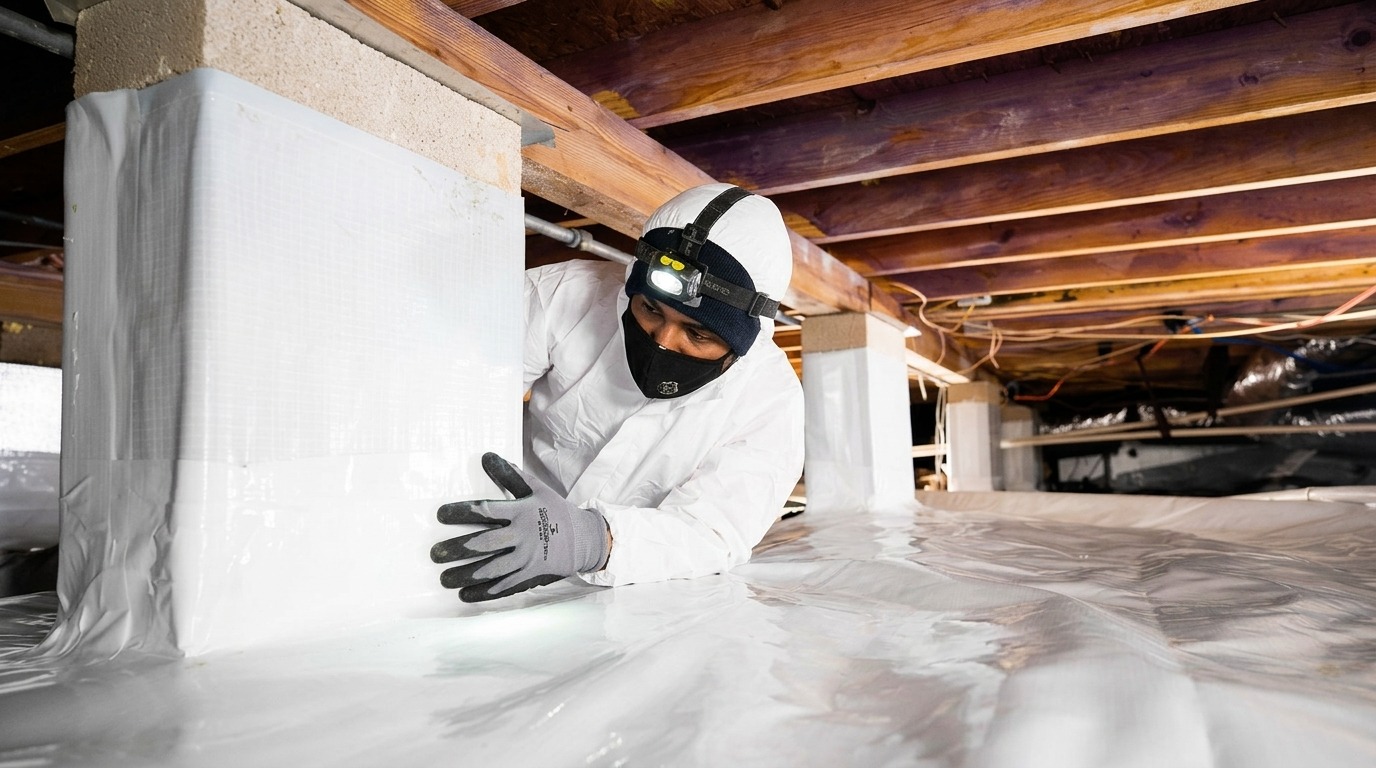
Local building rules can change the work required, especially when a crawl space is converted from vented to unvented.
The 2024 IRC requires specific ground vapor-retarder and moisture-control measures for unvented crawl spaces, but local adoption and amendments must be checked before work begins. (ICC Codes)
Permit requirements also vary by location and by the work being performed. A project involving electrical work, structural repairs, drainage, or changes to the crawl space configuration may have requirements that a simple ground liner replacement does not.
What About Termite Inspection Clearance?
Termite inspection requirements vary by jurisdiction and construction type.
Some local rules require an exposed inspection area near the top of the foundation or around certain components.
Do not use a fixed clearance number from another state as your project standard. Ask the local building department or pest-control authority what inspection clearance applies to your home.
Does a Closed Crawl Space Need a Dehumidifier?
The 2024 IRC lists dehumidification as one possible method for an unvented crawl space, along with other approved approaches for ventilation or conditioned air.
If a contractor recommends a dehumidifier, ask for the reason, the proposed capacity, the drainage method, the electrical requirements, and the maintenance schedule. This helps you understand what you are paying for.
Should You Test for Radon?
A ground vapor retarder can help reduce soil gas movement, but it should not be treated as a complete radon solution.
The U.S. Department of Energy notes that a properly installed crawl space vapor retarder can help limit soil gases, including radon.
The EPA recommends testing the home for radon after occupancy rather than relying on a soil test to predict indoor levels. If your home has elevated radon, follow EPA and local guidance for mitigation.
Is DIY Installation Worth the Savings?
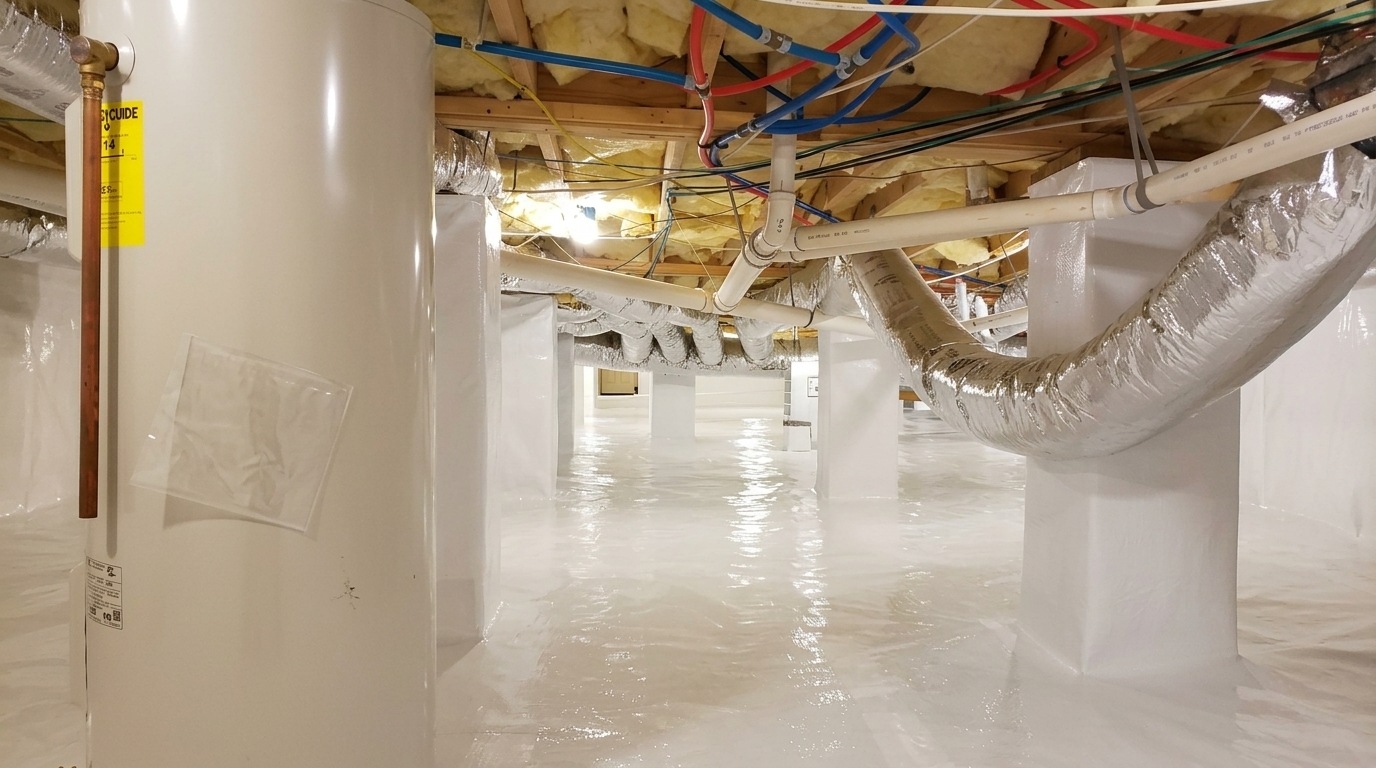
DIY work can reduce labor costs when the crawl space is accessible, clean, and free of major moisture or structural problems. It becomes harder when the space is very low, damaged, contaminated, or requires wall sealing, drainage, electrical work, or mechanical equipment.
The material cost alone does not represent the full DIY budget. You may also need seam tape, sealants, fasteners, tools, protective equipment, cleanup supplies, and equipment for moisture monitoring.
What Can You Save by Doing It Yourself?
The biggest potential saving comes from avoiding professional labor.Current cost guides place labor at roughly half to two-thirds of many encapsulation projects, so the difference can be substantial.
However, compare the DIY material list with the contractor's complete scope.
A professional quote may include cleanup, wall attachment, vent work, disposal, warranty coverage, and moisture-control equipment that a basic material purchase does not include.
Where Can DIY Work Fail?
Common problems include loose seams, poor wall attachment, unsealed pipe penetrations, gaps around supports, and leaving moisture sources unresolved.
The Department of Energy recommends sealing seams, walls, supports, and penetrations to create a continuous ground moisture barrier.
A DIY installation also requires you to judge whether the crawl space is suitable for the work. If you find standing water, mold, damaged framing, unsafe electrical conditions, or major drainage problems, get qualified help before proceeding.
How Should You Compare Contractor Quotes?
The best quote is not simply the one with the lowest total. Compare each proposal by the exact work, materials, equipment, preparation, permits, and warranty it includes.
Ask every contractor to provide these items separately:
- Crawl space square footage
- Liner thickness and material
- Ground coverage
- Foundation wall coverage
- Column and support sealing
- Vent treatment
- Insulation
- Dehumidifier and drainage
- Water or drainage repairs
- Old liner removal
- Debris disposal
- Mold treatment
- Permit fees
- Warranty terms
- Required maintenance
A clear quote lets you compare the same scope across contractors.
If one company charges $6,000 for a ground liner and another charges $12,000 for encapsulation with drainage and humidity equipment, the difference may be reasonable because the two proposals are not offering the same work.
Which Option Makes More Sense for Your Crawl Space?
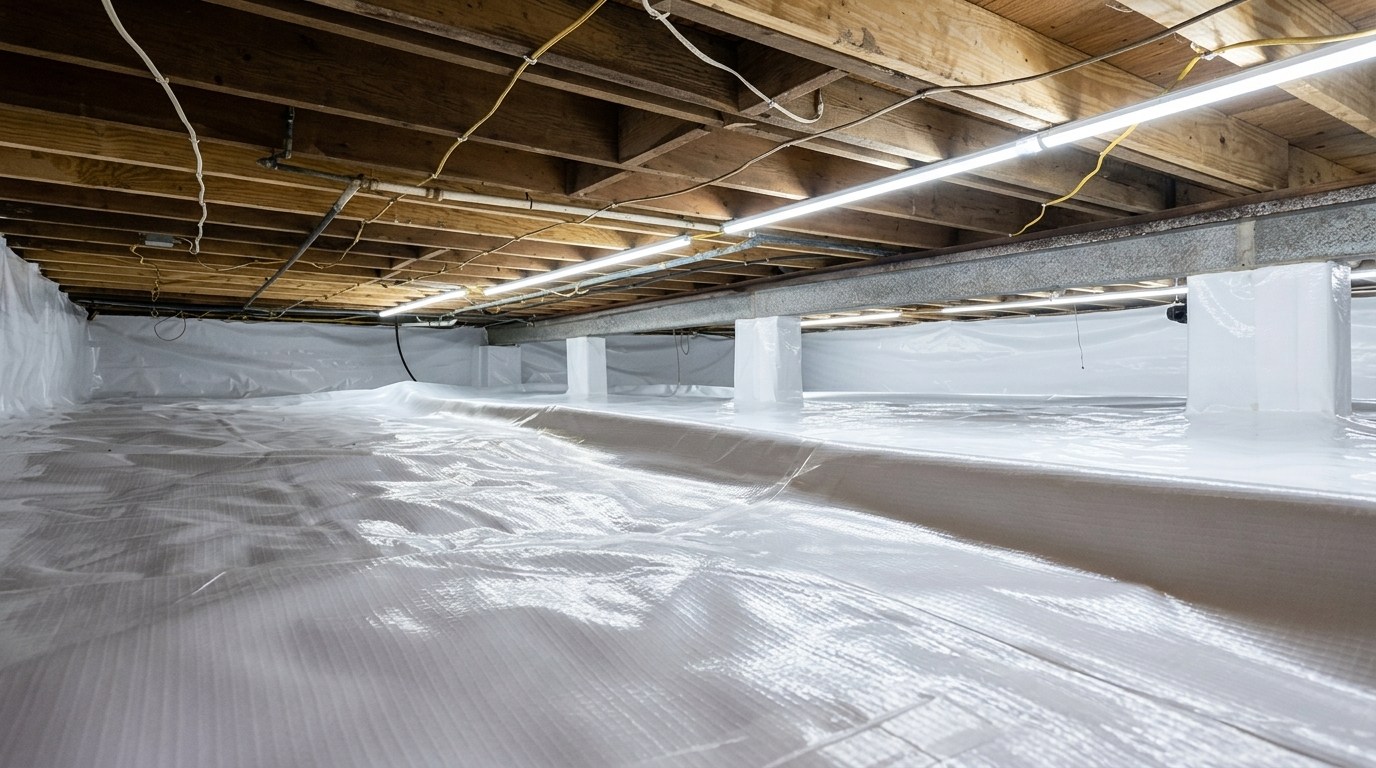
Choosing between a basic vapor barrier and full encapsulation comes down to what your crawl space actually needs.
A basic vapor barrier is usually sufficient when the only problem is moisture rising through the soil, the crawl space is vented and in good condition, and no wall coverage, drainage work, or humidity equipment is required.
Full encapsulation makes more sense when the crawl space is being converted to an unvented design, when humidity stays high despite a ground liner, when wall sealing or insulation is required by local code, or when a contractor identifies bulk water entry, drainage issues, or persistent mold that a ground liner alone cannot address.
Before choosing either option, identify the actual moisture source. A new liner installed over an unresolved drainage or plumbing problem will not solve the issue. Get at least two itemized quotes covering the same scope, then compare line by line rather than by total price alone.
Conclusion
The cost difference between a crawl space vapor barrier and full encapsulation comes from the scope of work.
A basic ground liner addresses soil moisture, while a broader encapsulation project can include wall sealing, vent treatment, insulation, drainage, and humidity control.
Start by identifying the moisture source, then request itemized quotes with the same scope. That makes it easier to compare prices and avoid paying for work your crawl space does not need.
Found this useful? Share it with your team, and drop a comment if you have a question about your next project.
Frequently Asked Questions
How Much Does a Crawl Space Vapor Barrier Cost?
A basic vapor barrier project can start around $1,500 for a small or simple space, but the final price depends on size, access, material, preparation, and local labor. A ground liner replacement is usually less expensive than a broader encapsulation project because it involves fewer components. (Project Cost Calculator)
How Much Does Crawl Space Encapsulation Cost?
Current national cost guides put professional encapsulation around $5,000 to $15,000, with an average near $5,500. Larger projects or jobs that include drainage, water repairs, mold treatment, insulation, or equipment can cost more. (Home Advisor)
Is Encapsulation Worth the Extra Cost?
It can be worth the added cost when the crawl space needs broader moisture and humidity control than a ground liner can provide. The right choice depends on the source of moisture, crawl space design, local requirements, and the components included in the quote.
Does Encapsulation Always Require a Dehumidifier?
No. Dehumidification is one method for controlling humidity in an unvented crawl space, but the applicable code and building design determine the acceptable approach. If one is proposed, ask the contractor to explain its capacity, drainage, power needs, and maintenance. (ICC Codes)
Can You Install a New Vapor Barrier Over an Old One?
Do not assume that adding a second liner is the right fix. The existing material should be inspected for damage, contamination, poor seams, and trapped moisture, while the soil and crawl space should also be checked for active water problems.