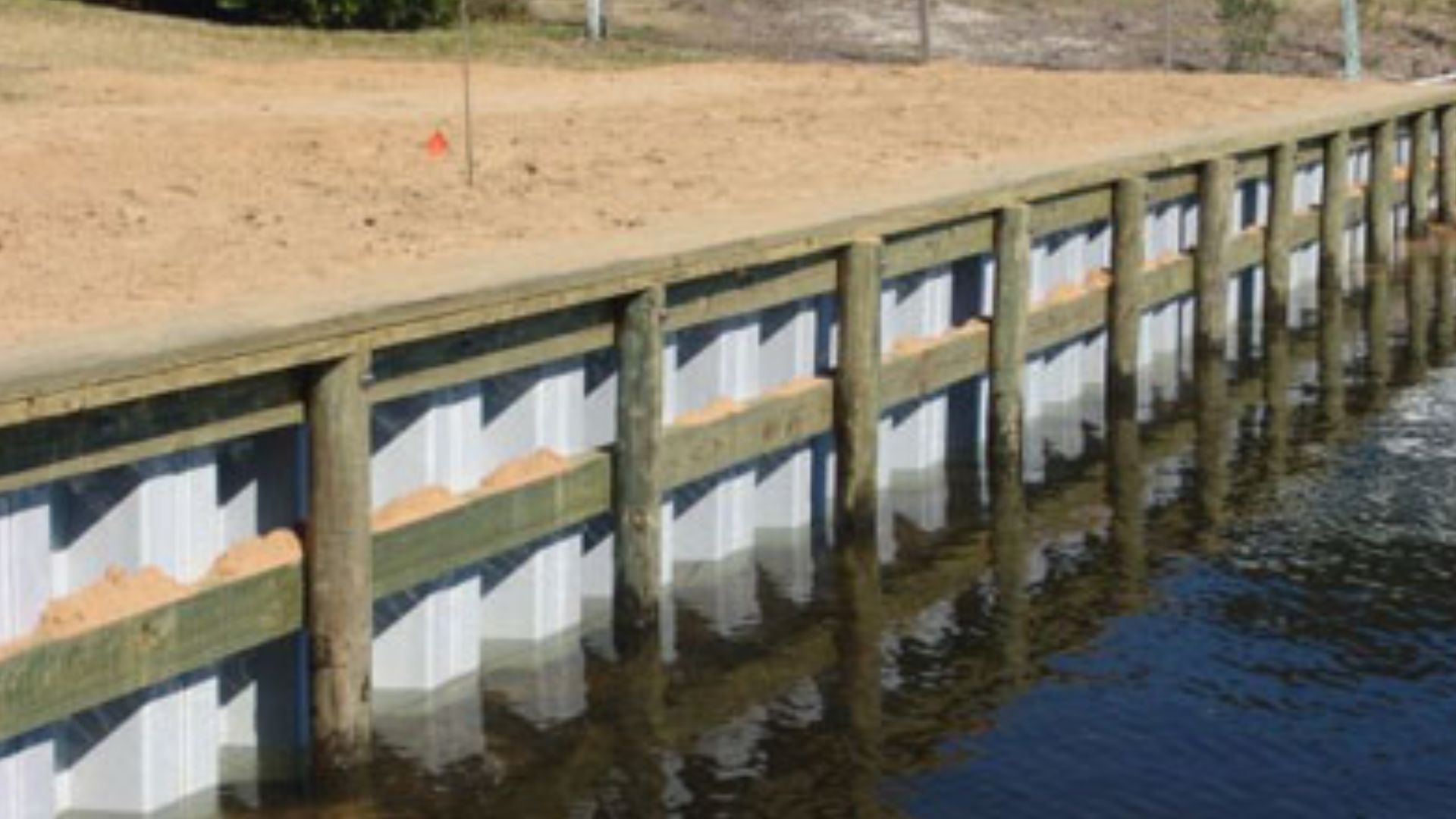
If you own property near water, you already know how fast a shoreline can wear away. Waves, tides, and storms slowly eat into the land, and without the right structure in place, that erosion can reach your home or dock.
This is where bulkhead wall construction comes in. A bulkhead wall holds back soil, stabilizes the shoreline, and helps limit erosion caused by water.
This guide walks you through what bulkhead walls are, the types available, how they're built, and what it costs to build one.
We'll also cover common problems, mistakes to avoid, and how to keep your wall in good shape for years to come.
Having worked alongside marine contractors on shoreline projects, we know how much a well-built wall can save you in repairs down the road.
What Is Bulkhead Wall Construction?

Bulkhead wall construction is the process of building a vertical structure along a shoreline to hold back soil and protect the land from water damage.
Unlike a simple fence or barrier, a bulkhead wall does two jobs at once. It keeps water from washing away the ground behind it, and it holds the soil in place so it doesn't slide or shift.
You'll find bulkhead walls in marinas, along rivers, near lakes, and on coastal properties.
They act as a boundary between land and water, giving property owners a stable edge to build docks, walkways, or yards on.
How Bulkhead Walls Work in Marine Construction
A bulkhead wall works by standing firm against two forces: the push of water on one side and the weight of soil on the other.
The wall is anchored deep into the ground, often with tiebacks or anchor rods that connect it to solid ground further inland.
This anchoring keeps the wall from tipping or shifting when water levels rise or fall.
Behind the wall, drainage systems let water pass through small gaps or weep holes. This stops pressure from building up and pushing the wall over time.
Where Are Bulkhead Walls Used?
Bulkhead walls show up in many places where land meets water. Marinas use them to create stable edges for boat slips.
Homeowners along rivers and lakes use them to stop yard erosion. Ports and harbors rely on them to protect cargo areas and walkways.
Cities also use bulkhead walls to protect public parks and waterfront paths from storm damage.
Types of Bulkhead Walls
Not every shoreline needs the same type of wall. The right choice depends on soil type, water conditions, budget, and how long you want the wall to last.
Sheet Pile Bulkhead Walls
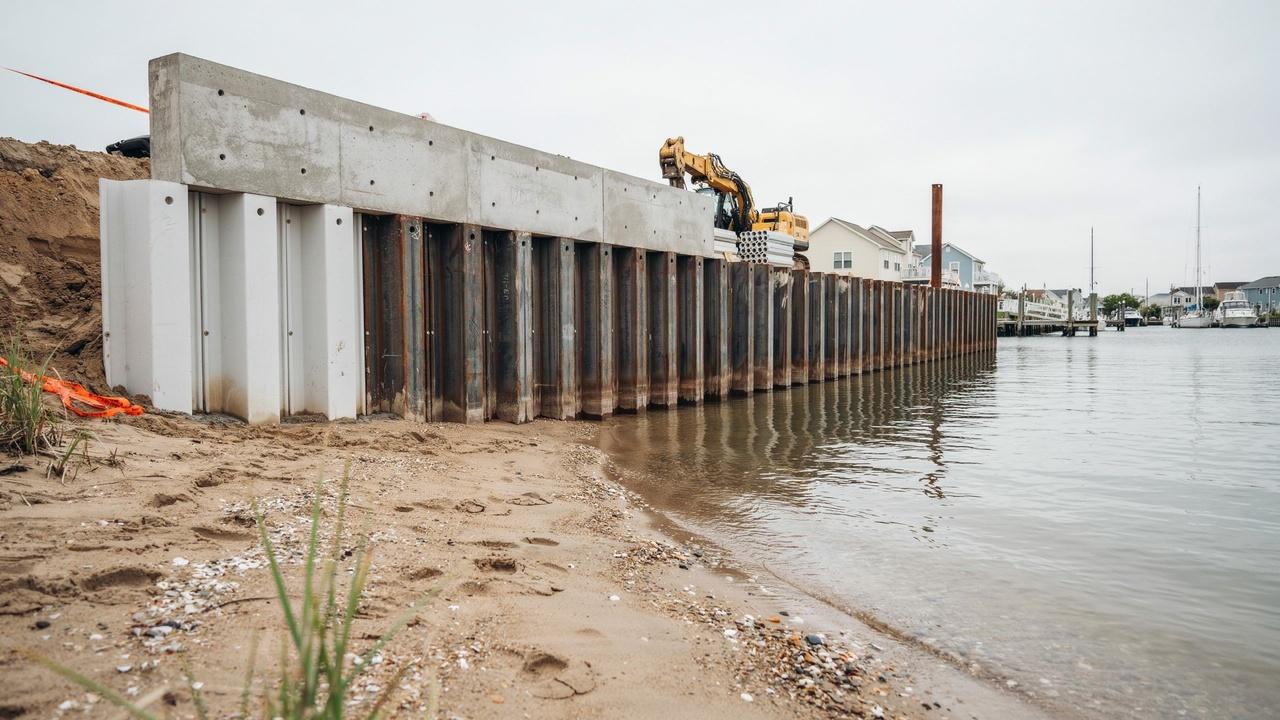
Sheet pile walls are made from interlocking panels driven straight into the ground. These panels can be steel, vinyl, or fiberglass. They work well in soft soil and are fast to install compared to other types.
Sheet pile walls are a common choice for marinas and residential waterfronts because they fit tight spaces and don't need much room to build.
Shorter walls often use a cantilever design, standing on their own embedded depth instead of extra anchoring.
Concrete Bulkhead Walls

Concrete bulkhead walls are built from poured or precast concrete panels. They're known for strength and a long lifespan, often lasting 50 years or more with proper care.
Concrete costs more upfront than other materials, but it holds up well against heavy wave action and doesn't rot or rust like wood or untreated steel.
Timber Bulkhead Walls

Timber walls use treated wood planks or logs set into the ground. They're a budget-friendly option and blend in naturally with wooded or rural shorelines.
The downside is that timber breaks down faster than concrete or steel, especially in saltwater. Regular checks for rot and insect damage are a must if you go this route.
Steel Bulkhead Walls

Steel bulkhead walls use sheet steel or steel piles driven into the ground. They're strong, handle heavy loads well, and work in a wide range of soil types.
Steel can rust over time, especially in saltwater, so many projects use coated or galvanized steel to slow corrosion.
How Is a Bulkhead Wall Constructed?

Building a bulkhead wall follows a set sequence of steps. Each stage builds on the last, and skipping one often leads to problems once the wall is in the water.
Site Assessment and Engineering
Before any digging starts, engineers study the soil, water depth, and tide patterns at the site.
This data shapes the wall's height, material, and anchoring plan, making sure the design fits the exact conditions of that shoreline.
Site Preparation and Access
Crews clear the work area of debris and set up access points for equipment.
On tight waterfront lots, this may mean bringing in a barge or building a temporary road so machinery can reach the shoreline safely.
Pile or Sheet-Pile Installation
Piles or sheet-pile panels are driven into the ground using vibratory or impact hammers.
Each section is checked for depth and alignment as it goes in, keeping the wall straight and evenly set along the shoreline.
Anchoring and Structural Support
Once the wall is standing, anchor rods or tiebacks connect it to solid ground further inland.
This anchoring system carries much of the load, keeping the wall from leaning or shifting under water and soil pressure.
Backfill and Drainage
Crews fill the space behind the wall with gravel or sand, then install weep holes or drainage pipes.
This lets water escape freely instead of building up pressure that could crack or push out the wall.
Toe Protection and Final Inspection
Rock or riprap is often placed at the base, or toe, of the wall to stop scouring from waves and currents.
A final inspection checks alignment, drainage, and anchor strength before the site is signed off as complete.
Bulkhead Wall Construction for Seawalls
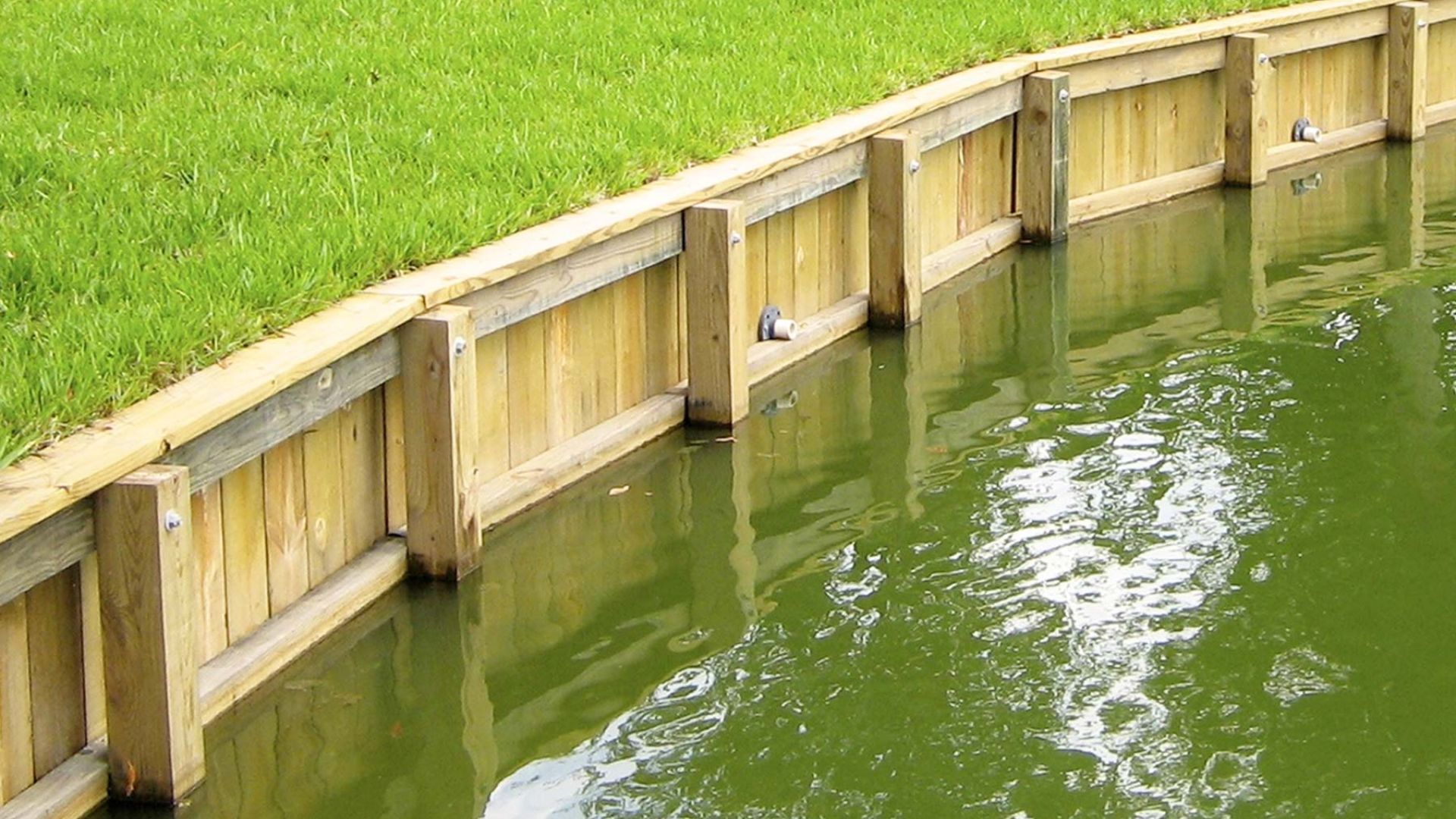
Bulkhead walls and seawalls often get mixed up, but they serve slightly different roles. Understanding how they connect helps you plan a shoreline project that actually holds up.
How Bulkhead Walls Protect Shorelines
A bulkhead wall protects the shoreline by acting as a solid barrier between land and water. It stops soil from washing into the water during storms or high tides.
Over time, this keeps the shoreline from shrinking and protects any structures built near the edge, like homes, docks, or roads.
Bulkhead Walls vs. Traditional Seawalls
| Factor | Bulkhead Wall | Traditional Seawall |
| Main purpose | Holds back soil and land | Blocks wave energy and reduces flooding |
| Wall thickness | Often lighter | Thicker and heavier |
| Built for | Soil retention | Direct wave impact |
| Support system | Paired with anchoring systems | Relies on mass and reinforcement |
| Best suited for | Calmer waters | Areas with stronger waves |
Design Factors for Wave and Tidal Forces
Wave and tidal forces guide most of the wall's design. The top edge sits above the highest expected tide to prevent overflow during storms. Strong wave areas need heavier materials and reinforced facing to resist repeated impact.
Tidal swings cause repeated wet and dry cycles in the soil behind the wall, which can weaken it over time.
Drainage systems need to handle both steady seepage and sudden pressure spikes. Fast currents near the base can also scour out soil, so many designs add rock or riprap at the toe for extra protection
Bulkhead Walls as Retaining Walls

Bulkhead walls don't just deal with water. They also work as retaining walls, holding back soil on sloped or uneven land near the shore.
How Bulkhead Walls Retain Soil and Backfill
As a retaining structure, a bulkhead wall holds back soil and any backfill material placed behind it.
The wall resists the sideways push of the soil, known as lateral earth pressure, keeping the ground level stable on the landward side.
Bulkhead Walls vs. Conventional Retaining Walls
Standard retaining walls are built for dry land and mainly deal with soil pressure.
Bulkhead walls handle soil pressure and water exposure at the same time, which means they need extra protection against corrosion, rot, and water infiltration that a typical retaining wall doesn't have to face.
When to Use a Bulkhead Wall for Retaining
A bulkhead wall makes sense when your property sits right at the water's edge and you need to hold back soil while also managing water contact.
If your land is set back from the water with no direct wave or tide exposure, a standard retaining wall may work fine and cost less.
Drainage and Soil Pressure Considerations
Good drainage is one of the most important parts of a bulkhead wall's design. Without it, water builds up behind the wall and adds extra pressure that can cause cracking, leaning, or full failure.
Weep holes, gravel backfill, and drainage pipes all help move water away and keep pressure at safe levels.
Many designs also add geotextile fabric behind the wall, which lets water pass while keeping soil from washing through the gaps.
Bulkhead Wall Construction Cost Factors
Costs for bulkhead wall construction vary widely based on several factors. Knowing what drives the price helps you plan a realistic budget.
Materials and Wall Design
Material choice has a big effect on cost. Timber tends to be the cheapest option, followed by vinyl sheet pile, then steel, with concrete usually costing the most.
Wall design complexity, like added anchoring or curved sections, can raise the price further.
Labor and Installation Requirements
Skilled labor and specialized equipment add to project costs.
Driving sheet piles or pouring concrete near water often requires experienced marine contractors, which can cost more than standard land-based construction crews.
Site Conditions and Water Access
Hard-to-reach sites or those needing barge access typically cost more to build on.
Soft or unstable soil may also require extra work, like deeper anchoring or soil stabilization, which adds to the total price.
Maintenance and Long-Term Costs
While upfront cost matters, it helps to think about long-term maintenance too. Materials like timber may cost less now but need more frequent repairs.
Concrete and steel cost more initially but often save money over time with fewer repairs needed.
Bulkhead Walls vs. Seawalls vs. Retaining Walls
These three structures often get confused, but each one serves a distinct purpose.
| Factor | Bulkhead Wall | Seawall | Retaining Wall |
| Main purpose | Holds back soil while managing some water exposure | Blocks wave energy and prevents flooding | Holds back soil on dry land |
| Water pressure handled | Yes, moderate | Yes, direct wave impact | No |
| Structure | Often lighter, relies on anchoring systems | Thicker and more heavily reinforced | Built for dry conditions, lighter materials |
| Water-resistant materials needed | Yes | Yes | Usually not |
| Drainage system needed | Yes | Yes | Usually not |
| Best suited for | Calmer water's edge | Areas facing strong waves | Dry, sloped land away from water |
| Relative cost | Moderate | Higher | Lower |
Common Bulkhead Wall Construction Problems
Even well-built bulkhead walls can run into problems over time, especially without regular upkeep.
Wall Settlement or Leaning
Poor soil compaction or weak anchoring can cause a wall to settle unevenly or lean over time. This often shows up as visible tilting or gaps forming between wall sections.
Soil Erosion and Scouring
Strong currents or wave action can wash away soil at the base of the wall, a problem known as scouring. This weakens the wall's foundation and can lead to collapse if left unaddressed.
Placing riprap, or loose stone, along the base can slow this erosion and protect the foundation.
Water Seepage and Drainage Failure
Blocked or damaged drainage systems let water build up behind the wall.
This added pressure can crack the wall or push it out of position, so drainage checks should be part of routine maintenance.
Corrosion and Material Deterioration
Steel components can rust, and timber can rot, especially in saltwater environments. Regular inspections catch these issues early, before they turn into major structural problems.
Anchor or Tieback Failure
Anchors and tiebacks can weaken over time due to corrosion or soil movement. A failed anchor puts extra strain on the rest of the wall and can lead to sudden failure if not caught in time.
Common Bulkhead Construction Mistakes to Avoid
Some mistakes show up again and again in bulkhead wall projects. Knowing them ahead of time helps you avoid costly fixes later.
Choosing the Wrong Wall System
Picking a wall type that doesn't match the site's soil, water, and wave conditions leads to early failure. A proper site assessment should always guide the wall selection, not budget alone.
Underestimating Soil and Water Pressure
Some projects size the wall based on current conditions without accounting for storms or seasonal water level changes. This leaves the wall vulnerable when conditions get worse than expected.
Poor Drainage Planning
Skipping proper drainage systems, or installing them incorrectly, is one of the most common causes of bulkhead wall failure. Water pressure builds up fast without a clear path to escape.
Inadequate Anchoring and Structural Support
Cutting corners on anchoring to save money often backfires. Weak anchors can't hold the wall steady under real-world pressure, leading to leaning or collapse within a few years.
Skipping Regular Inspections
Many wall failures could have been caught early with routine checks. Skipping inspections lets small issues, like minor cracks or early rust, turn into major repairs.
Expert Tips for Durable Bulkhead Wall Construction
A few smart choices during planning and construction can add years to a bulkhead wall's lifespan.
- Design for Local Marine Conditions: Every shoreline is different. A wall designed for calm lake water won't hold up the same way in a spot with strong tidal currents. Work with an engineer who understands your specific water and soil conditions.
- Choose Materials for the Environment: Saltwater environments call for corrosion-resistant materials like galvanized steel or treated timber. Freshwater sites have more flexibility, but material choice should still match local conditions for the best results.
- Plan Drainage and Erosion Control Early: Don't treat drainage as an afterthought. Planning it into the design from the start prevents pressure buildup and helps the wall perform well for decades.
- Schedule Routine Inspections and Maintenance: Set a regular inspection schedule, ideally once or twice a year. Catching small problems early keeps repair costs low and extends the life of the wall.
Conclusion
Bulkhead wall construction protects your shoreline, holds back soil, and gives you a stable edge to build on for years to come.
The right wall type, careful design, and proper drainage all play a part in how well it holds up over time. Regular inspections and quick repairs keep small issues from becoming big, costly problems.
If you're planning a project near the water, take time to assess your site and work with experienced builders who understand marine conditions.
Have questions about your own shoreline project? Drop a comment below, share this guide with a neighbor, or check out our other articles on marine construction.
Frequently Asked Questions
How much does bulkhead wall construction cost per linear foot?
Costs typically range from $200 to $600 per linear foot, depending on material, wall height, and site access. Concrete and steel sit at the higher end.
Can you install a bulkhead wall yourself?
DIY installation isn't recommended. Bulkhead walls need engineering, permits, and heavy equipment. Mistakes can cause soil collapse or flooding, so hiring a licensed marine contractor is safer.
How long does it take to build a bulkhead wall?
Most residential bulkhead wall projects take two to four weeks, depending on wall length, material, and weather. Larger commercial projects can take several months to complete.
Do you need a permit to build a bulkhead wall?
Yes, almost every location requires permits for waterfront construction. Local, state, and sometimes federal agencies review projects near wetlands, rivers, or coastlines before approving any work.
These reviews often look at environmental impact too, since a new wall can affect fish habitat and natural water flow.
How deep does a bulkhead wall need to be installed?
Depth depends on soil type and wall height, but most walls are driven six to twelve feet below the mudline for proper stability and anchoring.