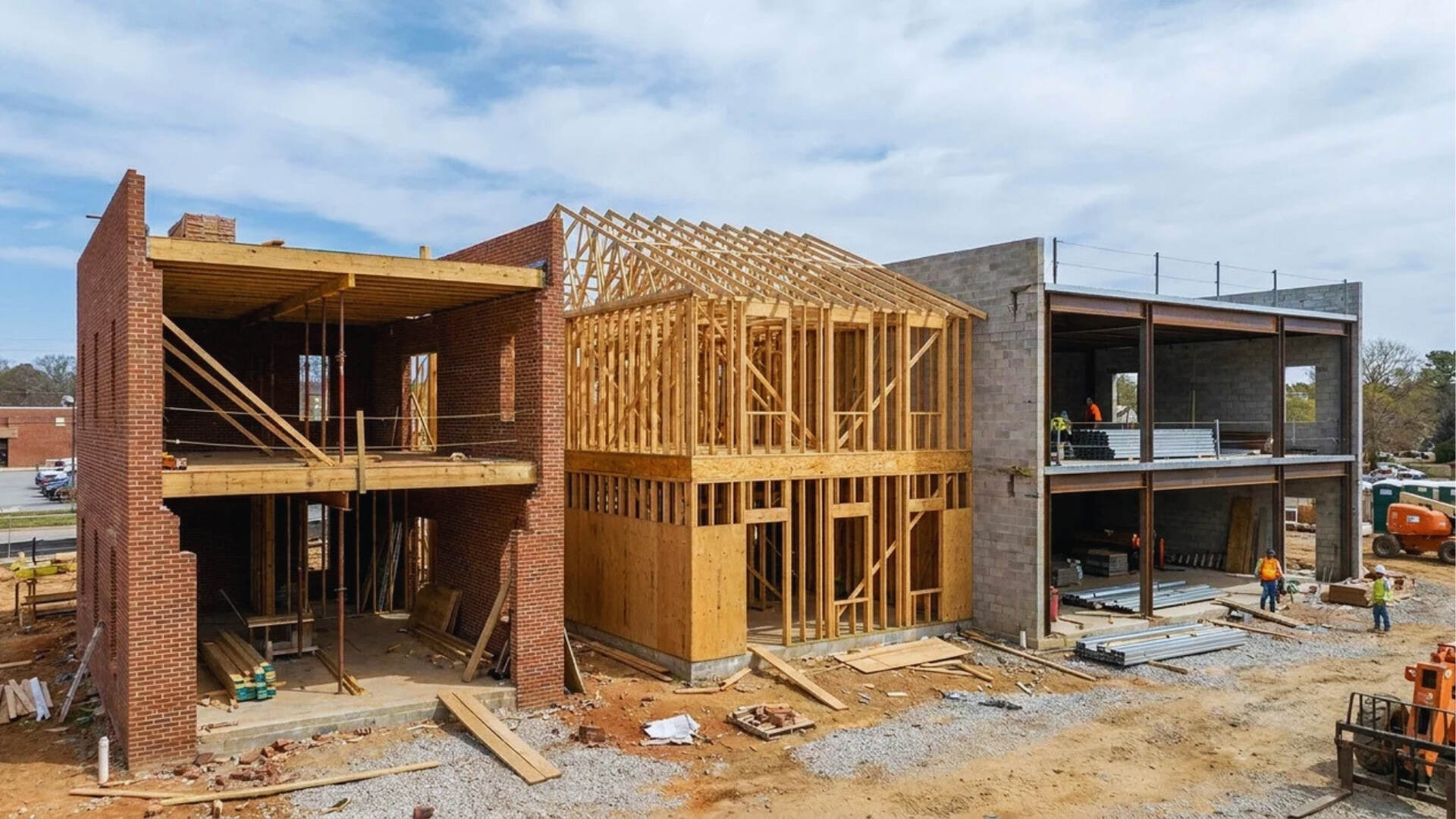

That boxed-in section above your kitchen cabinets is called a bulkhead. It is more common than most people realize.
This guide breaks down what a bulkhead is, where it is used, and how it differs from a soffit or beam.
You will also learn what it is made of, how it is built, and what to watch out for before starting a project.
What Is a Bulkhead in Construction?
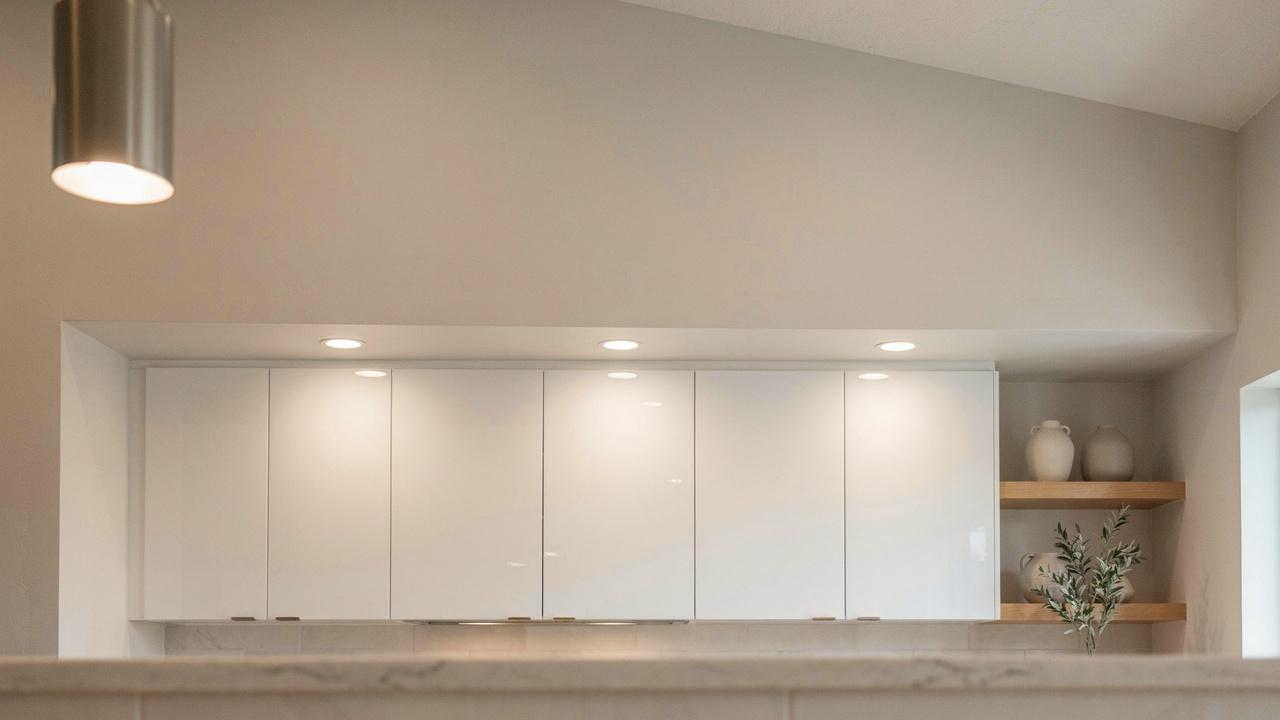
A bulkhead is a framed structure built to close off a section of space between a ceiling and another surface.
You will usually find one running along the top of kitchen cabinets or dropping down from a ceiling where pipes and ducts pass through.
Inside a home, bulkheads give a clean, finished look to areas where mechanical systems would otherwise be visible. Instead of seeing exposed ductwork or plumbing, you see a smooth, painted surface that blends into the room.
They also appear in commercial spaces like offices and retail stores where HVAC systems run along ceilings.
Outside, bulkheads act as barriers that hold back soil and water along shorelines and near foundations where erosion control matters.
Interior architectural bulkheads are not structural elements. They carry no load, which means you can remove or modify one without affecting the strength of your home, as long as you deal with whatever is inside it first.
Exterior and marine bulkheads, by contrast, are engineered to resist significant soil and water pressure and are a different category entirely.
What Is the Purpose of a Bulkhead?
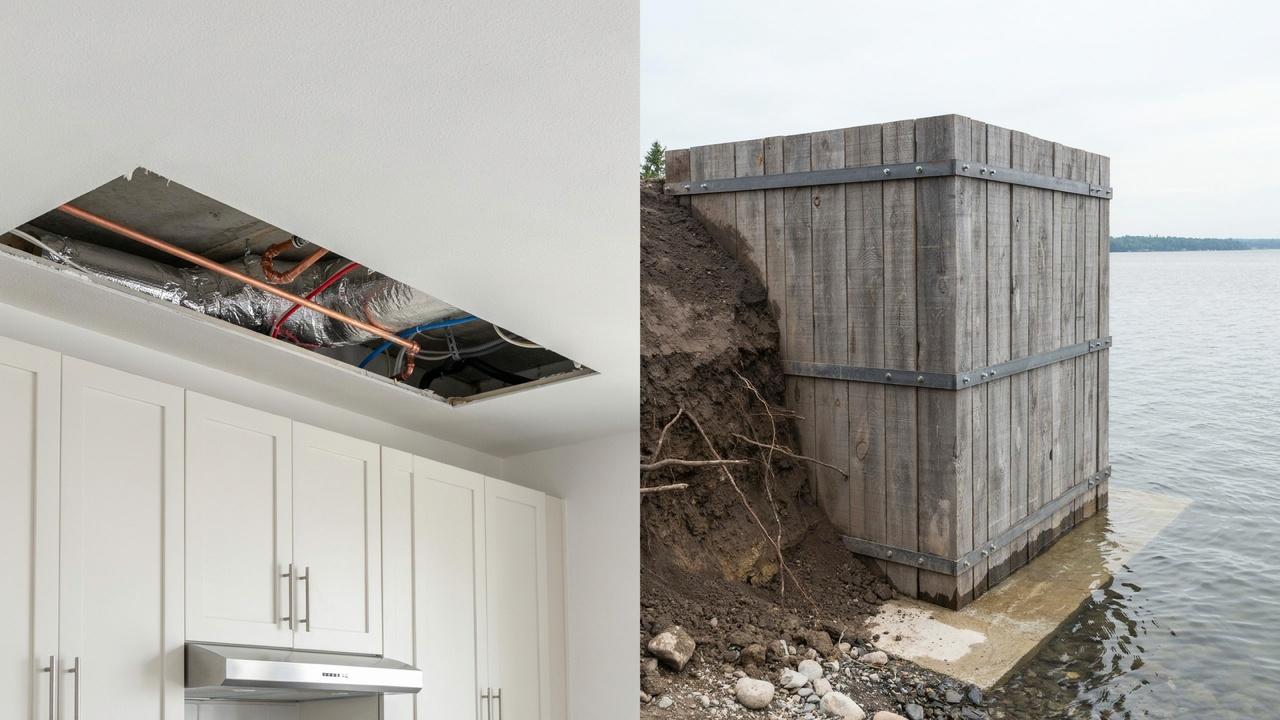
Bulkheads serve both practical and visual purposes inside and outside a building.
Concealing Plumbing, Ductwork, and Electrical Wiring
A bulkhead wraps around utility runs and gives the room a clean, finished look. It is one of the most common reasons builders add them during construction or renovation.
Improving Acoustics
In open-plan layouts where the kitchen flows into the dining or living area, a bulkhead ceiling can absorb sound and reduce echo. It is a benefit that often gets overlooked.
Creating a Finished Ceiling or Cabinet Appearance
Gaps above kitchen cabinets can make a space feel incomplete. A bulkhead fills that space and makes flat-panel cabinets look built-in and flush to the ceiling.
Many homeowners add bulkheads for this reason alone, independent of any utility concealment.
Controlling Soil, Water, and Erosion
In outdoor settings, bulkheads act as barriers that hold back soil and stop water from washing away the ground around a foundation or waterway.
This is especially important near ponds, rivers, or sloped properties.
A failing seawall or eroded foundation edge can cause serious structural problems if left unaddressed, and outdoor bulkheads also protect property value.
Where Are Bulkheads Used in Construction?
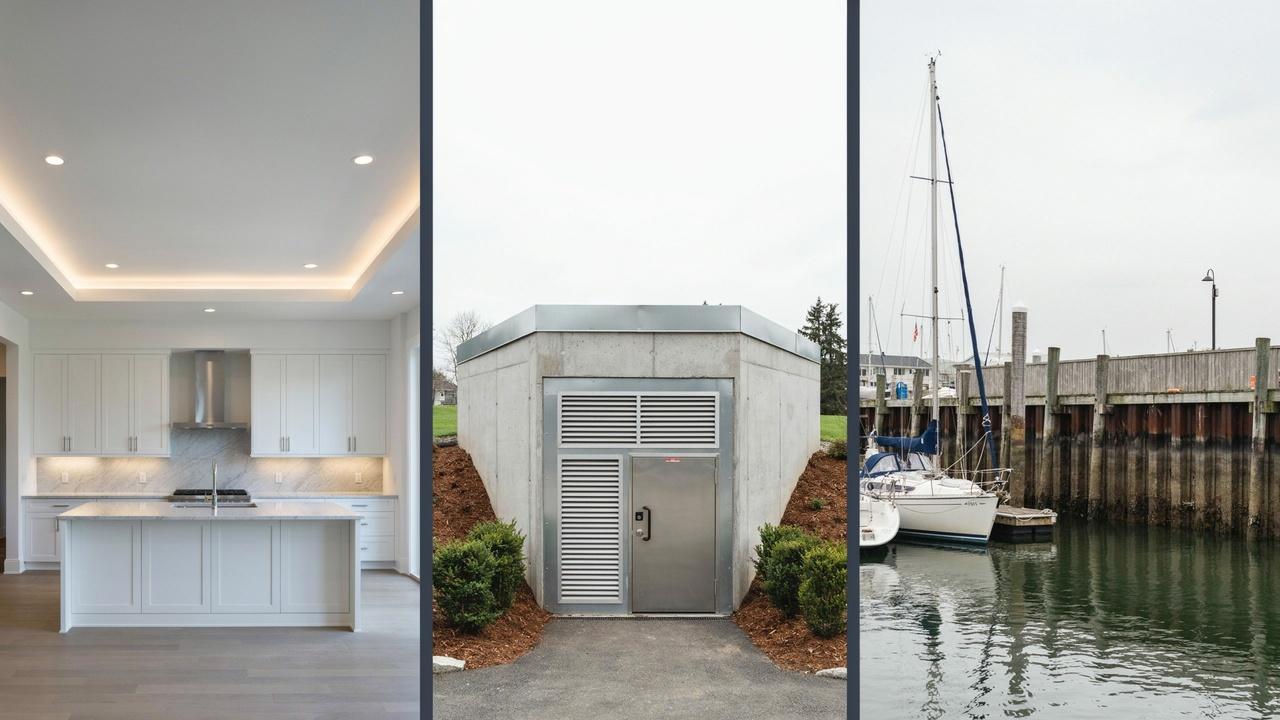
Bulkheads show up in many places, from kitchen ceilings to outdoor waterways.
Kitchen and Ceiling Bulkheads
The kitchen is the most common place you will find an interior bulkhead. It typically runs along the top of the cabinets or along a ceiling section where ductwork passes through.
Builders frame it out, drywall it, and finish it to match the rest of the room. As more kitchens move toward open-plan layouts with fewer overhead cabinets, the bulkhead has also become more of a deliberate design choice.
Bathroom and Laundry Room Bulkheads
Bathrooms and laundry rooms are the second most common location for interior bulkheads.
They usually sit above vanity cabinets or along the ceiling near the shower or tub, hiding drain pipes and ventilation lines. Because these rooms deal with moisture every day, the drywall used to finish the bulkhead needs to be moisture-resistant.
Standard drywall will absorb humidity over time and break down. Greenboard or cement board are better choices here.
Basement Bulkheads
A basement bulkhead often refers to the angled exterior door that leads into the basement from outside.
It gives you access to the basement without going through the main house. These are common in older homes and can also help with ventilation and emergency exit options.
Most basement bulkhead doors are made from galvanized steel or aluminum to handle weather exposure.
If yours is leaking or rusting, it can usually be replaced as a standalone unit without rebuilding the surrounding structure.
Exterior and Marine Applications
Along shorelines and waterfront properties, bulkheads are built to hold back water and soil. They are used in seawalls, sheet pile walls, boat docks, and retaining walls near water.
A seawall is a heavy structure built directly against the shoreline to resist wave action. A sheet pile wall uses long interlocking panels driven deep into the ground to hold back soil and water pressure.
A standard retaining bulkhead on a sloped yard is simpler; it holds back soil on a grade but does not face the same water force as a marine structure. Each type requires different materials and different anchoring methods.
Marine bulkheads are typically made from treated wood, steel, or concrete and are subject to environmental permits in most areas.
Bulkhead vs Soffit: What Is the Difference?
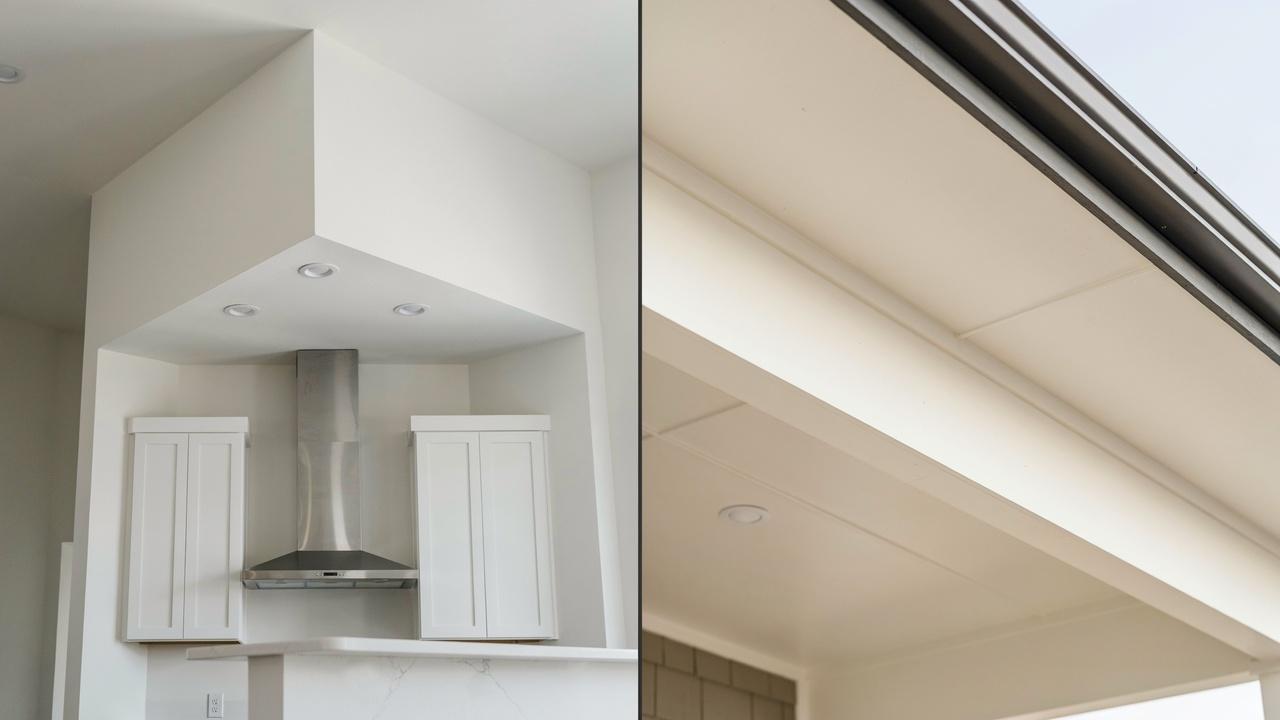
These two terms are sometimes used interchangeably in casual conversation, and the overlap in usage is understandable; both describe enclosed surfaces that finish off an otherwise exposed area.
That said, they refer to distinct things in construction practice.
| Feature | Bulkhead | Soffit |
| Shape | Box-like, projects down from ceiling | Flat panel, flush with surface |
| Purpose | Boxes in pipes, ducts, or wiring | Covers the underside of a structure |
| Structure | Has depth and form | Usually thin and flat |
| Common Locations | Kitchen ceilings, basements, interiors | Roof overhangs, staircases, arches |
| Best Used When | Utilities drop below the ceiling line | Exposed underside needs a clean cover |
| Built Differently | Framed enclosure | Attached panel or cladding |
In a kitchen, the boxed-in section running above the cabinets is typically called a bulkhead. The flat material closing off the underside of a roof overhang on the outside of the house is a soffit.
A soffit covers the bottom of something that already exists. A bulkhead creates a new enclosed space around something that needs to be hidden.
Knowing the distinction helps you plan the right solution, even if you hear the terms used loosely in conversation.
Bulkhead vs Beam: What Is the Difference?
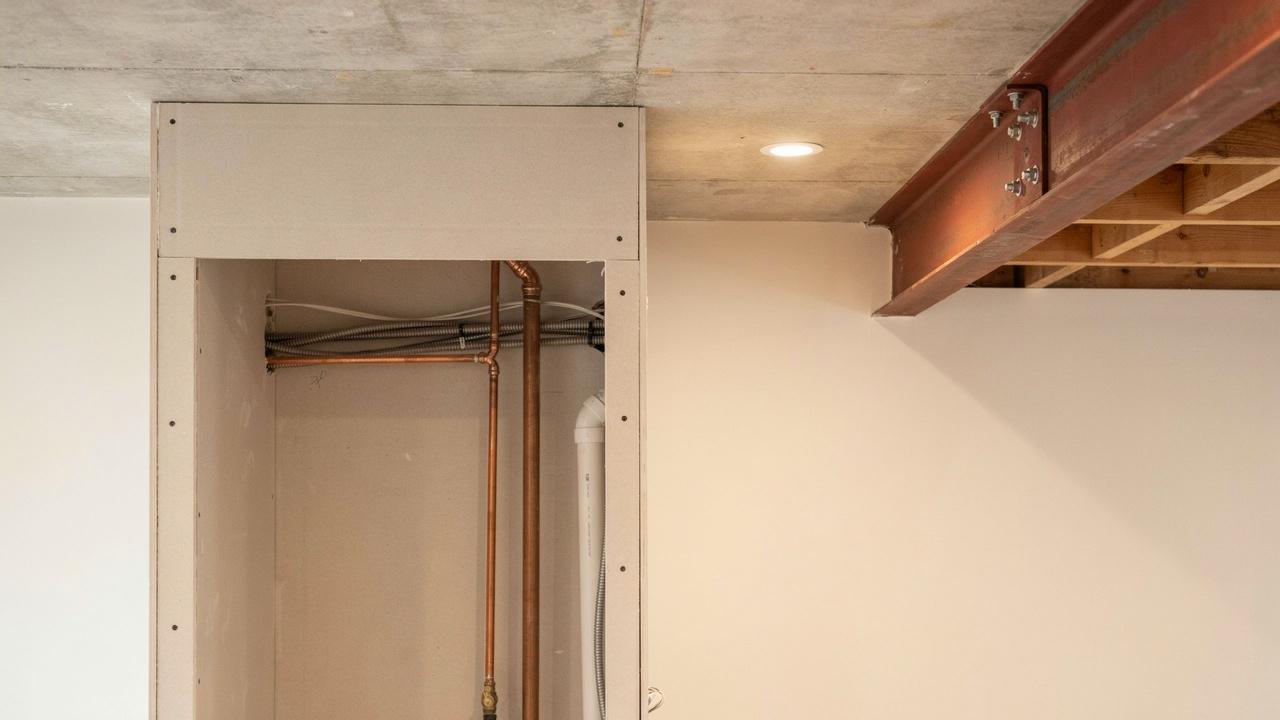
A beam supports a structure. A bulkhead hides something. These two serve completely different roles.
| Feature | Bulkhead | Beam |
| Main Purpose | Conceals pipes, ducts, or wiring | Carries structural loads |
| Load-Bearing | No | Yes |
| Common Materials | Wood framing, drywall | Steel, concrete, heavy timber |
| Built Around | Utilities or empty space | Nothing, it is the structure |
| Appearance | Box-like enclosure | Solid, exposed or finished bar |
| Location | Ceiling, walls, interiors | Spanning floors, roofs, openings |
A bulkhead may look like a beam from certain angles, but the two are not the same. If a ceiling feature is carrying weight, it is a beam.
If it is simply boxing something in, it is a bulkhead. In some cases, a bulkhead is built around a beam just to hide it.
The beam does the structural work. The bulkhead makes it look clean.
What Are Bulkheads Made Of?
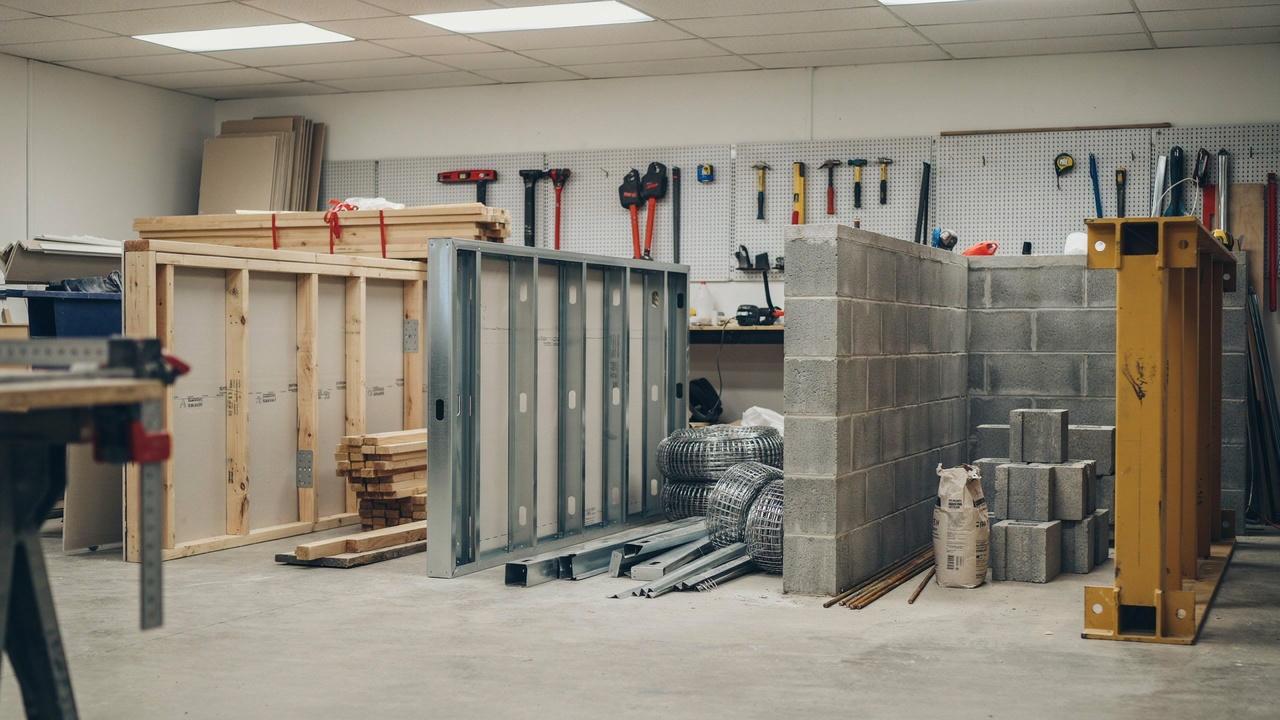
The material used for a bulkhead depends on where it is being installed and what it needs to do.
Wood and Drywall
Most interior bulkheads are built with wood framing and finished with drywall. Builders typically use 2×3 or 2×4 lumber to construct the frame.
For dry areas like living rooms and kitchens away from the sink, standard half-inch drywall works fine.
For bathrooms, laundry rooms, or anywhere near water, use moisture-resistant drywall instead. Greenboard costs a little more but lasts significantly longer in humid conditions.
Metal Framing
In commercial buildings or fire-rated areas, metal studs are used instead of wood.
Metal framing is more resistant to fire and moisture and tends to be lighter than wood while still providing a solid structure for the drywall finish.
Concrete, Masonry, and Steel
For exterior and marine bulkheads, much stronger materials are needed. Concrete, block masonry, and steel are common choices.
These materials can handle soil pressure, water exposure, and heavy loads over a long period.
How Is a Bulkhead Built?
Building a bulkhead is a step-by-step process that starts with planning and ends with a clean finish.
Step 1: Planning and Measuring

Before any framing starts, know exactly where the utility runs are.
Measure the depth and width of the pipes or ducts you are boxing in and leave at least two to three inches of clearance around them for room and airflow.
Mark the ceiling and wall lines clearly before cutting any material.
This is also the right time to decide if you need an access panel. If there is a shutoff valve, cleanout, or junction box behind the bulkhead, plan the panel location now. It is much harder to add later.
Step 2: Framing and Installation
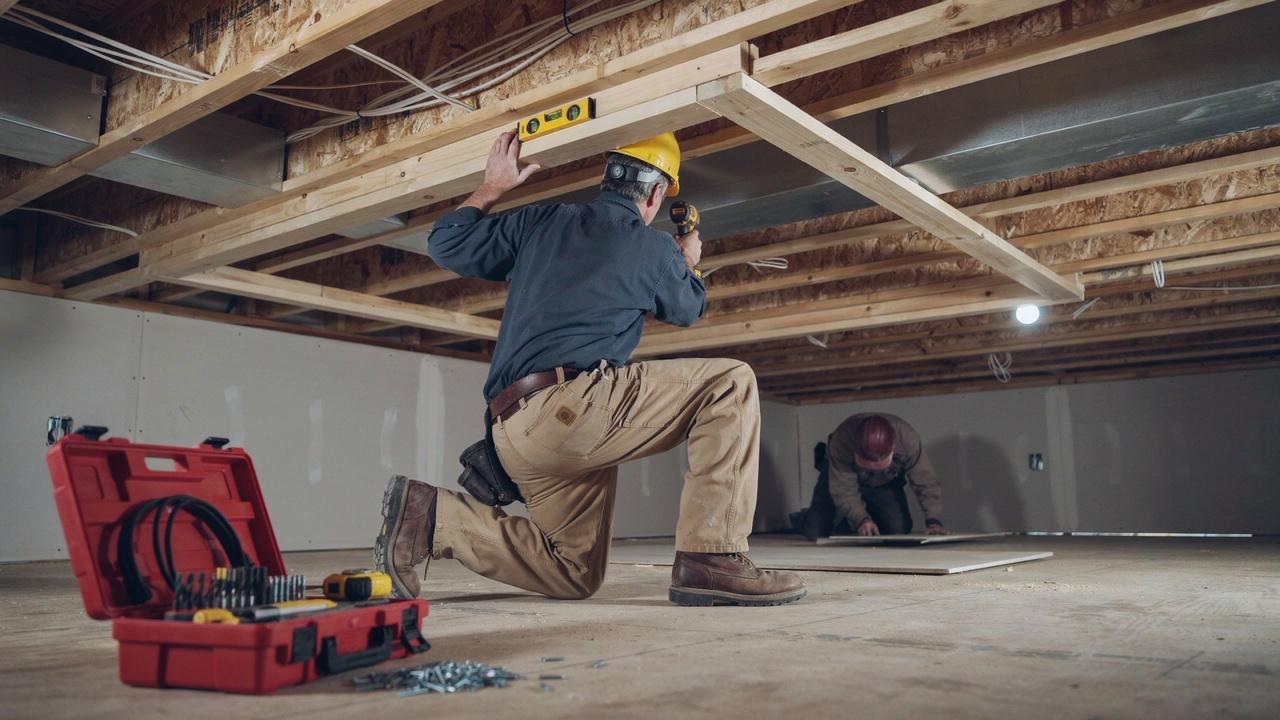
Cut your framing pieces to size and attach them to the ceiling and wall. Build the box around the utility runs, making sure the frame is level and square at every corner.
Step 3: Finishing an Interior Bulkhead

Once the frame is up, attach drywall panels to all exposed sides. Tape the joints and apply joint compound. Let it dry, sand it smooth, and then prime the surface before painting.
Paint it to match the ceiling or wall. Add corner beads on outside edges to protect from chips and give a clean line.
Step 4: Installing and Securing an Exterior Bulkhead
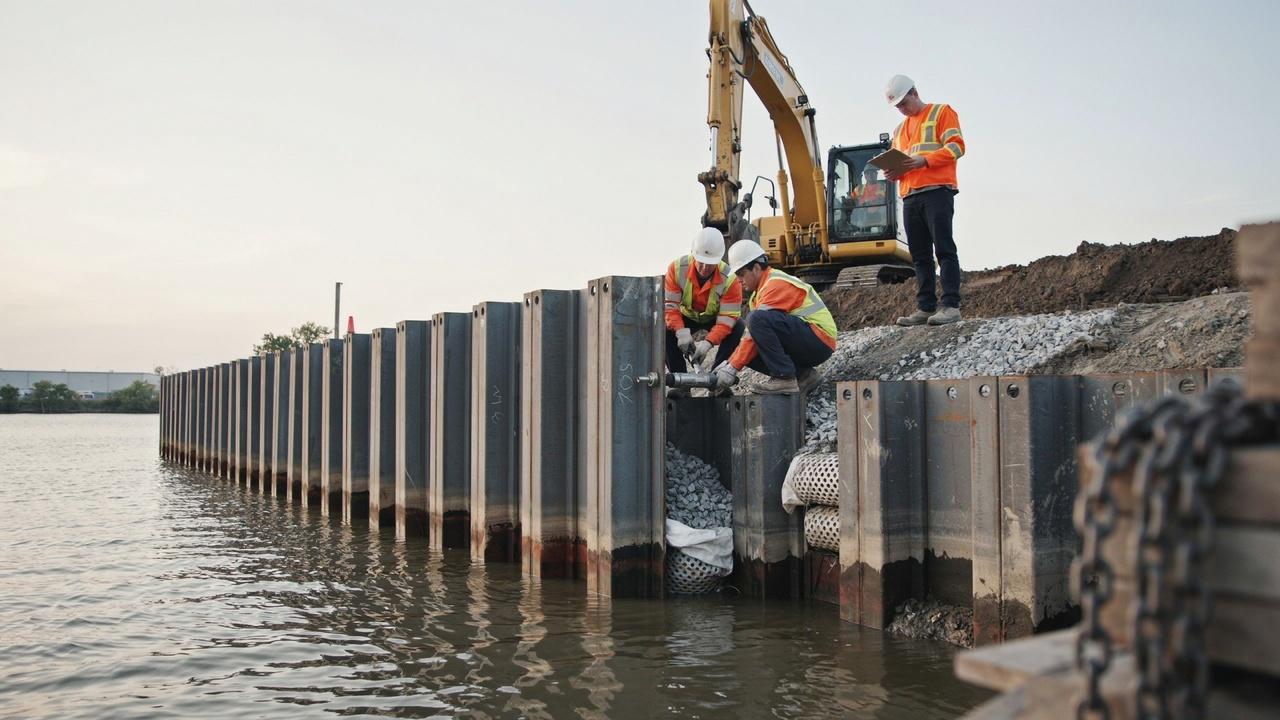
For exterior use, anchor the bulkhead firmly into the ground or foundation. Most exterior bulkheads require backfilling with gravel behind the structure to allow drainage rather than pressure buildup.
Use waterproofing membranes and sealants to prevent water infiltration. Make sure the base is secured deep enough to resist soil movement and erosion.
For anything near a waterway, check local environmental regulations before you dig.
Is a Bulkhead a DIY Project or Does It Need a Contractor?
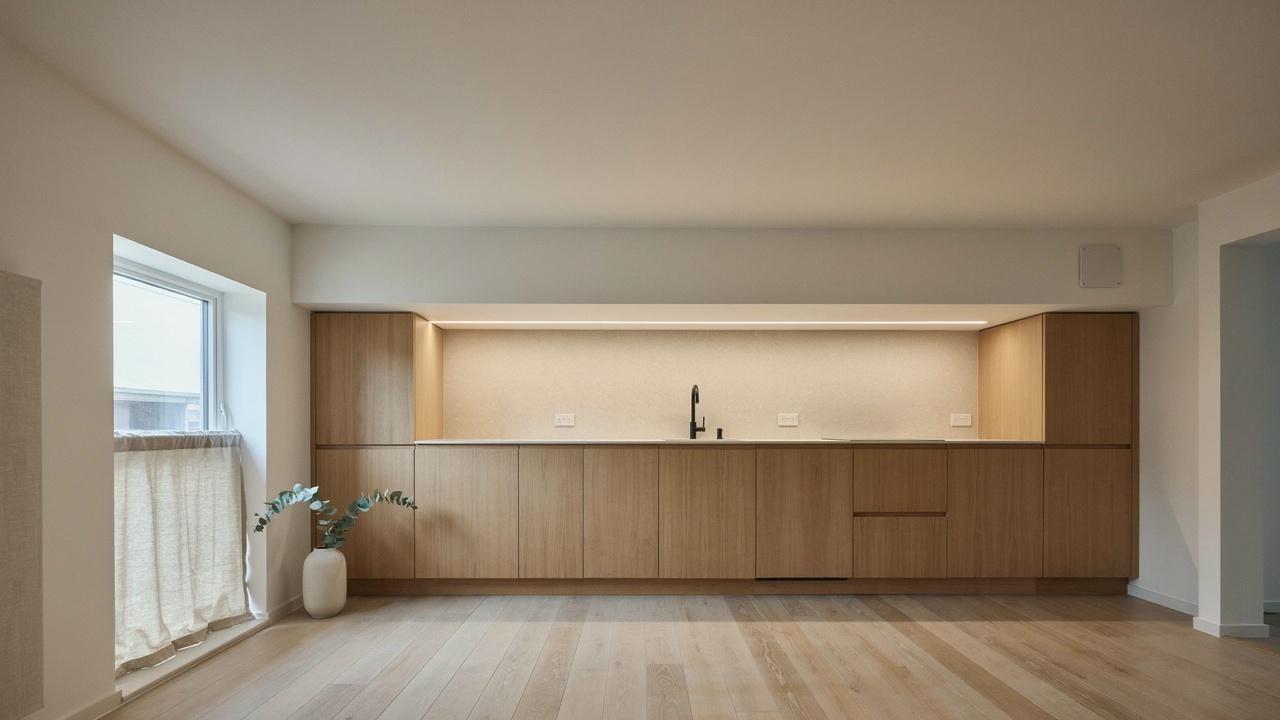
A basic interior bulkhead in a kitchen or bedroom, boxing in existing ductwork or pipes, is manageable for someone comfortable with basic framing and drywall. The materials are inexpensive and the process is straightforward.
Anything involving electrical work, gas lines, or HVAC rerouting requires a licensed professional.
Exterior and marine bulkheads also require a contractor; they involve engineering knowledge, proper anchoring, drainage planning, and often environmental permits.
Doing it wrong can cause the structure to fail and damage your property faster than if you had done nothing at all.
What Are the Benefits and Drawbacks of Bulkheads?
Benefits of Bulkheads
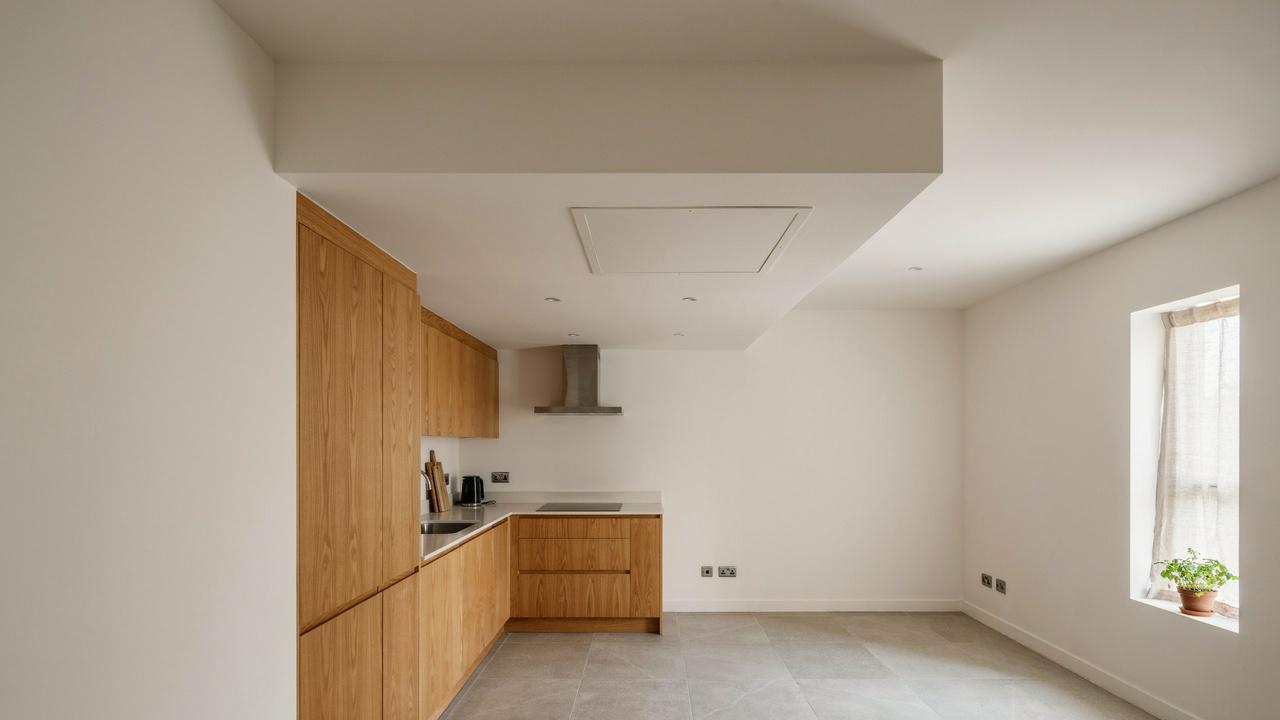
Bulkheads give rooms a cleaner look by hiding utilities that would otherwise be visible. They can make cabinets look built-in and give ceilings a finished appearance.
Many homeowners also add recessed lights or LED strip lighting along the bottom face of a bulkhead, which adds both function and a design detail that draws the eye upward.
Outdoor bulkheads protect properties from erosion and water damage. They are also relatively affordable compared to rerouting the pipes or ducts entirely.
Potential Drawbacks
Interior bulkheads reduce ceiling height in the area where they are installed. This can make a room feel smaller, especially in a kitchen or hallway that is already narrow.
They can also block natural light if placed in the wrong spot.
If the pipes behind a bulkhead ever need repair, accessing them means cutting through drywall which is exactly why planning an access panel from the start matters.
Exterior bulkheads require proper installation and ongoing maintenance, or they can fail over time.
Tips for Planning and Installing a Bulkhead
A little planning before you build saves a lot of trouble later.
- Before framing anything, find out exactly what utilities are running through the space. Mark all pipes, ducts, and electrical lines so nothing gets boxed in without access.
- Pick your materials based on where the bulkhead is going. Wood and standard drywall work fine in dry indoor areas. Wet rooms need moisture-resistant drywall. Outdoor projects need weatherproof materials from day one.
- Plan your access panel before you frame, not after. If there is any valve, junction box, or cleanout behind the bulkhead, put a hinged or removable panel directly in front of it.
- Think about your renovation timeline. A bulkhead should go in after rough plumbing and electrical are done but before cabinets are installed.
- Exterior bulkheads near soil or water need a drainage plan built in from the start. Without it, water pressure builds up behind the structure and can cause it to fail over time.
Building Code and Safety Considerations for Bulkheads
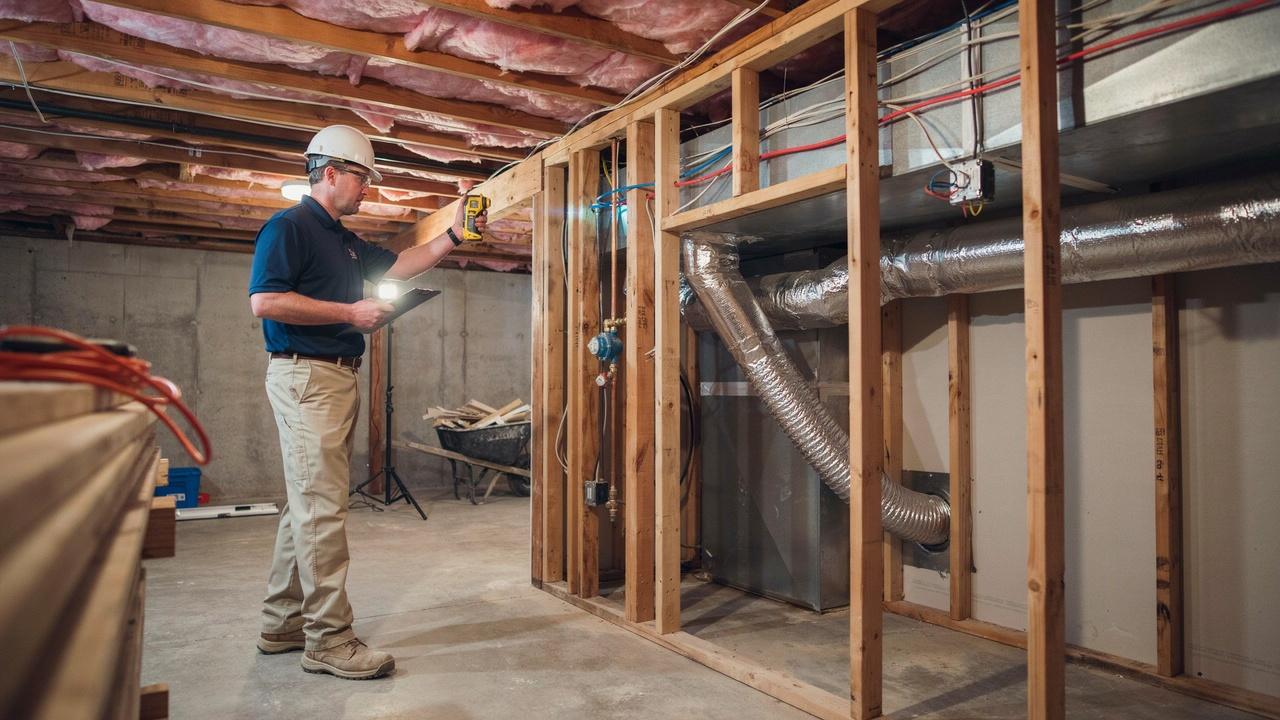
Safety rules around bulkheads are there for good reason. Skipping them can lead to real problems.
Fire and Utility Clearance
Building codes often require specific clearances around electrical panels, gas lines, and HVAC systems.
When building a bulkhead around these systems, leave enough room for safe operation and access.
In many areas, fire-rated drywall is required when a bulkhead surrounds ductwork. Failing to meet these requirements can create a fire hazard or violate local code.
Drainage and Waterproofing for Exterior Bulkheads
Any bulkhead that faces the outdoors needs to be waterproofed. Water that seeps in can cause rot, rust, or structural damage over time.
Use the right sealants and waterproofing membranes for the material you are working with.
For marine structures, most states require a permit and some require an environmental impact review before construction begins.
Permits and Local Building Requirements
Many municipalities require permits for bulkhead work, especially exterior or structural-adjacent projects.
Always check before you start. A permitted job protects your investment and makes the process smoother if you ever sell the home.
Conclusion
Bulkheads are practical features that show up in more places than most people notice above kitchen cabinets, in bathroom ceilings, in basement entries, and along waterfronts.
Whether the goal is a cleaner interior finish or erosion protection on a sloped property, knowing how bulkheads work leads to smarter decisions during planning and renovation.
Frequently Asked Questions
Can you remove a bulkhead after it has been installed?
Yes, but the utilities inside it need to be rerouted first. Removing it without addressing what is behind it will create bigger problems. Interior removals are usually straightforward. For exterior bulkheads, involve a contractor before touching anything.
Do bulkheads affect home resale value?
They generally do not hurt value. Buyers care more about whether the home looks finished and well-maintained. A well-built, properly painted bulkhead reads as a design feature, not a flaw.
How much does it typically cost to build an interior bulkhead?
Most interior bulkheads run between $300 and $1,000 for a standard kitchen or ceiling application. Labor makes up the larger share of that, typically 50 to 70 percent of the total. Costs increase with longer runs, higher ceilings, utility rerouting, and finishing details like recessed lighting or custom trim.
Can a bulkhead be removed without a permit?
It depends on your location. Many interior bulkheads do not require a permit to remove, but if the work touches electrical, plumbing, or HVAC systems, a permit is usually required. Check with your local building department first.