Have you ever wondered what is slump in concrete and why workers keep talking about it on construction sites?
I did too, when I first started learning about concrete work. It confused me at first, but once I understood it, everything made more sense.
In this blog, I will cover what concrete slump means, why it matters for strength and durability, how the slump test works, and standard values along with common mistakes.
With years of hands-on experience in construction, I am here to make this simple and clear for you.
What is Slump in Concrete?
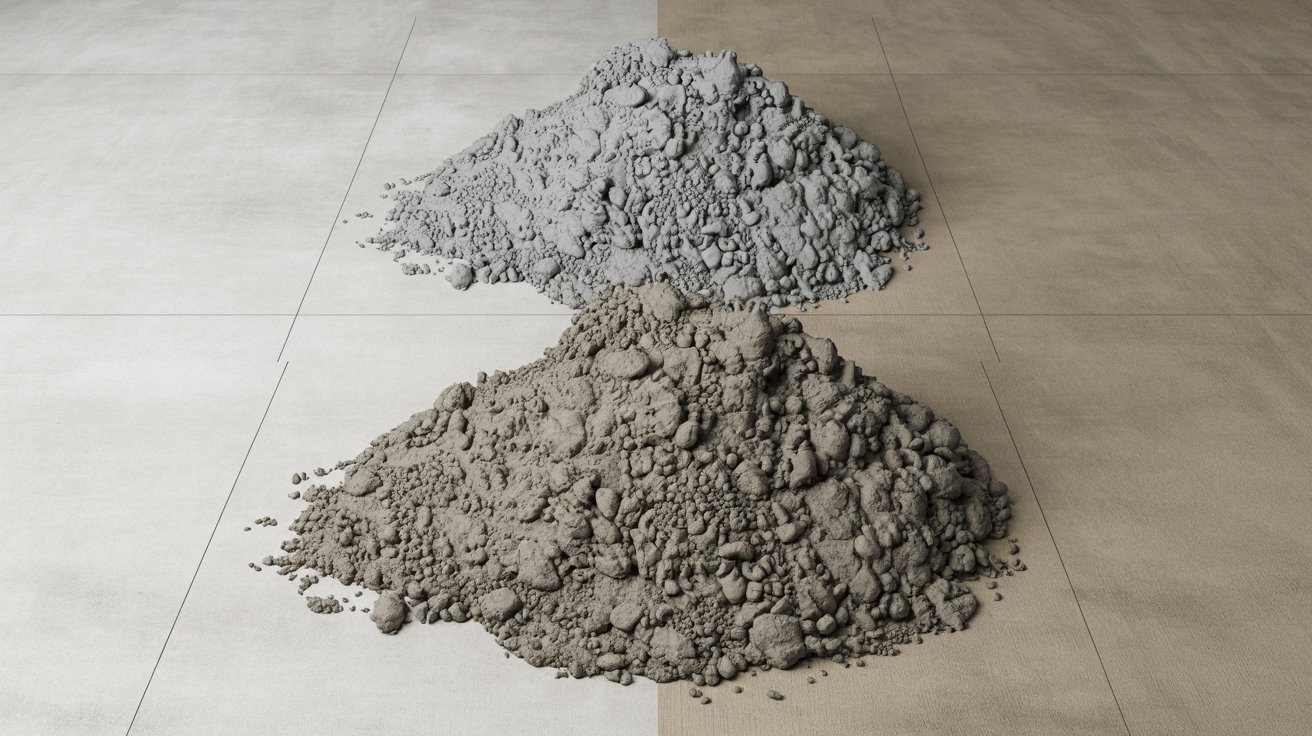
Slump in concrete refers to the consistency or workability of fresh concrete. It measures how much a freshly mixed batch of concrete settles or "slumps" under its own weight.
When concrete is mixed, it contains cement, water, aggregates, and sometimes admixtures. The ratio of these materials directly affects how stiff or fluid the mix is.
A higher slump means the concrete is more fluid and easier to pour. A lower slump means it is stiffer and harder to work with.
The slump value is measured in millimetres (mm) or inches. Most standard construction mixes fall between 25 mm to 125 mm, depending on the type of work.
Think of it this way. If you scoop wet concrete and let it sit, a very wet mix will spread out a lot. A dry, stiff mix will barely move. That spreading or settling is what we call slump.
Slump does not just affect how easy it is to pour concrete. It also affects the final strength, finish, and durability of the structure.
Getting the slump right is a small step that makes a big difference on site.
Why Slump in Concrete Matters
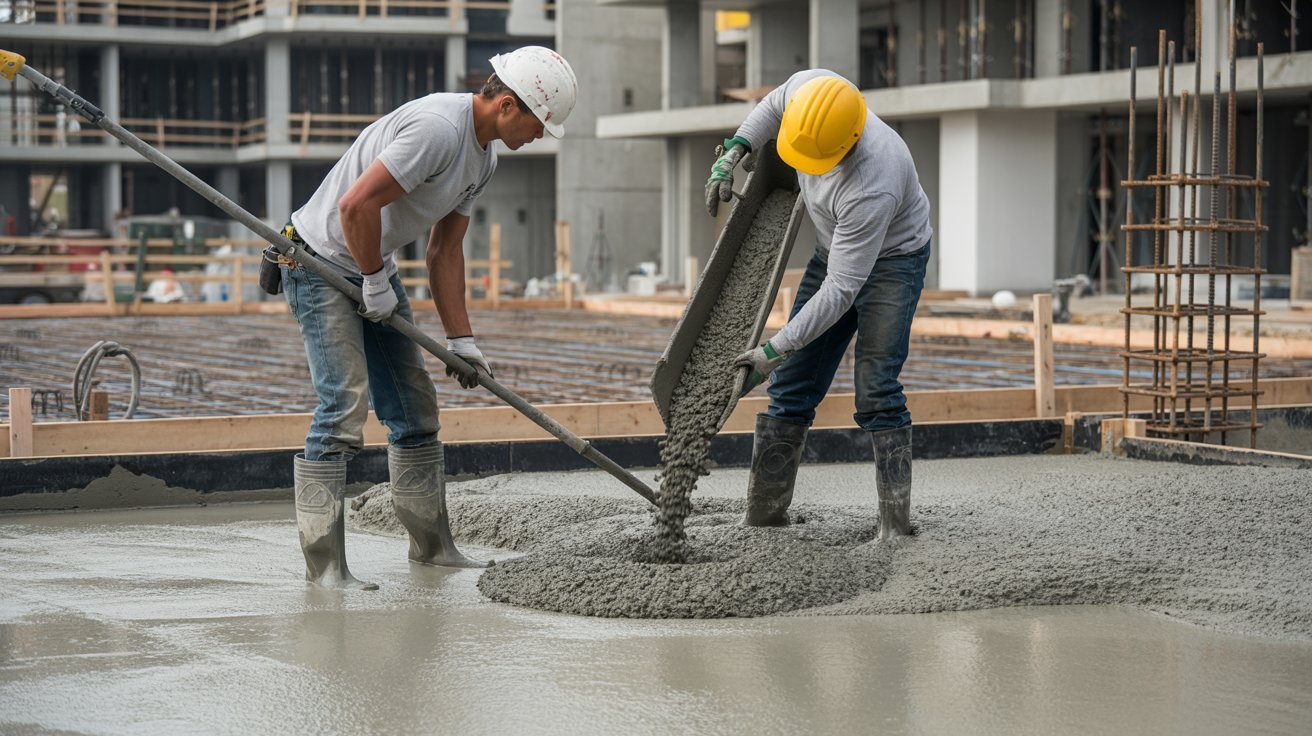
Getting the right slump value is not just a technical formality. It directly affects the quality of your structure.
Effect on Strength and Durability
Too much water in a mix increases slump but weakens the concrete. The extra water creates voids as it evaporates, reducing the final strength.
On the other hand, a very low slump mix may not compact properly, leaving air gaps that reduce durability over time.
The right slump means the concrete will be strong, dense, and long-lasting once it sets.
Importance During Placement and Finishing
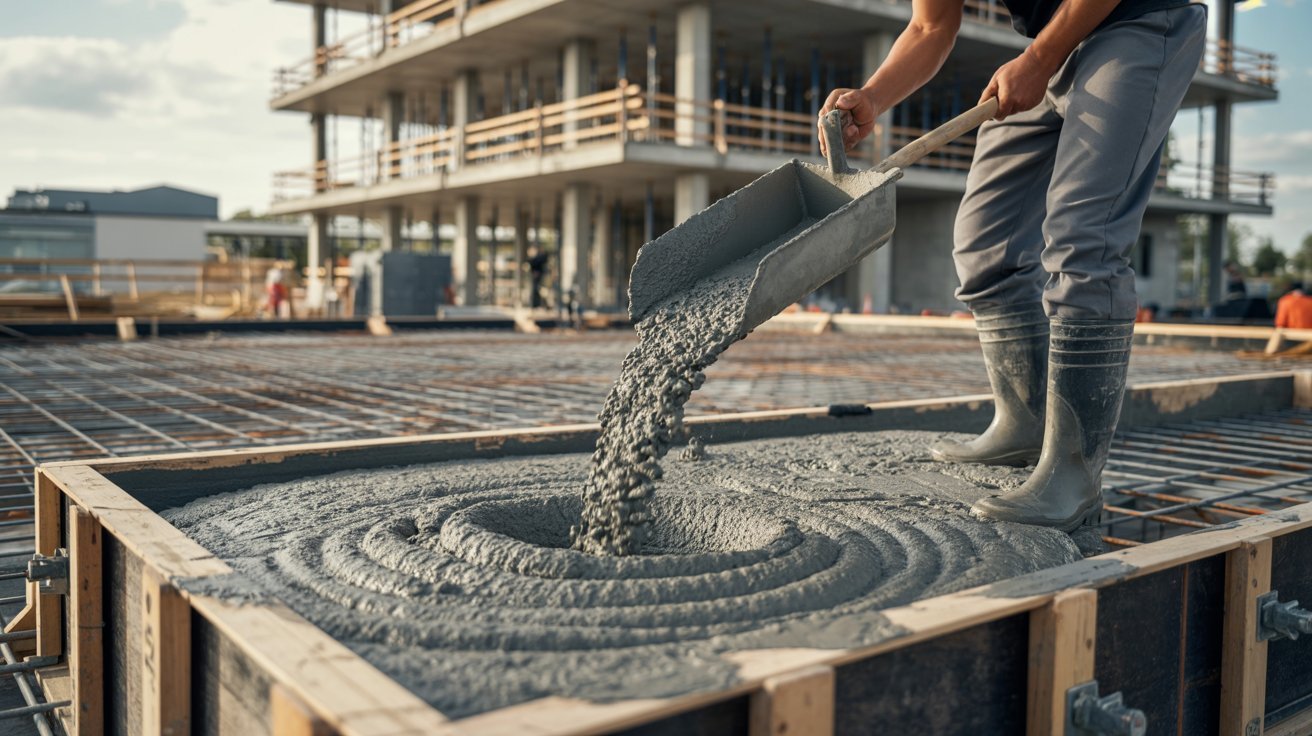
Concrete with the correct slump is easier to place, compact, and finish. Workers can fill formwork properly without leaving honeycombing or gaps.
For slabs and floors, the right consistency helps achieve a smooth, level surface.
If the mix is too stiff, workers may struggle to place it correctly. If it is too wet, it becomes difficult to finish and prone to cracking.
Problems Caused by Incorrect Slump
Keeping slump within the correct range for each application is a key part of quality control on any construction site.
- Too high slump: Segregation of aggregates, bleeding, surface cracking, and lower strength
- Too low slump: Poor workability, incomplete compaction, honeycombing, and weak spots
- Inconsistent slump: Uneven quality across the structure, leading to structural risks
What is the Concrete Slump Test?
The concrete slump test is a simple field test used to measure the workability of fresh concrete.
It is one of the most commonly used tests in construction because it is quick, affordable, and easy to perform on site.
The test follows standards such as IS 1199 in India or ASTM C143 internationally.
Tools Used for the Test
You only need a few basic tools to carry out the slump test, and most of these are already available on any active construction site.
- Slump cone (also called Abrams cone): a hollow metal cone, open at both ends
- Tamping rod: a 16 mm diameter steel rod for compacting the concrete
- Base plate: flat, non-absorbent surface to place the cone on
- Steel ruler or tape: to measure the slump in mm
Types of Slump Results
After the cone is lifted, the concrete settles in one of three ways.
- True slump: The concrete settles evenly and uniformly. This is the ideal result and gives a reliable measurement.
- Shear slump: One side of the concrete slides down while the other stays. This result is not reliable and the test should be repeated.
- Collapse slump: The concrete completely collapses and spreads out. This usually means the mix has too much water and is too wet for most applications.
Advantages and Limitations of Slump Testing
The slump test is one of the most commonly used checks on construction sites. Here is a quick look at where it works well and where it falls short.
| Advantages | Limitations |
| Quick and simple to perform directly on site with no lab setup needed | Only measures workability of fresh concrete, not strength or durability |
| Requires only basic, low-cost tools like a slump cone, tamping rod, and ruler | Not reliable for very dry or very wet mixes, results can be unclear or zero |
| Helps check batch-to-batch consistency and catch mix changes early | Small errors in tamping, timing, or lifting the cone can affect the reading |
| Can be repeated quickly if a result seems off or unreliable | Two mixes with the same slump can have very different strength and quality |
| Recognised by international standards like ASTM C143 and IS 1199 | Must be done within 5 minutes of sampling or the reading will not be accurate |
Standard Slump Values for Construction Work
Different types of construction work need different slump values. Using the wrong slump for the wrong application can affect the quality of the final structure.
Slump for Foundations and Slabs
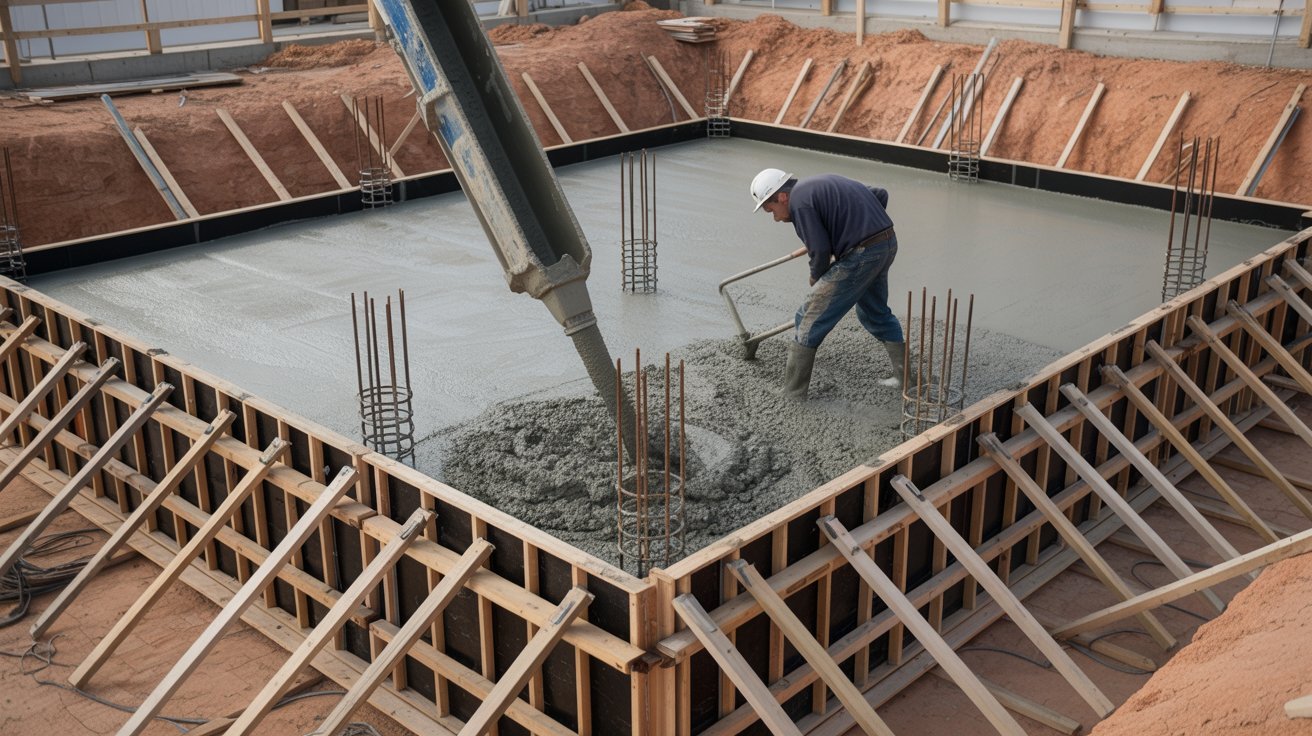
For foundations and slabs, a slump of 25 mm to 75 mm is generally recommended.
This gives a mix that is workable enough to pour and compact, while still being stiff enough to hold its shape and achieve good strength.
Slump for Columns and Beams

Columns and beams usually have more reinforcement bars, so the concrete needs to flow around the steel properly.
A slump of 50 mm to 100 mm is commonly used for these members. This helps the mix fill all corners and spaces without leaving voids.
Slump for Pumped Concrete
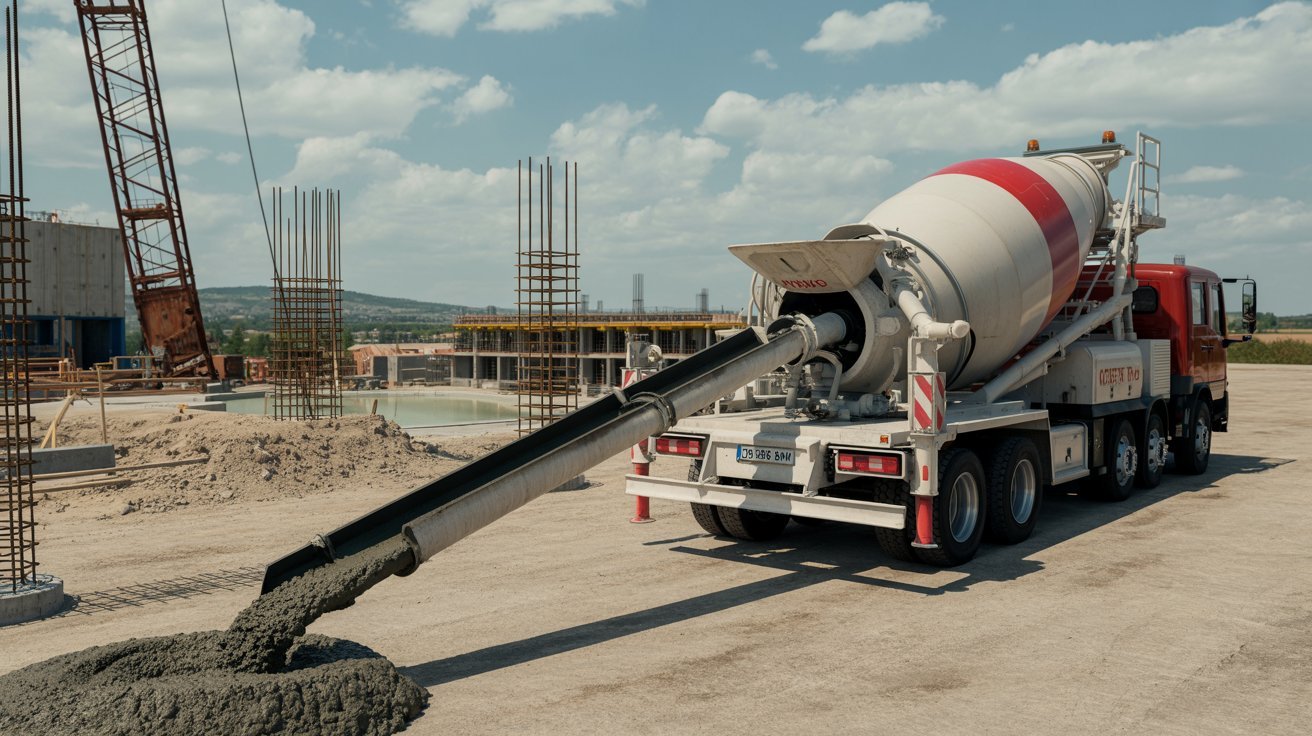
When concrete is pumped through pipelines on large sites, it needs to be more fluid to move smoothly through the pipe.
A slump of 75 mm to 150 mm is typically used for pumped concrete. However, the mix must still be designed carefully to avoid segregation.
Factors That Affect Concrete Slump
Several factors influence the slump of a concrete mix.
Here are the key ones to know:
- Water-Cement Ratio: More water increases slump but reduces strength. Even a small increase in water can significantly raise the slump value. Always follow the designed water-cement ratio strictly.
- Aggregate Size and Shape: Larger aggregates or angular, rough-textured aggregates reduce workability and lower slump. Smaller, rounder aggregates tend to produce higher slump mixes.
- Weather Conditions: Hot weather speeds up cement hydration and causes water to evaporate faster, reducing slump over time. In high temperatures, concrete can lose slump quickly between mixing and placement.
- Admixtures: Plasticizers and superplasticizers increase slump without adding extra water. Retarders slow down hydration and help maintain slump in hot conditions. Accelerators can reduce slump by speeding up setting.
Common Slump Test Mistakes
Even a simple test like the slump test can give wrong results if not done correctly.
Here are the most common mistakes to avoid:
- Incorrect filling and compaction: The cone must be filled in three equal layers, each tamped 25 times with the rod. Skipping tamps or uneven layers gives inaccurate results.
- Delayed testing: The slump test must be done within 5 minutes of taking the concrete sample. Any delay causes the mix to start setting, giving a lower slump reading than the actual value.
- Uneven testing surface: The base plate must be flat, stable, and on level ground. A tilted or unstable surface causes the cone to lean during lifting, affecting the result.
- Lifting the cone incorrectly: The cone should be lifted straight up, slowly and steadily in 5 to 10 seconds. Tilting or jerking it can disturb the concrete and give a shear slump instead of a true slump.
Conclusion
Now you know what is slump in concrete and why it plays such an important role in construction.
From my own experience on sites, I have seen how a wrong slump can cause cracks, weak spots, or finishing problems that are hard to fix later. It is a small detail, but it matters a lot.
Always check the slump before pouring. It takes just a few minutes but can save you from big problems later.
Found this helpful? Share it with a fellow builder or leave a comment below with your questions!
Frequently Asked Questions
What is a good slump value for concrete?
A good slump value depends on the type of construction work, but most projects use concrete between 25 mm and 125 mm slump.
Does higher slump mean stronger concrete?
No. Higher slump usually means more water in the mix, which can actually reduce concrete strength if not controlled properly.
How long does a slump test take?
A concrete slump test usually takes only a few minutes and should be completed within 5 minutes of sampling the concrete.
What causes low slump in concrete?
Low slump is commonly caused by low water content, hot weather, rough aggregates, or delays during placement.
Can slump affect concrete cracking?
Yes. Concrete with very high slump may crack more because excess water weakens the mix and increases shrinkage.