
Have you ever watched a building come down and wondered what demolition exactly is?
I have been around construction long enough to know this is one of the most common questions beginners ask.
And honestly, it is a fair one. Demolition is more than just knocking things down. It is a planned, skill-based process that makes way for better, safer structures.
In this blog, I will walk you through what demolition means, the methods used, materials recovered, and key safety practices.
By the end, you will have a clear and simple understanding of how it all works.
What is Demolition?
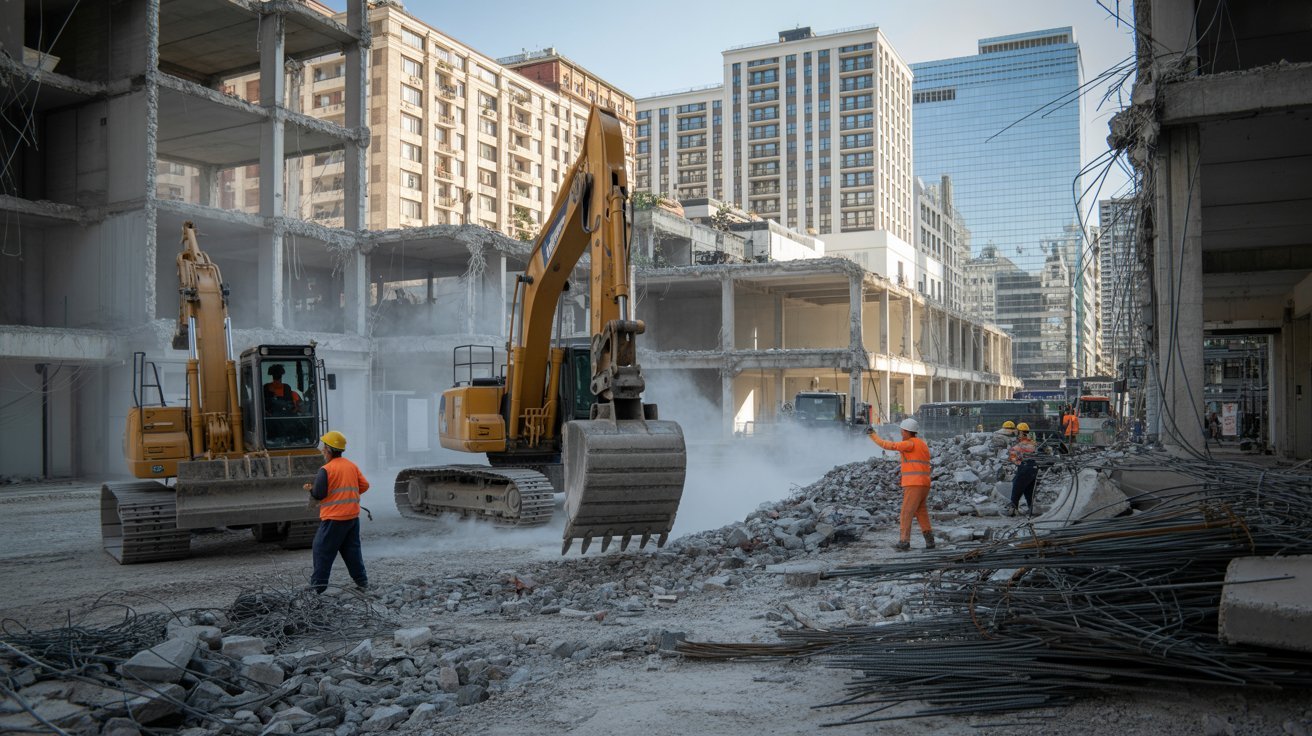
Demolition is the process of tearing down or removing a building, structure, or part of a structure in a safe and planned way.
It is not just about breaking walls. It involves careful planning, the right equipment, and trained workers who follow strict safety rules.
Before any demolition starts, engineers study the structure. They check what materials were used, how the building is supported, and whether any hazardous materials like asbestos are present.
Demolition can be partial or complete. Partial demolition removes only a section of a structure, while complete demolition takes the entire building down.
Both types require detailed planning and proper permits from local authorities.
In simple terms, demolition clears the way for something new. Old buildings, damaged structures, or unsafe constructions are removed to make space for new development.
It plays a big role in urban development, infrastructure projects, and renovation work. Without proper demolition, construction projects cannot move forward safely or efficiently.
Uses of Demolition in Construction
Demolition is used across many types of construction projects, from small homes to large infrastructure.
Residential Projects
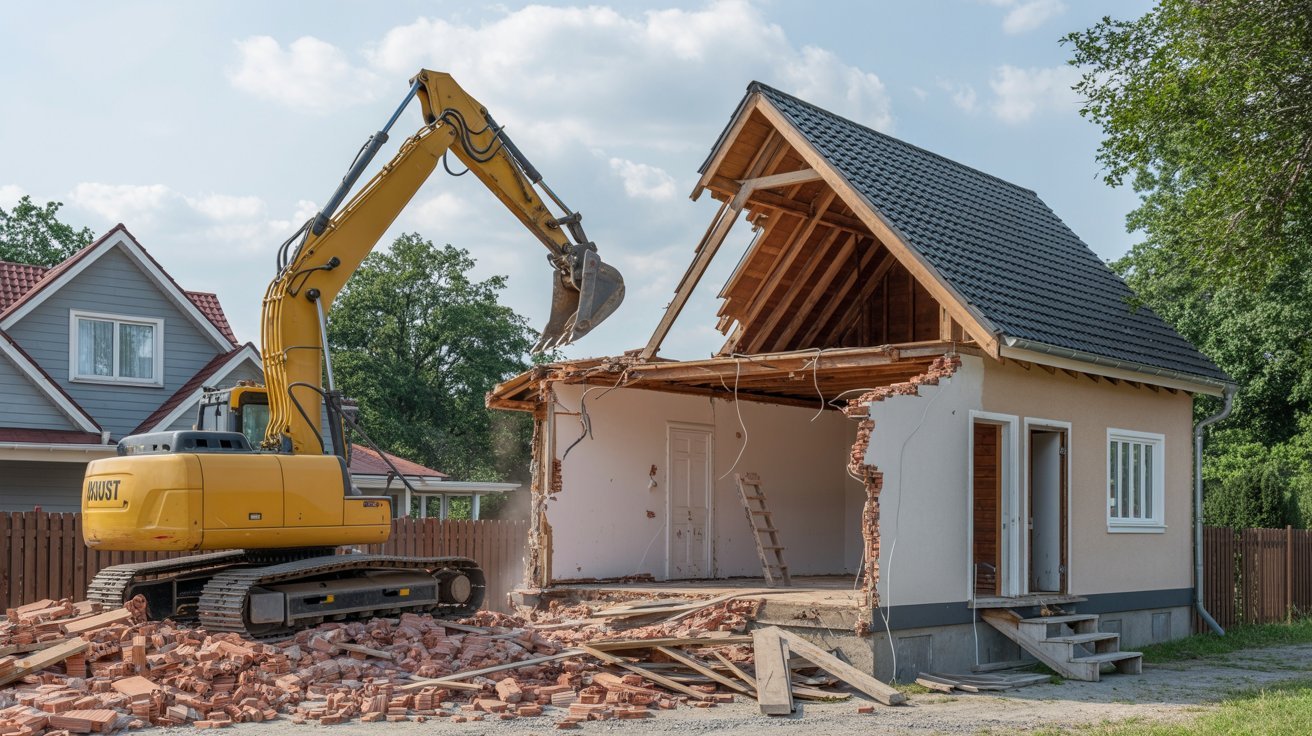
In residential projects, demolition is used to remove old or unsafe homes.
It also helps during major renovations where walls, floors, or entire sections need to be cleared before rebuilding begins.
Commercial Projects
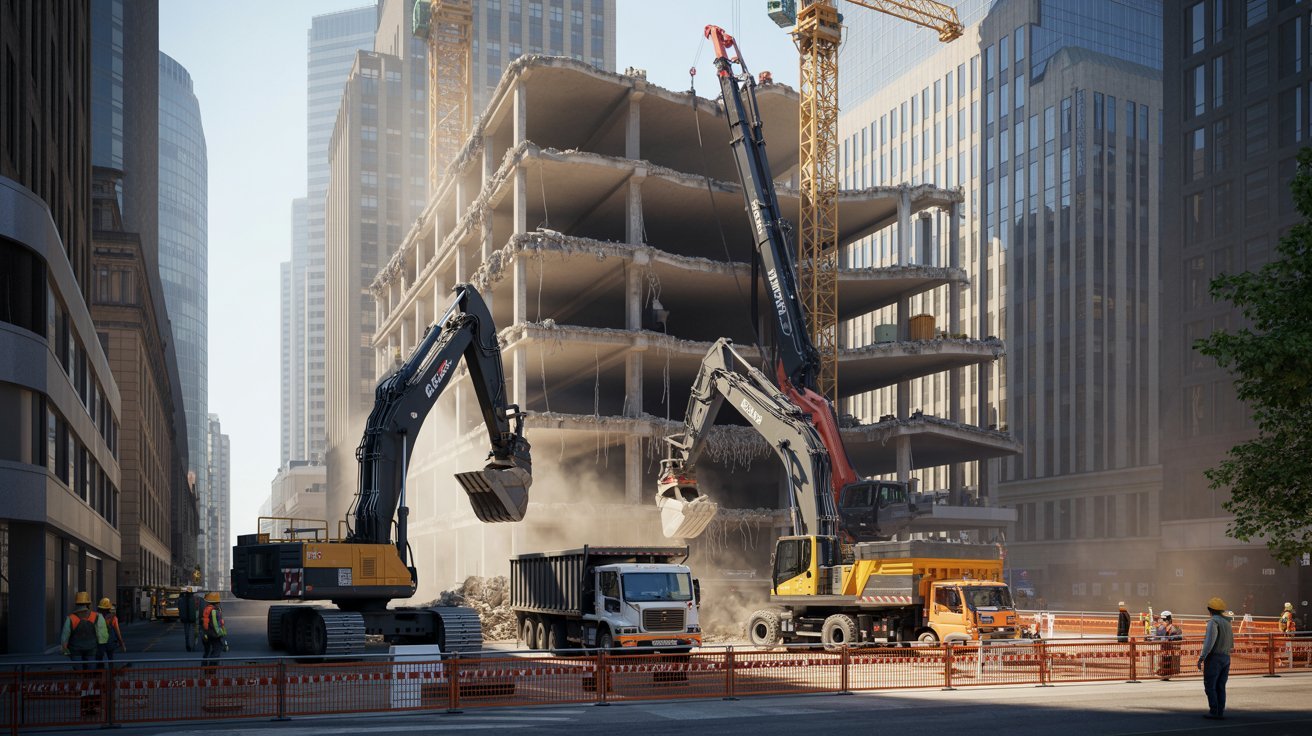
Commercial demolition involves removing old office buildings, shopping centers, or factories.
These projects are often larger and require more planning due to the size of the structures and their location in busy areas.
Infrastructure Development

Roads, bridges, tunnels, and public facilities often need demolition work before upgrades or replacements can begin.
Old infrastructure is brought down carefully to make way for modern, safer alternatives.
Common Demolition Methods
There are several methods used in demolition, each suited to different types of structures and project needs.
Wrecking Ball Method
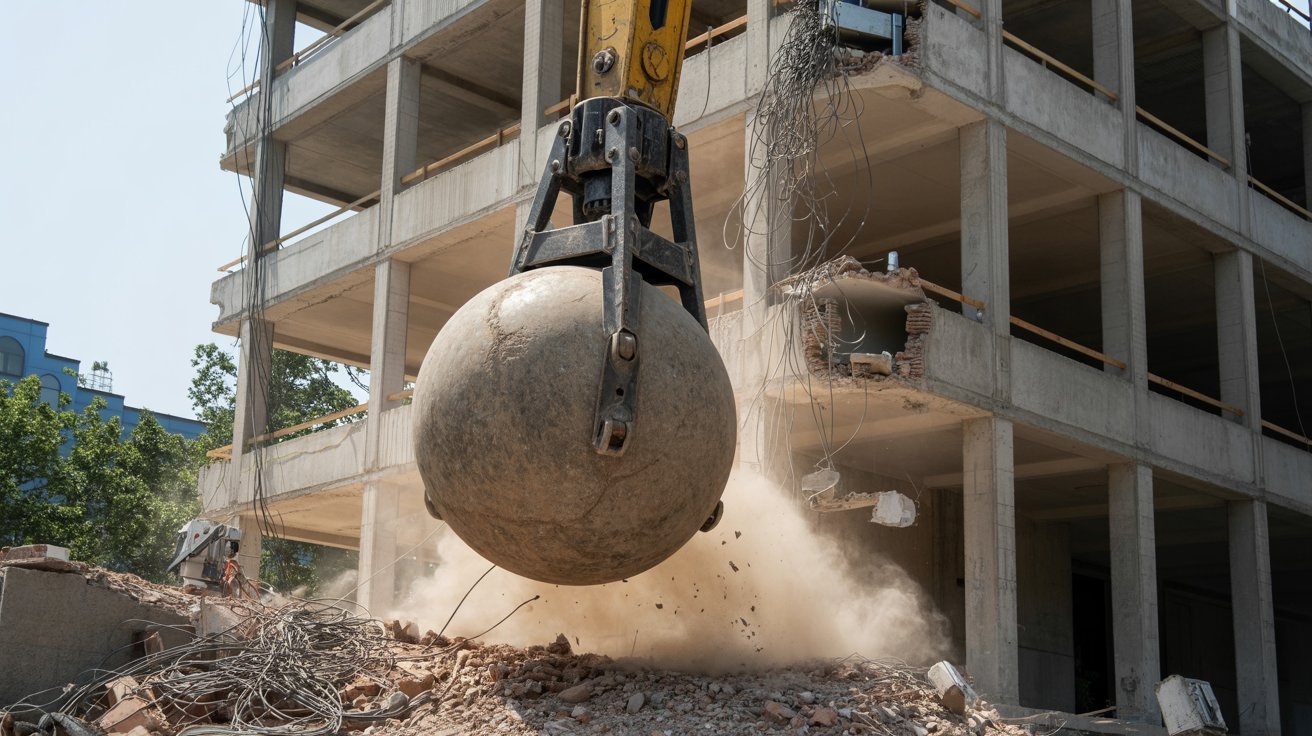
This is one of the oldest demolition methods. A heavy steel ball is swung by a crane into the structure.
It works well for concrete and masonry buildings but requires a lot of space around the site.
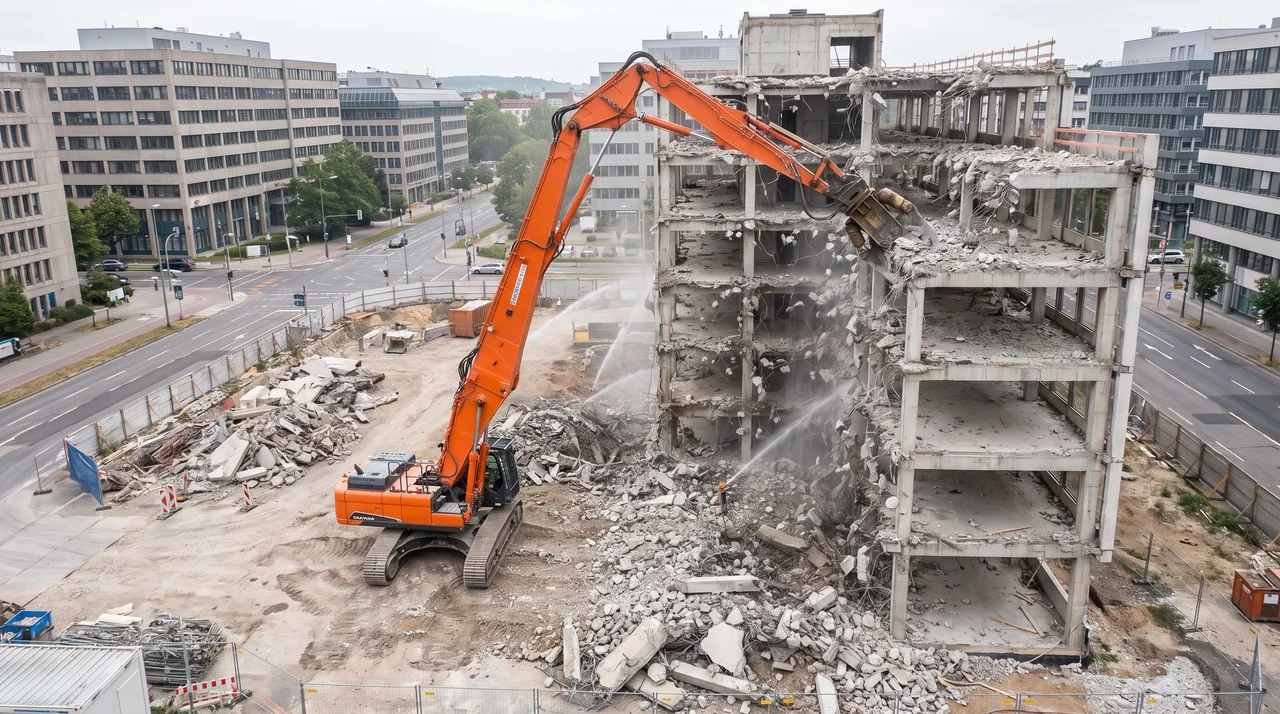
High Reach Excavator Method
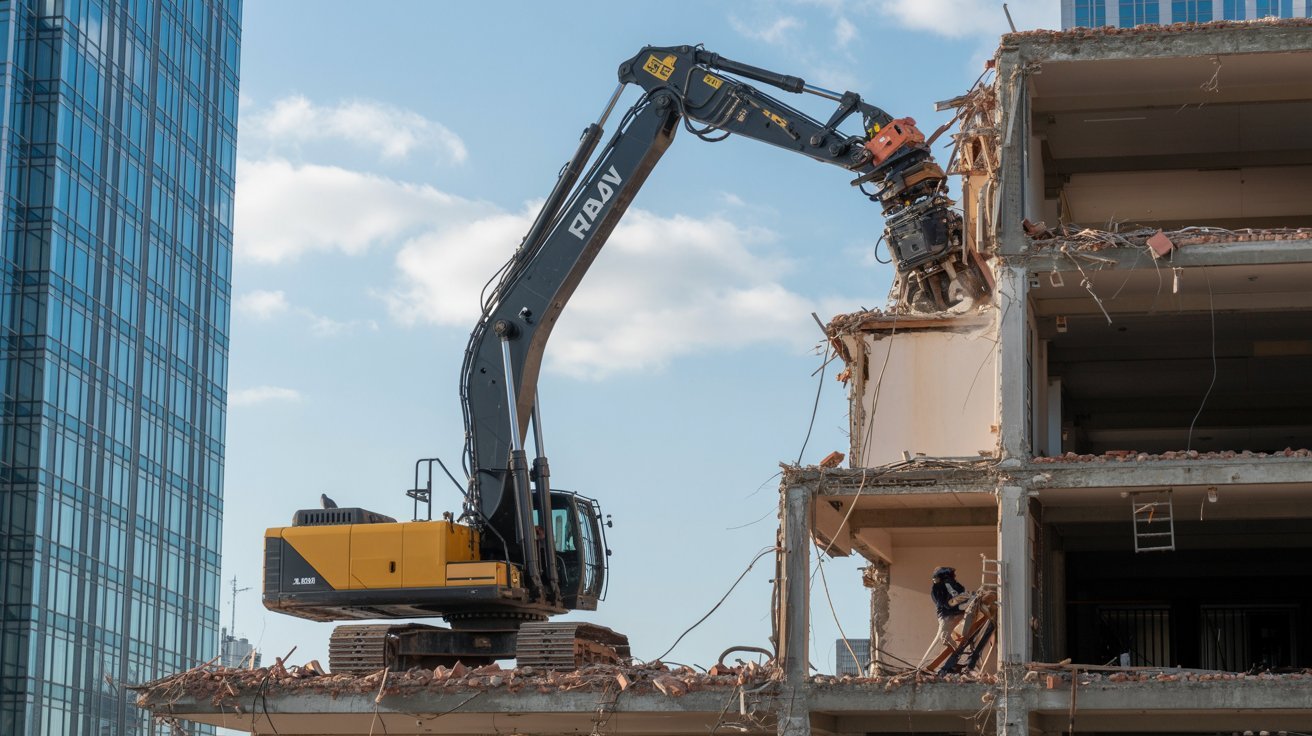
A high reach excavator uses long arms fitted with crushers or shears to break down tall buildings piece by piece.
This method gives more control and is safer for sites near other structures.
Explosive Demolition
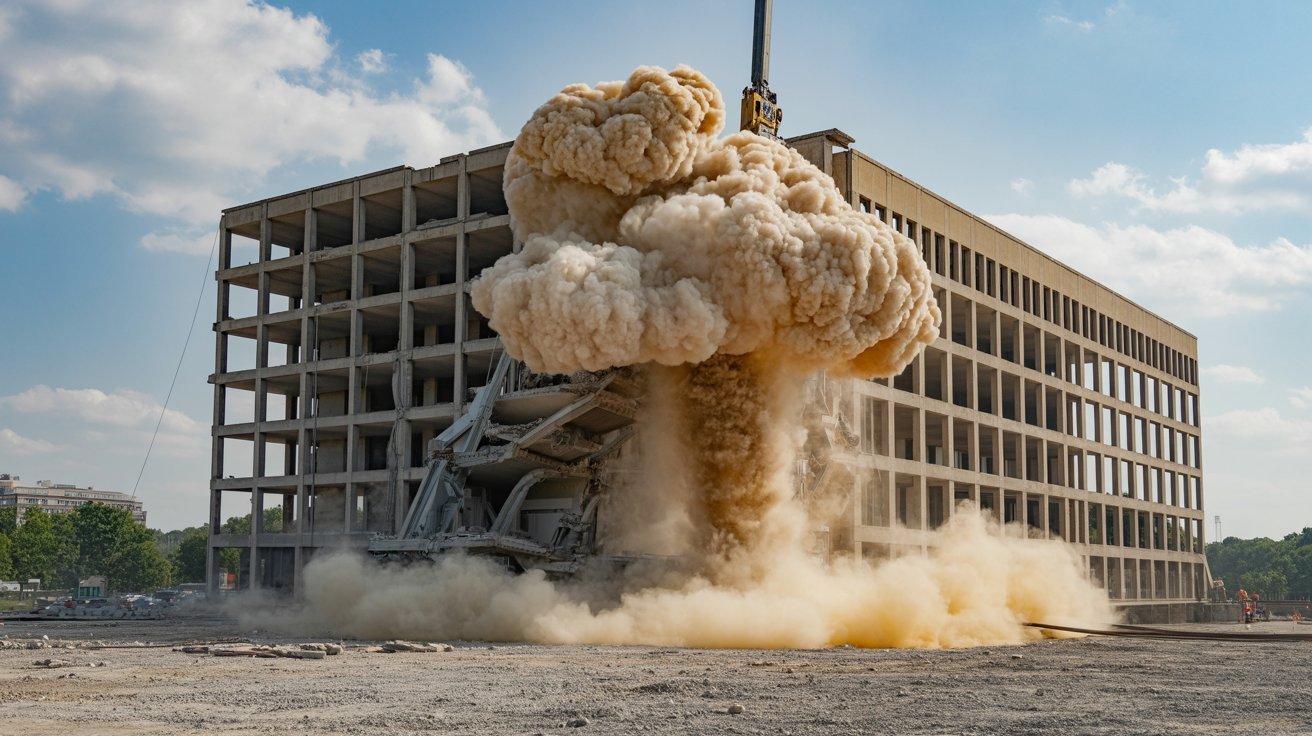
Also called implosion, this method uses carefully placed explosives to bring down a building in seconds.
It is used for very large structures and requires detailed engineering work to make sure the building falls in a controlled direction.
Dismantling Method
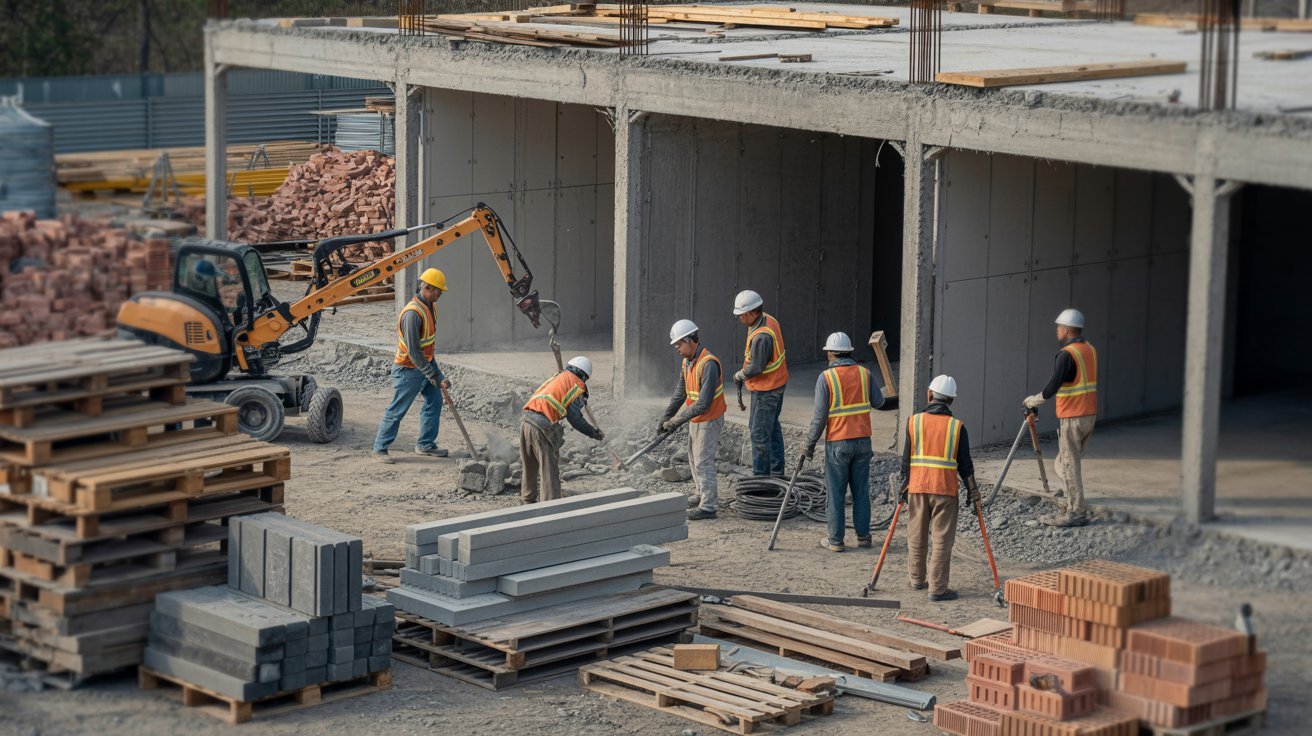
Dismantling involves taking a structure apart section by section, usually by hand or with small equipment.
This method is used when materials need to be saved or when the site is too tight for heavy machinery.
Materials Recovered During Demolition
Demolition does not always mean waste. A good amount of material can be recovered and reused.
Reusable Materials
Items like bricks, steel beams, doors, windows, and timber can often be removed carefully and reused in other projects. This saves money and reduces the need for new raw materials.
Recycling Construction Waste
Concrete can be crushed and recycled as aggregate for new construction. Metals are melted down and reused.
Even wood and glass can be recycled through the right facilities. Responsible demolition teams sort materials on site to maximize recovery.
Challenges in Demolition Projects
Demolition comes with a set of real challenges that teams must prepare for:
- Hazardous materials like asbestos, lead paint, or chemicals may be present in older buildings, requiring special removal procedures before any major work begins.
- Limited working space in urban areas makes it harder to use heavy equipment and increases the risk to nearby structures and people.
- Environmental concerns include dust, noise, and waste that can affect surrounding neighborhoods and must be managed through proper controls.
- Structural surprises can occur when a building does not behave as expected during demolition, requiring quick adjustments to the plan.
- Permit and legal delays can slow down projects, especially when local authorities require additional inspections or environmental assessments.
Safety Measures in Demolition
Safety is one of the most important parts of any demolition project.
Here are five key practices that responsible teams follow:
- Worker protection is the top priority. All workers must wear proper personal protective equipment including helmets, gloves, goggles, and safety boots at all times on site
- Dust and noise control measures such as water spraying, barriers, and sound shields help reduce the impact on workers and nearby residents during active demolition
- Structural stability checks are carried out before and during demolition to make sure no unexpected collapses happen that could put workers or bystanders at risk
- Site barriers and exclusion zones are set up around the work area to keep unauthorized people away from falling debris and heavy machinery
- Regular safety briefings keep the entire team updated on the daily plan, risks, and emergency procedures so everyone knows what to do if something goes wrong
Conclusion
Now that you know what demolition is, it is easier to see how much goes into every project.
From planning and methods to safety and material recovery, it is a skilled process that professionals handle with care.
In my experience, people often underestimate how much work happens before the first wall comes down.
If this guide helped you, I'd love to hear your thoughts. Drop a comment below or share this post with someone who's curious about construction. It really helps!
Frequently Asked Questions
What is the main purpose of demolition?
The main purpose of demolition is to safely remove old, damaged, or unwanted structures to make space for new construction or renovations.
Is demolition dangerous?
Demolition can be dangerous if proper safety measures are not followed, which is why trained professionals and strict safety rules are essential.
What happens to materials after demolition?
Many materials like steel, concrete, wood, and bricks can be recycled or reused in other construction projects.
What is the safest demolition method?
The safest method depends on the structure and site conditions, but controlled dismantling and high reach excavators are commonly used for safer demolition.
How long does a demolition project take?
The timeline depends on the size and complexity of the structure. Small projects may take a few days, while large buildings can take several weeks or longer.