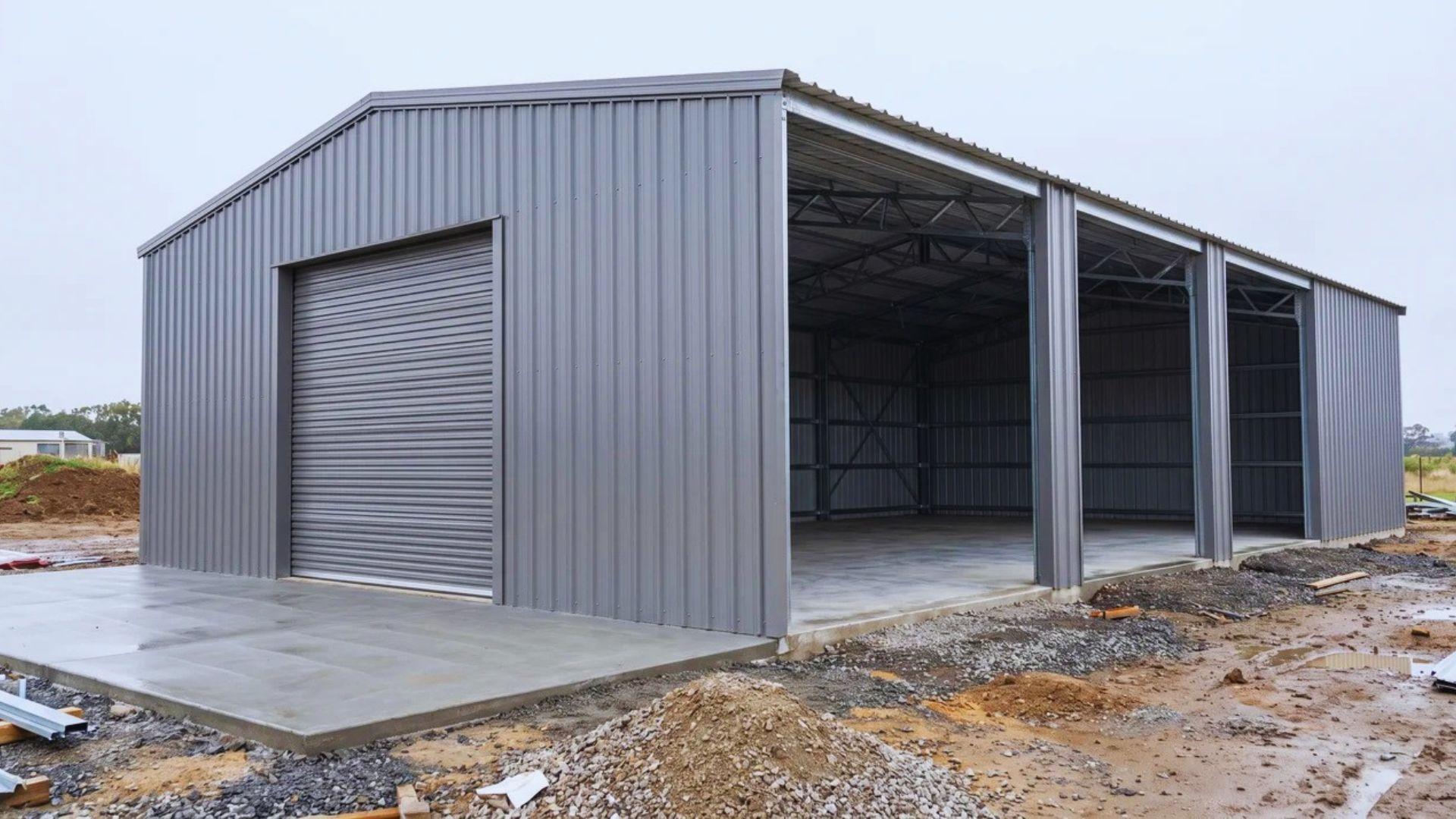
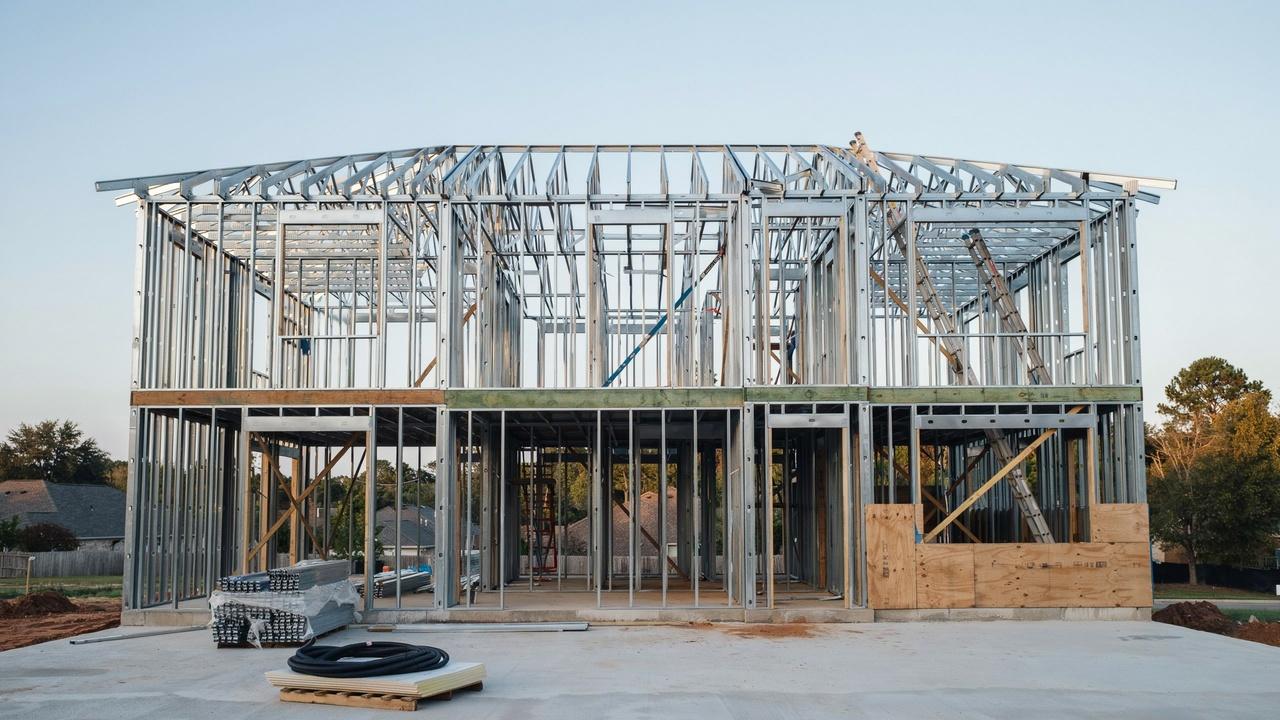
Building with light gauge steel frame construction has changed how contractors and developers approach modern projects.
If you have ever dealt with warped lumber, termite damage, or inconsistent framing dimensions, you already know how frustrating traditional wood framing can be.
This guide walks you through everything you need to know about light gauge steel framing, from how it works and what it costs to insulation, building codes, and real tips for better results on site.
Having worked closely with framing systems across residential and commercial projects, I can tell you that choosing the right material early saves time, money, and serious headaches down the road.
What Is Light Gauge Steel Frame Construction?
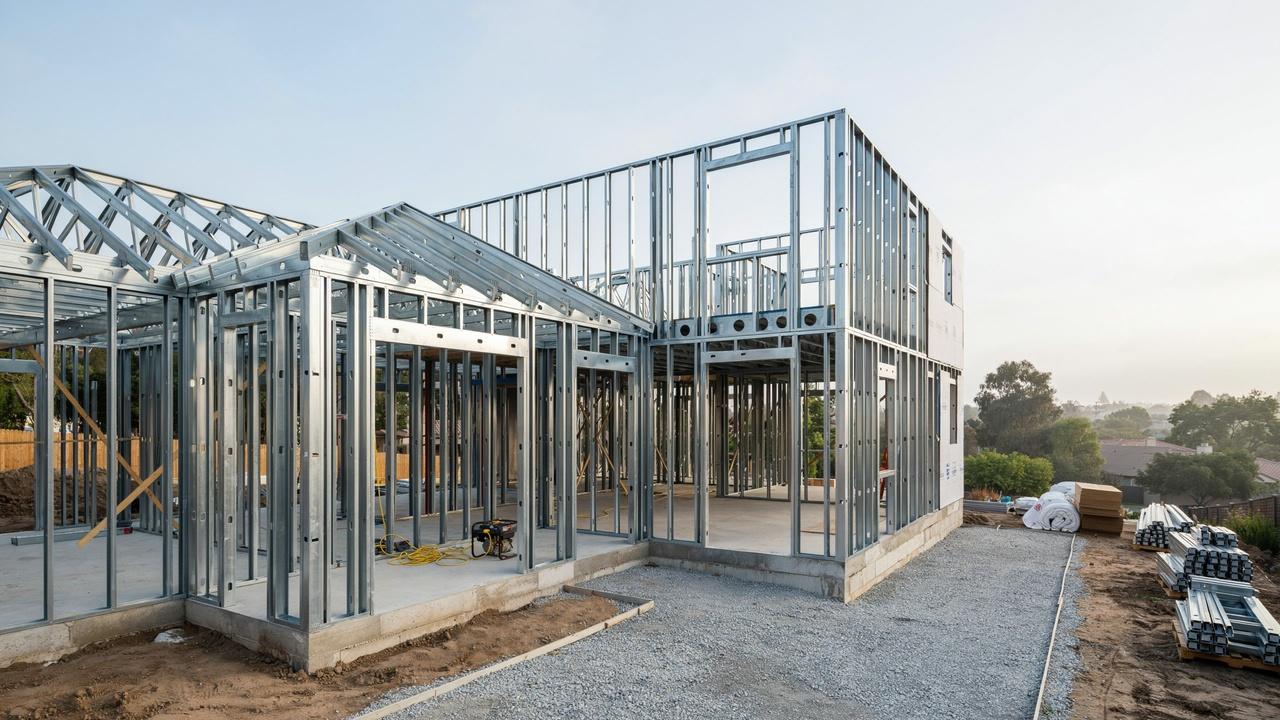
Light gauge steel frame construction uses thin, cold-formed steel sections to build the structural skeleton of a building. Cold-formed steel and light gauge steel mean the same thing.
The steel is shaped at room temperature into C-sections, U-channels, and Z-profiles using a roll forming machine, making it thinner and lighter than structural hot-rolled steel used in bridges or heavy industrial buildings.
Light gauge steel is built for wall, floor, and roof framing, not heavy load-bearing columns.
You will find it in homes, apartments, hotels, schools, healthcare facilities, and retail stores, as well as in modular and prefabricated building systems where speed and precision are priorities.
How Does Light Gauge Steel Frame Construction Work?
Steel members are cut to length, punched with utility holes, and assembled using screws or welds.
Walls are framed with vertical studs placed inside horizontal tracks at the top and bottom. Floors use joists, and roofs use rafters or trusses, all made from cold-formed steel sections.
The framing system is designed using structural calculations that account for loads, span lengths, and local building code requirements.
Load-bearing walls carry axial loads from floors and roofs above, while curtain walls handle only lateral wind pressure without carrying vertical structural loads.
In many projects, panels are prefabricated off-site and then installed on-site, which speeds up the build significantly.
Connections between members are made using self-drilling screws, bolts, or welds depending on the load requirements.
Screw type, size, and spacing are determined by the structural engineer for each connection point. Bracing is added to resist lateral forces from wind and seismic activity.
What Components Are Used in Light Gauge Steel Framing?
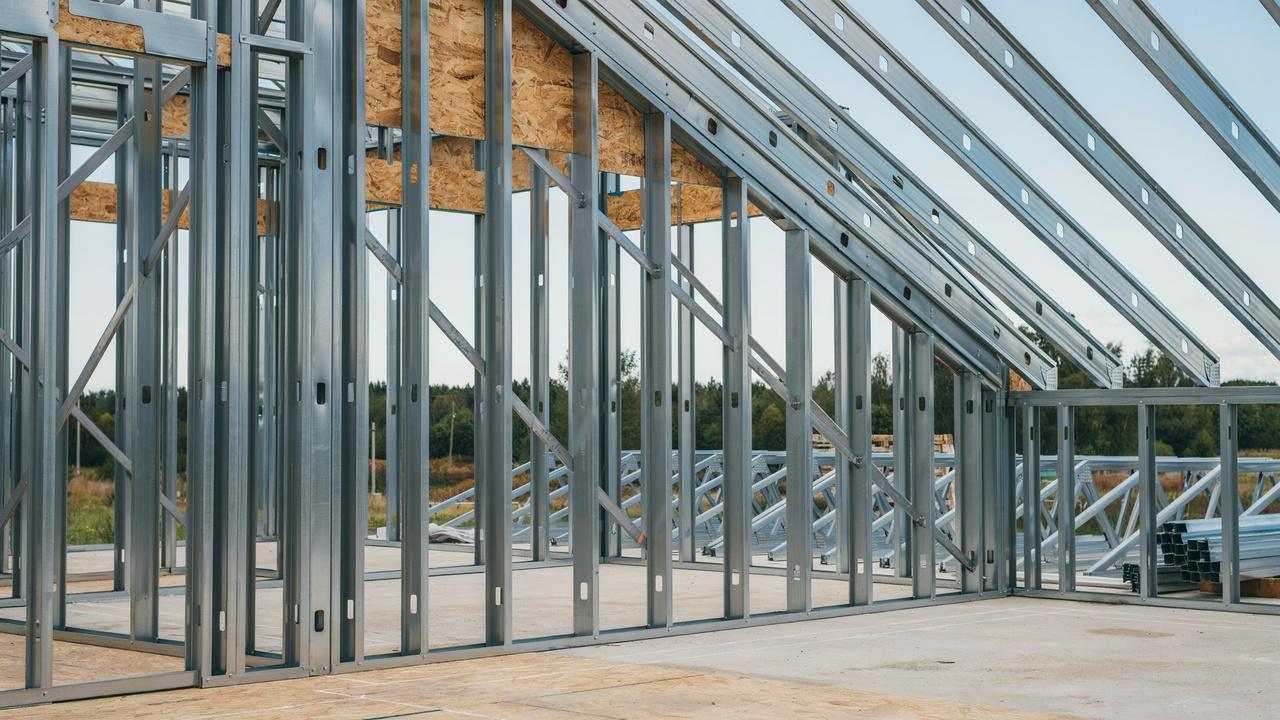
Every light gauge steel framing system relies on a set of standard components that work together to create a stable, load-bearing structure.
Steel Studs and Tracks
Studs are the vertical members in wall framing. Tracks are the horizontal channels at the top and bottom of the wall that hold the studs in place.
Both are C-shaped or U-shaped and come in standard widths of 2.5 inches, 3.5 inches, and 6 inches depending on wall thickness and structural requirements.
Joists, Rafters, and Trusses
Joists span horizontally to support floors or ceilings. Rafters are used in sloped roof framing. Cold-formed steel trusses are prefabricated assemblies used for roof structures.
These components are engineered to carry specific loads over specific spans, and they must be selected based on structural design documents.
Bracing, Clips, and Connectors
X-bracing and strap braced shear walls are the two most common methods for resisting lateral loads in light gauge steel buildings.
Diagonal steel straps are installed in an X-pattern between studs to transfer wind and seismic forces down to the foundation.
Deflection clips and drift clips are used in curtain wall systems to allow the wall to move vertically with floor deflection without transferring that load into the non-structural framing.
Clips and connectors tie studs to tracks, joists to beams, and walls to foundations, playing a big role in overall structural performance, especially in high-wind and seismic zones.
Fasteners and Structural Sheathing
Self-drilling screws are the standard fastener for light gauge steel. Screw connection design specifies the exact type and spacing for each joint based on the loads it must carry.
Structural sheathing, such as oriented strand board or steel strap bracing, adds lateral strength to wall panels.
Protective Coatings and Corrosion Protection
Most light gauge steel used in framing is galvanized, meaning it has a zinc coating applied during manufacturing.
Common coating designations include G40, G60, and G90, with higher numbers indicating thicker zinc protection.
The required designation depends on the exposure conditions of the project, and structural engineers specify the minimum coating level for each application.
What Are the Benefits of Light Gauge Steel Frame Construction?
Light gauge steel frame construction brings real advantages to a project when used correctly.
- Steel members are cut and punched to exact dimensions at the factory using roll forming machines, so crews spend less time measuring and cutting on site, which speeds up the overall build.
- Steel does not warp, shrink, or swell like wood, meaning every piece arrives at the exact size specified and material waste stays low throughout the project.
- Steel does not attract termites and does not rot over time, making it a reliable choice in humid climates or regions with heavy pest activity.
- Steel does not burn, so it will not add fuel to a fire the way wood does, which can positively affect fire ratings and insurance classifications for certain building types.
- Light gauge steel can be fabricated into almost any shape or profile, giving designers the flexibility to build complex geometries and custom panels that go up quickly on site.
What Are the Disadvantages of Light Gauge Steel Framing?
Light gauge steel framing comes with trade-offs that need to be considered before committing to it on any project.
- Steel studs create thermal bridges that lower wall R-values, often requiring added exterior insulation to meet energy codes.
- Higher insulation needs mean thicker wall assemblies and increased overall project cost.
- Galvanized steel resists but isn't immune to corrosion cut ends and drilled holes are especially vulnerable in humid or coastal environments.
- Not all framing crews know how to work with steel, and inexperienced installation can lead to connection errors and code violations.
- In many markets, light gauge steel costs more upfront than wood, both in materials and qualified labor.
How Much Does Light Gauge Steel Frame Construction Cost?
Understanding what drives the cost of light gauge steel framing helps you plan a realistic budget from the start.
Material Costs vs. Labor Costs
Steel material costs are tied to commodity steel prices, which fluctuate. Labor costs depend on crew experience, project complexity, and regional wage rates.
In markets where steel framing is common, labor costs are more competitive. In areas dominated by wood framing, finding trained crews may cost more.
Factors That Affect Steel Framing Costs
Steel gauge, section size, span lengths, and connection complexity all affect material costs.
Projects with complex geometries, many openings, or high lateral load requirements will need more connectors, bracing, and engineering time, all of which add to the cost.
Multi-story buildings up to six stories may require heavier gauge sections and more robust shear wall systems, which affects both material and engineering costs.
How Project Size and Design Affect the Budget
Larger projects benefit from economies of scale. Ordering larger quantities of steel reduces per-unit costs.
Simple, repetitive floor plans cost less to frame than custom designs with many corners, curves, or large openings. Prefabricated panel systems can reduce labor costs significantly on larger jobs.
Ways to Optimize Steel Framing Costs
- Plan the framing layout before finalizing the design to reduce waste
- Use prefabricated panels where possible to cut site labor time
- Order materials in bulk to take advantage of volume pricing
- Coordinate mechanical, electrical, and plumbing routing with framing to avoid costly rework
- Work with an experienced steel framing contractor from the start of the design phase
Is Light Gauge Steel Framing Good for Residential Construction?
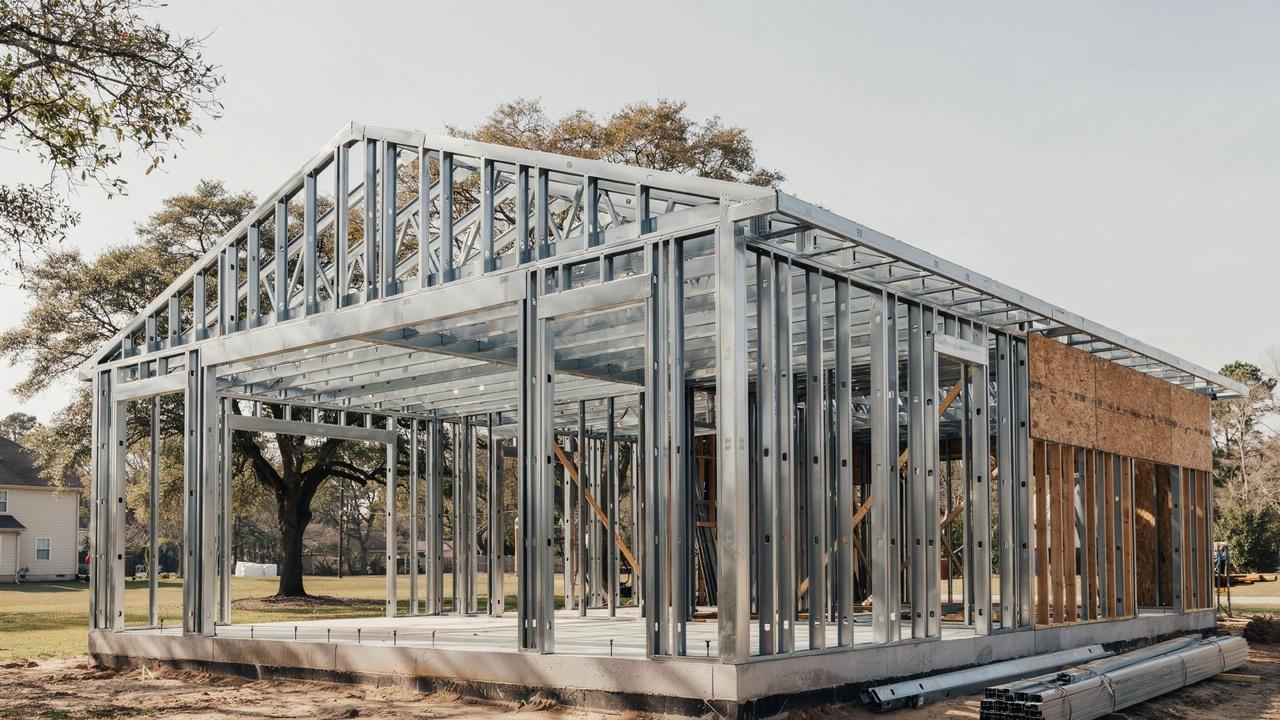
Yes, light gauge steel framing works well for residential construction, especially in multi-family buildings, custom homes, and regions where wood is expensive or prone to pest damage.
For single-family homes, wood framing is still more common in most North American markets because it costs less upfront and local labor is more readily available.
However, light gauge steel is gaining ground in residential construction, particularly in the southern United States, Australia, and other markets where termites and humidity create long-term problems for wood structures.
Steel-framed homes require thoughtful insulation design, but when done correctly, they perform well and last for decades without the maintenance issues associated with wood.
How Can Light Gauge Steel Frame Construction Improve Construction Efficiency?
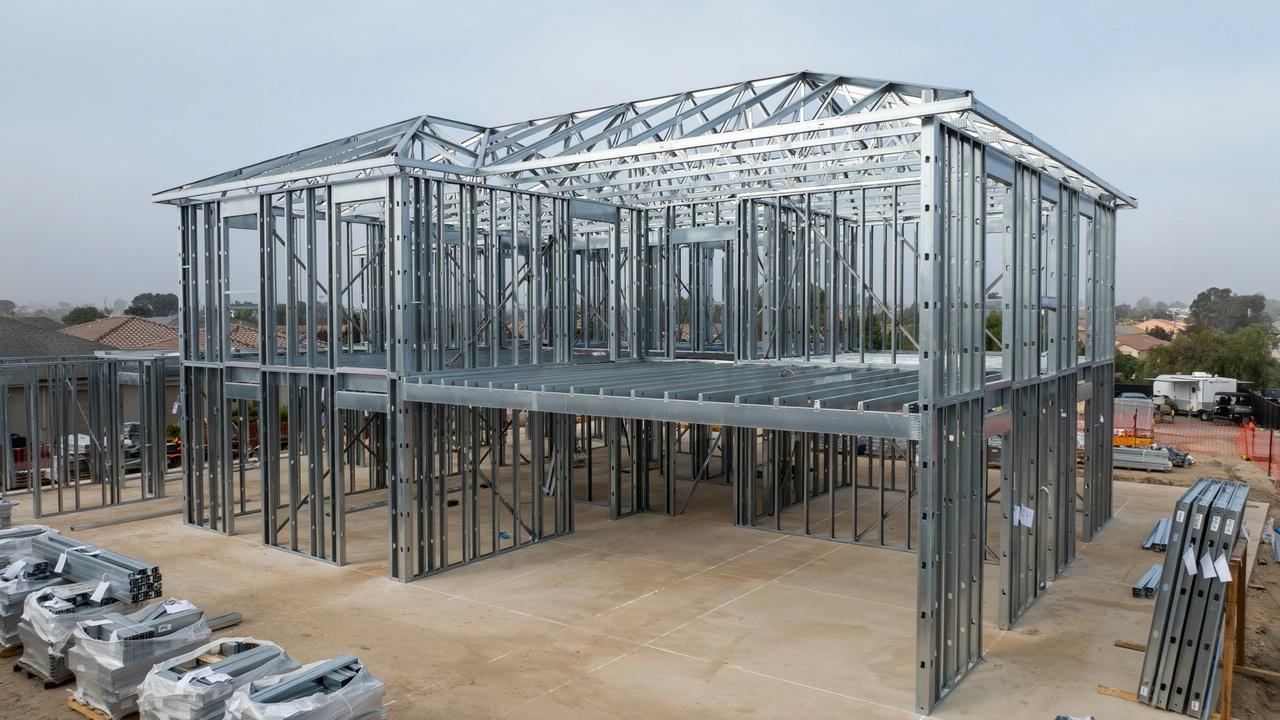
A well-planned steel framing system can cut weeks off your build schedule and reduce waste significantly.
Use Prefabrication and Panelization
Panels built in a controlled factory environment are more accurate and take less time to install than stick-framing on site.
Panelization reduces weather delays and cuts the number of workers needed on-site during framing.
Roll forming machines at the fabrication facility produce members at high speed with consistent dimensions, which makes panel production faster and more reliable.
Coordinate Trades Before Framing Begins
Steel studs come with pre-punched utility holes, but not every hole will line up with every pipe or duct.
Coordinating mechanical, electrical, and plumbing routes with the framing layout before installation begins prevents rework and avoids cutting structural members.
Use Accurate Takeoffs and Digital Design
Software tools like CAD, BIM, and Revit plugins allow you to plan the framing layout digitally before ordering materials.
Accurate takeoffs reduce over-ordering and minimize waste. Some fabricators can produce cut lists directly from BIM models, further streamlining production.
Reduce Cutting, Rework, and Material Waste
Ordering members cut to length from the fabricator is faster and more accurate than cutting on site.
Fewer cuts mean less waste, fewer errors, and less cleanup. This also reduces the skill level required for installation, which can improve labor availability.
Plan Openings and Utility Routes in Advance
Window and door openings, HVAC chases, electrical panels, and plumbing walls should all be planned before the framing layout is finalized.
Making changes after framing is installed is time-consuming and expensive.
How Do You Insulate a Light Gauge Steel Frame?
Getting insulation right in a steel-framed building is one of the most important steps for energy performance and occupant comfort.
Steel conducts heat about 400 times more efficiently than wood, so every stud creates a direct thermal pathway that reduces your wall's effective R-value.
Adding continuous exterior insulation (ci) on the exterior face of the framing is the most effective fix, as it breaks the thermal bridge at every stud location without interruption.
Cavity insulation between studs helps, but thermal break strips between the stud flange and sheathing are also needed to reduce direct metal contact.
Sealing all gaps and penetrations with a continuous air barrier keeps moisture out and protects the framing long term.
What Building Codes Apply to Light Gauge Steel Framing?
Light gauge steel framing is regulated by several codes and standards that vary by location and building type.
IRC Requirements for Residential Steel Framing
The International Residential Code includes provisions specifically for cold-formed steel wall, floor, and roof framing.
These provisions cover material requirements, corrosion protection levels, fastening schedules, and applicability limits for prescriptive design.
For US residential projects, the IRC is typically the starting point for code compliance.
AISI Standards for Cold-Formed Steel
The American Iron and Steel Institute publishes the standards that govern the design and construction of cold-formed steel framing in the United States.
AISI S100 covers structural design, while AISI S240 and S400 cover prescriptive and structural framing standards respectively.
These documents are referenced by the IRC and IBC and are required reading for engineers working with steel framing.
Structural Design, Wind, Snow, and Seismic Requirements
In high-wind, heavy-snow, or seismically active regions, light gauge steel framing must be engineered to handle those specific loads.
Shear wall design, including strap braced systems, must be calculated for the specific lateral forces at each building location.
Standard prescriptive tables may not apply, and a licensed structural engineer may need to design the framing system from the ground up.
When Professional Engineering Is Required
Professional engineering is required when the project falls outside the prescriptive limits of the code, when the building is in a high-hazard zone, or when the structural design is complex.
Even when engineering is not strictly required by code, having a structural engineer review the framing design is a sound investment.
Better Results From Light Gauge Steel Frame Construction
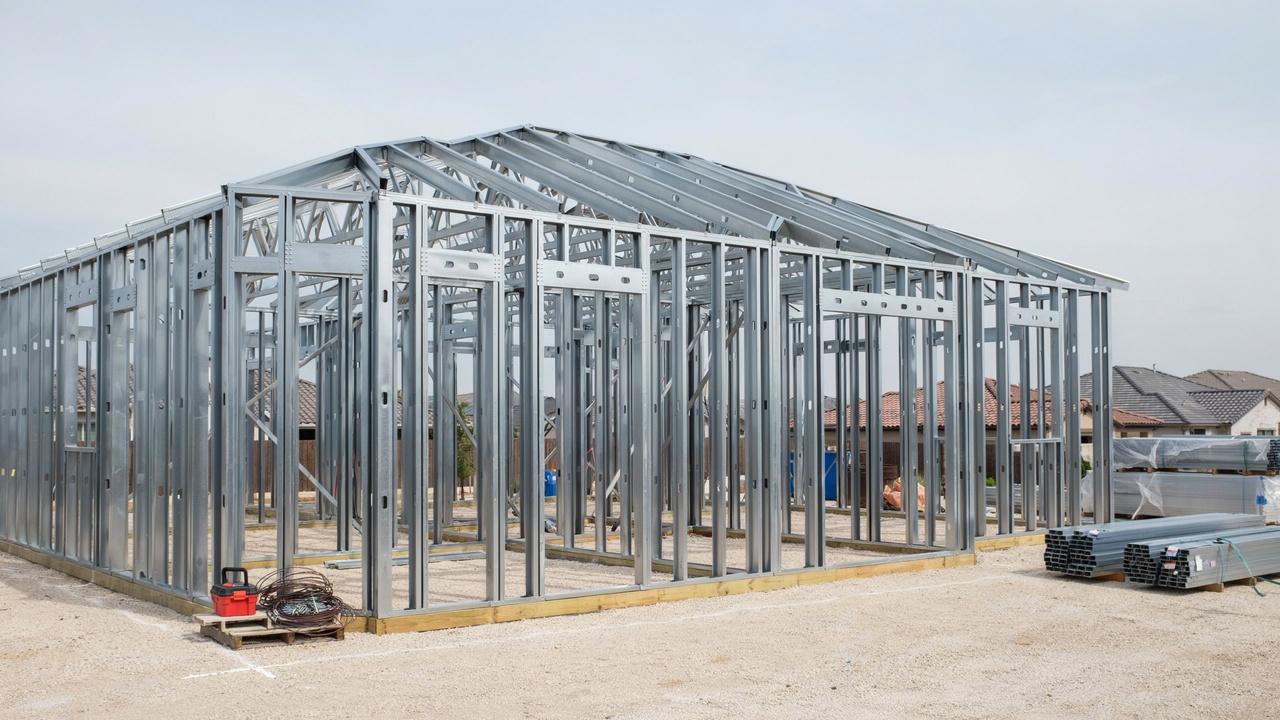
Small decisions made early in a project have a big impact on the finished product.
Always select steel gauge, section depth, and yield strength based on actual structural loads, since over-specifying wastes money and under-specifying creates safety risks.
Plan every connection, clip, and bracing detail before installation begins, as this is where most framing errors happen.
Protect cut edges and drilled holes with cold-galvanizing compounds and keep steel dry during construction.
Design the insulation and framing systems together early, since that decision affects wall thickness and cladding details.
Always inspect framing thoroughly before walls are closed to catch problems early.
Is Light Gauge Steel Framing Right for Your Project?
The answer depends on your project type, budget, location, and long-term priorities.
Choose Steel When Speed, Consistency, and Pest Resistance Matter
If you are building in a termite-prone region, managing a multi-family project with tight schedules, or working on a building that demands tight dimensional tolerances, light gauge steel framing is worth serious consideration.
Its consistency, durability, and compatibility with prefabrication make it a strong performer on the right projects.
Consider Wood When Low Initial Cost and Local Availability Matter
In markets where lumber is cheap, readily available, and local crews are trained to work with it, wood framing often wins on cost and speed.
For small residential projects in those markets, switching to steel may not offer a strong return on the additional investment.
Consider a Hybrid Framing Approach for Specific Needs
Some projects use wood framing for most of the structure and steel framing where it offers specific advantages, such as in fire-rated corridors, long-span floor systems, or areas with high pest pressure.
A hybrid approach lets you use each material where it performs best.
Conclusion
Light gauge steel frame construction is a practical, reliable choice for builders who value speed, consistency, and long-term performance.
It handles pest pressure, dimensional accuracy, and prefabrication better than wood in many situations.
The key is planning carefully, choosing the right materials, and working with crews who know the system.
If this guide helped you think through your framing decision, share it with your team, leave a comment with your questions below, or explore the related articles on building systems and construction planning on this site. The right framing choice starts with the right information.
Frequently Asked Questions
Can light gauge steel framing be used below grade or in contact with concrete?
Direct contact with concrete is not recommended. Steel should be separated from concrete using moisture barriers or treated plates to prevent corrosion over time.
How long does light gauge steel framing last compared to wood?
When properly installed and protected from moisture, light gauge steel framing can last 50 to 100 years or more with minimal maintenance.
Do I need special tools to work with light gauge steel framing?
Yes. You will need a screw gun with appropriate bits, aviation snips, a track saw or cold saw, and a layout square designed for steel work.
Can light gauge steel framing be used in earthquake-prone areas?
Yes, but it must be engineered for seismic loads. Standard prescriptive tables may not apply, and a structural engineer will need to design the lateral system.
Is light gauge steel framing recyclable at the end of a building's life?
Yes. Steel is one of the most recyclable building materials available. At demolition, steel framing can be separated and sent directly to recycling facilities.