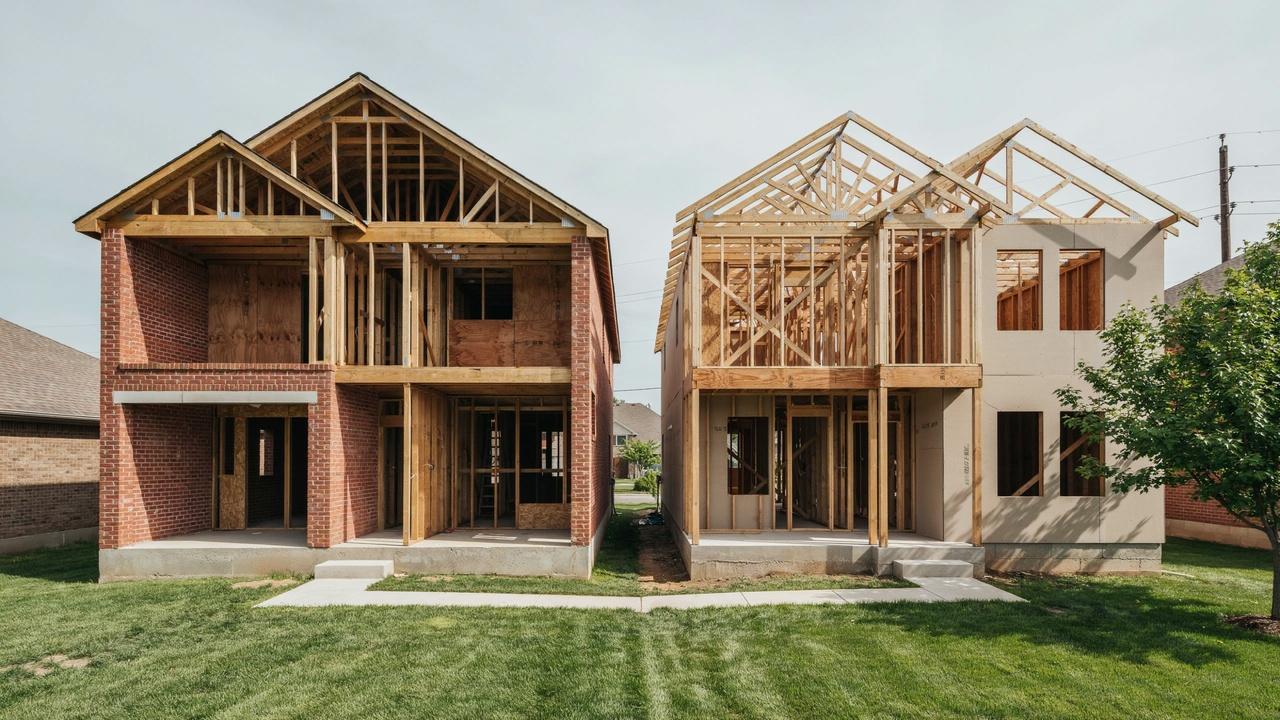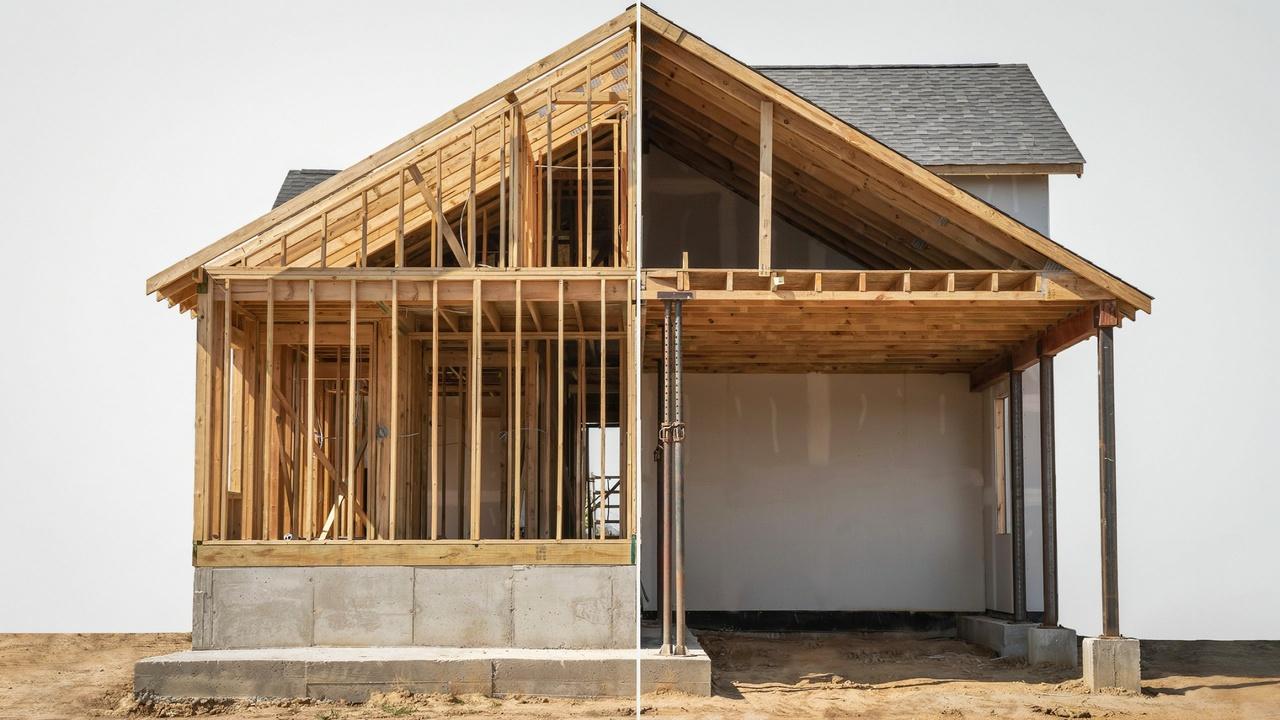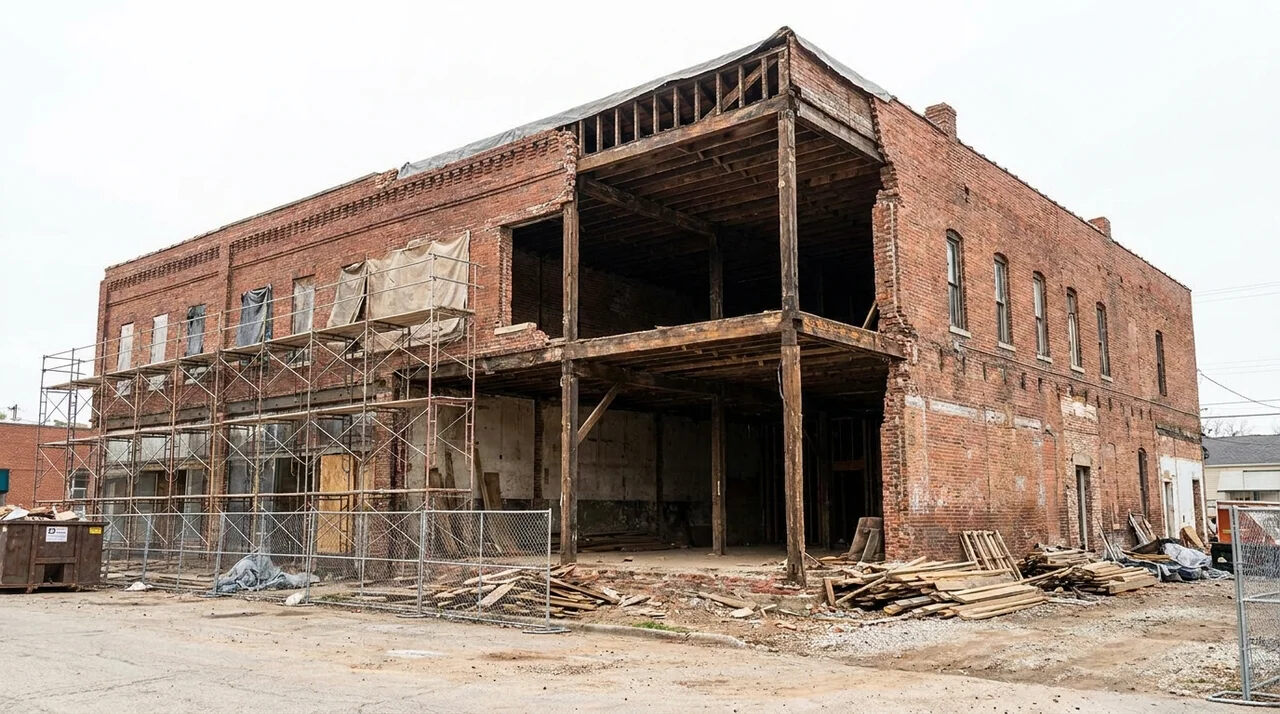
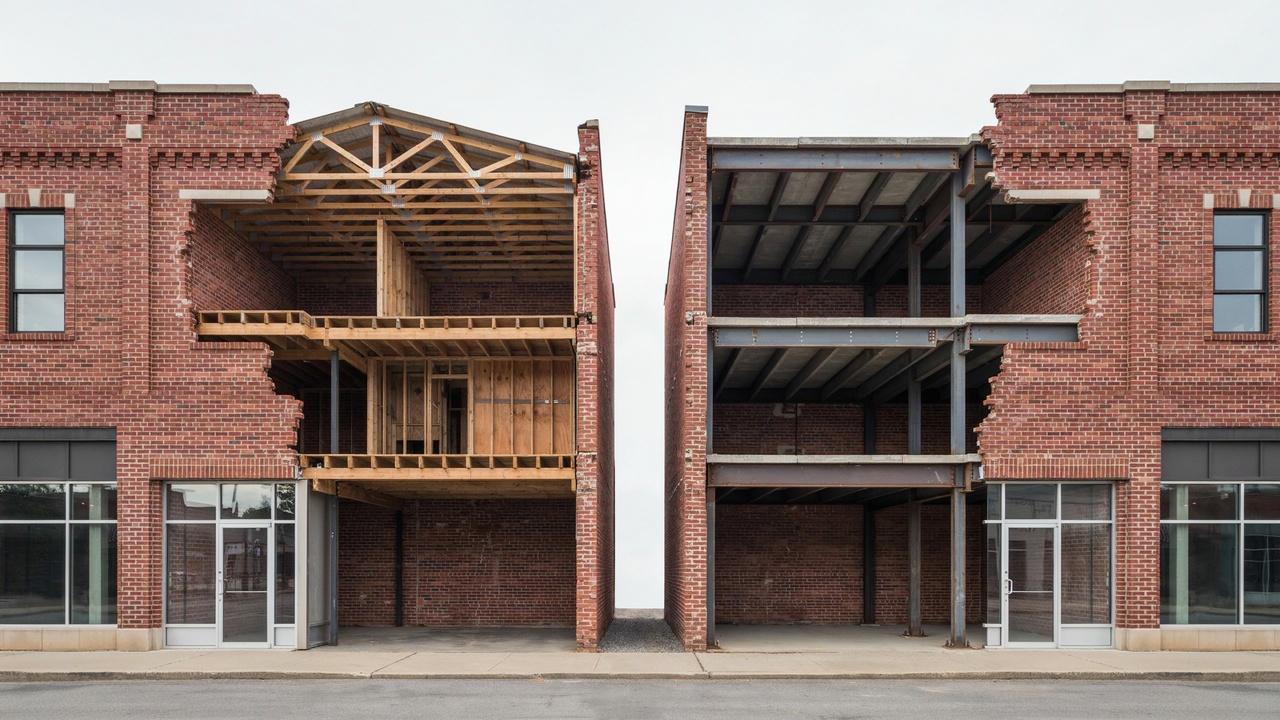
What if a brick building has wood floors and roof framing hidden behind those solid-looking walls? That detail can change how the building is classified and how it responds to fire.
If you’re comparing joisted masonry vs masonry non combustible, I’ll make the difference easy to understand. You’ll learn how their walls, floors, roofs, structural materials, fire resistance, costs, and insurance considerations compare.
I’ll also explain ISO construction classifications, including Class 2 and Class 4, so you can better understand what each label means.
Most importantly, I’ll show you what to check before classifying an existing building or choosing a construction system.
My goal is to help you look beyond the exterior and make a better-informed decision.
What Is Joisted Masonry?
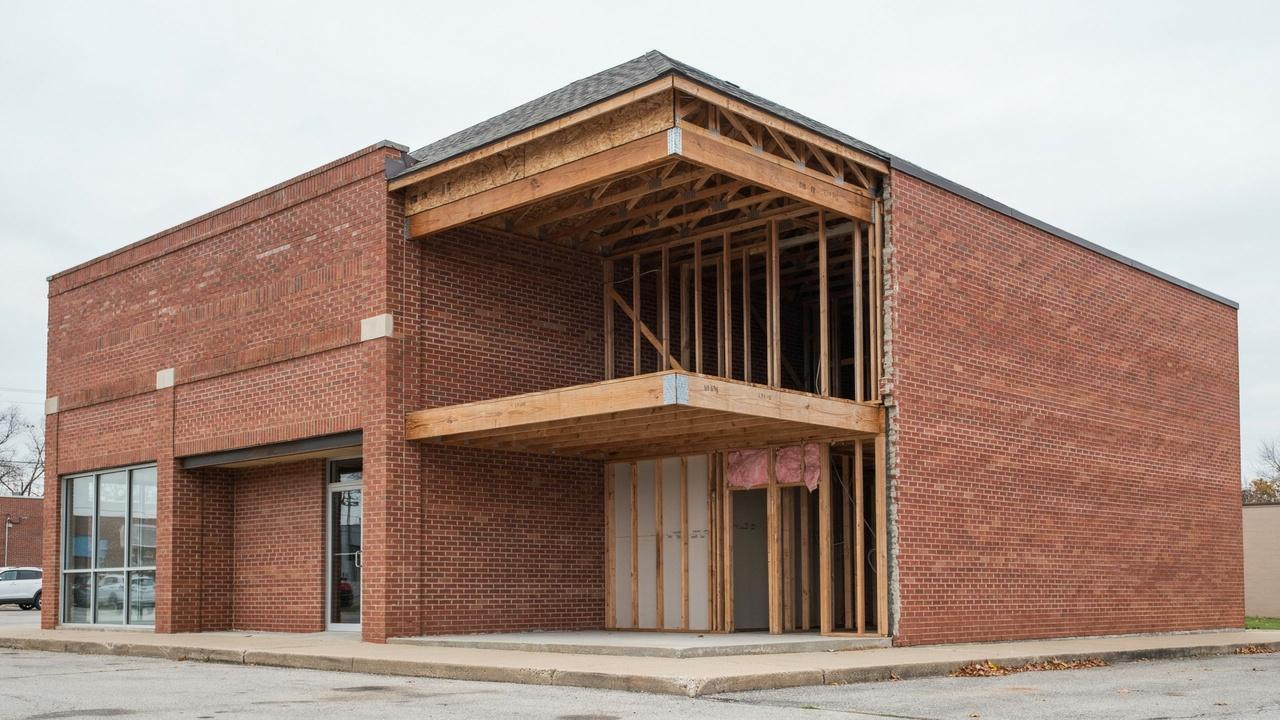
Joisted masonry is a building with masonry exterior or load-bearing walls and combustible wood or similar floor and roof components. In the ISO construction classification system, it is generally identified as Class 2.
The walls may use brick, concrete block, stone, or hollow concrete block. The important point is what sits behind and above those walls.
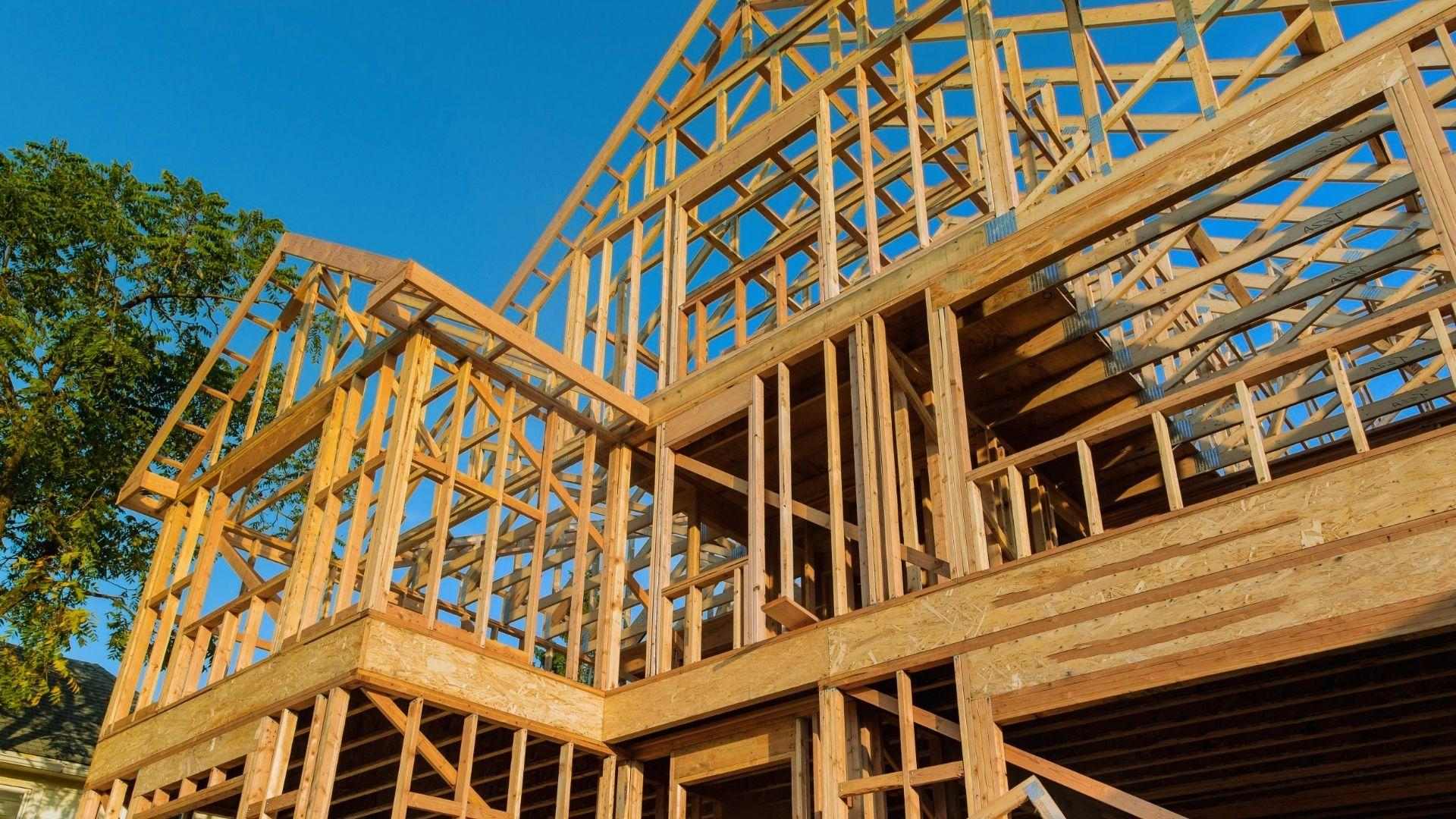
Wood joists, wood roof framing, or other combustible structural parts can increase fire exposure. A qualifying assembly may provide around one hour of fire resistance, but the rating depends on the actual assembly and applicable requirements.
Load-bearing walls may use concrete block, masonry, or reinforced masonry. I would not classify a building from its exterior finish alone. You need to look at its structural frame, floor construction, roof construction, and supporting materials.
What Is Masonry Non-Combustible?
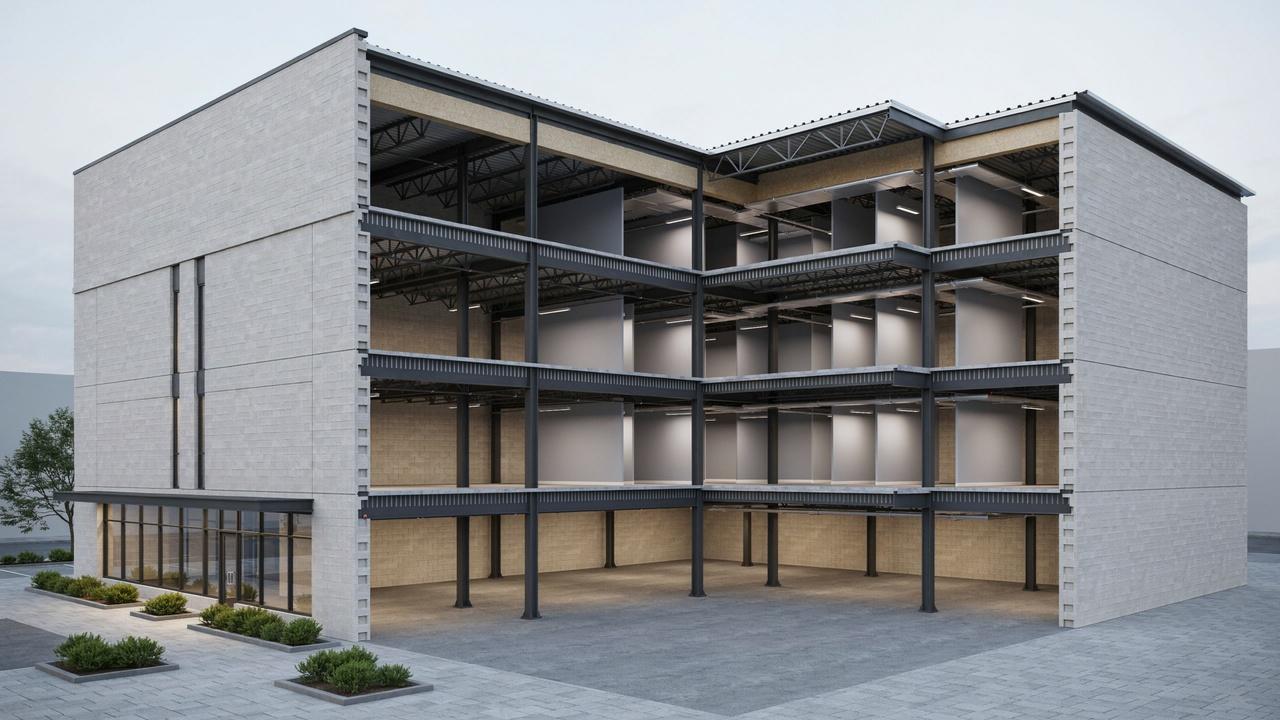
Masonry non-combustible construction uses masonry exterior walls with floors and roofs made from materials that do not readily burn, such as steel or concrete. It is generally associated with ISO Class 4.
Common components include concrete block, reinforced masonry, structural steel, steel decking, concrete floors, and tilt-up concrete in some commercial buildings. The lack of combustible floor and roof framing changes how fire can spread through the structure.
However, non-combustible does not mean fireproof. Steel can lose strength when exposed to high temperatures, and concrete or masonry can suffer damage during a severe fire.
The actual fire-resistance rating depends on the assembly, materials, protection, and applicable building requirements. Class 4 projects commonly have ratings of at least one hour and can reach two hours depending on the construction.
Joisted Masonry vs Masonry Non Combustible
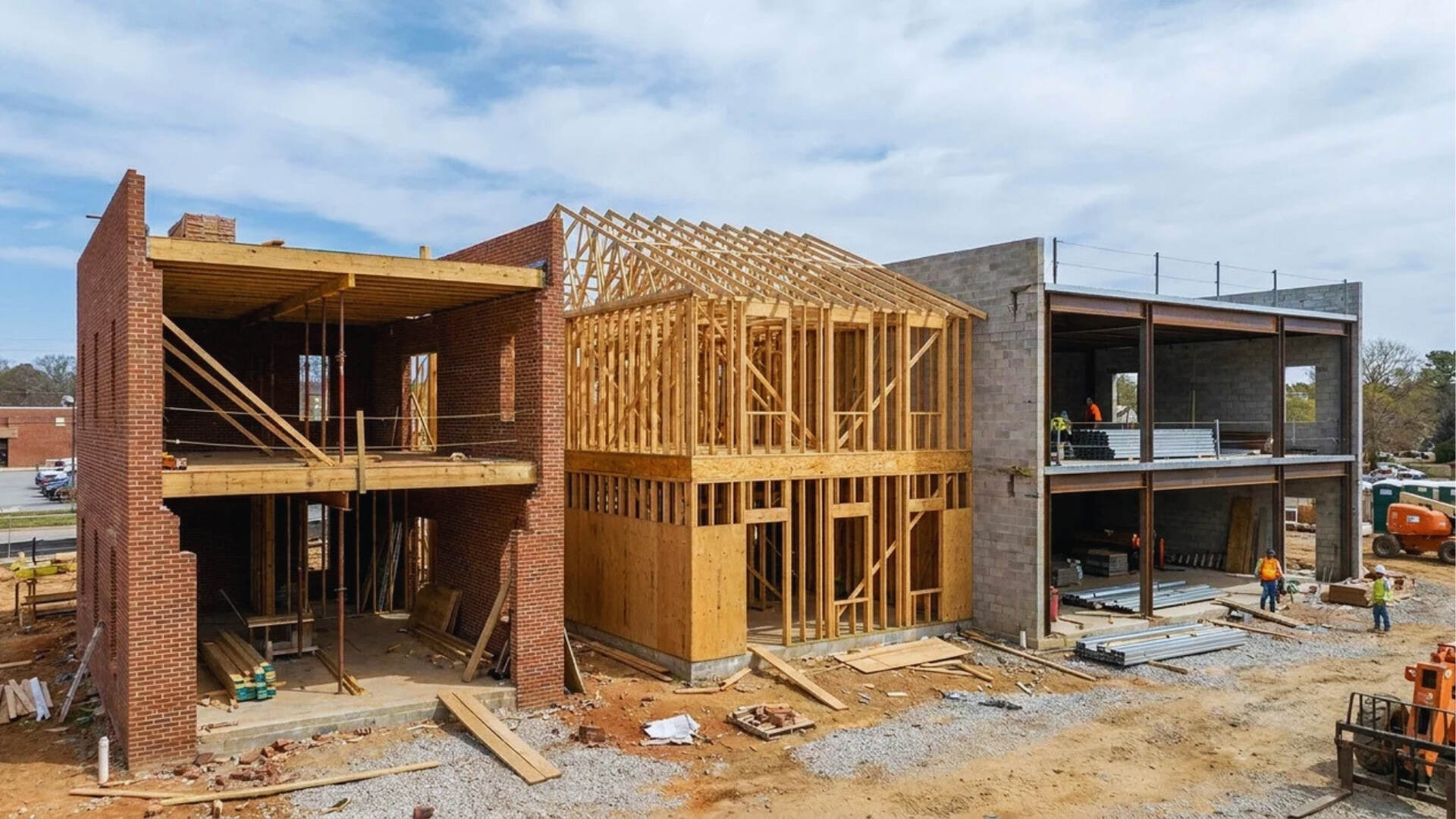
The main difference is simple: both can have masonry walls, but their floor and roof materials create different fire exposures.
| Factor | Joisted Masonry | Masonry Non Combustible |
| ISO classification | Class 2 | Class 4 |
| Exterior walls | Masonry | Masonry |
| Floor/roof construction | Combustible components | Non-combustible components |
| Common structural materials | Wood joists, masonry | Steel, concrete, steel decking |
| Fire risk | Generally higher | Generally lower |
| Fire resistance | Depends on the qualifying assembly | Depends on the qualifying assembly |
| Initial cost | Often lower, but project dependent | Often higher, but project dependent |
| Maintenance | May be higher for combustible structural components | Often lower for structural components |
| Typical applications | Older commercial buildings, small offices, warehouses | Commercial buildings, schools, offices, warehouses |
| Insurance considerations | May present greater fire exposure | May present lower fire exposure |
One important point: Class 4 does not automatically mean lower insurance premiums. Insurers also consider occupancy, location, fire protection, building value, age, condition, claims history, and other underwriting factors. Construction classification can also affect builders risk insurance during a project.
How Fire Resistance Differs
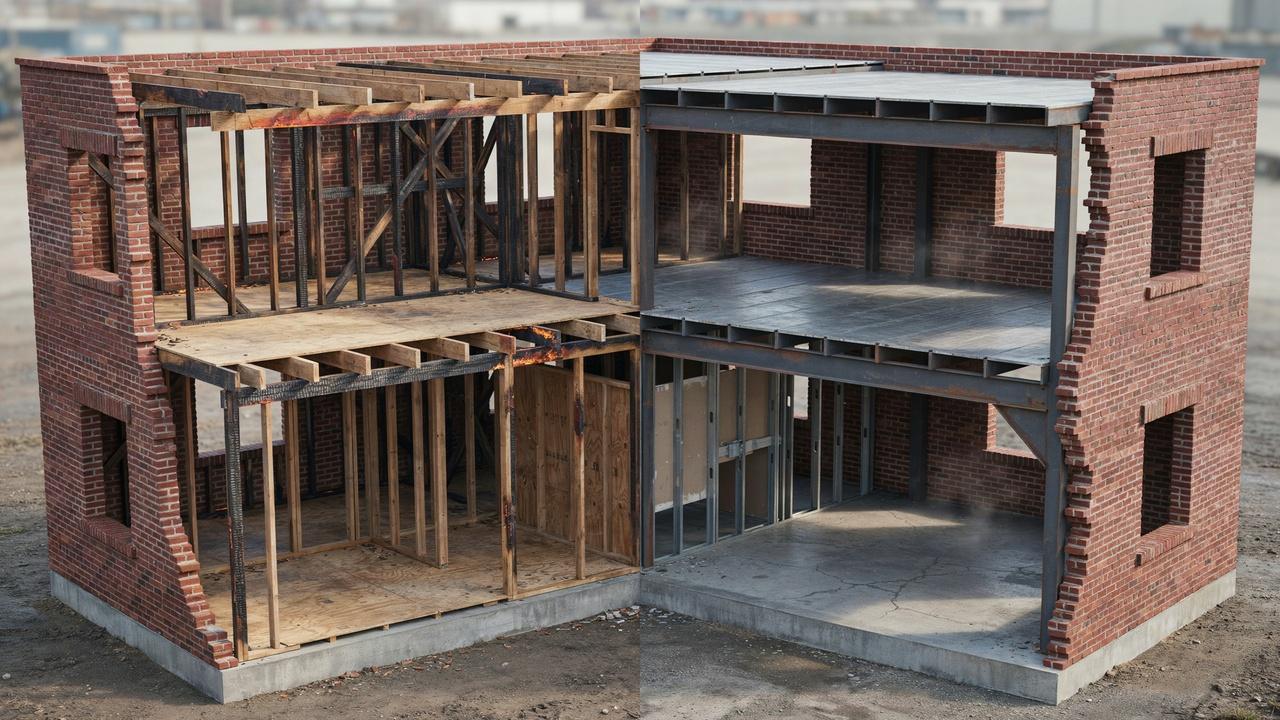
The biggest fire-related difference is the amount of combustible material within the structural system. Wood joists and roof framing can contribute fuel to a fire, while steel, concrete, and steel decking do not burn in the same way.
In joisted masonry, the masonry walls may slow fire movement, but combustible floors and roofs can still support fire spread and structural damage.
In masonry non-combustible construction, the absence of combustible floor and roof framing can reduce available fuel within those components. Still, non-combustible does not mean fire-resistive.
A fire-resistance rating applies to a tested or approved assembly, not simply to one material. Structural steel does not burn, but it can lose strength as temperatures rise.
Concrete and masonry can also crack, spall, or lose capacity during severe fires. This is why the construction material and the fire-resistance rating should be considered together.
Materials Used in Each Construction Type
The materials tell you what separates the two systems, especially when the exterior walls look similar.
Joisted Masonry Materials
Joisted masonry combines masonry wall materials with combustible structural components.
- Brick: Common masonry wall material.
- Concrete block: Used for exterior or load-bearing walls.
- Stone: Found in some older or specialty structures.
- Wood joists: Support floors and can contribute combustible content.
- Wood roof framing: Common in buildings using this construction approach.
- Reinforced masonry: Can be used in qualifying load-bearing wall systems.
- Other qualifying masonry materials: The exact materials depend on the building design and classification requirements.
Masonry Non Combustible Materials
Masonry non-combustible construction pairs masonry walls with structural materials that do not readily burn.
- Concrete block: Often used for exterior or load-bearing walls.
- Reinforced masonry: Adds structural capacity to masonry walls.
- Steel framing: Provides structural support without combustible wood framing.
- Steel decking: Common in commercial floor and roof systems.
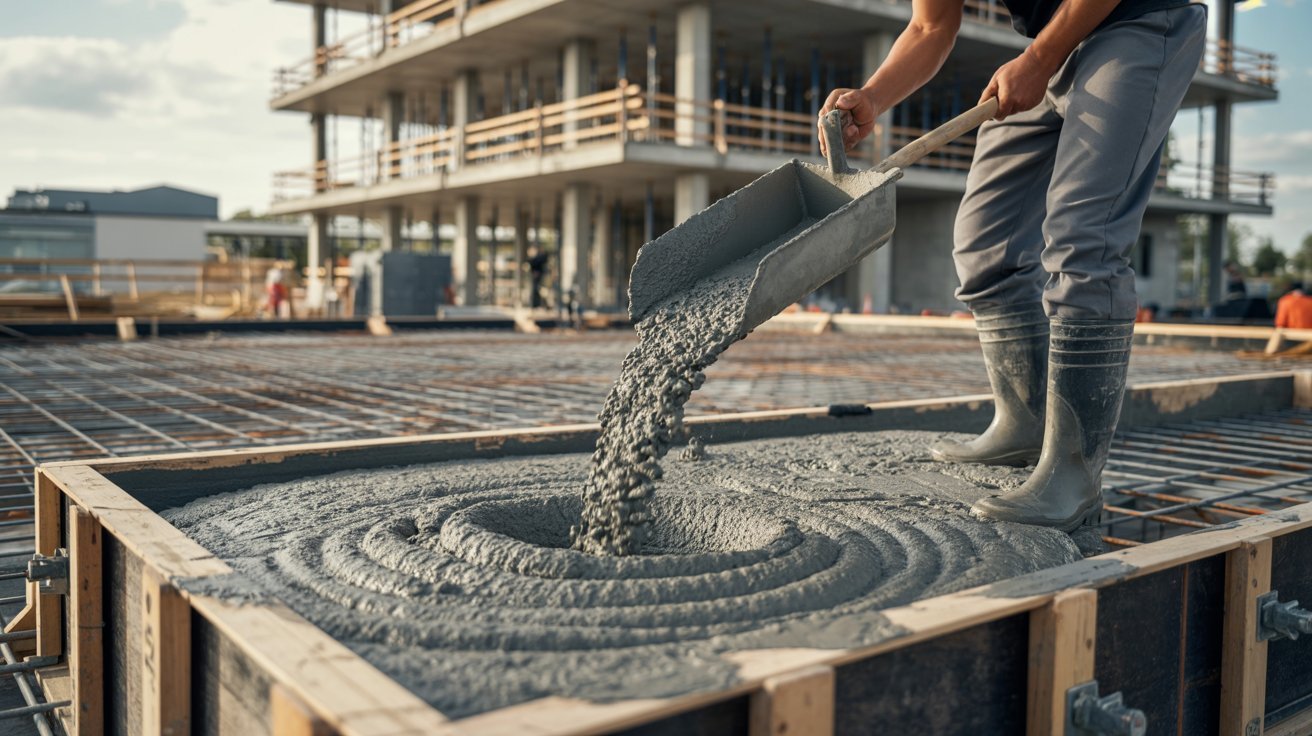
- Concrete floors: Provide a non-combustible floor system.
- Tilt-up concrete: Used in some commercial and industrial buildings.
Where Are These Construction Types Used?
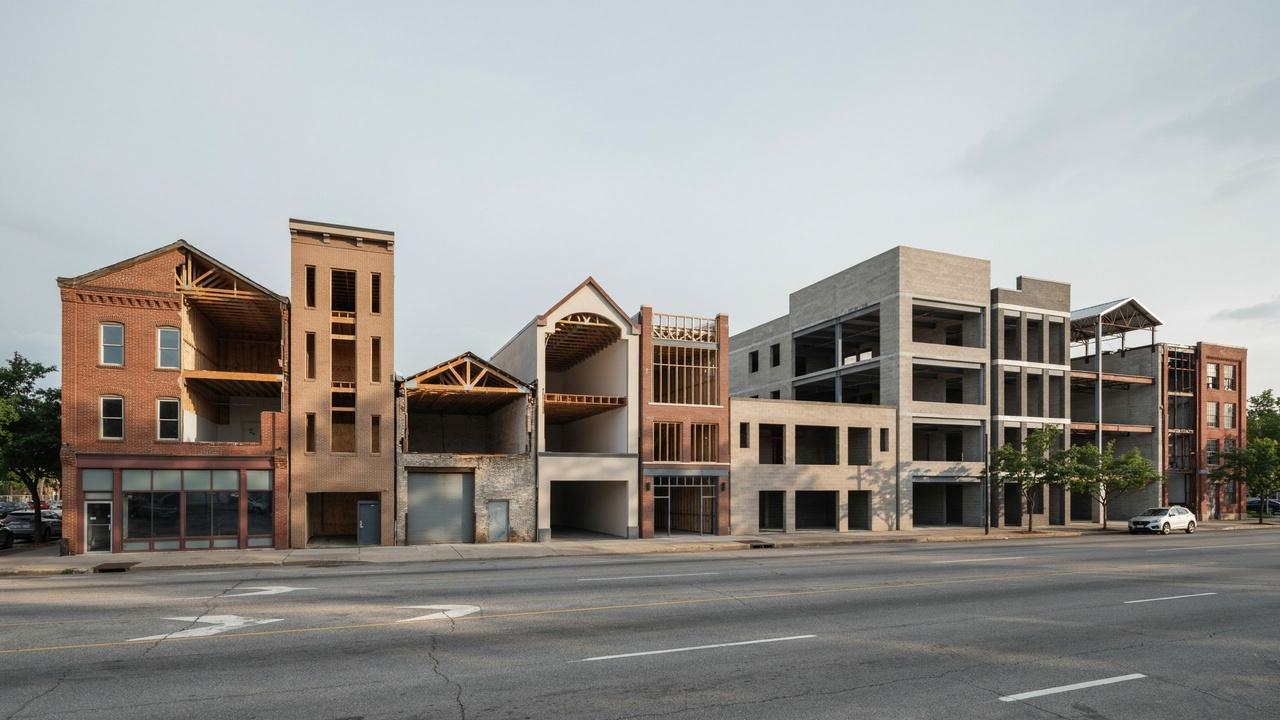
Both construction types can appear in commercial buildings, but the structural systems and building age often differ. The exterior appearance alone does not tell you the classification.
Joisted masonry may appear in older commercial buildings, small offices, retail properties, warehouses, and other low-rise structures.
Some ranking sources also identify small residential buildings, apartments, shops, and similar properties. Masonry non-combustible construction is common in shopping centers, schools, offices, warehouses, manufacturing facilities, and larger commercial structures.
I would check the actual structural components before assigning a classification. A brick exterior does not automatically make a building masonry construction.
The same applies to steel or concrete. Frame construction can also use brick veneer or metal cladding while remaining classified as frame because of its structural system.
Cost, Maintenance, and Long-Term Value
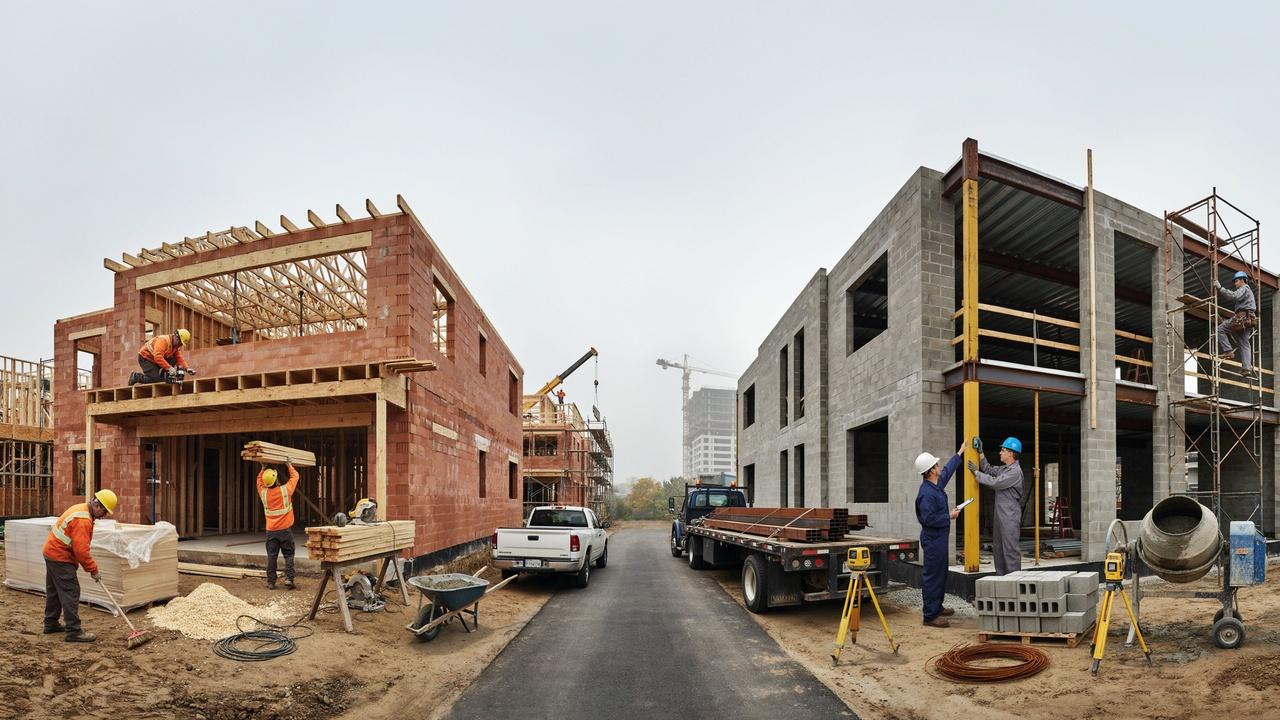
Neither construction type is always cheaper. Your total cost depends on the building design, local labor rates, material prices, code requirements, project size, and existing conditions.
Joisted masonry can have a lower initial cost in some low-rise projects because wood components may cost less or be easier to source. However, combustible structural components can affect repair needs after fire, water, or other damage.
Masonry non-combustible construction may require higher upfront spending for steel, concrete, or related systems, but those materials can provide long service life when properly designed and maintained.
When I compare the two, I would look beyond the first construction bill. Material availability, labor, repairs, durability, building use, and total ownership costs all matter before making a final decision. The cost of specialized labor should also be considered when steel or concrete systems are involved.
How Construction Type Affects Insurance
Construction classification can affect insurance underwriting because insurers assess how a building may respond to fire and other losses. A structure with combustible floor or roof components can present a different exposure from one using non-combustible materials.
Insurers may consider construction classification when reviewing builders risk insurance or commercial property coverage. ISO classification considers building elements such as the walls, floor, roof, and structural frame, along with fire-resistance ratings.
Other factors can include:
- Occupancy and how the building is used
- Location and surrounding exposures
- Sprinkler and fire alarm systems
- Building value and replacement cost
- Building age and physical condition
- Previous claims history
- Protective systems and risk controls
A Class 4 classification does not guarantee cheaper insurance. I would ask the insurer or broker how the specific property will be rated rather than assuming the classification determines the premium.
Joisted Masonry vs Masonry Non-Combustible vs Other Construction Types
The table below compares the main construction classifications by structural materials, combustibility, and typical fire performance.
| Construction Type | Primary Structural Materials | Combustibility | General Fire Performance | Common Examples |
| Joisted Masonry | Masonry exterior walls with wood floor and roof systems | Partly combustible | Moderate; wood structural members can contribute to fire spread | Older brick commercial buildings, low-rise masonry buildings |
| Masonry Non-Combustible | Masonry walls with steel or other non-combustible structural members | Non-combustible | Better than joisted masonry, but depends on fire protection | Warehouses, commercial buildings, low-rise offices |
| Frame Construction | Wood or other combustible structural framing | Combustible | Generally lower fire resistance unless protected | Wood-frame houses, apartments, small commercial buildings |
| Modified Fire-Resistive | Steel, concrete, or masonry with added fire protection | Limited combustibility | Higher fire resistance than non-combustible construction | Mid-rise commercial and institutional buildings |
| Fire-Resistive | Reinforced concrete, protected steel, or similarly protected systems | Non-combustible | Highest level of fire protection among these classifications | High-rise buildings, hospitals, major commercial structures |
The key difference is how the building’s structural components respond to fire, so the applicable ISO or building-code classification should always be verified for the specific project.
Joisted Masonry vs Masonry Non Combustible: Which Is Better?
There is no single winner. The better choice depends on your building size, design, fire goals, budget, and structural requirements.
Joisted masonry may make sense when:
- Lower upfront cost is an important project goal.
- The building is low-rise.
- Existing construction already uses this system.
- Local requirements allow the proposed design.
Masonry non-combustible construction may make sense when:
- Reducing combustible structural materials is a priority.
- Greater fire resistance is needed from the selected assemblies.
- Steel or concrete fits the building design.
- Long-term durability is an important consideration.
- A larger commercial structural system is required.
I would make the choice from the full project requirements, not from the wall material alone. Building use, occupancy, location, code requirements, structural design, fire protection, budget, and insurance needs should all be reviewed together.
What Should You Check Before Choosing?
Before you choose a construction type, check the building requirements from several angles rather than focusing only on materials.
- Codes and fire ratings: Check local building codes, adopted requirements, and required fire-resistance ratings.
- Building size and use: Review height, area, occupancy, and how the space will be used.
- Structural design: Confirm the required floor, roof, wall, and support systems with the project design team.
- Budget and availability: Compare material costs, labor, schedule, and local supply.
- Insurance and existing conditions: Check insurer requirements and inspect existing construction when renovating.
Also ask what materials are used in the structural frame, load-bearing walls, floors, and roof. These details help confirm the actual construction classification instead of relying on the exterior appearance.
One missed detail can change the classification or project requirements. For an existing building, construction documents, field inspection, and professional review can help confirm what is actually in place.
Conclusion
If I had to simplify joisted masonry vs masonry non combustible, I would start with one question: What are the floors and roof made of? Masonry walls alone do not tell the full story.
Joisted masonry includes combustible structural components, while masonry non-combustible construction uses non-combustible floor and roof materials.
I would check the building code, structural design, fire rating, budget, and insurance requirements before choosing either system.
If this comparison helped you, share it with someone reviewing a construction project or leave a comment with your question.
Frequently Asked Questions
Can a brick building be classified as joisted masonry?
Yes. A brick exterior does not determine the classification because the floor, roof, and structural components also matter.
Is masonry non-combustible construction fireproof?
No. Non-combustible materials do not readily burn, but severe heat can weaken steel, damage concrete, and reduce structural capacity.
Does joisted masonry always cost less to insure than non-combustible masonry?
No. Insurance pricing also depends on occupancy, location, fire protection, building value, condition, and claims history.
4. How can I tell the construction class of an existing building? Check construction documents and inspect the walls, floors, roof, and structural frame with a qualified professional rather than relying on exterior appearance.