That wall you're staring at could be holding your entire house up. Remove it wrong and you're looking at sagging floors, cracked ceilings, and a repair bill that runs into the tens of thousands.
Load bearing wall construction is one of those topics where a little knowledge protects a lot of money. Most people only think about it when they're mid-renovation and something goes wrong. That's too late.
This article covers everything you need before you touch anything: what load-bearing walls are, how they work, how they're built, and what actually happens when you try to modify one. No fluff.
No jargon. Just clear, practical information that keeps your building standing and your budget intact.
Let's get into it.
What Is Load Bearing Wall Construction?
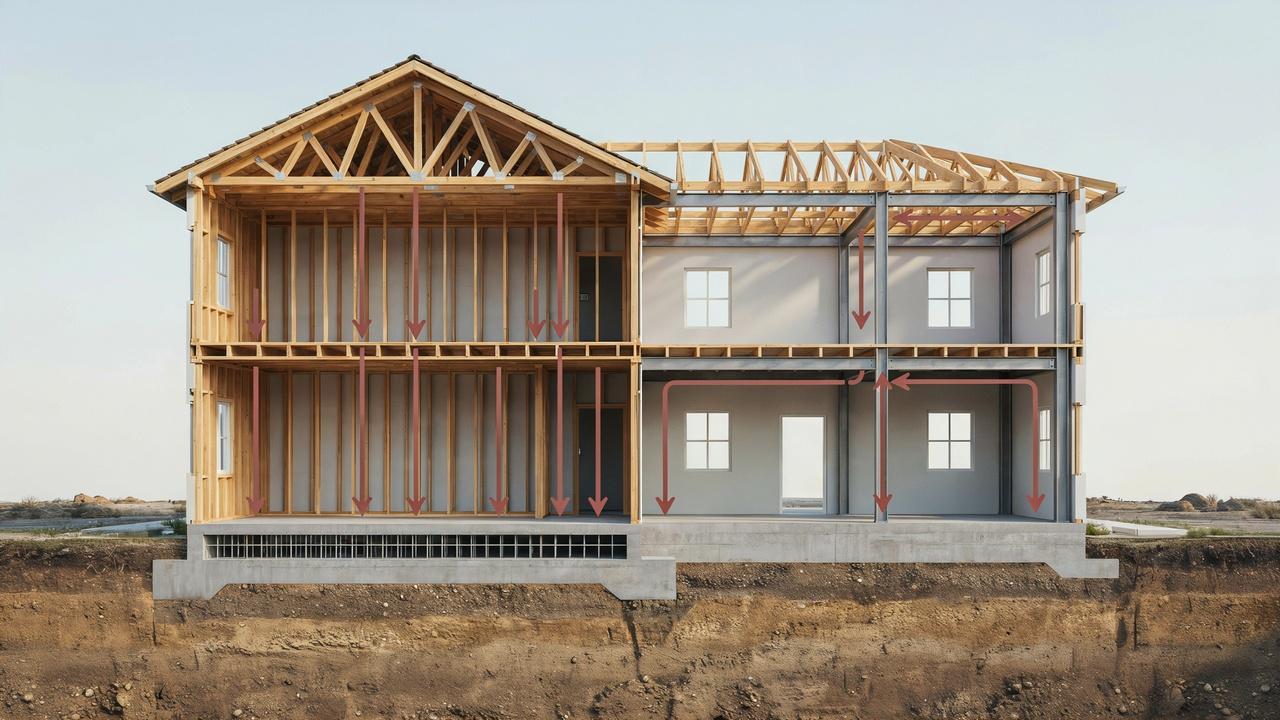
A load-bearing wall is a structural element designed to support loads from above and transfer them safely to a foundation or other supporting structure.
These loads may come from floors, roofs, beams, joists, slabs, or additional walls, depending on the building design.
Load bearing wall construction involves selecting appropriate materials, determining wall placement, and designing connections and foundations so the wall integrates into the building’s structural system.
It must be engineered to handle expected loads and maintain a continuous load path to the ground.
Common materials include timber, masonry, and reinforced concrete, with choices based on structural requirements, soil conditions, and design specifications.
The key difference between a load-bearing wall and a partition wall is function: load-bearing walls support structural loads, while partition walls only divide interior spaces without carrying significant weight.
How Does a Load-Bearing Wall Work?
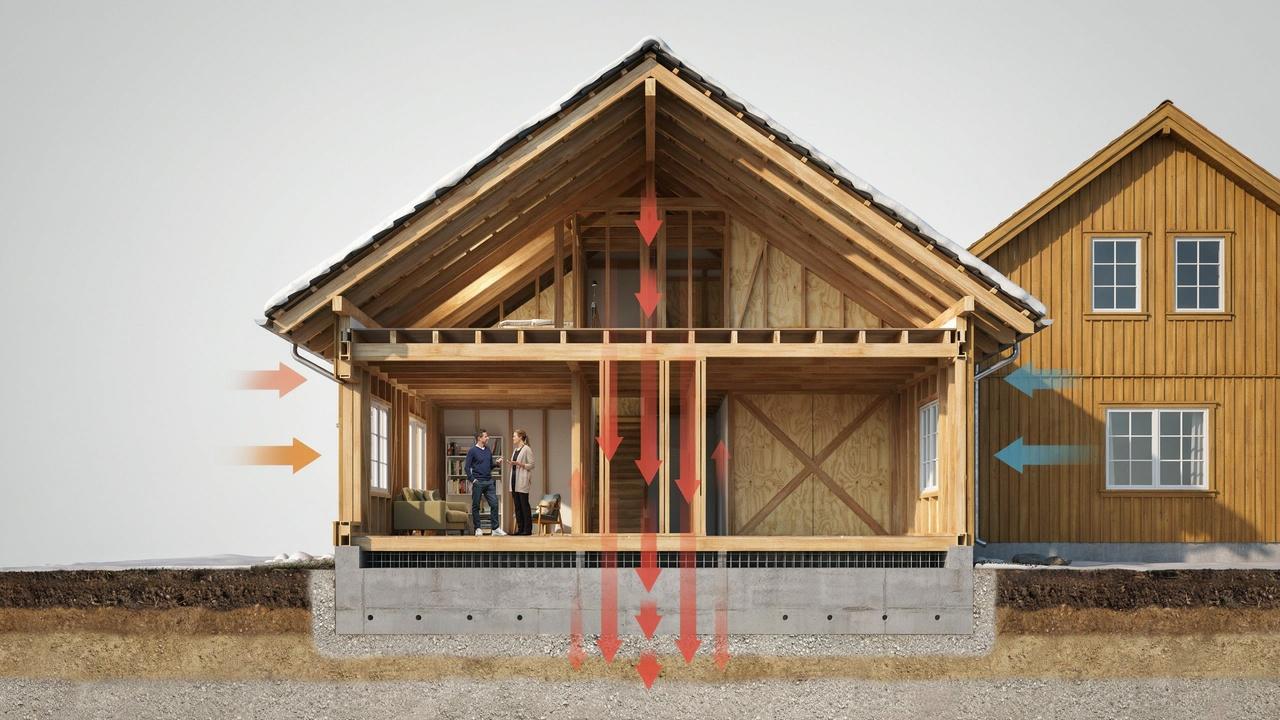
A load-bearing wall transfers structural forces through a continuous load path from the supported elements above to the foundation and supporting soil. Floors, roofs, beams, and joists deliver loads to the wall, while the wall transfers those forces downward to its supporting foundation or structural element.
The loads carried by a wall can include dead loads, such as the weight of building materials, and live loads, such as occupants and movable contents. Roofs may also receive environmental loads, including snow in regions where it applies.
The wall transfers these forces primarily through compression, while the foundation spreads the resulting load into the supporting soil. The actual load path varies by structural system, so the wall should be considered as one part of the complete structural framework.
Some structural walls also contribute to resistance against lateral forces from wind or earthquakes. Whether a particular load-bearing wall provides this function depends on the building's structural design, materials, connections, and applicable engineering requirements.
Types of Load-Bearing Walls
Load-bearing walls are built from different materials depending on the building type, design loads, and local construction practices. Here are the three most common types.
1. Masonry Load-Bearing Walls
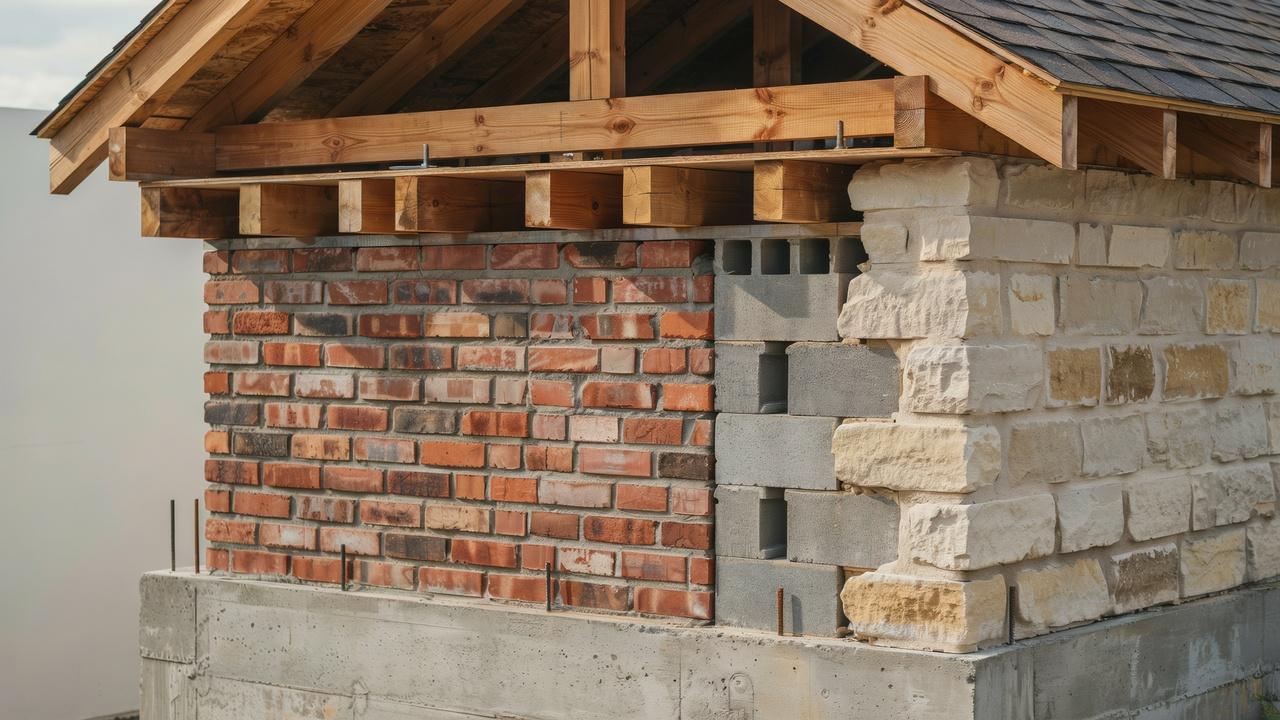
Masonry walls use brick, concrete block, or stone as the primary material. These walls have excellent compressive strength, meaning they handle heavy vertical loads well.
They are common in older residential buildings, low-rise commercial construction, and regions with strong masonry traditions. Brick walls are durable and fire-resistant.
Concrete block walls are faster to build and cost-effective. Stone walls are less common today but still found in heritage buildings. All three transfer loads through mortar joints and solid material down to the foundation.
2. Reinforced Concrete Load-Bearing Walls
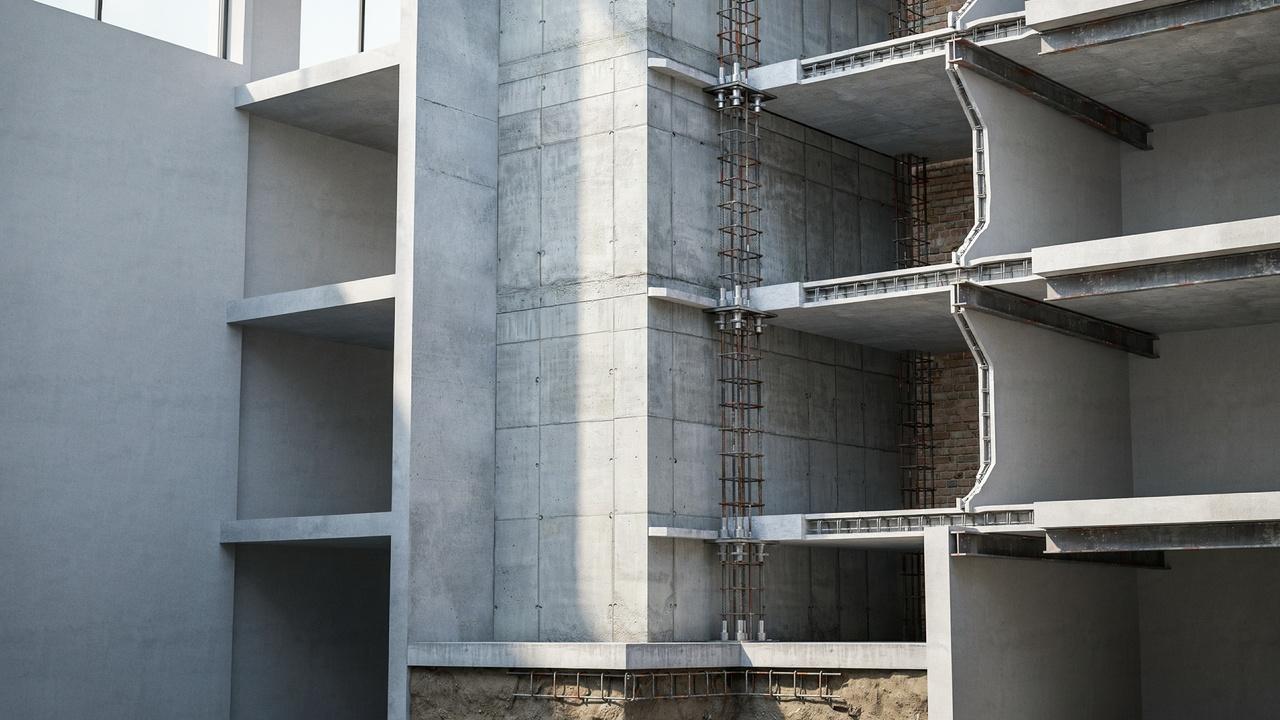
Reinforced concrete walls combine poured concrete with steel reinforcement bars placed inside the wall before the concrete sets. The steel handles tension forces while the concrete handles compression.
This combination makes these walls significantly stronger than plain masonry and capable of carrying much heavier loads. They are widely used in multi-story buildings, high-rise construction, basements, and retaining structures.
Reinforced concrete load-bearing walls also provide good resistance to lateral forces from wind and seismic activity, making them a preferred choice in modern commercial and residential construction.
3. Timber Load-Bearing Walls
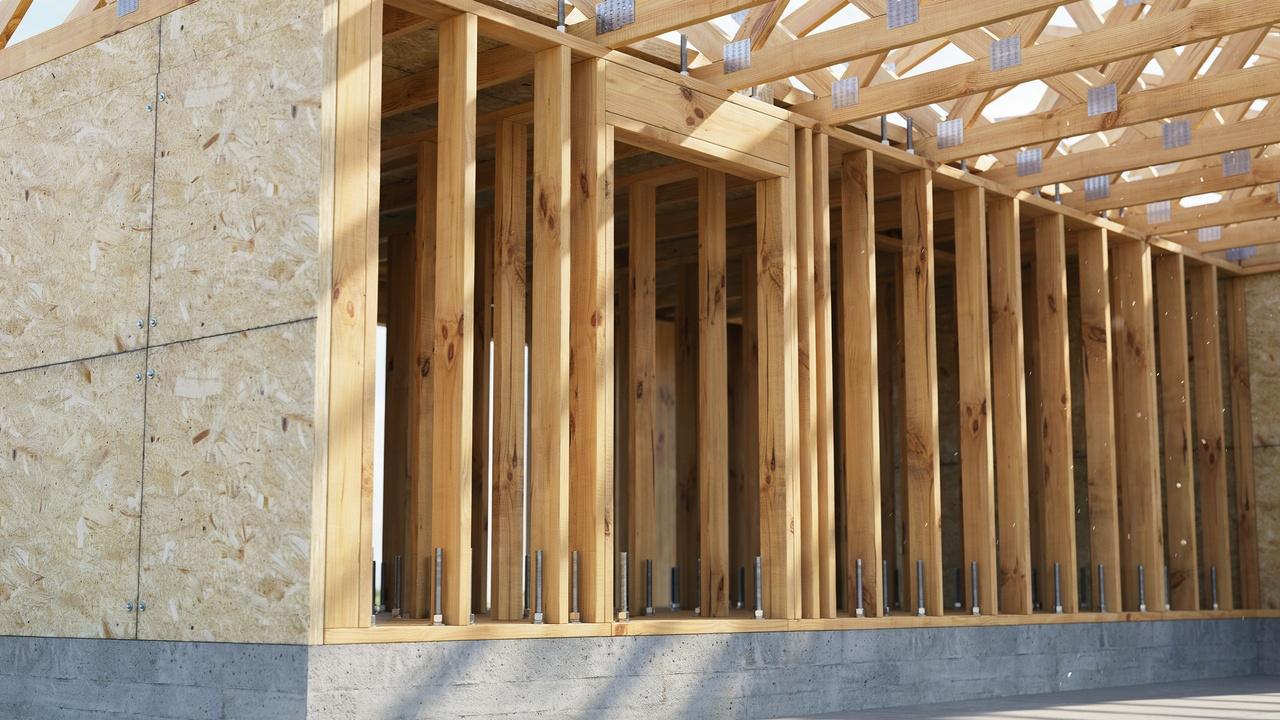
Timber walls use wood framing, typically dimensional lumber like 2×4 or 2×6 studs spaced at regular intervals. The studs sit between a bottom plate and a top plate, and together they carry loads from the floor or roof above.
Timber walls are the most common type in single-family residential construction across North America and many other regions. They are lighter, easier to work with, and more affordable than concrete or masonry.
Proper connections, correct stud sizing, and appropriate spacing are critical to ensure timber load-bearing walls perform safely under design loads. The height-to-thickness ratio also matters: a wall that is too tall and too thin for its load can buckle rather than simply compress.
How Are Load-Bearing Walls Constructed?
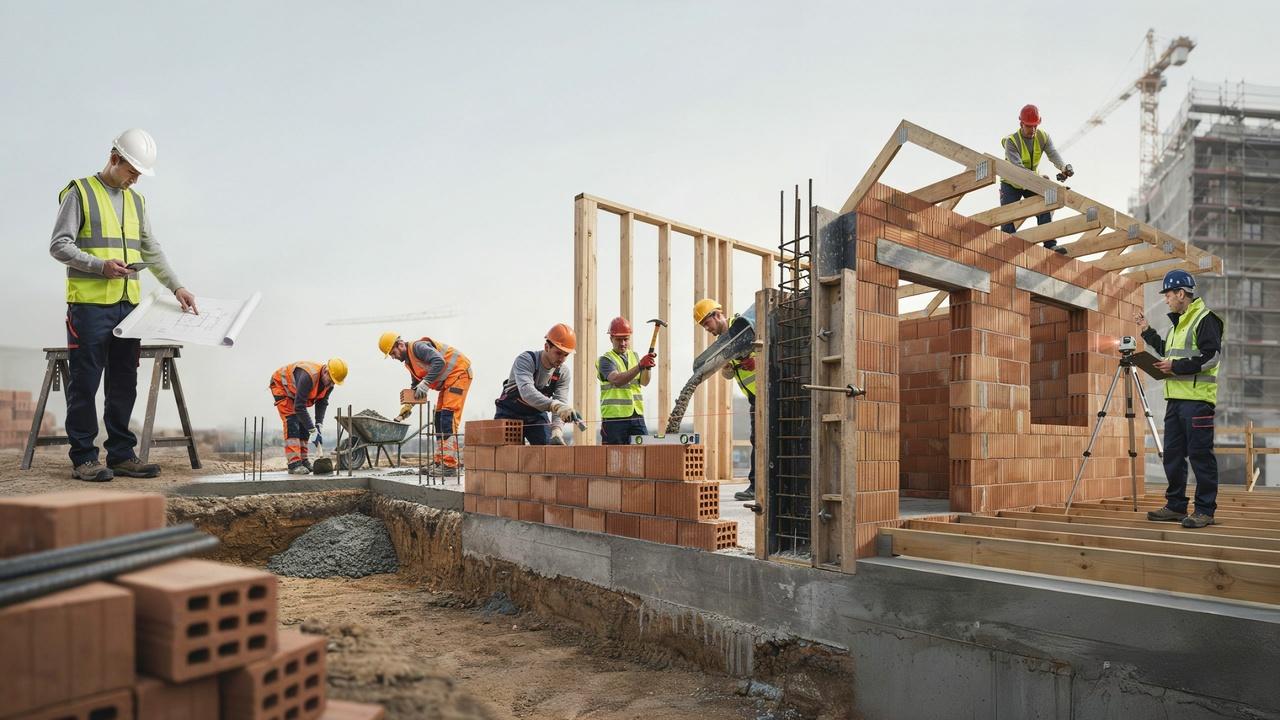
Load-bearing walls are built through a structured process that includes design, foundation work, layout, material installation, support for openings, structural connections, and inspections.
The process starts by calculating the loads the wall must carry, including dead loads, live loads, and environmental forces.
A structural professional considers materials, dimensions, reinforcement, and foundation conditions to ensure safe design. The foundation must transfer these loads into the soil without failure.
Proper layout ensures alignment with beams, joists, floors, and roofs to maintain a continuous load path.
Construction methods depend on material type: masonry uses units, mortar, and reinforcement; timber uses framed members and sheathing; reinforced concrete requires formwork, steel reinforcement, pouring, and curing.
Openings need engineered supports like lintels or headers. Final inspections confirm compliance with design and building requirements.
What Makes a Wall Load-Bearing?
A wall is load-bearing when it is designed to support structural loads and transfer those loads to a foundation or another structural support. Several features can indicate that a wall is carrying loads, but no single visual clue confirms its structural role.
Common indicators include.
- Loads from above: Beams, joists, slabs, or other structural elements may rest on or connect to the wall.
- Floor and roof framing: The direction and arrangement of joists can provide clues about how loads are transferred through the building.
- Wall alignment: A wall may align vertically with another wall, beam, post, or foundation support below.
- Structural supports: Beams, posts, and trusses may transfer concentrated loads into the wall.
- Foundation support: The wall may sit above a footing, foundation wall, beam, or another structural element designed to support its load.
Wall thickness or location alone does not confirm that a wall is load-bearing. A qualified professional should verify the wall's structural role before removal or major modification, particularly when structural drawings are unavailable.
Load-Bearing Wall vs Partition Wall
These two wall types serve very different purposes. Understanding the difference prevents costly mistakes during renovation or construction.
| Feature | Load-Bearing Wall | Partition Wall |
| Main purpose | Supports structural loads | Divides interior spaces |
| Supports floors or roof | Yes, when designed to do so | Generally no |
| Structural role | Part of the structural system | Usually non-structural |
| Modification | Requires structural assessment | Usually easier to modify |
| Common materials | Masonry, concrete, timber | Drywall, light framing |
if you want to modify or remove a wall, knowing which type it is determines how complex and expensive the work will be.
How to Identify a Load-Bearing Wall
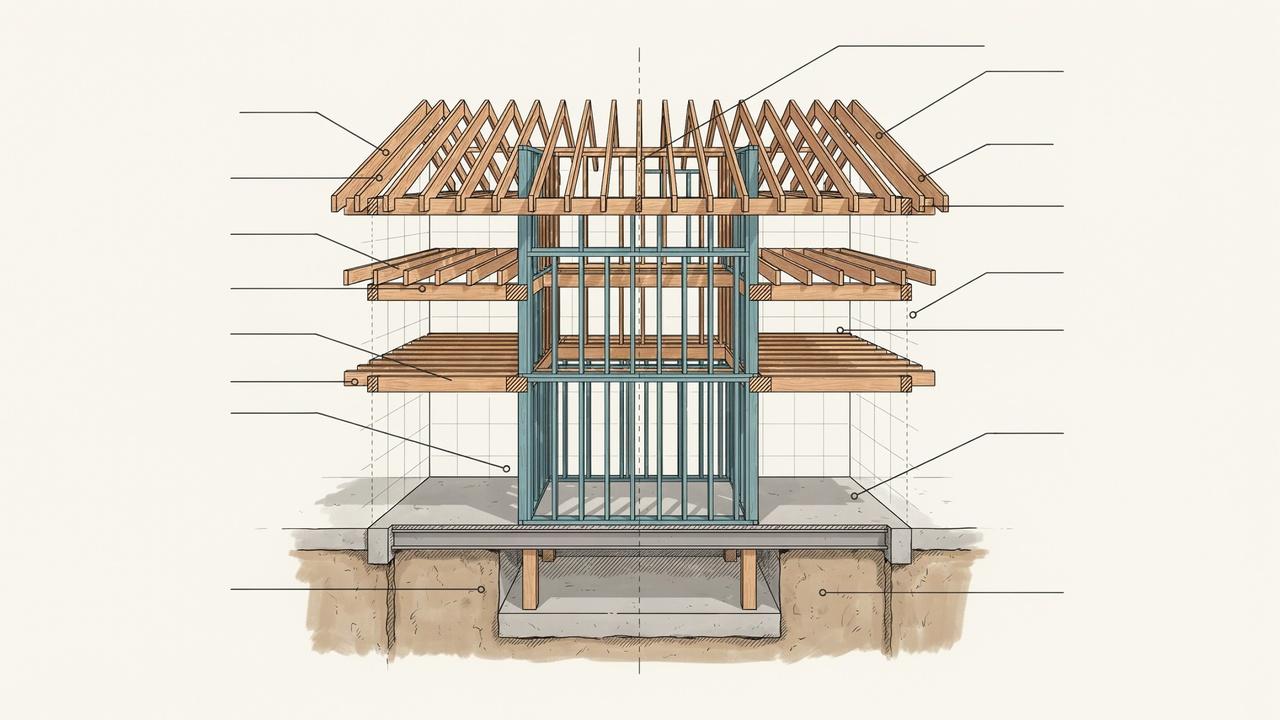
To identify a load-bearing wall, review structural plans, check joist direction, look for vertical alignment between floors, and inspect the basement and attic framing.
The most reliable starting point is the original structural drawings. These show which walls are part of the structural system. If drawings are not available, here are the practical indicators to check:
- Check floor joist direction: joists typically span between load-bearing walls, so the walls running perpendicular to the joists are more likely to be load-bearing. If joists lap or split over a wall, that is a strong sign it is bearing. If they run continuously over the wall without interruption, it may or may not be structural.
- Look for beams, posts, or trusses: load-bearing walls often sit beneath or alongside these elements
- Inspect the basement or crawlspace: a wall with a concrete strip footing or a post-and-beam line with pad footings directly beneath it is very likely structural. This is one of the most reliable checks you can do.
- Check attic and roof framing:bearing points in the roof structure often sit above load-bearing walls below
- Look for vertical alignment between floors:walls stacked directly on top of each other through multiple stories are commonly load-bearing
Safety note: These are indicators, not definitive tests. A qualified structural professional should verify the wall before removal or major modification. Acting on guesswork here carries real risk.
How Do Doors and Windows Affect Load-Bearing Walls?
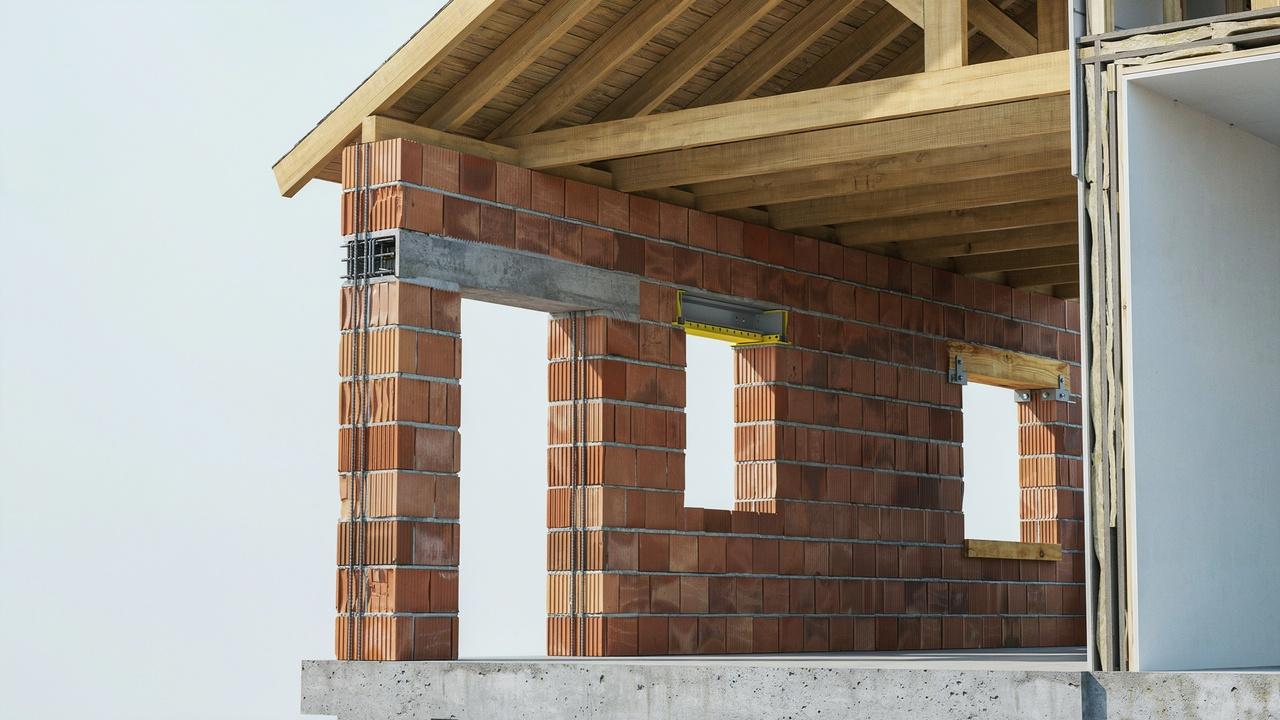
Every opening in a load-bearing wall interrupts the load path, so a lintel or beam must be installed above the opening to redirect loads around it.
Walls carry loads continuously from top to bottom. When a door or window opening is cut into that wall, it creates a gap in the structural material. Without proper support, the loads that were traveling through that section of wall have nowhere to go. This can cause cracking, settlement, or in serious cases, structural failure.
Lintels are horizontal beams placed above openings. They take the load from above and transfer it to the sections of wall on either side of the opening. The size of the lintel depends on the width of the opening and the loads above.
A narrow door in a timber-framed wall may only need a simple doubled-up timber header. A wide garage door opening in a masonry wall may require a reinforced concrete or steel lintel. Larger openings require more engineering because the lintel spans a greater distance and carries more load.
The wall sections on each side of the opening also need to be thick and solid enough to carry the redirected load down to the foundation. This is why widening an existing opening, or creating a new one, in a load-bearing wall always requires structural assessment before any work begins.
What Affects Load-Bearing Wall Capacity?
The capacity of a load-bearing wall depends on more than wall thickness. Structural design considers the wall material, dimensions, loads, openings, reinforcement, connections, foundation, and supporting soil when determining whether the wall can safely carry its design loads.
Key factors include:
- Wall material: Masonry, reinforced concrete, and timber have different strength and stiffness properties, so capacity must be evaluated according to the material and structural design.
- Wall thickness and height: Wall dimensions affect strength and stability. Taller walls can be more susceptible to buckling, so the height-to-thickness relationship must be appropriate for the material and applied loads.
- Floor and roof loads: The number of floors above, span lengths, and the type of loading affect the forces transferred to the wall.
- Environmental loads: Snow accumulation can increase roof loads in regions where snow occurs, while wind and seismic forces may affect the overall structural system.
- Openings: Doors and windows reduce the continuous wall area and can concentrate loads around the opening.
- Reinforcement: Reinforcement can improve the structural performance of concrete or masonry walls when it is designed and installed appropriately.
Foundation and soil conditions are also important. An inadequately designed footing or unsuitable supporting soil can lead to settlement or cracking even when the wall itself has been properly constructed.
Can You Remove or Modify a Load-Bearing Wall?
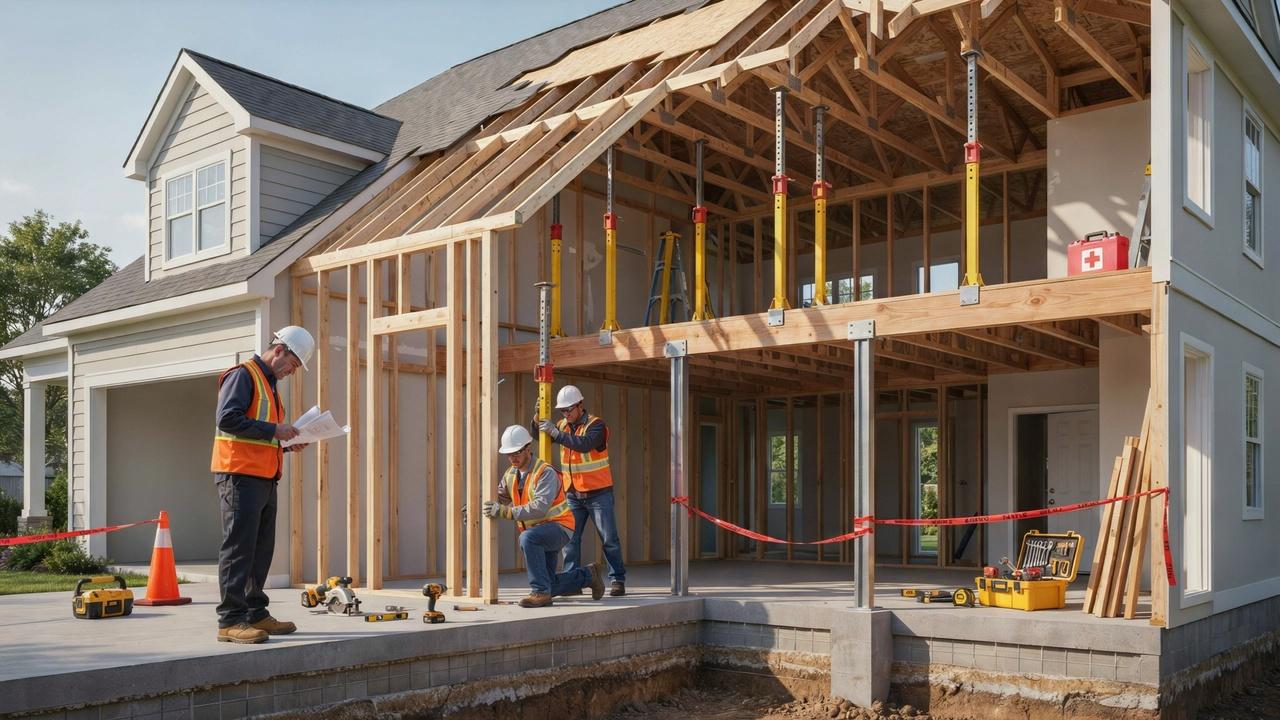
Yes, A load-bearing wall can be removed or altered only when a properly engineered replacement system is installed to carry the structural loads.
This process requires a structural assessment, temporary shoring, and compliance with permits and inspections.
A qualified structural professional must evaluate the existing wall, determine load paths, and design suitable supports such as steel beams, engineered timber beams, or posts.
These supports must transfer loads safely to the foundation, and in some cases new or reinforced footings are required beneath concentrated loads.
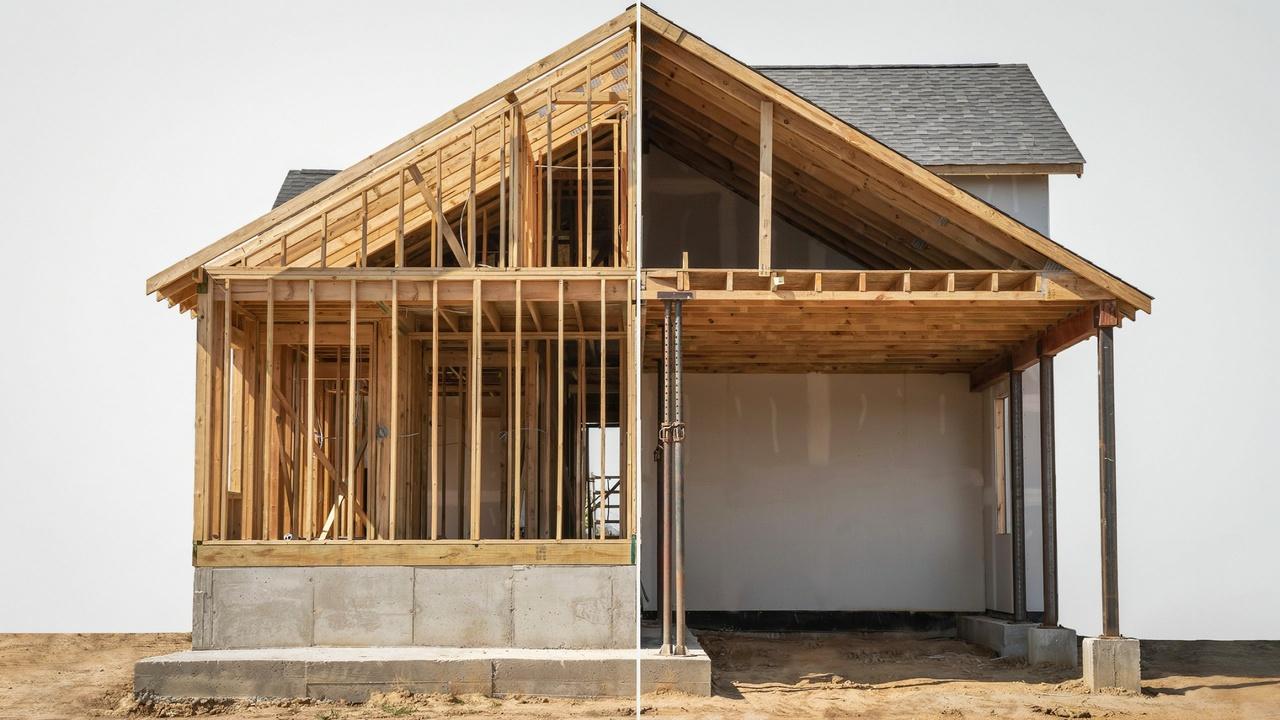
Temporary shoring is often installed during construction to support the structure while the original wall is removed and the permanent system is put in place.
Work must follow the approved structural design and sequence exactly as specified.
Common Load-Bearing Wall Mistakes
Common mistakes when working with load-bearing walls usually involve assuming that a visual feature proves the wall is structural or beginning modifications without evaluating the complete load path.
- Assuming every thick wall is load-bearing: Wall thickness alone does not establish a wall's structural role.
- Assuming every exterior wall is load-bearing: Exterior walls may carry structural loads, but their role depends on the building's design.
- Relying only on wall location: A wall's position within the building does not by itself confirm that it carries structural loads.
- Removing part of a wall without temporary support: Structural support may be required before removing any portion of a load-bearing wall.
- Ignoring loads from floors above: A wall may support loads from multiple levels, so the complete structure must be considered before modification.
- Skipping the foundation check: The support below the wall helps reveal how loads are transferred and whether replacement supports may require additional foundation work.
The most serious mistake is modifying a suspected structural wall without professional assessment. A change to the wall can alter the load path and create structural problems if the replacement support is inadequate.
Why Are Load-Bearing Walls Important?

Load-bearing walls are important when they form part of a building's structural load path. They transfer loads from floors, roofs, beams, or other supported elements to foundations or other structural supports.
When properly designed and constructed, these walls help distribute structural loads and maintain the stability of the building system. Their performance depends on the wall material, dimensions, connections, supported loads, foundation, and soil conditions.
Not every building relies on load-bearing walls. Some structures use columns, beams, frames, or other structural systems to carry loads instead. The importance of a particular wall therefore depends on its role within the building's overall structural design.
Because removing or weakening a structural wall can change the load path, any major modification should be assessed before construction begins.
Conclusion
Load bearing wall construction ensures a safe transfer of structural loads from floors and roofs down to the foundation.
Proper design considers materials, dimensions, connections, openings, and load distribution to maintain stability. Before removing or modifying a wall, always review structural plans and consult a qualified professional.
Never rely on appearance alone, as mistakes can lead to serious damage.
For safe and compliant results, trust expert guidance in load bearing wall construction contact a structural specialist today for assessment and advice.
Frequently Asked Questions
How much does it cost to remove a load-bearing wall?
Most load-bearing wall removals cost between $1,200 and $10,000 depending on beam size, wall length, foundation work needed, and local labor rates.
Can a load-bearing wall run parallel to floor joists?
Yes, a wall can still be load-bearing even when it runs parallel to joists if it supports loads from a story above or carries a concentrated point load from a beam or post.
Do all load-bearing walls go from floor to ceiling?
Yes, load-bearing walls always run full height from floor to ceiling because the continuous wall height is what transfers the load downward without interruption to the foundation.
How long does it take to remove a load-bearing wall?
A straightforward removal with a pre-engineered beam typically takes one to three days, but complex jobs involving permits, new footings, or multi-story homes can stretch to one to two weeks.