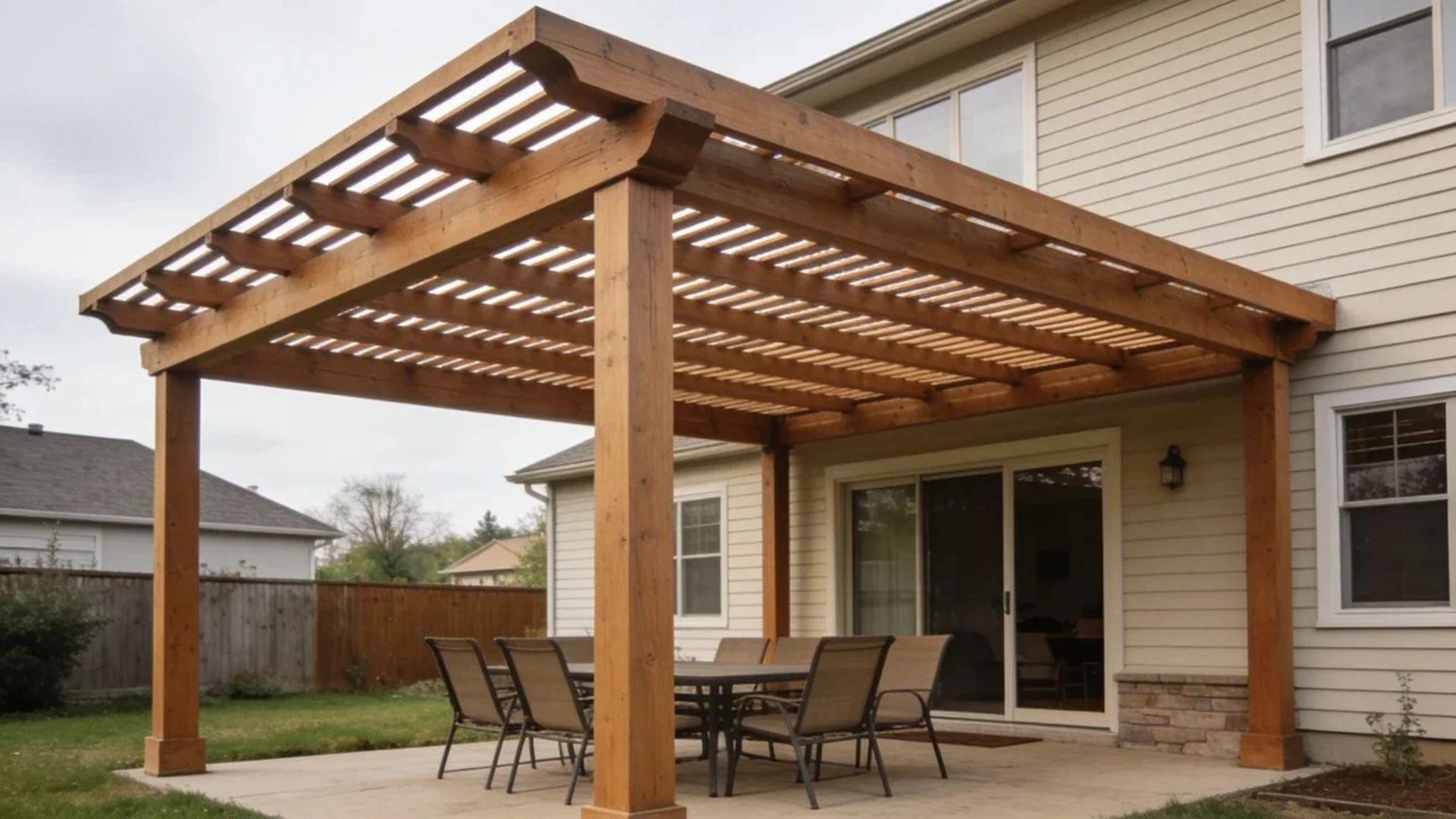
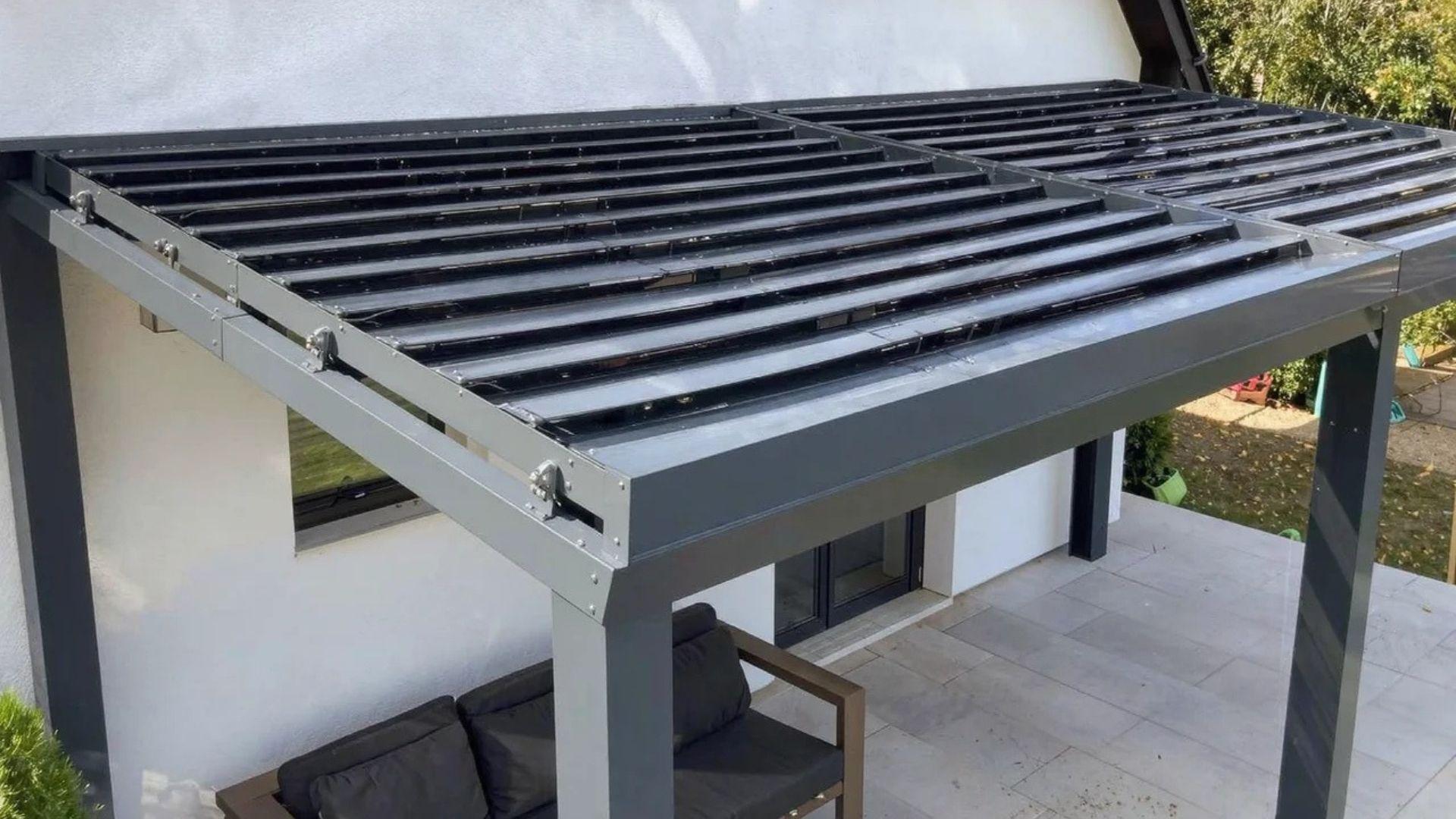
The louver pergola primary problem solved, in one line, is a patio that stays usable when the sun is harsh, the afternoon is hot, or a shower arrives without warning.
Adjustable blades handle all three from a single structure, which neither an open pergola nor a solid roof can do.
A detail buyers often overlook is that louvers shed water instead of sealing it, and that explains both the praise and the complaints owners share.
Knowing it before you buy tells you what to expect on good days and bad ones, so we start with what the blades replace.
What Primary Problem Does a Louver Pergola Solve?
For most buyers, the louver pergola primary problem solved is unusable patio space.
A single frame with rotating blades gives you adjustable sun, rain, and heat control, so the patio stays usable at noon, during a shower, and on a hot afternoon.
The alternatives each solve only half of it:
- Open pergola: Partial shade, but no rain cover.
- Solid roof: Keeps rain off, like any roof over an attached deck, but blocks light and can trap heat.
- Louver pergola: Rotating blades let you adjust between the two for the hour instead of living with one setting.
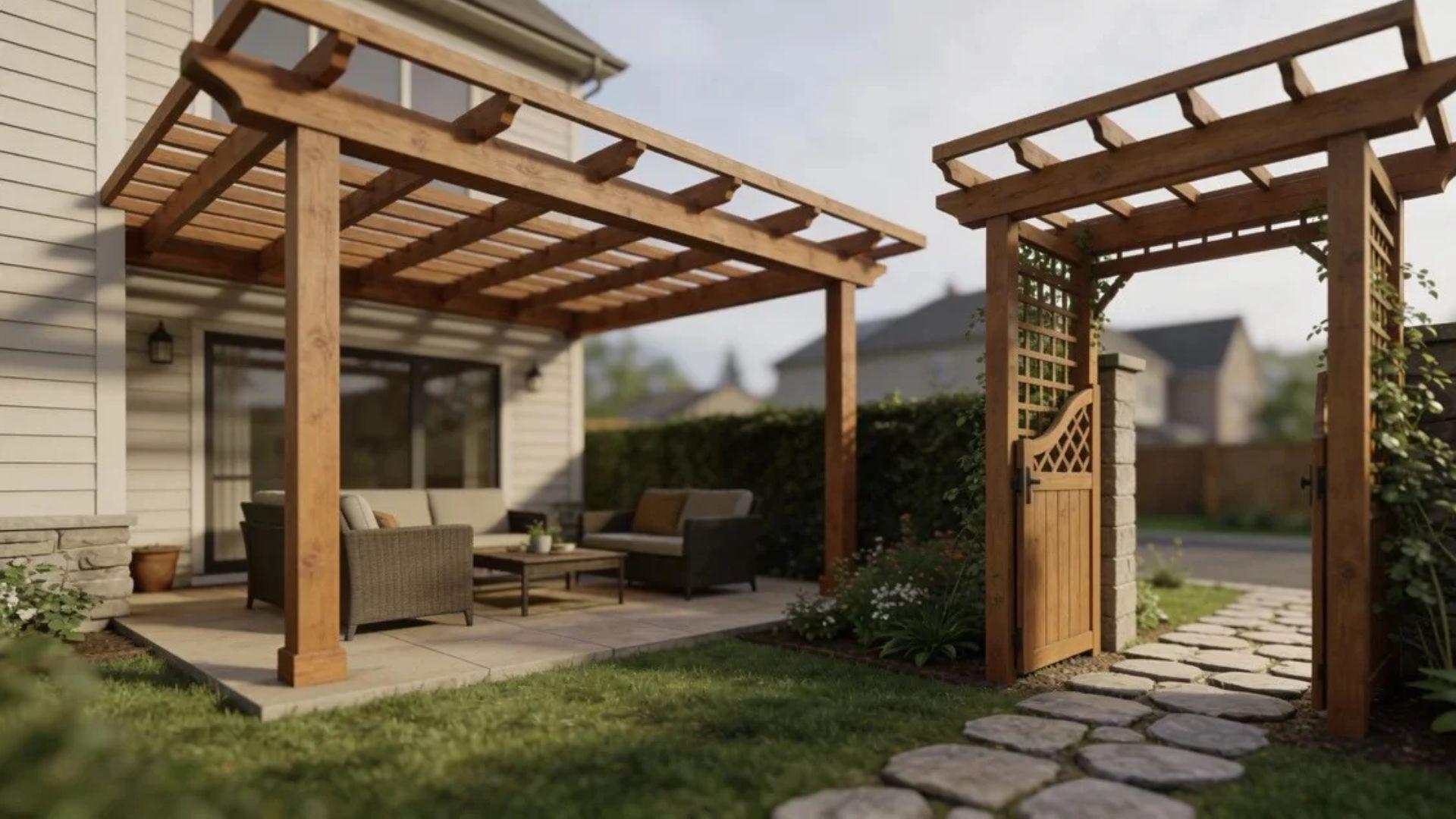
A louvered roof is still a pergola frame at heart, so it helps to know what a pergola is before comparing blade systems.
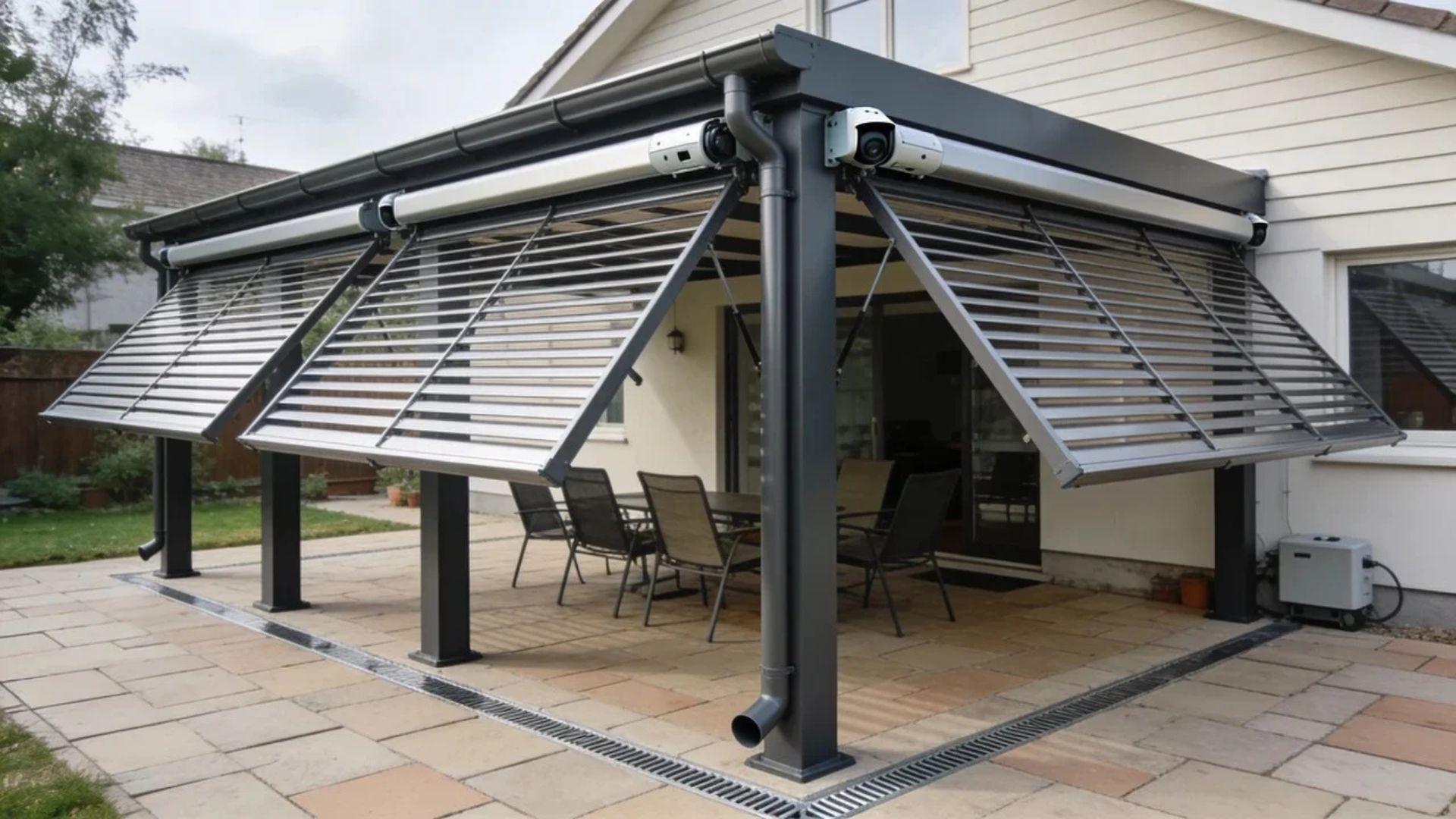
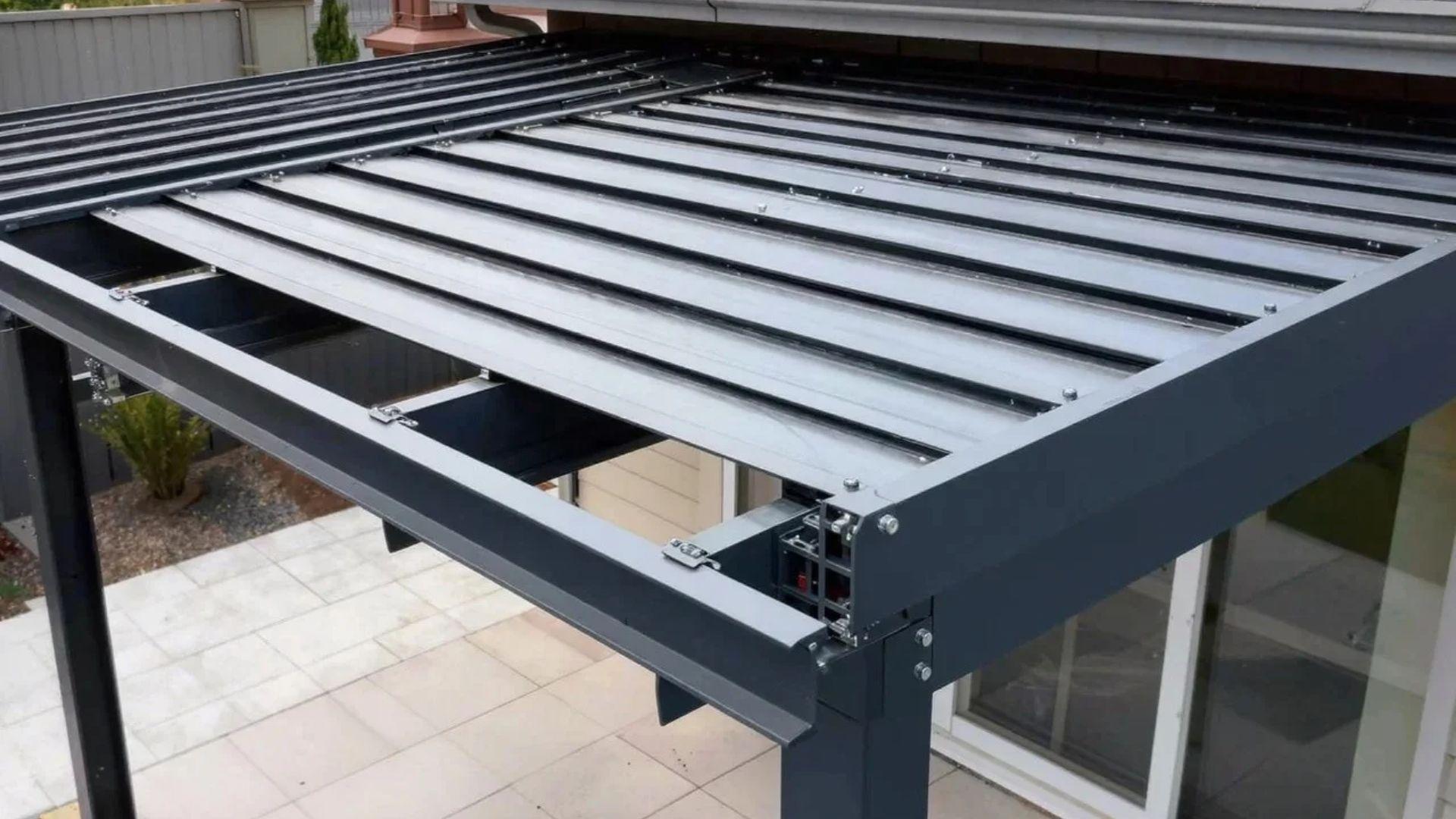
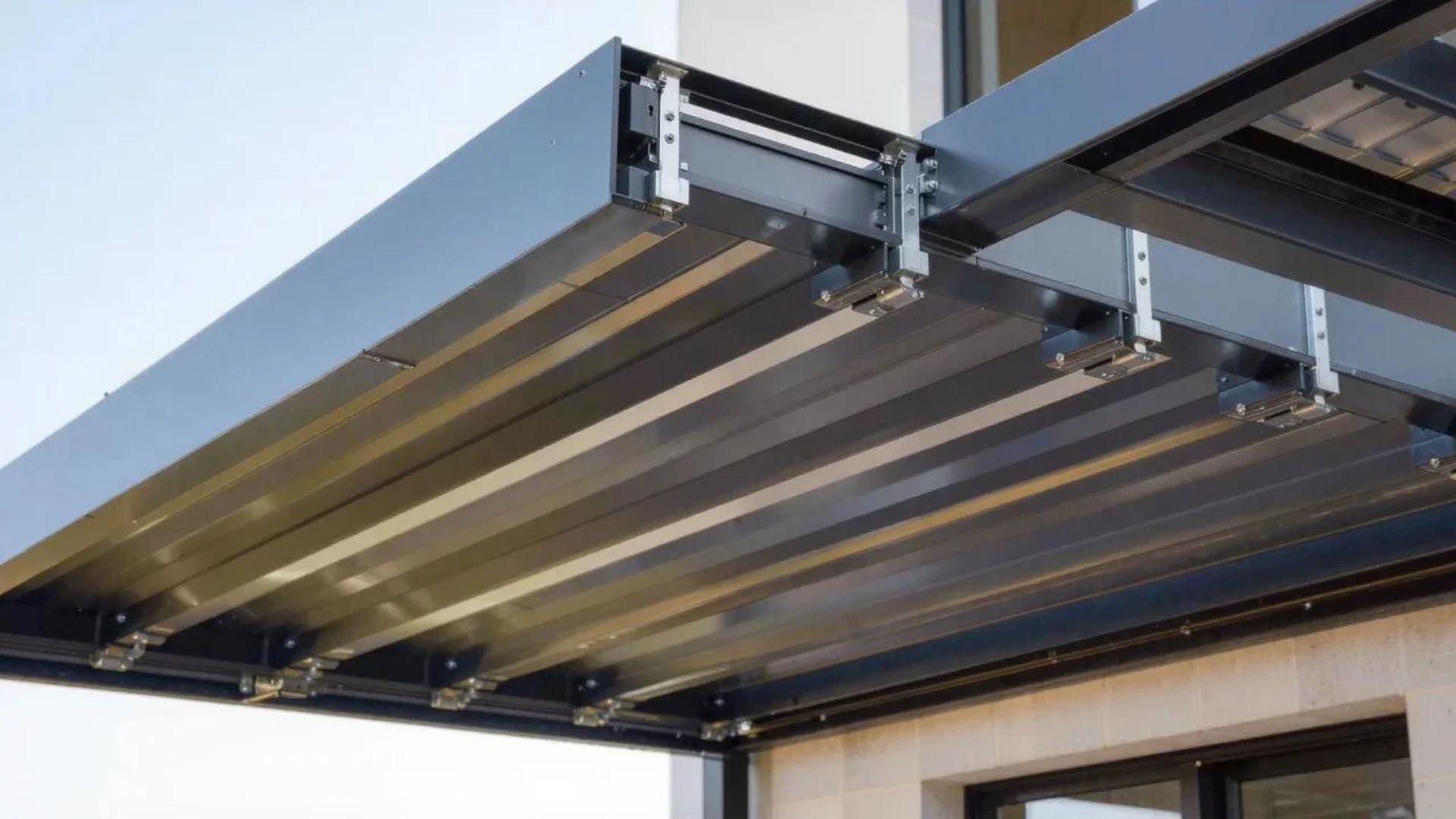
Blade angle controls how much sun and air passes through. Closed blades overlap and route water into channels in the frame, which carry it out through the posts.
That makes the roof water-resistant rather than waterproof, since manufacturers rely on gutters to manage the water that lands on it.
The promise holds only while the blades seal, rotate, and drain properly, and those three behaviors are what owners end up judging the pergola on.
The gap between water-resistant and waterproof is where satisfied owners and frustrated ones part ways. It shows up fast once the pergola is in daily use.
What Do Owners Like and Regret About Louvered Pergolas?
Satisfaction usually tracks expectations.
Buyers who want adjustable shade tend to be happy with louvers, while regret traces back to climate fit, installation quality, or the assumption of a sealed roof.
The same blades earn both the praise and the complaints, so the two parts below mirror each other.
What Owners Praise Most After Installation
Owners most often praise three things:Adjustable shade, rain cover on short notice, and a patio they can use in more weather.
- Heat and glare control: Tilting the blades changes how the patio feels within minutes, so this tends to come first.
- Rain cover on short notice: A shower that would have sent guests indoors becomes a reason to close the blades, as long as someone does it in time. Motorized models with a remote make that a button press, and some makers offer rain sensors that close the blades automatically.
- Privacy and a more usable patio: Tilted blades can cut sight lines from certain angles, but not from all of them, so the result depends on blade angle and layout. The same pergola feels different against a wall than in an open yard.
Where Owners Say Expectations Fell Short
Regret usually comes from expecting a sealed roof with no upkeep, when louvers are water resistant and have moving parts.
An owner who pictured a waterproof ceiling may notice small drips at blade joints during heavy, wind-driven rain and read it as a defect, although even well-built roofs are designed around gutters and can let a little water through in extreme conditions.
The motor, remote, and blade tracks also need periodic attention, so a buyer who expected to install it and forget it ends up disappointed.
The sharpest regret shows up in cold climates and after weak installation.
Even a well-engineered gutter system depends on professional installation to drain as designed, which makes choosing a construction contractor with louvered-roof experience as important as picking the product.
Once expectations are set, the useful question is what actually breaks. The three problems below are the ones that come up first.
What Problems Do Louvered Pergola Owners Report Most?
The most reported problems are water dripping through closed louvers, blades that stick or stop responding, and weak winter performance.
Each is one part of the original promise failing, whether that is sealing, moving, or standing up to weather, so naming the broken promise points to the cause.
Wind damage and coating wear get mentioned too, though they are secondary.
Why Does Water Drip Through Closed Louvers?
Louvered pergolas shed most rain through overlapping blades but can drip at joints, worn seals, or clogged channels.
The complaint usually sounds like water showing up along the seam where two blades meet, and the cause often sits in the seals, the gutters, or the frame itself, which uneven footings under the posts can knock out of level.
Many systems are built with a slight pitch so water runs toward the gutter, which means any tilt in the wrong direction can send it toward the wrong joint.
Blades that do not close fully and seals that wear or shift leave gaps, and shallow gutters tend to clog and overflow.
Makers also rate their roofs against a stated rainfall intensity, so extremely heavy or wind-driven rain can overwhelm a sound system.
Start with the cheapest checks, in this order:
- Look at blade alignment when the louvers are closed.
- Clear debris from the gutter channels.
- Inspect the seals for gaps or cracking.
If water still gets through, a persistent gap usually points to a leveling or fit problem, and that is a call to the installer rather than a weekend repair.
Why Won’t the Louvers Open or Close Smoothly?
Unresponsive or sticking louvers commonly come from remote or power faults, debris, misalignment, or a weak motor. The cause usually depends on the symptom:
- Nothing happens when you press the remote: The remote battery, the power supply, and loose wiring are the usual suspects, and they are the cheapest things to check first.
- Blades stick or move unevenly: Debris in the tracks, blades that have drifted out of alignment, or a motor that is underpowered for the blade size can all cause that stop-and-start movement. Working through those in order is the cheapest way to narrow it down.
- Faults continue after those checks: The question shifts to the motor or control unit. That is a warranty matter, and it is worth raising with the seller before trying anything more involved.
Why Does a Louvered Pergola Struggle in Winter?
Winter exposes small gaps, blade icing, and motor strain, so louvered pergolas suit cold climates only when they are rated for the local snow load.
Gaps that go unnoticed in summer let cold air through in winter, which cuts comfort and defeats the point of closing the roof.
Snow and ice add weight to the blades, and a motor working against that load, or a mechanism that has frozen, can stall or wear faster.
Published snow load ratings usually depend on blade span and the strength of the supporting structure, so a rating quoted for a narrow span does not carry over to a wide one.
Three specs decide whether winter use is realistic: The snow load rating for your size, the sealing at blade edges and joints, and whether the model offers a heating option.
A pergola chosen without checking those tends to disappoint from the first cold snap.
Each of these problems traces back to a spec or a decision made before the pergola went up. The checks below map to the same problems.
What Should You Check Before Buying a Louvered Pergola?
The best pre-purchase checks are drainage design, motor and control specifications, load ratings that match your location, installer experience, and warranty terms.
Each one maps to a problem covered above, so checking all five before you pay a deposit heads off the most common failure points.
- Drainage design: Ask how water leaves the frame, since deep channels and clear outlets give closed blades somewhere for water to go.
- Motor and control unit: Look for ratings that match the blade size and local weather, because that is where sticking and unresponsive blades start.
- Load ratings: Compare the stated snow and wind ratings with the design loads for your address, which the ASCE Hazard Tool looks up for free, and confirm the numbers with your local building department.
- Installer experience: Ask whether they have set up this exact system and how they set the slight pitch toward the gutters, because a level, correctly pitched frame is what keeps water moving.
- Warranty terms: Look for separate coverage on the frame, the finish, the motor, and accessories such as rain sensors. Parts that move or seal usually face more wear than a fixed frame, so these terms show how the maker views the lifespan of each part.
Get every answer in writing before you pay a deposit.
Between those checks, most of the problems above get answered before any money changes hands. What’s left is deciding whether the trade-off suits your patio.
Final Verdict
The louver pergola primary problem solved is real, and buyers who want adjustable sun, rain, and airflow are the ones it serves best.
The dividing line is expectation: A water-resistant roof with moving parts rewards buyers who check the specs and warranty first, and frustrates those who assume a sealed, no-upkeep ceiling.
Treat the pergola as a system you will occasionally adjust and clean rather than a fixed roof.
Before you request quotes, write down your local snow and wind loads, then ask each installer how their system handles both.
Frequently Asked Questions
Do louvered pergolas need a building permit?
Usually, if attached to the house. The International Residential Code exemptions cover only small detached structures and low decks not attached to a house, and local rules vary, so call your building department first.
Can you add lights or a ceiling fan to a louvered pergola?
Some models accept lights and fans, but weight limits and wiring routes differ by maker. Confirm compatibility first, and use a licensed electrician, since permanent wiring usually falls under electrical permit rules.
Should a louvered pergola be attached to the house or freestanding?
Both work. Attached units tie into the house wall and can shelter a door, while freestanding units rely on posts alone. Wall condition, local code, and layout usually decide.
Can you put a louvered pergola over an outdoor kitchen?
It can, but check the grill maker’s required overhead clearance and your local fire code first. Many grills need open space above them, so a closed roof may limit where you can place one.