Picking the right construction contractor is one of the most important decisions you will make for your project. A bad hire can cost you time, money, and a lot of stress.
I have worked with contractors long enough to know what separates the good ones from the ones who disappear mid-project.
In this blog, I will cover how to check credentials, compare estimates, spot red flags, and ask the right questions before signing anything.
You will also find a quick checklist to use before you hire anyone.
By the end, you will know exactly what to look for and feel confident making the right call.
Why Choosing the Right Construction Contractor Matters
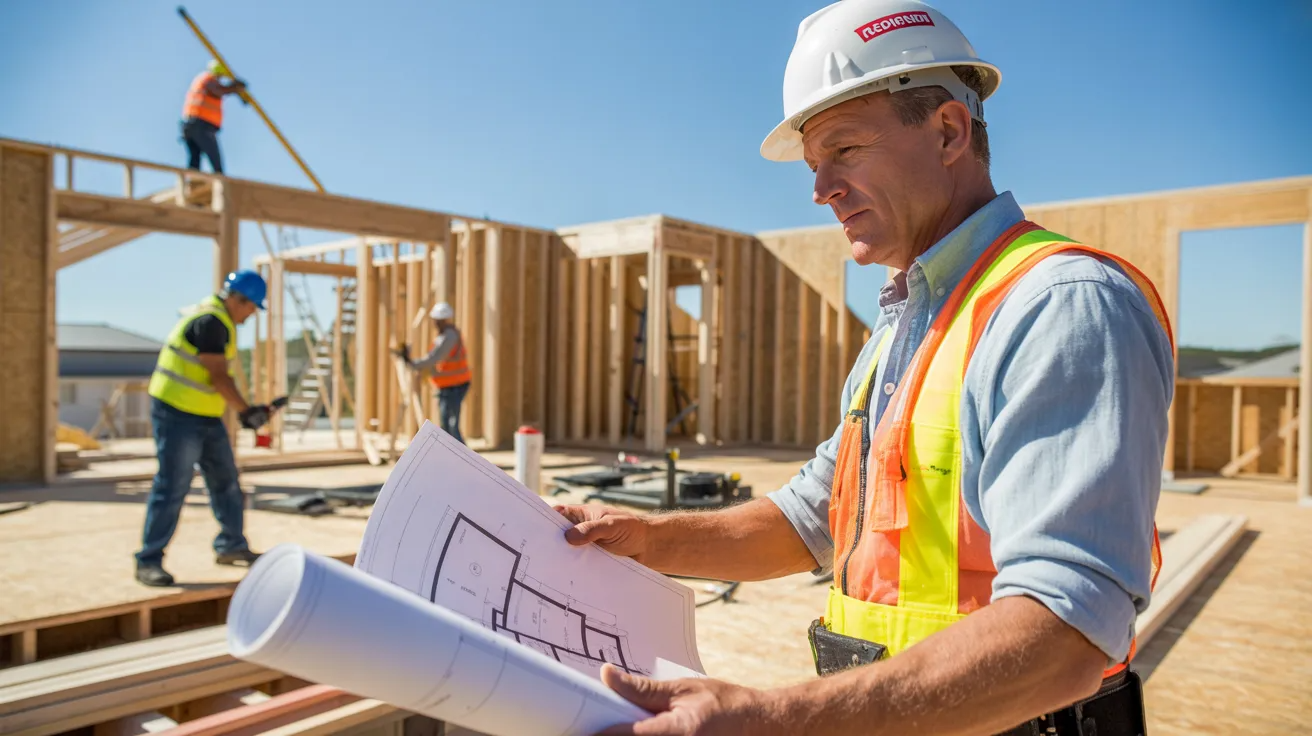
The contractor you hire controls the quality, timeline, and cost of your project. A good contractor keeps things on track. A poor one creates delays, budget overruns, and shoddy work.
Your home or building is a big investment. You do not want to hand it over to someone who cuts corners.
The right contractor brings skill, reliability, and clear communication to the table. That combination protects your money and your peace of mind.
Understand Your Project Requirements

Before you even start looking for a contractor, get clear on what you need. Know the scope of your project.
Write down the type of work involved, your budget range, and your expected timeline.
When you are clear on your needs, it becomes much easier to shortlist the right people.
You can also communicate better with potential contractors when you know exactly what you want. This saves everyone time.
How to Find Reliable Construction Contractors
The right contractor is closer than you think if you know where to look.
1. Search Local Contractors
Start with a local search. Look up contractors in your area using Google, local directories, or contractor-specific platforms.
Local contractors are easier to verify and more accountable since they work within your community.
2. Read Reviews and Testimonials
Online reviews tell you a lot. Check Google, Yelp, or Houzz for feedback from past clients. Look for patterns.
If multiple people mention late deliveries or poor communication, that is a red flag worth taking seriously.
3. Ask for Recommendations
Word of mouth still works. Ask friends, family, or neighbors who have had construction work done.
A personal recommendation carries more weight than any online listing. People will tell you the truth about their experience.
Check Experience and Credentials
A contractor's past work and paperwork tell you everything you need to know.
1. Review Past Projects
Ask to see photos or visit completed projects. A contractor's past work tells you a lot about their skill level. Look for projects similar to yours in size and type.
2. Verify Licenses and Insurance
This is non-negotiable. Always confirm that your contractor holds a valid license in your state or region. Also check that they carry general liability insurance and workers' compensation.
If something goes wrong on your property, you do not want to be held financially responsible.
3. Look for Specialized Expertise
Some contractors focus on residential work. Others specialize in commercial construction. Make sure the person you hire has real experience in the type of project you are running.
Specialized knowledge leads to better results and fewer surprises.
Compare Contractor Estimates

Getting the best deal means looking beyond just the price tag.
1. Request Detailed Quotes
Never settle for a verbal quote. Ask for a written, itemized estimate that breaks down labor, materials, and timelines. This protects you and gives you a clear basis for comparison.
2. Understand Payment Terms
Ask how they expect to be paid. Most contractors ask for a deposit upfront, with payments tied to project milestones. Be cautious of anyone who asks for the full amount before work begins.
3. Watch for Hidden Costs
Some estimates look great on paper but balloon once work starts. Ask contractors to explain what is and is not included. A clear contract prevents nasty surprises later.
Evaluate Communication and Project Management
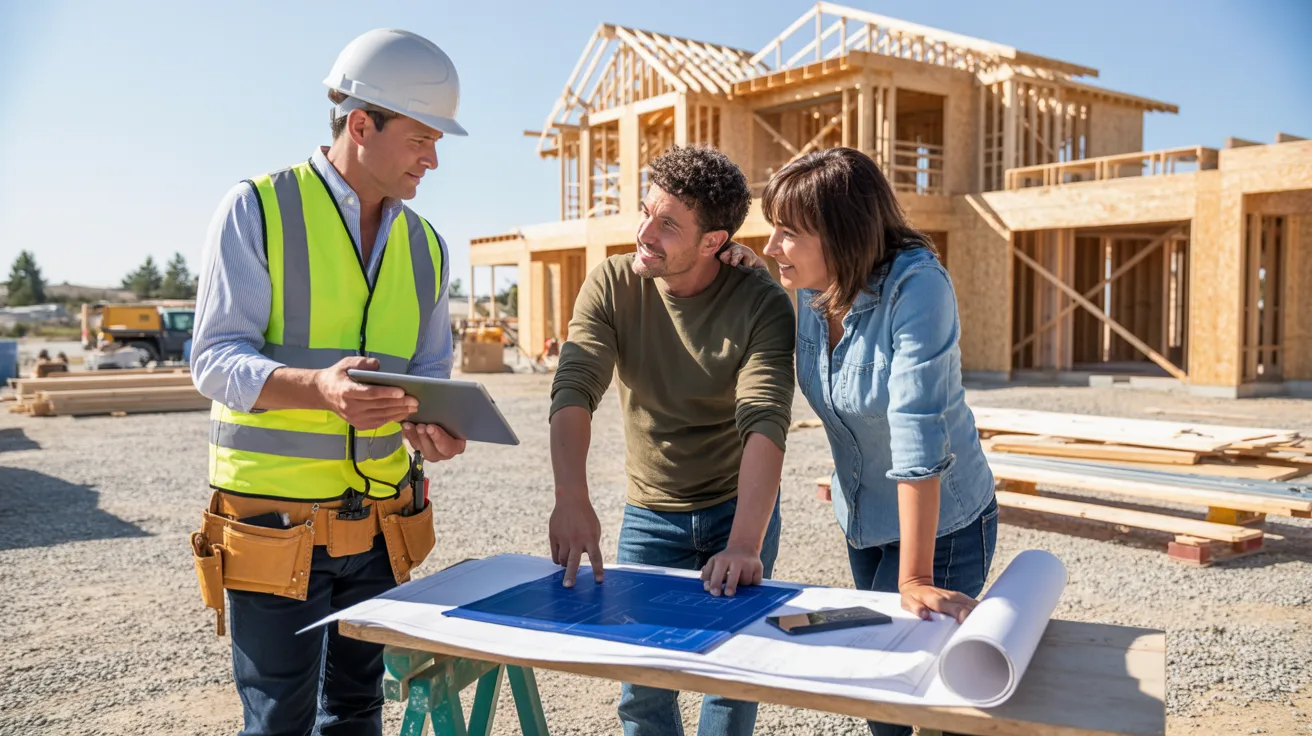
How a contractor talks to you now shows how they will work with you later.
1. Assess Responsiveness
Pay attention to how quickly a contractor responds to your calls and emails during the bidding phase. If they are slow to respond before they have your money, it likely gets worse after.
2. Ask About Project Updates
Find out how often they will update you on progress. Weekly check-ins or a project management app keeps you informed without you having to chase them down.
3. Meet the Project Manager
On larger jobs, you often work more with the project manager than the contractor. Meet this person before you sign anything.
Make sure they are organized, easy to talk to, and take your questions seriously.
Questions to Ask Before Hiring
The right questions upfront save you from big problems down the road.
How Are Delays and Changes Handled?
Delays happen. Ask how they handle unexpected setbacks and what their process is for change orders. You want clear answers, not vague promises.
What Warranties Are Offered?
Reputable contractors stand behind their work. Ask what warranties they offer on labor and materials. Get everything in writing.
Can They Provide Client References?
Always ask for at least two or three references from recent clients. Call those people. Ask about the quality of work, how problems were handled, and whether the project came in on budget.
Red Flags to Avoid
Watch out for these warning signs when choosing construction contractors:
- No license or insurance : Walk away immediately.
- Pressure to sign fast : Good contractors do not rush you.
- Unusually low bids : If the price seems too good to be true, it probably is.
- No written contract : Never work without a signed agreement.
- Poor communication : If they are hard to reach now, it will only get worse.
- Asking for full payment upfront : This is a major warning sign.
- No physical address or local presence : Hard to hold accountable.
Quick Checklist for Choosing Construction Contractors
Use this before you sign with anyone:
- Defined your project scope and budget
- Checked licenses and insurance
- Read online reviews
- Got at least three written estimates
- Reviewed past projects
- Called client references
- Confirmed payment terms in writing
- Signed a detailed contract
Conclusion
Choosing the right construction contractor does not have to feel overwhelming. When I first hired a contractor years ago, I skipped the reference check and paid for it later.
Now I always take the time to verify credentials, read reviews, and get everything in writing. These small steps save a lot of trouble.
You have all the tools you need right here. Take your time, ask the right questions, and trust your gut.
Found this helpful? Drop a comment below or share it with someone planning a build.
Frequently Asked Questions
How many estimates should I get before choosing a construction contractor?
Get at least three written estimates to compare pricing, scope, and timelines fairly.
Is it okay to hire a contractor without a license?
No. Always hire a licensed contractor to protect yourself legally and financially.
How do I know if a contractor is trustworthy?
Check reviews, call references, and verify their license and insurance before committing.
What should a construction contract include?
It should cover project scope, timeline, payment schedule, materials, and warranty terms.
Can I negotiate the price with a construction contractor?
Yes, but focus on value, not just the lowest price, to avoid compromising on quality.