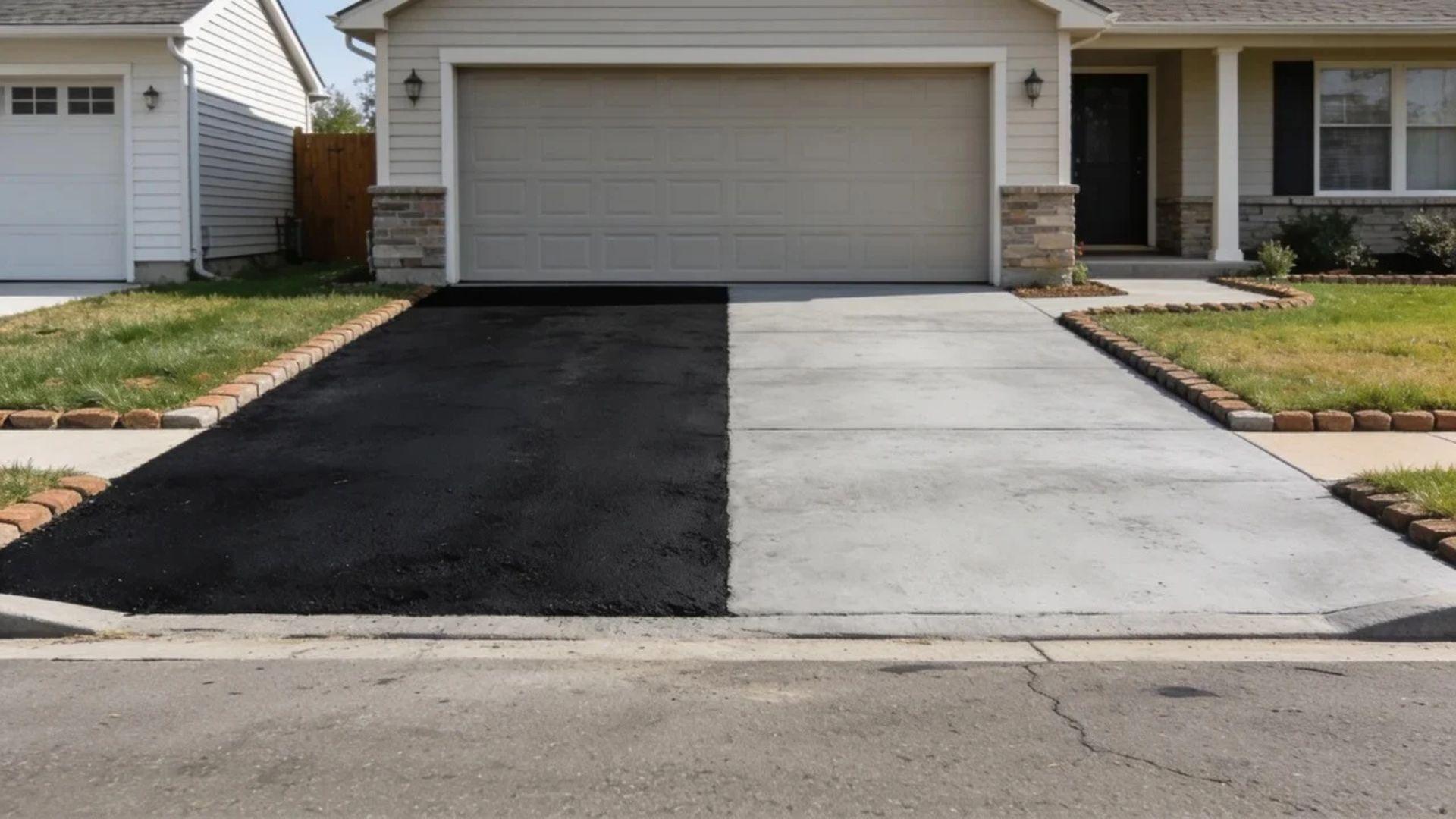
Choosing an asphalt vs concrete driveway mostly comes down to where you live and what you can spend.
Asphalt costs less up front and handles freezing winters well, while concrete lasts longer and holds up in the heat.
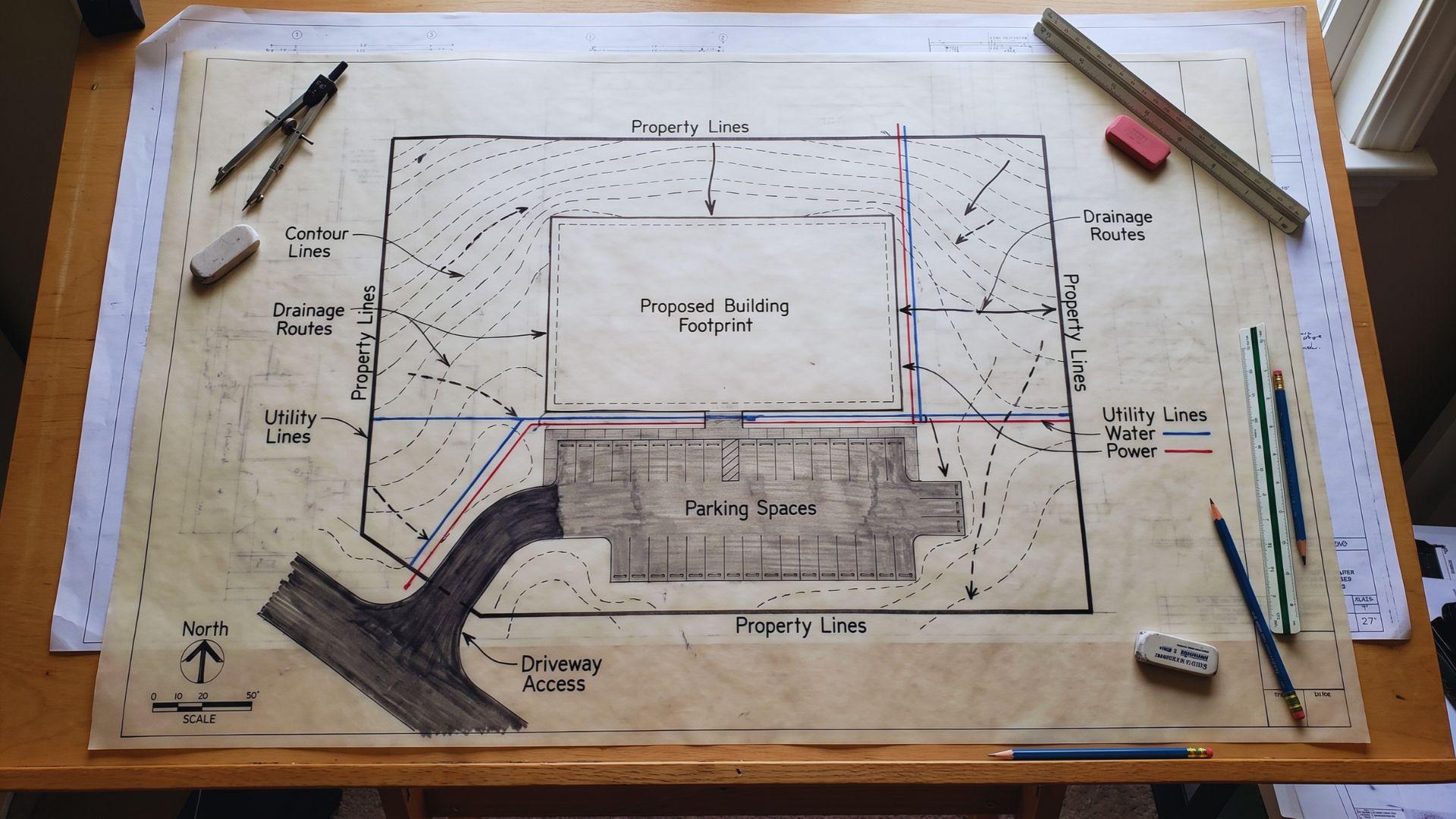
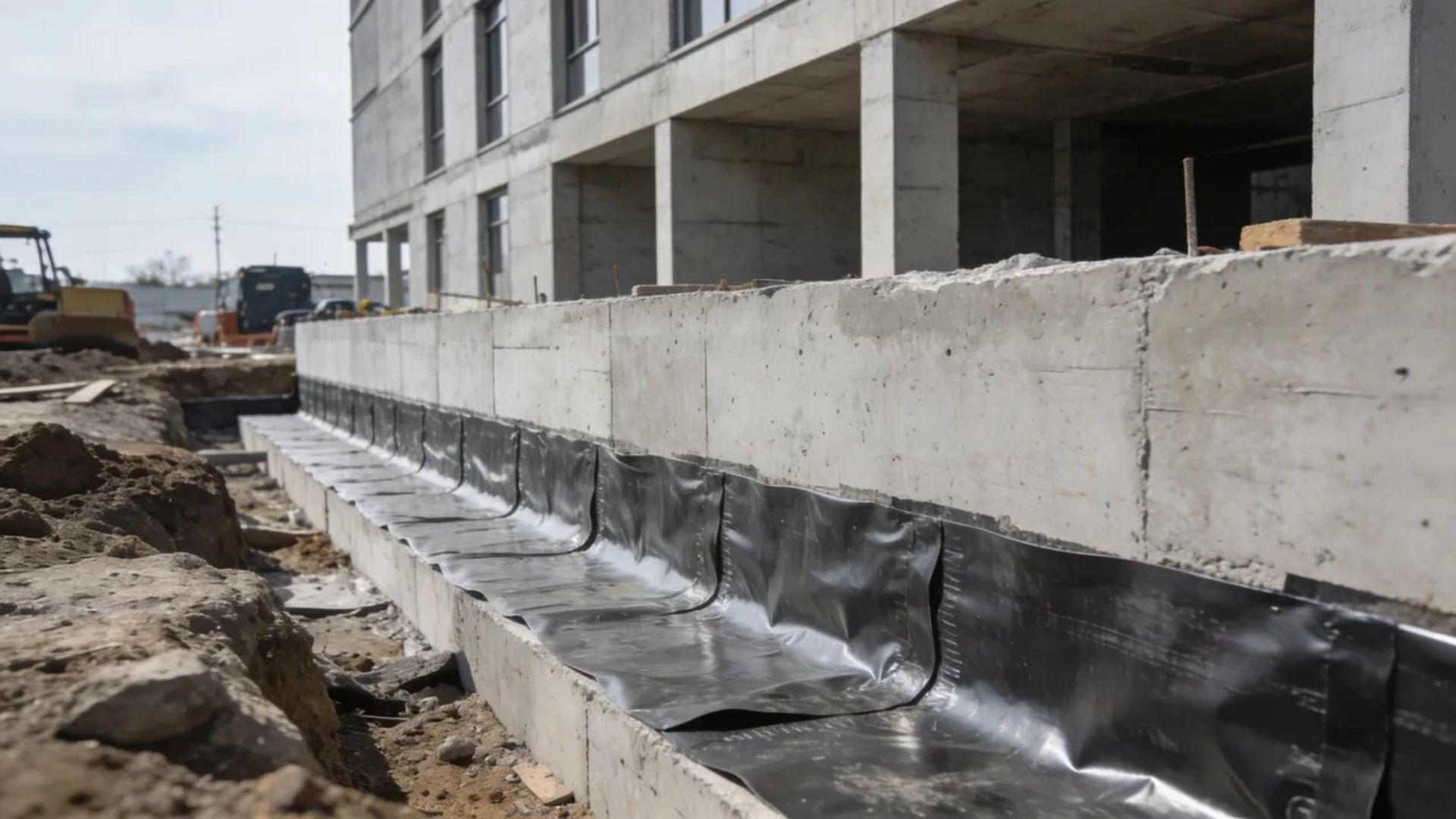
Below the surface, the National Asphalt Pavement Association calls standing water the leading cause of driveway failure, and site preparation in construction covers the grading and base work that keep water away.
Read on for how the two are built, what they cost over time, and how to match one to your property.
First, the structural difference behind the rest.
How Does an Asphalt vs Concrete Driveway Differ in Construction?
Asphalt is crushed stone and sand held together by bitumen, a petroleum-based binder, and laid hot over a compacted base.
Concrete is cement, water, and aggregate poured and cured into a rigid slab. That makes concrete rigid and asphalt flexible, and that single difference drives the rest of this comparison.
If the terms get mixed up in contractor quotes, this guide to pavement versus concrete surfaces clears up what each one actually means.
| Factors | Asphalt | Concrete |
| Made from | Crushed stone and sand bound by bitumen | Cement, water, and aggregate |
| How it’s placed | Laid hot over a compacted base and rolled | Poured into forms and cured as a slab |
| How it behaves | Flexes and spreads load over a smaller area | Stiff slab spreads load over a wide area of ground |
| Weak point | Can rut or shove in extreme heat | Cracks if the base beneath it gives way |
| Wait before use | A few days | Longer curing time |
Pavement Interactive, a training resource built by state transportation departments, the Federal Highway Administration, and the University of Washington, describes the load behavior in the table.
The wait times come from the Asphalt Pavement Alliance, which says asphalt avoids concrete’s lengthy curing time, so ask your installer for the exact schedule on either material.
A concrete driveway is a slab poured on prepared ground, so the same base rules apply as in how slab-on-grade construction works: A weak or poorly compacted base can lead to settlement and cracking.
Asphalt depends on a compacted base just as much, so ask each bidder what base they plan to build.
Rigid versus flexible also decides how often each driveway needs repairs, and repairs are where a low install price can lose its edge.
Concrete vs Asphalt: Cost, Lifespan, and Maintenance Compared
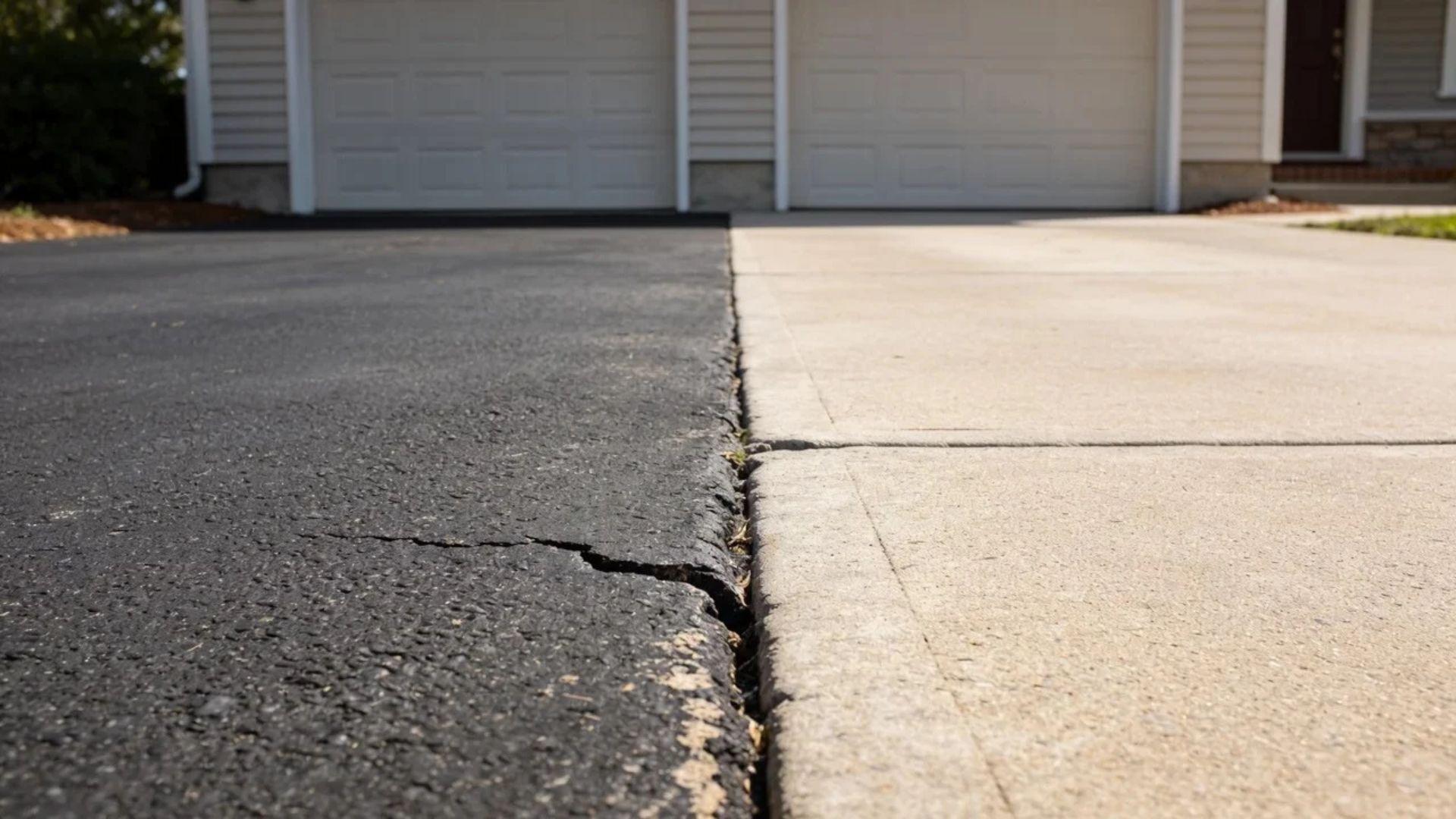
Asphalt usually costs less to install, while concrete usually needs less upkeep, though its repairs cost more when they come.
The factor that decides the lifetime total is how many resealing, patching, or replacement cycles each one needs.
Upfront Cost vs Long-Term Cost
No industry group or government agency publishes a per-square-foot driveway price, and the National Asphalt Pavement Association points homeowners to local contractors.
Treat these figures as marketplace estimates and confirm them against local quotes.
- Installed cost: NerdWallet’s September 2025 comparison lists concrete at $8 to $20 per square foot (attributed to Angi) and asphalt at $7 to $15.
- Regional gap: The Indiana Ready Mixed Concrete Association says asphalt installation costs less than half as much as concrete in some regions.
- Cost per year: For a 600-square-foot driveway, midpoints come to about $6,600 for asphalt and $8,400 for concrete. Over 17.5 years, asphalt runs roughly $377 a year before resealing, and concrete matches that only if it lasts about 22 years.
- Best case for concrete: At the association’s 35-year midpoint, concrete drops to about $240 a year, but its driveway page gives a wider 20- to 50-year range, so build quality and upkeep decide the result.
Lifespan, Repairs, and Maintenance Needs
Lifespan figures depend on who publishes them, so here are two industry sources side by side:
| Source | Represents | Concrete | Asphalt |
| Indiana Ready Mixed Concrete Association, Sept 2025 | Concrete producers | 30 to 40 years | 15 to 20 years |
| Colorado Asphalt Pavement Association technical brief, 2005 | Asphalt producers | Not covered | Up to 20 years |
The two industry groups land on about the same asphalt lifespan, so that number is the sturdiest one here.
If you’re leaning toward asphalt, it helps to know how long asphalt lasts once base quality, climate, and traffic are factored in.
The concrete figure comes from a concrete trade group, so treat it as a best case.
Upkeep splits like this:
- Asphalt: A Colorado Asphalt Pavement Association brief says to reseal every two to five years, and not until the driveway is several months old. The Indiana association says every 3 to 5 years.
- Concrete: The Indiana association advises checking for cracks and sealing occasionally.
- Repairs: The Indiana association says asphalt repairs are generally quicker and lower in cost, while concrete needs fewer repairs overall.
Those lifespan numbers also move with the weather, since freezing winters and hot summers punish each material in different ways.
Which Driveway Handles Your Climate Better?
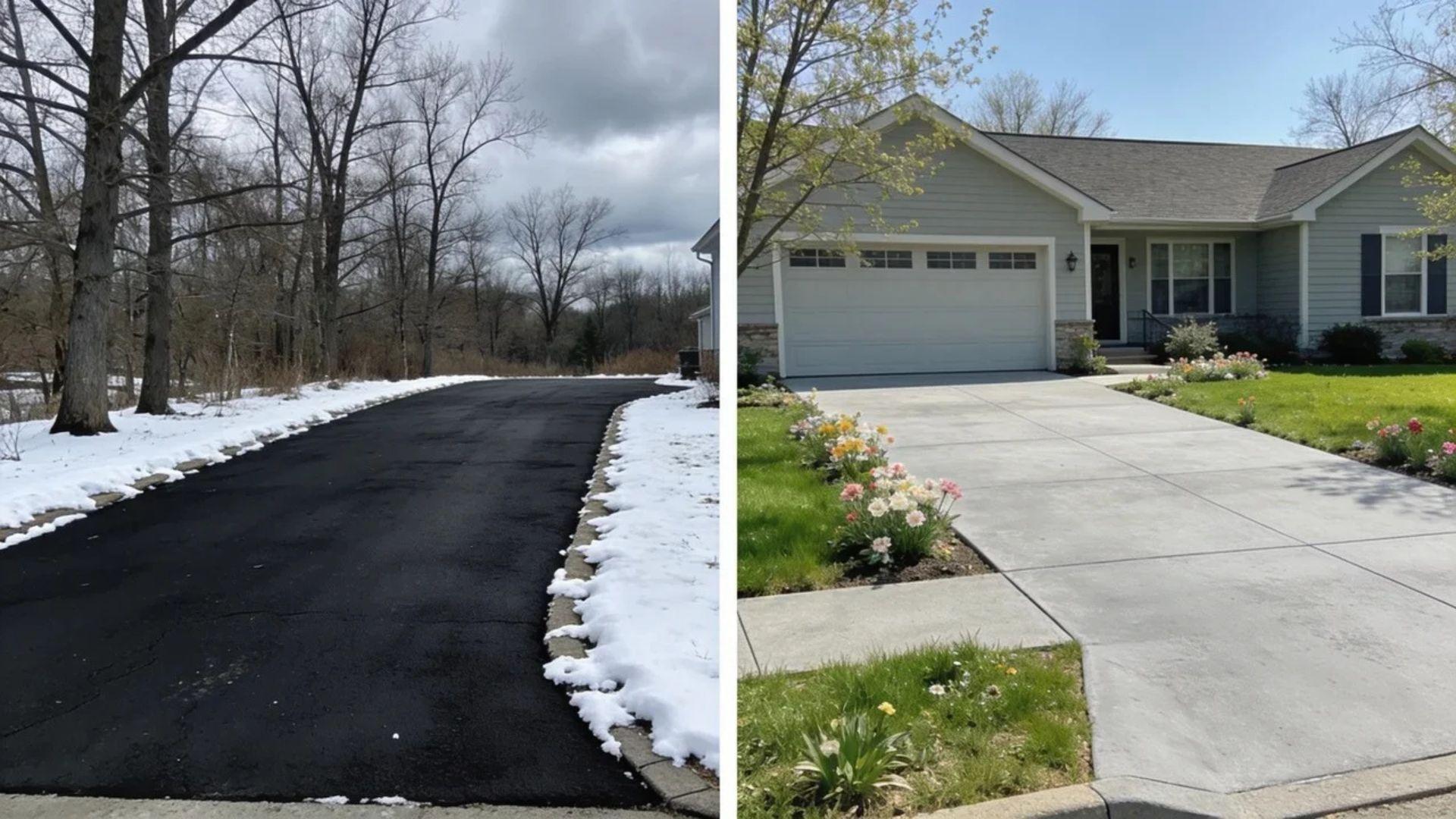
Asphalt generally suits freezing winters, and concrete generally suits hot summers.
The reason is how each material handles heat and moisture, and choices like air-entrained concrete, sealing, and surface color can shift the result for either one.
Concrete Driveway vs Asphalt in Freezing Winters
Each material has one winter advantage and one winter risk:
- Asphalt’s edge: The Minnesota LTAP pavement temperature guide says dark pavement absorbs more sunlight and can run up to 20°F warmer than the surrounding air. Snow can melt on contact once the pavement reaches 32°F, even when the air is colder.
- Concrete’s risk: Scaling, where the top layer flakes after repeated freeze-thaw cycles. Euclid Chemical, a concrete admixture maker, lists low air entrainment, excess de-icing salt, poor finishing, and inadequate curing as the usual causes.
- The fix: A 2010 study in Construction and Building Materials found a positive effect of air entrainment on scaling resistance. The Indiana association’s freeze-thaw guidance says air entrainment must be set in the mix design, not added after the slab hardens, and advises sand instead of harsh deicers during the first winter.
Hot Summers: Which Material Holds Up Better?
Concrete generally holds up better in heat, though neither material is immune:
- Asphalt’s risk: The Federal Highway Administration says modern Superpave mixes are designed to rut less in extremely hot weather, and Pavement Interactive says stiffer binders reduce rutting and shoving at high temperatures. That guidance covers roads, so ask your paving contractor what mix they use for driveways.
- Concrete’s risk: Concrete expands and shrinks with changes in temperature and moisture, according to the National Ready Mixed Concrete Association. Contraction joints are cut to control where the resulting shrinkage cracks form.
- Surface color: The same Minnesota LTAP guide notes that concrete’s lighter color keeps it cooler than asphalt.
Weather decides how a driveway performs, but not how it looks from the street. Appearance and resale value follow different rules.
Appearance, Design Options, and Resale Value
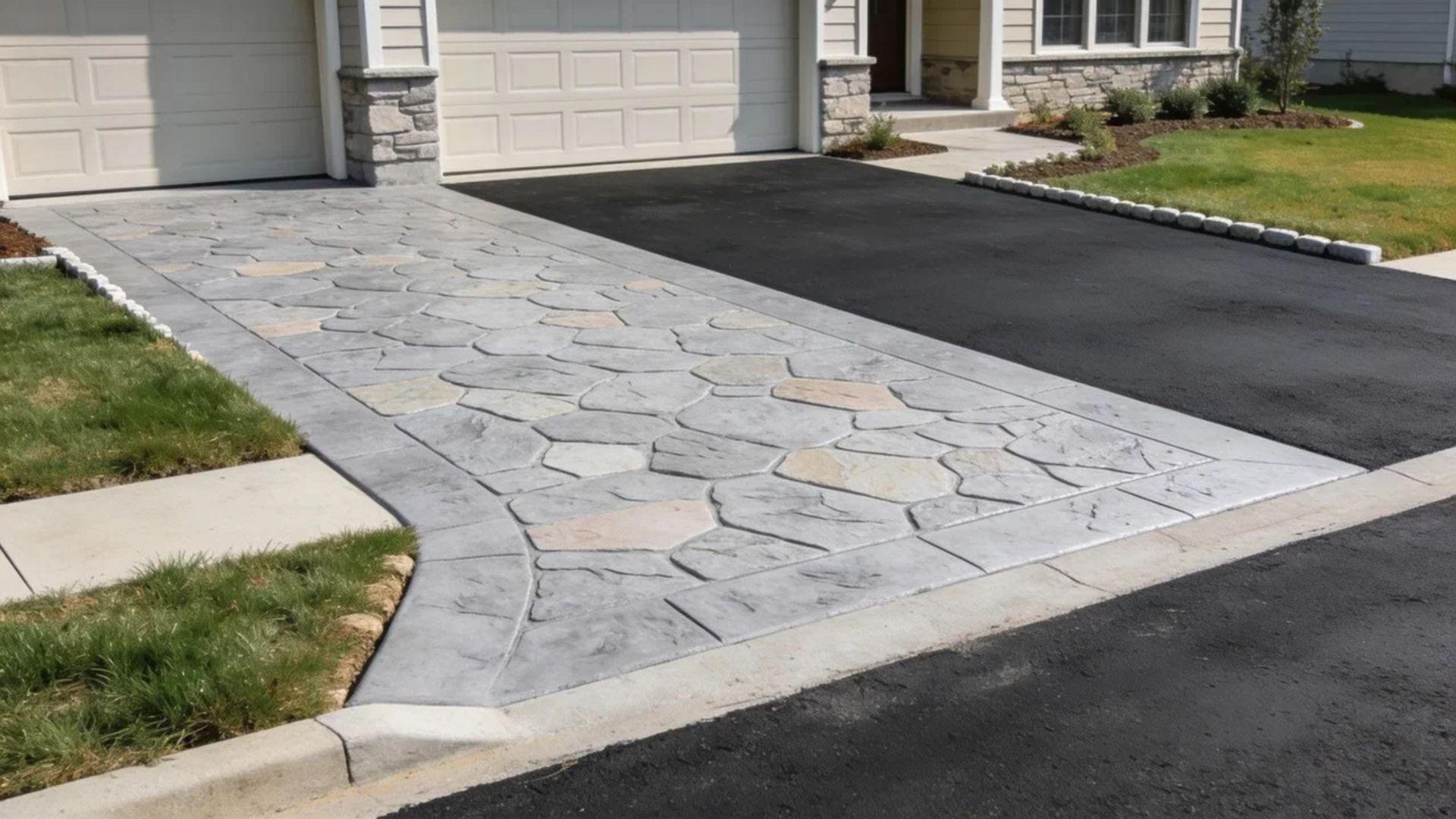
Concrete offers more design options, asphalt offers a uniform dark finish, and resale value for either depends on overall curb appeal and condition.
The Indiana Ready Mixed Concrete Association’s stamped concrete guide lists these concrete options:
- Color: Integral color mixed into the concrete, or dry shake color hardeners applied to the surface.
- Texture: Stamping mats that imitate slate, cobblestone, brick, or wood.
- Custom touches: Decorative borders and compass medallions, with sealers that enhance color and help resist moisture, stains, and wear.
Resale value is harder to pin down.
The National Association of Realtors’ 2023 Remodeling Impact Report on outdoor features does not cover driveways, though it says 97% of NAR members who work with residential sellers consider curb appeal important in attracting a buyer.
Treat any fixed dollar boost for either material with caution.
Cost, climate, and curb appeal rarely point to the same material, so something has to break the tie. A side-by-side table makes the trade-offs easier to weigh.
Which Driveway Should You Choose for Your Situation?
Concrete fits long-term, low-maintenance, hot-climate, and heavy-load needs, while asphalt fits lower upfront budgets, cold climates, and quicker, lower-cost repairs.
The table below sums up the pros and cons of each material.
| Factor | Asphalt | Concrete |
| Upfront cost | Lower | Higher |
| Lifespan | Shorter | Longer |
| Upkeep | Periodic sealcoating and crack filling | Occasional sealing and crack checks |
| Climate fit | Freezing winters | Hot summers |
| Repairs | Quicker and lower cost | Fewer overall |
| Appearance | Uniform dark finish | Wide range of finishes |
When conditions conflict, let climate break the tie first, then vehicle load, then budget.
A cold region with a tight budget points to asphalt, while a hot region or a driveway that holds RVs, trucks, or trailers points to concrete, since a stiff slab spreads load over a wider area.
If you want a stamped or colored finish, concrete’s design options tip the choice. Contractor quality and base preparation matter on either material, so compare local quotes for both.
Between the table and the tie-breakers, the decision itself is covered. What’s left is how to get quotes you can compare fairly.
Picking the Driveway That Fits Your Property
The asphalt vs concrete driveway decision gets easier once you stop asking which material is better and start asking which problem you would rather manage.
Concrete can crack and scale, while asphalt can rut in extreme heat and needs regular resealing.
Match that trade-off to your winters, your vehicles, and your budget, and the answer usually becomes clear.
Before you sign anything, ask two local contractors to put base depth, thickness, and any reinforcement in writing for both materials, then compare the quotes line by line.
Those details tell you more than the material name does.
Frequently Asked Questions
Is Asphalt the Same as Tarmac?
Not exactly. Merriam-Webster defines the trademarked Tarmac as a bituminous binder for roads, while a driveway’s asphalt is bitumen mixed with stone and sand. Everyday speech often blurs the two words.
How Thick Should an Asphalt Driveway Be?
The Colorado Asphalt Pavement Association brief calls for 6 to 8 inches of crushed aggregate base, topped by a 2-inch bottom layer and a 1.5-inch surface layer of hot mix asphalt.
How Far Apart Should Concrete Driveway Joints Be?
The National Ready Mixed Concrete Association says contraction joints should be spaced no more than 24 to 36 times the slab thickness, so a 4-inch slab gets joints at most every 8 to 12 feet. It also recommends keeping spacing under 15 feet.