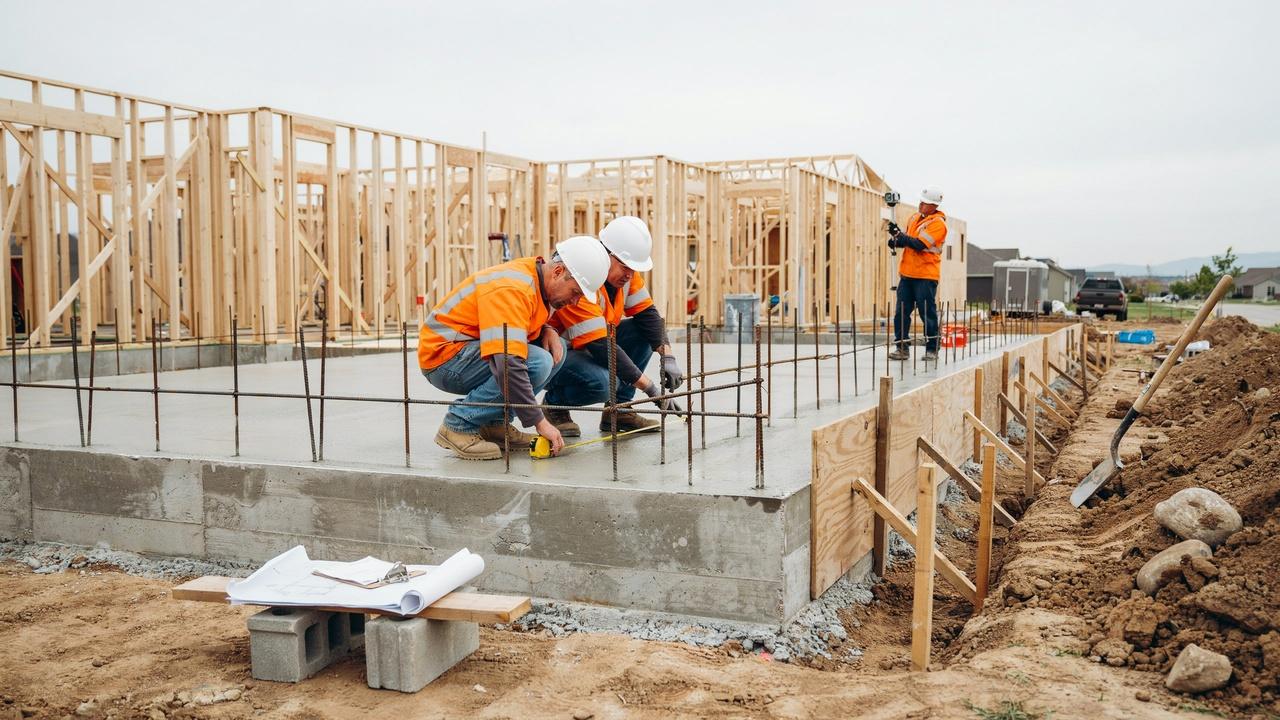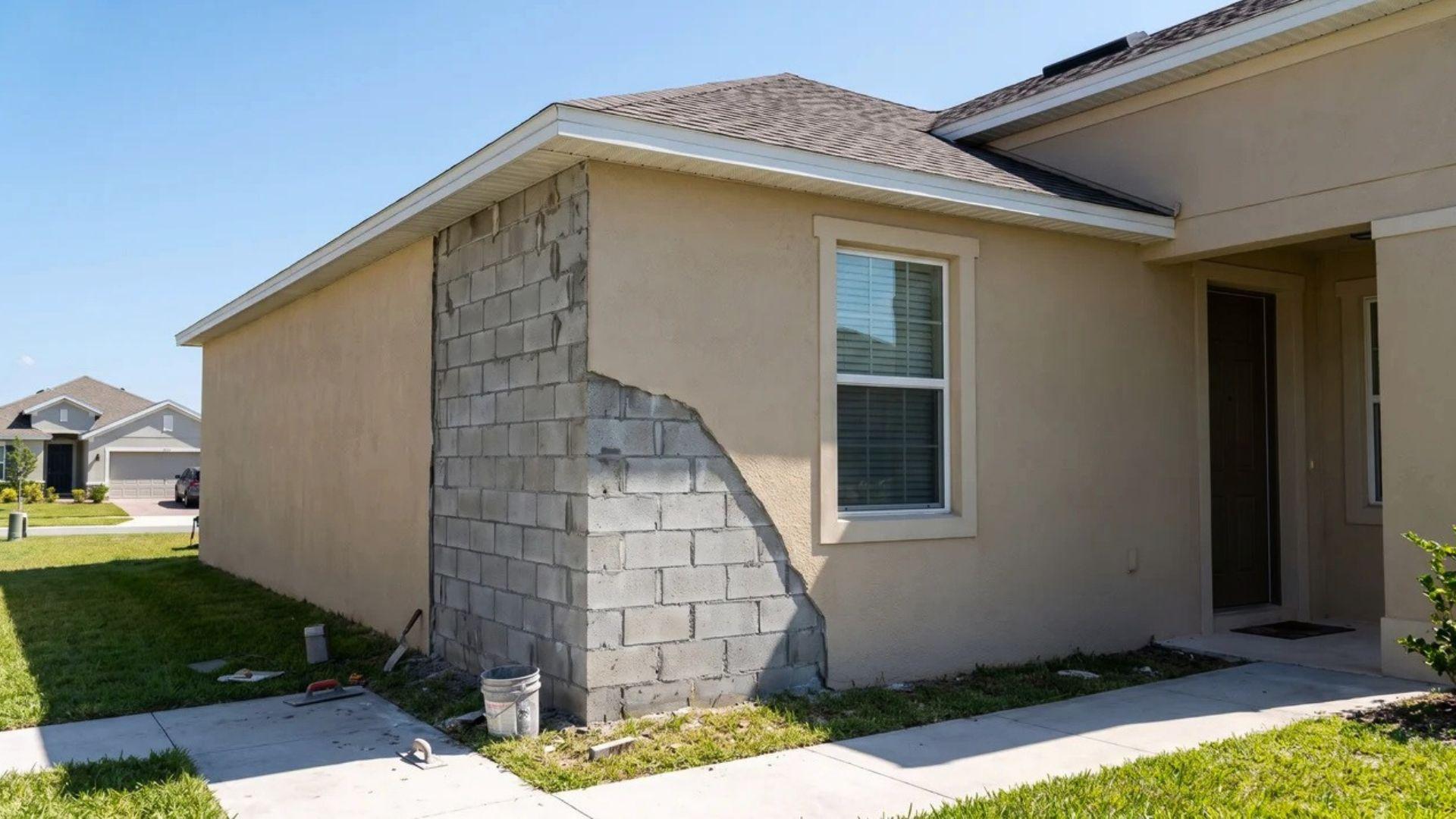
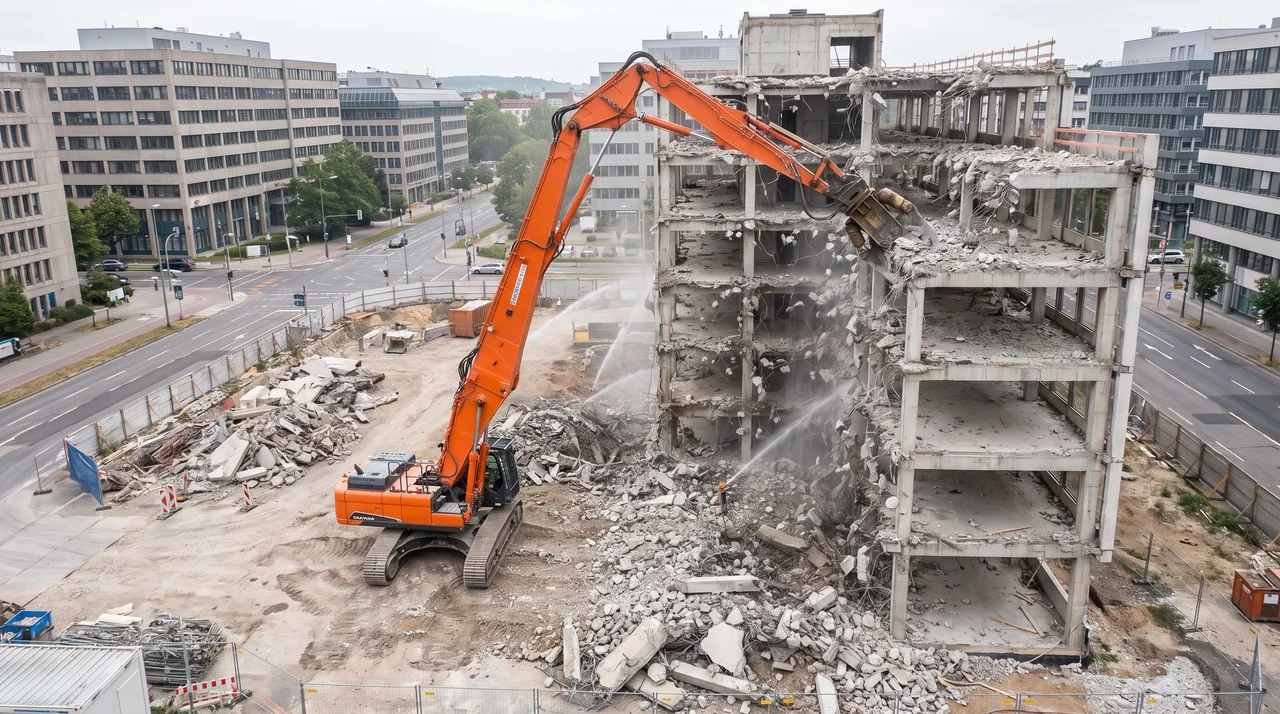
A reinforced concrete frame behaves completely differently under demolition than a steel structure built the same year. Same size. Same age. Completely different risks.
Structure demolition is the controlled removal of a building's load-bearing components walls, columns, beams, and foundations using methods selected based on what the structure is made of and where it sits.
You need to bring something down, but the wrong method choice can compromise adjacent structures or trigger a premature collapse.
That is not a rare outcome. It happens when the structural complexity gets underestimated before work begins.
What actually determines a safe, controlled structural demolition is more specific than most guides let on.
What Structure Demolition Actually Involves
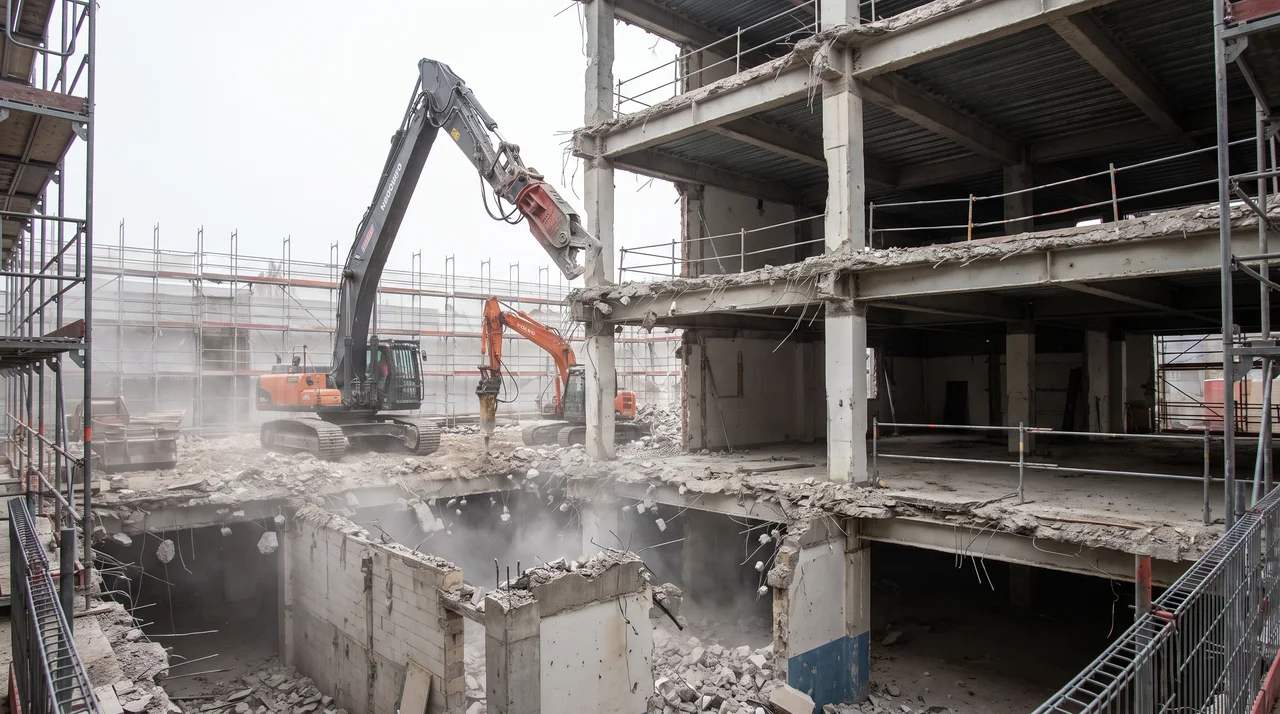
Pulling down a building is not one action. It is a sequence of decisions, each one shaped by what the structure is made of and what is around it.
How It Differs from Deconstruction
Deconstruction takes a building apart piece by piece to save materials for reuse. Demolition removes the structure fast and completely.
Deconstruction costs more in labour and time. It makes financial sense when salvageable materials old timber, steel beams, brick have resale value.
If the materials have no recovery value, demolition is the practical choice.
When a Structure Needs to Come Down
A structure reaches the end of its life for specific reasons. Severe foundation failure. Fire or flood damage that compromises load-bearing walls.
A building condemned after an engineering inspection. Sometimes a site is cleared for new development, and the existing structure has no adaptive reuse value.
Each scenario carries its own urgency and its own method requirements.
The Four Main Methods and How to Choose One
The method is never chosen by preference. It is forced by the structure's height, its surroundings, its materials, and how much time and space the site allows.
1. Mechanical Demolition

This is the most commonly used method. A high-reach excavator tears through load-bearing walls, columns, and floor slabs systematically.
It works well for low- to mid-rise structures with open site access. The machine applies force at specific structural points, bringing sections down in a controlled sequence.
Speed and cost efficiency make it the default choice for most projects.
2. Controlled Implosion
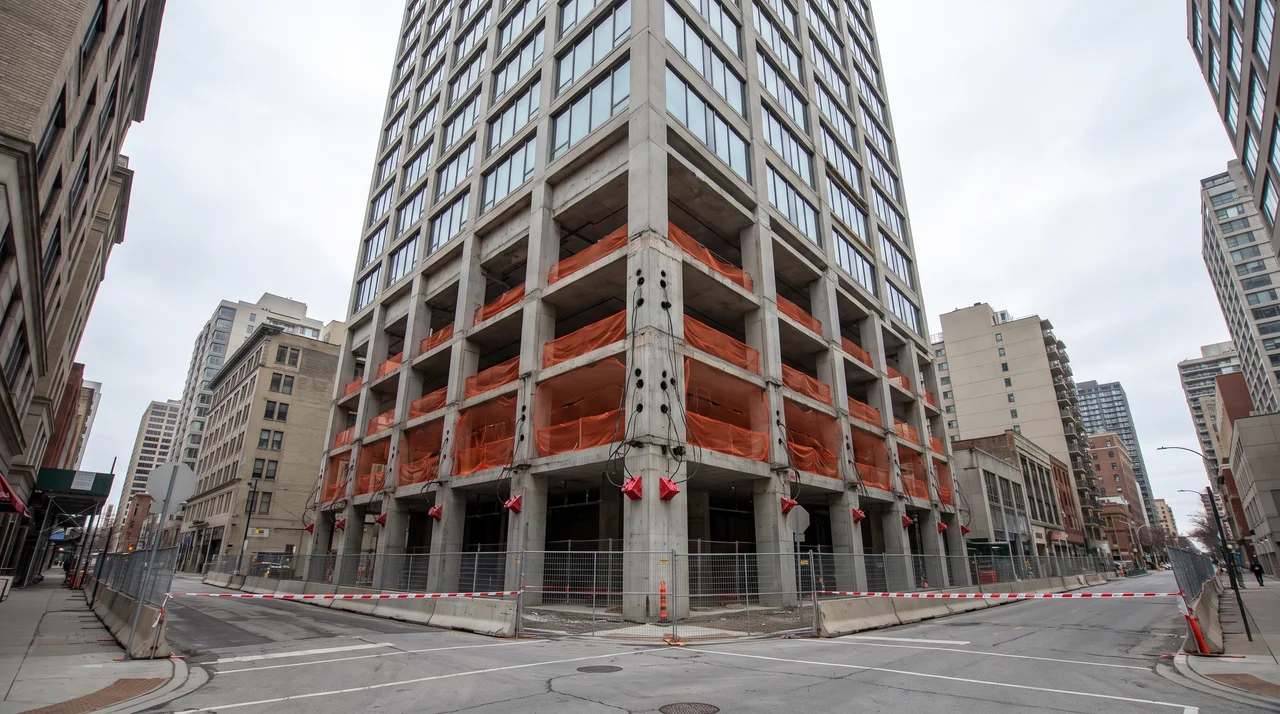
Explosives are placed at key load-bearing points and detonated in a timed sequence, collapsing the structure inward onto its own footprint.
This method is reserved for tall buildings in dense urban areas where mechanical equipment cannot safely operate. Planning alone can take weeks.
A miscalculated charge sequence has destroyed neighbouring structures, which is why blasters study blueprints in detail before a single explosive is placed.
3. Top-Down Manual Demolition

This method removes the structure floor by floor, starting at the roof and working toward the ground. It is used when adjacent buildings must be protected from vibration or debris.
Workers dismantle load-bearing elements in a controlled sequence using hydraulic breakers and cutting equipment.
It is slower than mechanical demolition but gives the crew precise control over how each structural section comes down.
4. Selective and Partial Demolition
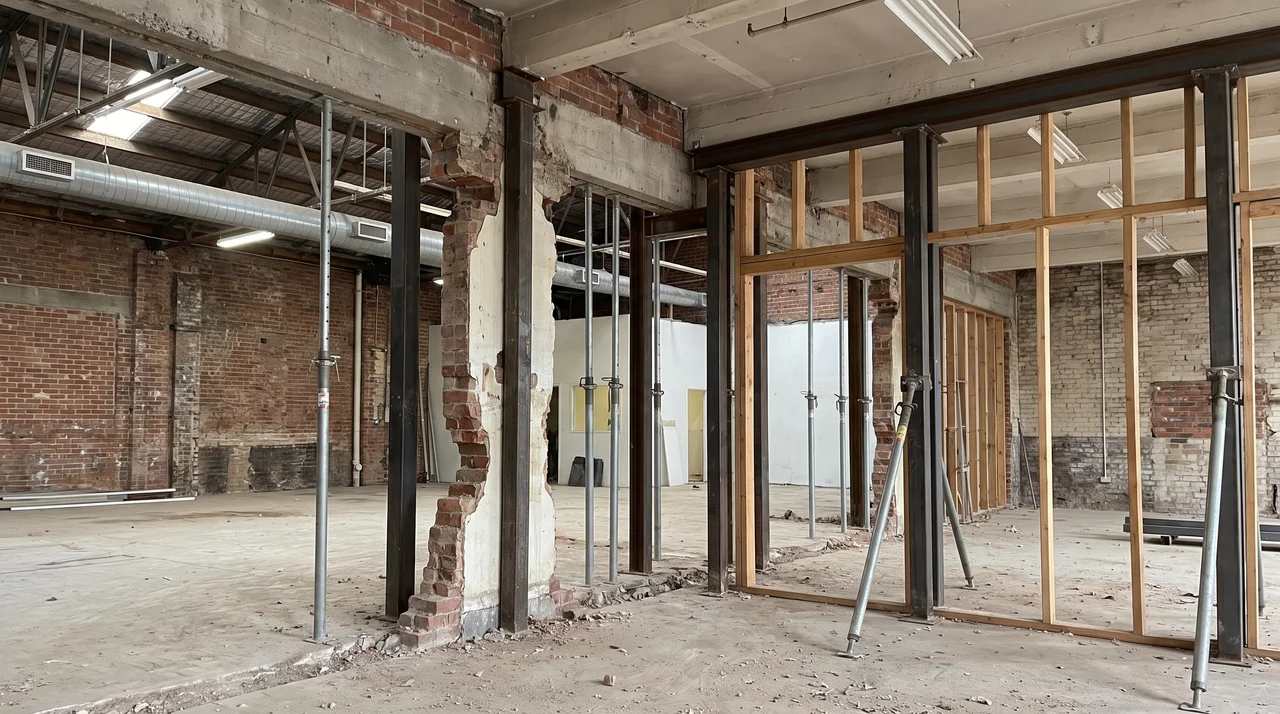
Not every project requires full removal. Selective demolition targets specific load-bearing components while keeping the rest of the structure intact.
A common example is removing a structural wall to reconfigure a commercial floor plan.
This requires temporary shoring and bracing before anyone touches a load-bearing element, because removing one column without support can trigger progressive collapse in the sections above it.
The Demolition Process Before Work Begins
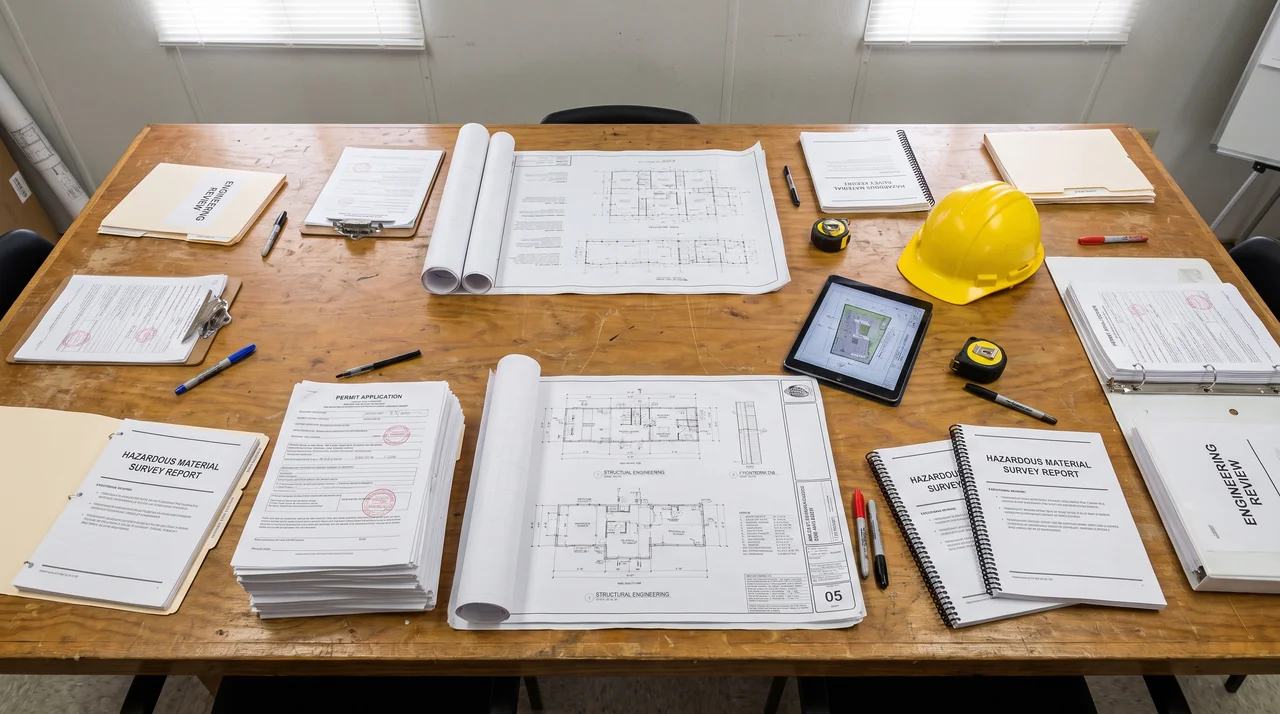
What happens before the first machine arrives determines whether the project runs clean or runs into legal and structural problems nobody budgeted for.
Site Survey and Structural Assessment
This is not a walkthrough. A competent engineer maps every load-bearing element, checks for unreported modifications, and evaluates how the structure will behave as it comes down.
Older buildings often have unapproved alterations that change original load paths.
Missing that detail before demolition begins is how progressive collapse happens on sites that look straightforward.
Hazardous Material Removal
Asbestos, lead paint, and silica cannot be demolished through. They have to come out first, handled by licensed specialists under EPA regulations.
Pre-1978 structures require a mandatory asbestos survey before any structural work starts. Skipping this does not speed the project up.
It stops it completely, triggers fines, and puts workers at serious legal and health risk.
Permits, Approvals, and Timelines
Full structural demolition always requires a permit. No jurisdiction skips this. Typical approval takes five business days for straightforward residential structures, longer for commercial or historically significant buildings.
The permit process requires submitted demolition plans, proof of utility disconnection, and in some cities, a completed hazardous material clearance report before approval is granted.
How Structural Complexity Affects the Job

The material a building is made from changes everything: the equipment needed, the time it takes, and how carefully each structural element has to be approached.
Reinforced Concrete, Steel, and Wood Frame: What Changes
Reinforced concrete needs hydraulic breakers and concrete crushers to separate steel rebar from the slab. Steel structures require hydraulic shears to cut through connections at each joint.
Wood-frame buildings come down faster and with lighter equipment. The material type is the first thing a demolition engineer looks at because it directly determines which machines come to site.
How Building Age and Modifications Change the Approach
A building constructed in the 1960s may have had three owners and two structural alterations since then. None of those changes may exist on paper.
Unreported modifications to load-bearing walls or columns shift the load paths in ways the original blueprints no longer reflect.
This is why the pre-demolition engineering survey on older buildings takes longer and costs more than on newer structures.
What Can Go Wrong in Structural Demolition
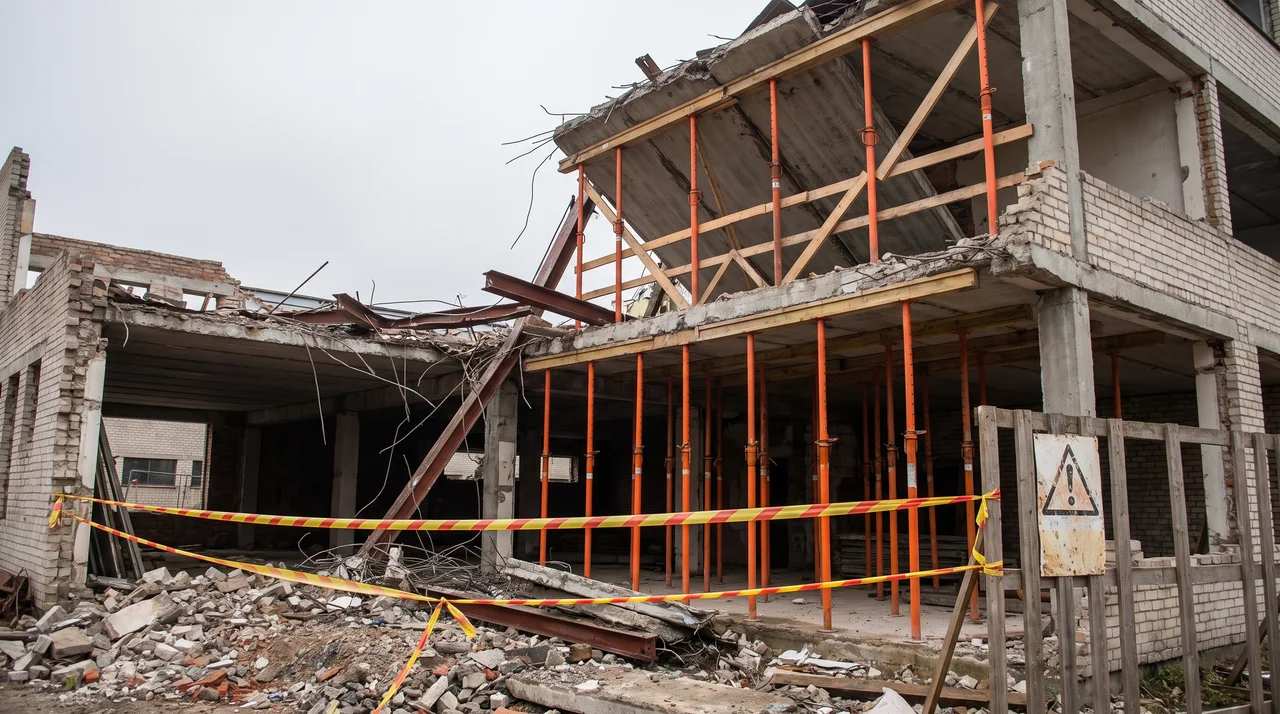
Structural demolition has a narrow margin for error, and the mistakes that cause the most damage are rarely the obvious ones.
Premature Collapse and Structural Instability
Premature collapse happens when a load-bearing element is removed before temporary propping is in place to carry the load above it.
A single column taken out of sequence can trigger progressive collapse through multiple floors in seconds.
This is not a rare outcome on poorly planned sites. It is the most cited cause of worker fatalities in structural demolition projects across the United States.
Hidden Hazards Inside Load-Bearing Components
Post-tensioned concrete is one of the most dangerous materials on a demolition site. The steel cables running through it are under enormous tension.
Cut one without releasing the tension first, and the cable snaps with enough force to kill.
Lead sheeting inside older structural walls and chemical residue from decades of industrial use inside concrete columns are two more hazards that a standard visual survey will not catch without material sampling.
Final Thoughts
Structure demolition is not a single action; it is a process that starts long before any equipment arrives on site.
The material type, building age, hidden modifications, and site conditions all shape how the job gets done and what can go wrong if any step is skipped.
Getting the method right, the survey done properly, and the permits in order before work begins is what separates a clean project from a costly one.
If you are planning a demolition and unsure where to start, share this with your contractor before your first conversation; it will save you both time.
Frequently Asked Questions
How Long Does Structure Demolition Typically Take?
A small residential structure takes one to three days. A large commercial building can take several weeks depending on size, method used, and site conditions.
Do Utilities Need to Be Disconnected Before Demolition Starts?
Yes. Gas, electricity, and water must be formally disconnected and signed off by the utility provider before any structural work begins.
Is It Better to Demolish or Deconstruct?
Demolition is faster and cheaper. Deconstruction makes sense only when salvageable materials have genuine resale value that offsets the higher labour cost.
Who Is Responsible If Something Goes Wrong During Demolition?
The licensed demolition contractor holds primary liability. The property owner can also carry responsibility if proper permits and surveys were not obtained beforehand.
Is Demolition Noise Restricted by Local Regulations?
Yes. Most jurisdictions set permitted working hours and noise limits for demolition sites. Your contractor must confirm local rules before scheduling work.