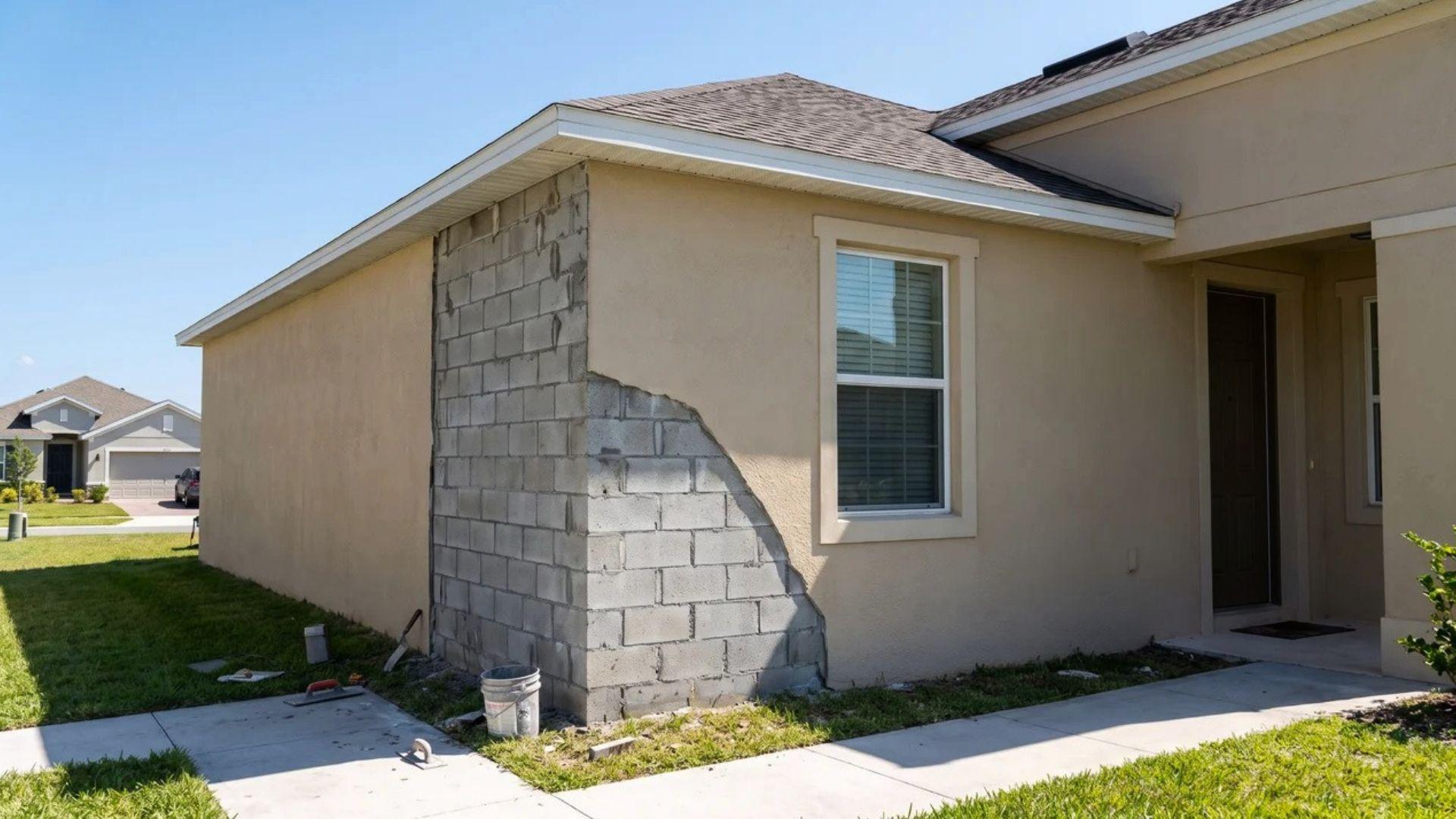

Noticing step cracks in brick on your home's exterior can be worrying. You may not be sure what caused them or how serious they are. These jagged, stair-like cracks often run along the mortar joints and can point to anything from normal settling to a bigger foundation issue.
Based on research into common causes, diagnostic methods, and repair approaches used by foundation and masonry professionals, this article will explain what step cracks in brick actually mean, what causes them, and how to tell the difference between a minor cosmetic issue and a warning sign that needs attention.
We will also cover practical steps you can take right now. Homeowners who catch these signs early often save thousands on repairs later. By the end, you will know exactly what to look for and what to do next.
What Do Step Cracks in Brick Mean?
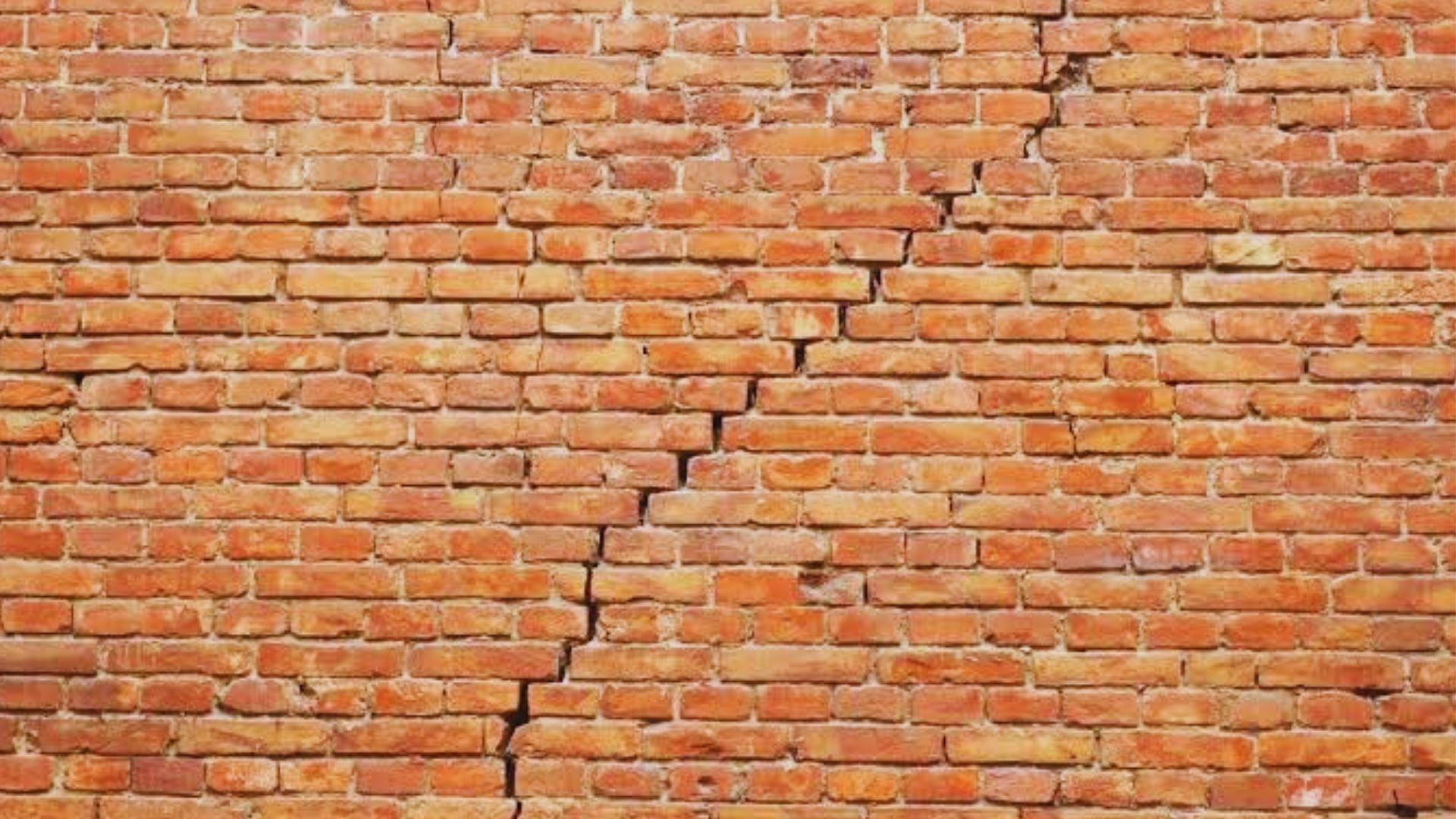
Step cracks get their name from the way they move through a brick wall. Instead of running straight up and down, they zigzag along the mortar joints, following the path of least resistance between bricks. This pattern happens because mortar is weaker than brick itself, so cracks naturally follow the seams rather than breaking through solid brick.
These cracks usually appear when something beneath or around the foundation shifts unevenly, what professionals call differential movement. That movement puts pressure on the wall above, and the brick responds by cracking along its weakest points.
A small step crack does not always mean disaster, but it is a signal that something changed in the structure or the ground supporting it. Most of what follows applies to brick veneer, the thin decorative layer attached to your home's frame.
Step cracks in a block foundation wall, which actually carries the weight of the house, are a different and often more urgent problem. Understanding what these cracks represent is the first step toward figuring out whether you need to worry or simply keep an eye on things.
What Causes Step Cracks in Brick?
Several factors can trigger step cracks, and most trace back to movement in the soil, the foundation, or the ties holding the brick veneer to the frame.
Knowing the common causes helps you figure out what might be happening at your own property.
Foundation Settling
All foundations settle a little after construction as the soil beneath adjusts to the weight of the home. When settling happens evenly, cracks rarely form.
But when one section of the foundation settles faster than another, the uneven pressure often shows up as step cracks in the brick above.
Soil Movement and Expansion
Expansive clay soil swells when wet and shrinks when dry. This constant swelling and shrinking puts repeated stress on a foundation.
Over time, that back and forth movement can crack mortar joints, especially in areas with long dry seasons followed by heavy rain.
Poor Drainage Around the Home
Water that pools near the foundation instead of draining away softens the soil underneath.
Soft, saturated soil cannot support the weight of the structure evenly, which leads to shifting and, eventually, step cracks appearing along exterior brick walls.
Temperature Changes and Freeze-Thaw Cycles
In colder climates, water that seeps into small gaps freezes and expands, then thaws and contracts.
This freeze-thaw cycle repeats every winter and slowly widens existing cracks or creates new ones in brick and mortar over time.
When Are Step Cracks in Brick a Serious Problem?
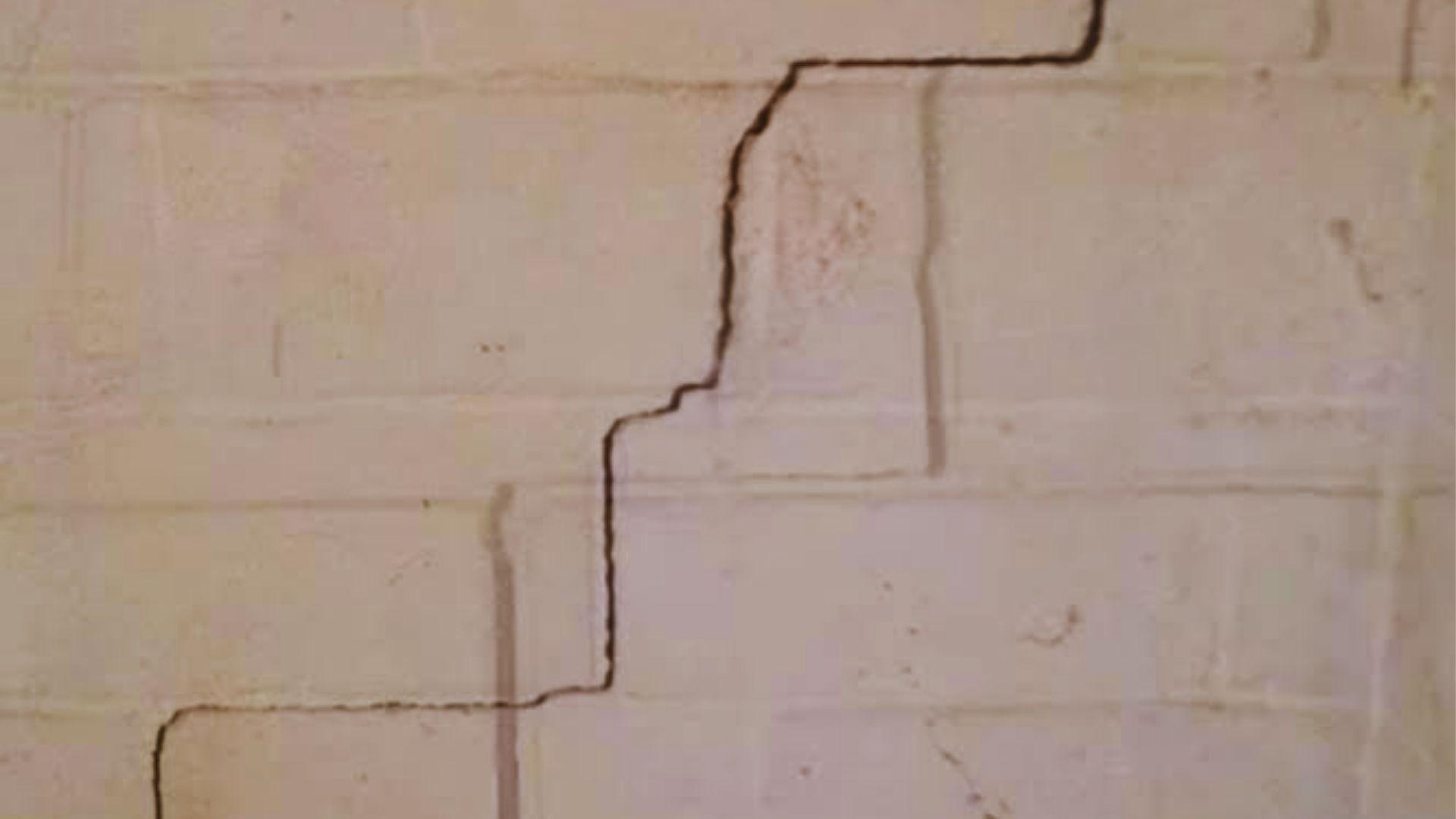
Not every step crack means trouble, but certain signs suggest the issue goes deeper than surface wear.
A crack that is wider than a quarter inch, one where the bricks on either side no longer line up flush (a sign called displacement), one that keeps growing over several months, or one paired with doors and windows that stick are all reasons for concern.
You should also pay attention if cracks appear on both the inside and outside of a wall, since that often points to a problem affecting the whole structure rather than just the brick veneer.
Location matters too. Cracks near corners of the home or close to window and door openings tend to carry more weight, since these areas already experience extra stress.
If a step crack is paired with a sloping floor, gaps around trim, or a wall that looks like it is leaning, treat it as a signal to investigate further rather than something to ignore.
Step Cracks in Brick: Cosmetic vs. Structural
Telling the difference between a cosmetic crack and a structural one can save you unnecessary worry or, on the other hand, help you catch a real problem early.
One of the biggest clues is displacement, meaning the brick on one side of the crack no longer sits flush with the other.
| Factor | Cosmetic Crack | Structural Crack |
| Width | Cosmetic cracks are usually thin, often less than one-eighth of an inch wide, and stay roughly the same size over months or even years without spreading. | Structural cracks tend to be wider than a quarter inch and often continue growing steadily, sometimes noticeably wider within just a few months of first appearing. |
| Pattern | These cracks stay isolated to a small section of mortar and do not connect with other cracks or extend across multiple rows of brick on the wall. | These cracks often stretch across several courses of brick, sometimes connecting with cracks on other walls, forming a pattern that suggests widespread foundation movement. |
| Accompanying Signs | Cosmetic cracks typically appear alone, without sticking doors, uneven floors, or gaps forming around window and door frames elsewhere in the home. | Structural cracks usually show up alongside other warning signs like doors that no longer close properly, sloping floors, or visible gaps around trim and frames. |
| Cause | These often result from minor, normal settling that every home experiences shortly after construction or from small seasonal soil shifts that are not significant. | These usually stem from ongoing foundation movement, weakened brick ties, major soil erosion, drainage failure, or settling that has continued well past the home's normal adjustment period. |
How to Check Whether Step Cracks Are Getting Worse
Tracking a crack over time is one of the easiest ways to know if it needs professional attention.
- Take a photo of the crack next to a ruler or tape measure so you have a clear width reference.
- Mark both ends of the crack lightly with a pencil to see if it extends further over the coming weeks.
- Check the crack monthly and compare new photos against the older ones to spot gradual changes.
- Watch for changes after heavy rain, since water can speed up movement in unstable soil.
- Note whether doors or windows near the crack start sticking or no longer close evenly.
- Use a simple crack monitor, a small plastic gauge available at hardware stores, for a more precise reading.
What Should You Do About Step Cracks in Brick?
Once you notice a step crack, the right response depends on how serious it looks and how it behaves over time. Here are the main paths homeowners typically take.
Monitor the Crack First
If the crack seems small and stable, start by simply watching it for a month or two. Document its size and location with photos, and check back regularly.
This gives you real evidence to work with instead of guessing whether the issue is growing.
Fix Drainage Issues Nearby
Since poor drainage is a common cause, check that gutters direct water away from the foundation and that the ground slopes away from your home.
Fixing drainage problems early can stop soil movement before it causes further cracking.
Reseal or Repoint the Mortar
For cracks that are cosmetic and stable, resealing or repointing the mortar joint can prevent water from getting in and making things worse.
This typically costs a few hundred dollars and also improves the wall's appearance.
Get a Professional Inspection
If the crack is wide, growing, or paired with other warning signs, it is time to bring in an expert.
A foundation specialist can determine the actual cause and recommend the right repair, such as helical piers or push piers to stabilize the foundation, before the problem spreads further.
When Should You Call a Professional?
Certain warning signs mean it is time to stop monitoring and call in an expert. If a crack widens noticeably within a few weeks, if you see cracks on multiple walls at once, or if doors and windows throughout the home start sticking, these are not signs to wait out on your own.
A structural engineer can inspect the crack, check the soil conditions, and look at the overall foundation to determine what is really going on. They can also tell you whether the fix is minor, like improving drainage, or more involved, like underpinning part of the foundation. Getting this evaluation early usually costs far less than waiting until the damage spreads.
How to Prevent Step Cracks From Coming Back
A few ongoing habits can reduce the chances of new step cracks forming after repairs are complete.
- Keep gutters clean and make sure downspouts carry water at least several feet away from the foundation.
- Grade the soil around your home so it slopes away from the walls rather than toward them.
- Water your foundation lightly during long dry spells to keep clay soil from shrinking too much.
- Avoid planting large trees too close to the house, since roots can pull moisture from the soil unevenly.
- Check your foundation and brick walls twice a year, especially after extreme weather.
Conclusion
Step cracks in brick are common, but they are not something to dismiss without a closer look. Most start small and stay harmless, while others point to real movement happening beneath your home.
The key is watching for changes in width, pattern, and any accompanying signs like sticking doors or sloping floors. If you catch a crack early and track it carefully, you give yourself the best chance to fix small problems before they turn into expensive ones.
Don't wait for the crack to widen. Take a few minutes this week to check your walls with the steps above, and if something looks off, contact a foundation specialist for an inspection before a small movement turns into a costly repair.
Frequently Asked Questions
Can step cracks in brick be repaired without fixing the foundation?
Yes, if the crack is cosmetic and stable. Repointing the mortar seals the gap, but if the foundation keeps moving, the crack will likely return.
Does home insurance cover step crack repairs?
It depends on the cause. Most policies cover sudden damage but exclude gradual settling, so check your specific policy details carefully.
How long does it take for a step crack to appear after a foundation problem starts?
It varies widely. Some cracks show up within months of soil shifting, while others take years to become visible.
Can weather alone cause step cracks without a foundation issue?
Yes. Extreme temperature swings and freeze-thaw cycles can crack mortar even when the foundation itself is stable and healthy.
Is it safe to live in a home with step cracks while waiting for an inspection?
Usually yes, if the crack is small and stable. Wide or rapidly growing cracks should be evaluated sooner rather than later.