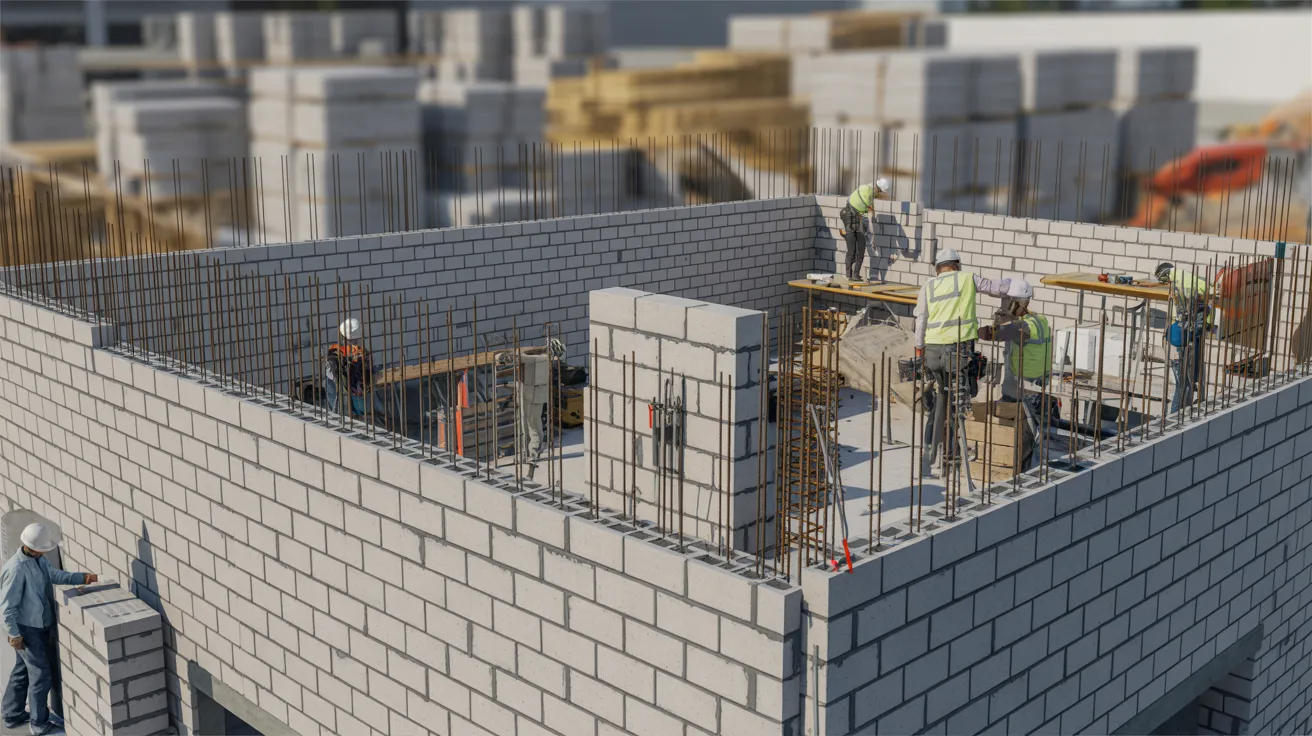

Starting out in commercial construction is not easy. There is a lot to take in, and it can feel like everyone else already knows what they are doing.
This article is here to help. We will cover the most practical tips for beginners in commercial construction, from learning key terms to using modern tools on the job.
Having spent time working alongside construction professionals, we know what beginners actually struggle with.
You will find simple, honest advice that you can apply right away. No complicated language, no fluff. Just real guidance to help you start strong, stay safe, and grow fast in this field.
What Is Commercial Construction?
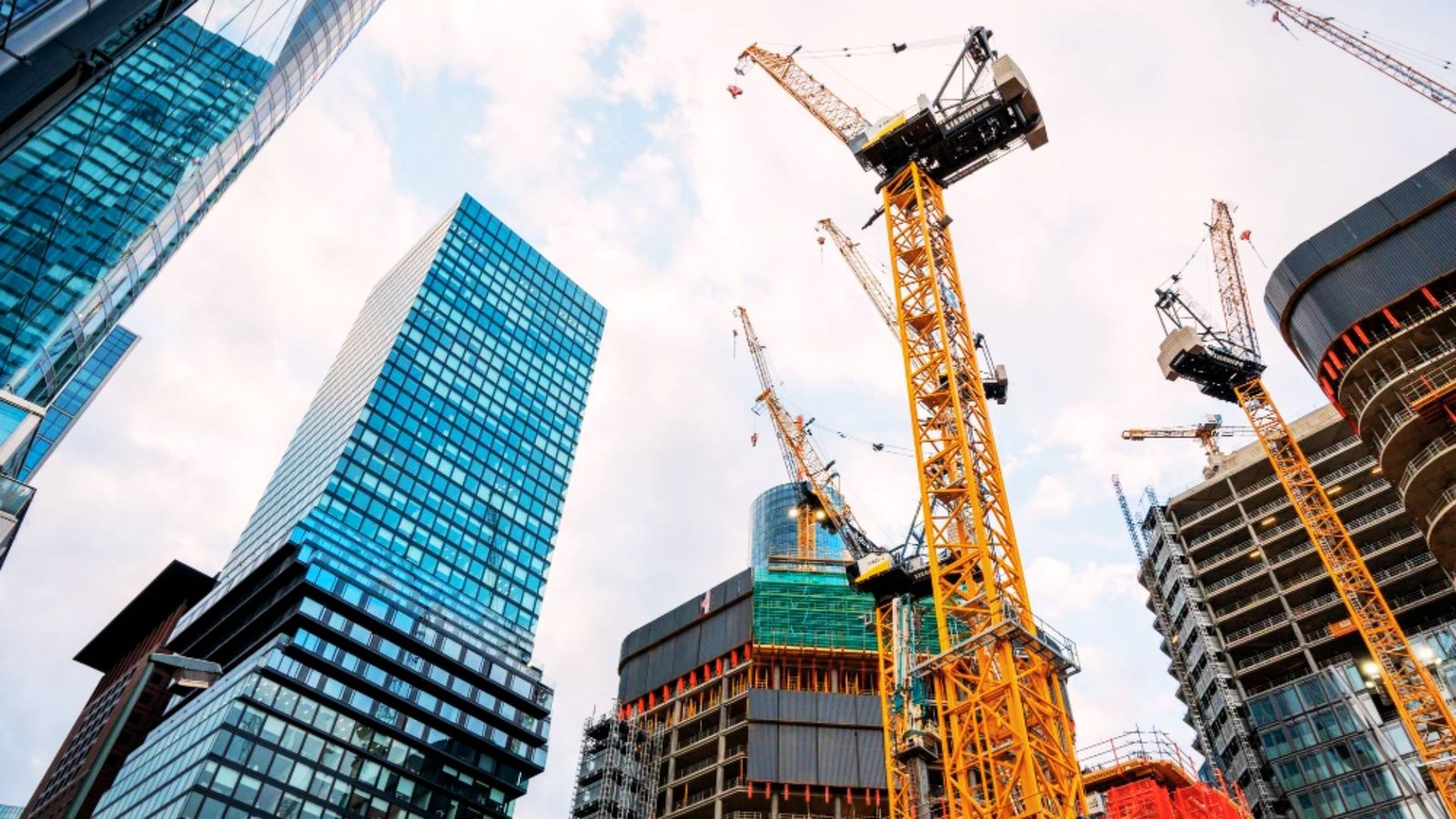
Commercial construction is the process of building structures designed for business use, including offices, retail stores, hotels, and warehouses.
Commercial construction covers the planning, design, and building of spaces used for business purposes. This includes office buildings, retail shops, hotels, and industrial facilities.
These projects follow strict safety codes and regulations. A team of contractors, engineers, and project managers work together to complete the job.
Projects vary in size and scope. Some are new builds, while others involve renovating existing structures. Cost and timeline depend on the size and complexity of the project.
Types of Commercial Construction Projects
Commercial construction includes many building types, each built for a specific use and purpose.
Office and Retail Buildings
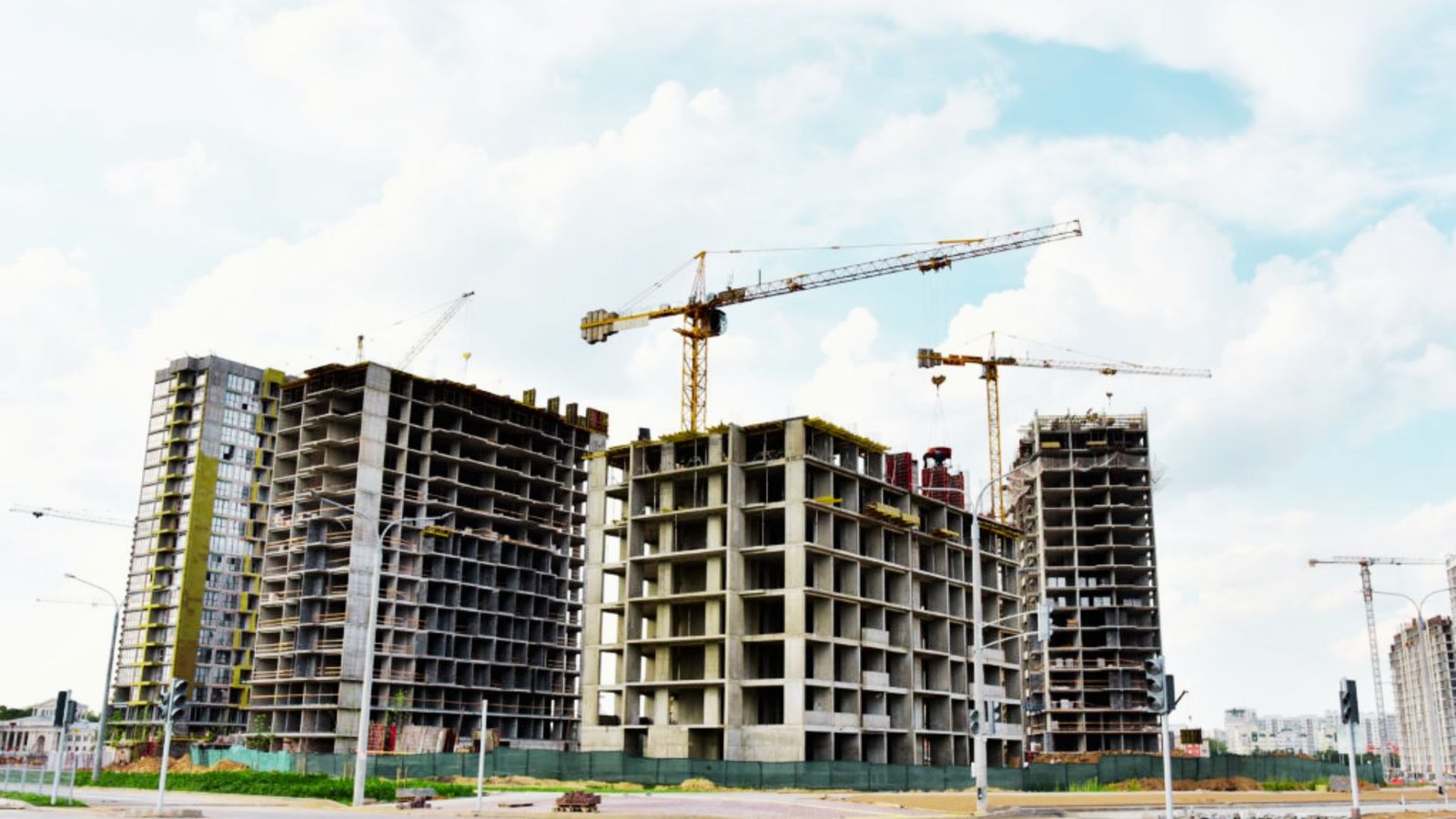
Office buildings give businesses a place to run daily operations. They range from small single story spaces to large corporate towers. The layout depends on the type of work and the number of people using the space.
Retail buildings are built to attract customers and support easy shopping. Strip malls, standalone stores, and shopping centers all fall here. A good retail layout improves customer flow and boosts sales.
Hotels and Healthcare Facilities

Hotels are built for guest comfort and convenience. Construction must cover room layout, plumbing, electrical systems, and common areas. Fire safety and accessibility codes are also a big part of the build.
Healthcare facilities follow very strict building codes. Hospitals and clinics must meet rules on room sizes, ventilation, and infection control. Every detail in these buildings affects patient care and staff performance.
Warehouses and Mixed Use Buildings

Warehouses are large open structures used for storage, logistics, or manufacturing. They need high ceilings, wide floor space, and easy truck access. Many also include office areas and temperature controlled zones.
Mixed use buildings combine two or more functions in one structure. A common setup includes retail on the ground floor, offices in the middle, and apartments on top. These projects require careful planning to meet the needs of different users at the same time.
How Commercial Construction Projects Work
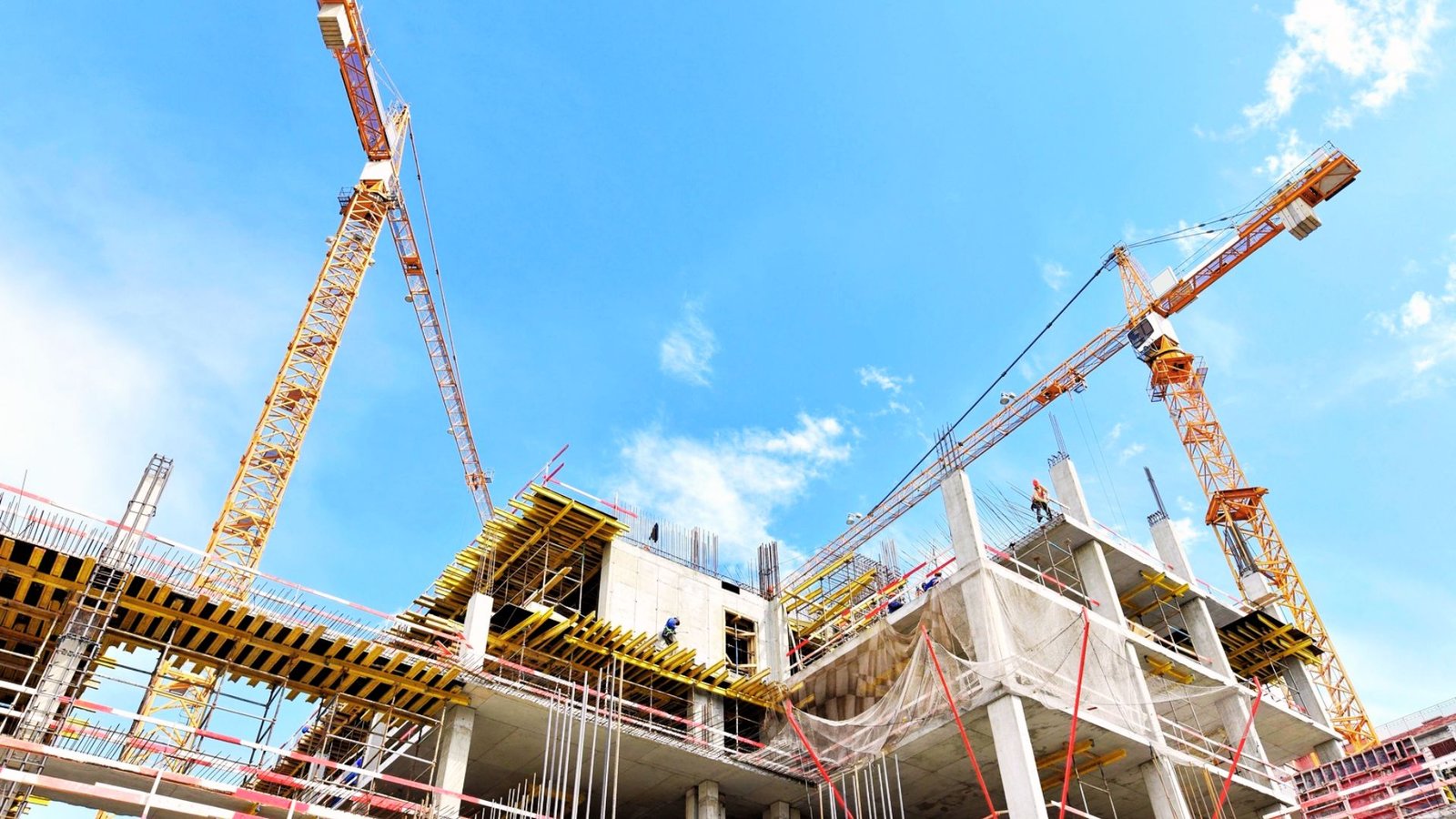
Commercial construction follows a step by step process that takes a project from an idea to a finished building.
Planning and Design Phase
This is where everything begins. The project owner works with architects and engineers to create blueprints and get the necessary permits.
A strong plan at this stage prevents costly mistakes later.
Pre Construction and Budgeting
Before construction starts, the team builds a detailed budget and sets a timeline. A general contractor is brought in to review costs for labor, materials, and equipment.
Clear budgeting keeps the project from going off track.
Procurement of Materials and Equipment
The team sources all materials and equipment needed for the build. Ordering early helps avoid supply delays that could slow down the entire project.
Construction and Building Phase
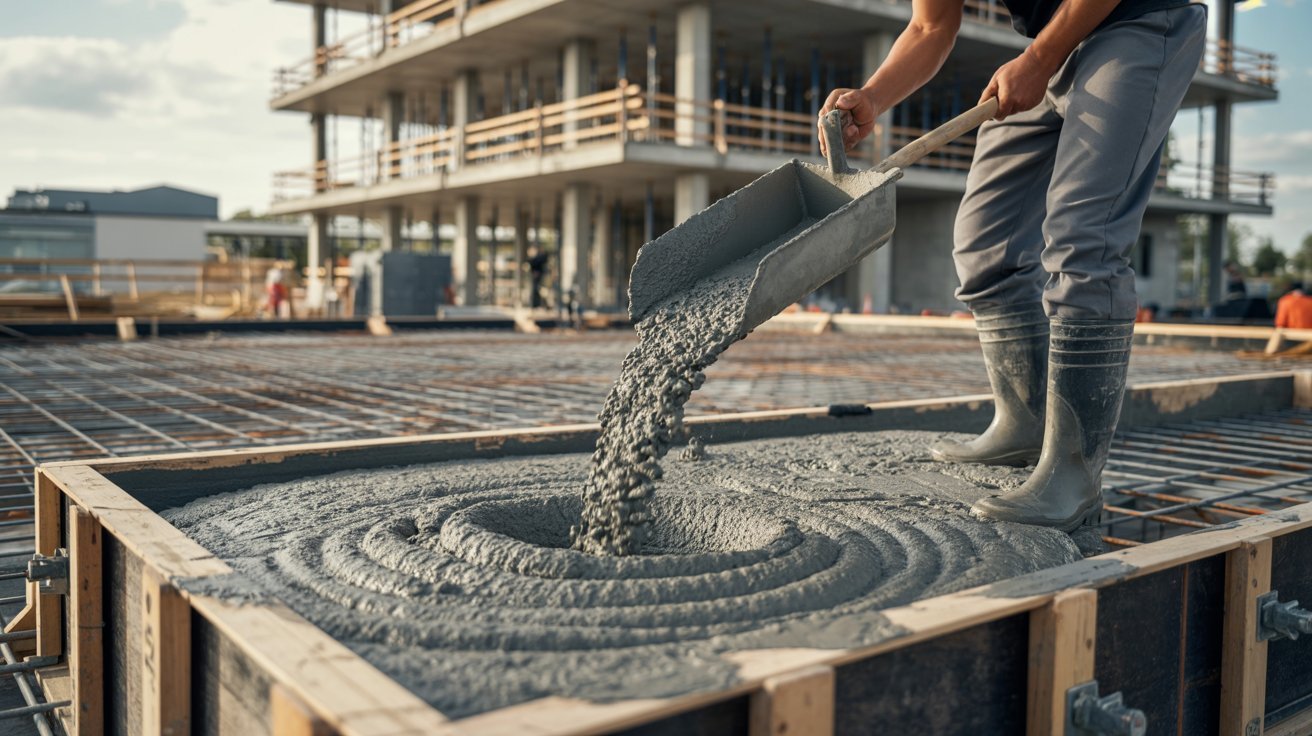
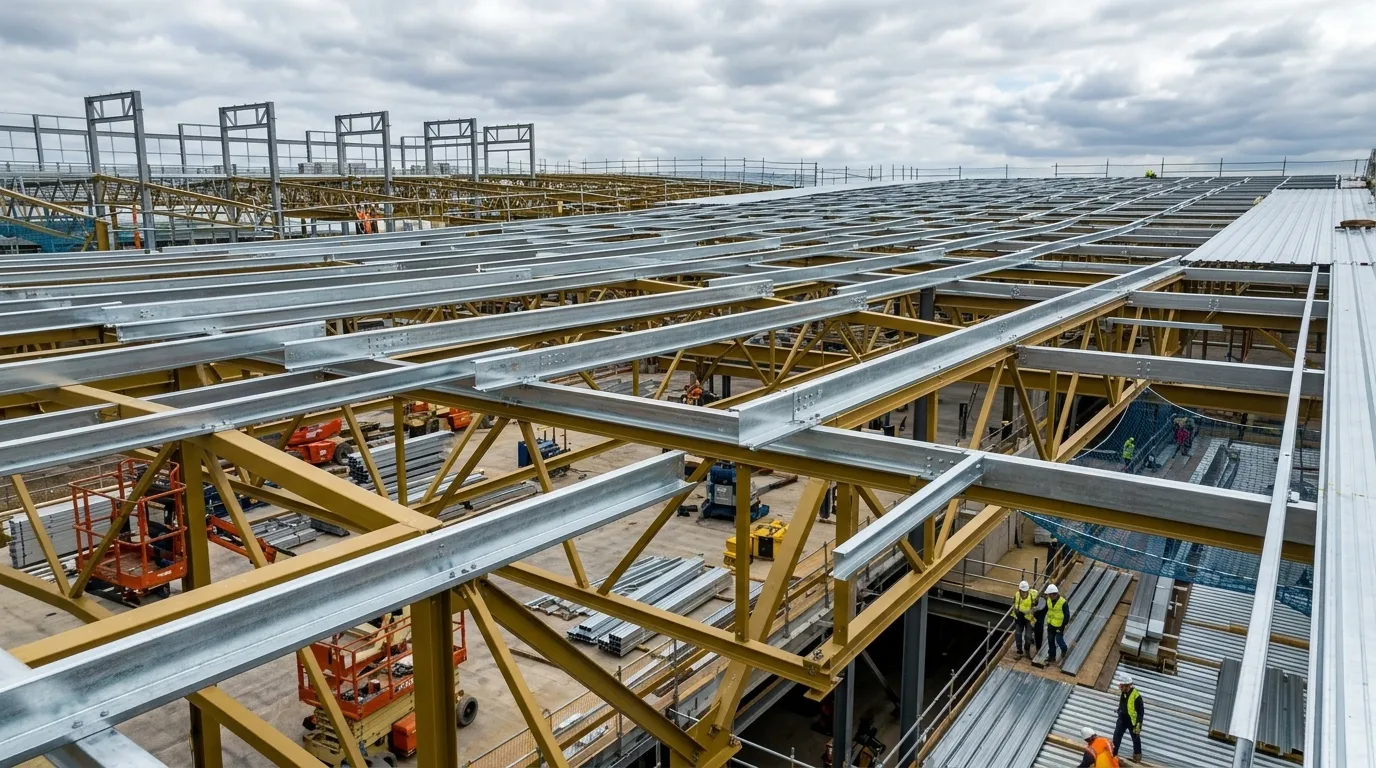
This is when the actual building begins. Workers handle foundations, framing, electrical, plumbing, and finishing work.
The general contractor oversees daily progress and keeps everything on schedule.
Final Inspection and Project Handover
Once construction is complete, inspectors check that the building meets all safety codes. Any issues are fixed before the owner takes possession.
Final documents, warranties, and maintenance records are handed over to close out the project.
Who Is Involved in Commercial Construction?
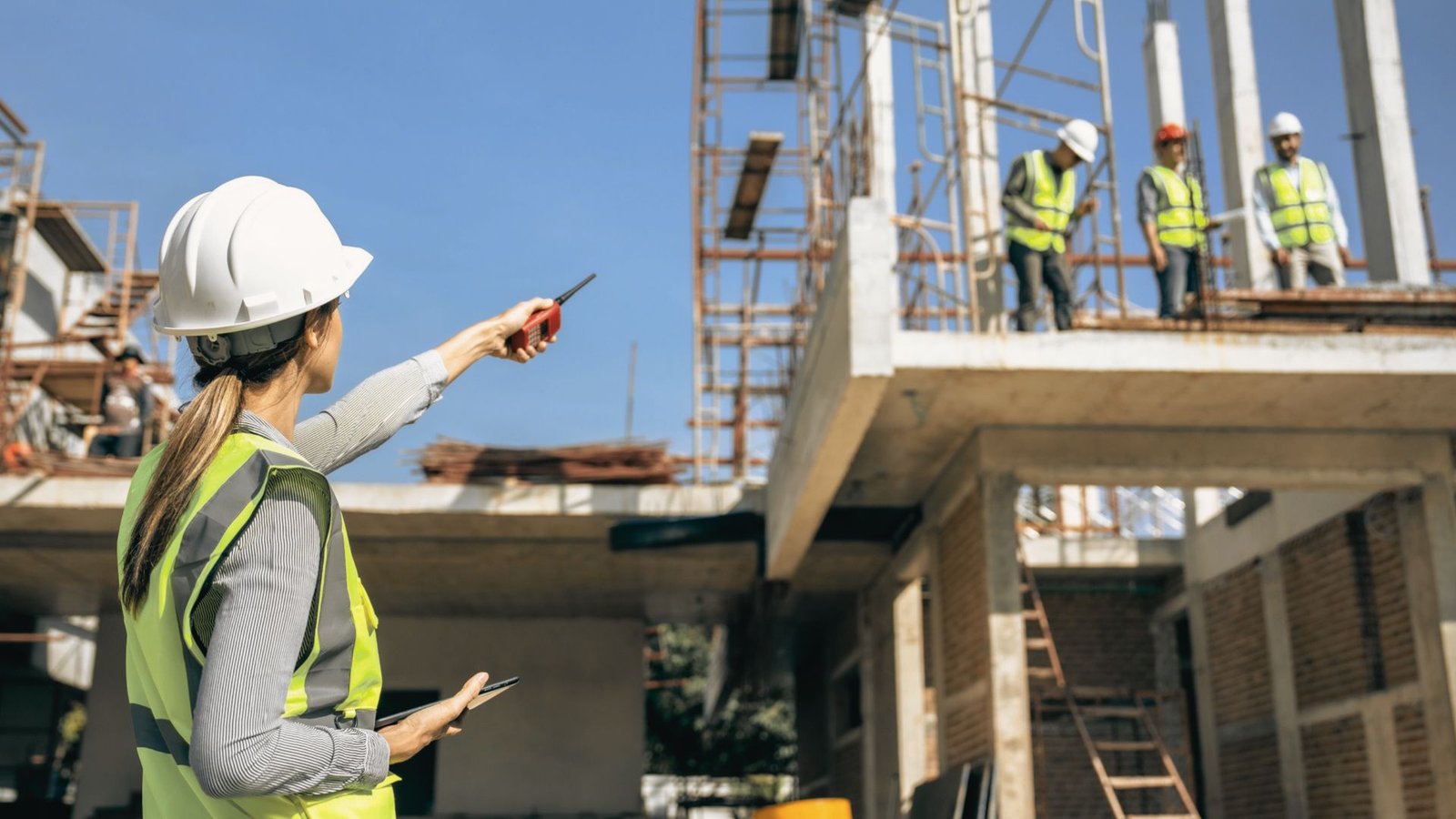
Commercial construction involves several key people, each playing a specific role to get the job done right.
Owners, Architects, and Contractors
The owner funds the project and sets the goals. A building designer creates the plans and drawings based on the owner's vision.
The general contractor takes those plans and manages the actual construction work.
All three must stay in constant communication. When they do, projects stay on track and within budget.
Subcontractors and Inspectors
General contractors bring in subcontractors for specialized work like plumbing, electrical, and roofing. Each team handles their specific trade.
Inspectors visit the site to make sure the work meets safety codes and building standards. If something fails inspection, it gets fixed before the project moves forward.
Together, these professionals keep the project safe, legal, and on schedule.
Benefits of Commercial Construction

Commercial construction shapes how cities grow and gives businesses the spaces they need to operate well.
Supports Economic Growth
Commercial construction creates jobs at every stage, from planning to building. Once complete, the businesses inside hire more people.
This keeps money flowing through the local economy and brings more tax revenue to the city.
Creates Functional Business Spaces
Different businesses need different spaces. Commercial construction delivers buildings designed for how a business actually operates.
The right space helps staff work better and gives customers a good experience.
Improves Public Infrastructure
Big commercial projects often push improvements in the surrounding area. Roads get upgraded, utilities get stronger, and public spaces receive more attention.
The whole neighborhood benefits, not just the new building.
Increases Property Value
A well built commercial property signals growth in the area. This draws more investment and pushes nearby property values up.
Higher values mean more tax income for the city and better local services for everyone.
Tips for Beginners in Commercial Construction
Starting in commercial construction takes preparation, patience, and the right guidance to build a strong foundation.
- Learn Basic Construction Terms: Get familiar with words like "load bearing," "RFI," and "change order." Pick up a few terms each week and ask coworkers when something is unclear.
- Understand Project Phases: Projects move through planning, pre construction, active building, and closeout. Knowing each stage helps you stay on track and support your team better.
- Work With Experienced Professionals: Stay close to people with years of field experience. Watch how they handle problems and ask questions. Their knowledge can save you a lot of time and stress.
- Focus on Safety and Compliance: Learn basic OSHA guidelines, wear the right protective equipment, and always follow building codes. Safe habits protect you and everyone around you.
- Use Modern Construction Tools: Learn tools like Procore, Autodesk Build, and Bluebeam. Focus on what your company uses most and build your skills from there.
Conclusion
Getting started in commercial construction can feel overwhelming, but every expert you see today was once a beginner too. I remember how confusing job site terms and project phases felt at first.
The key is to take it one step at a time, stay curious, and never stop learning from the people around you. Small steps taken consistently lead to big results over time.
If these tips for beginners in commercial construction helped you, drop a comment below or share this with someone just starting out!
Frequently Asked Questions
What is the best way to start a career in commercial construction?
Start by learning the basics of construction terms and project phases. Look for entry level positions or apprenticeships that give you hands-on experience from day one.
How long does it take to learn commercial construction skills?
It depends on the role, but most beginners get comfortable within one to two years of consistent work. Staying focused and learning from experienced professionals speeds up the process.
Why is safety so important in commercial construction?
Commercial construction sites have many risks, including heavy machinery, heights, and hazardous materials. Following safety rules protects you, your coworkers, and keeps the project running without costly delays.
What tools should a beginner learn in commercial construction?
Start with project management software like Procore or Bluebeam, as most companies use these daily. Getting comfortable with basic digital tools early on makes you a stronger team member.
How can working with experienced professionals help a beginner grow faster?
Experienced workers bring years of real world knowledge that no classroom can fully replace. Learning directly from them helps you avoid common mistakes and build confidence on the job site much faster.