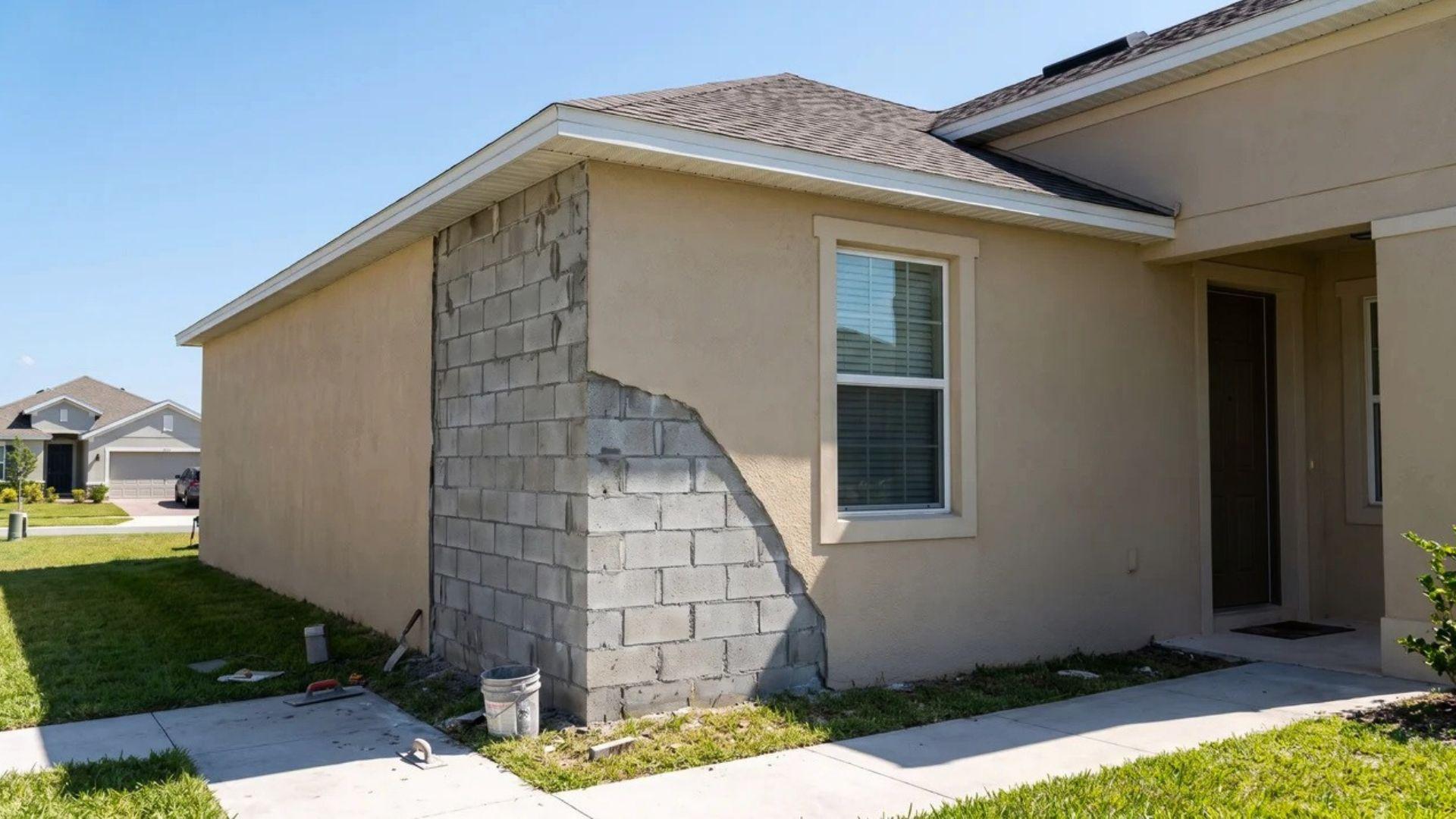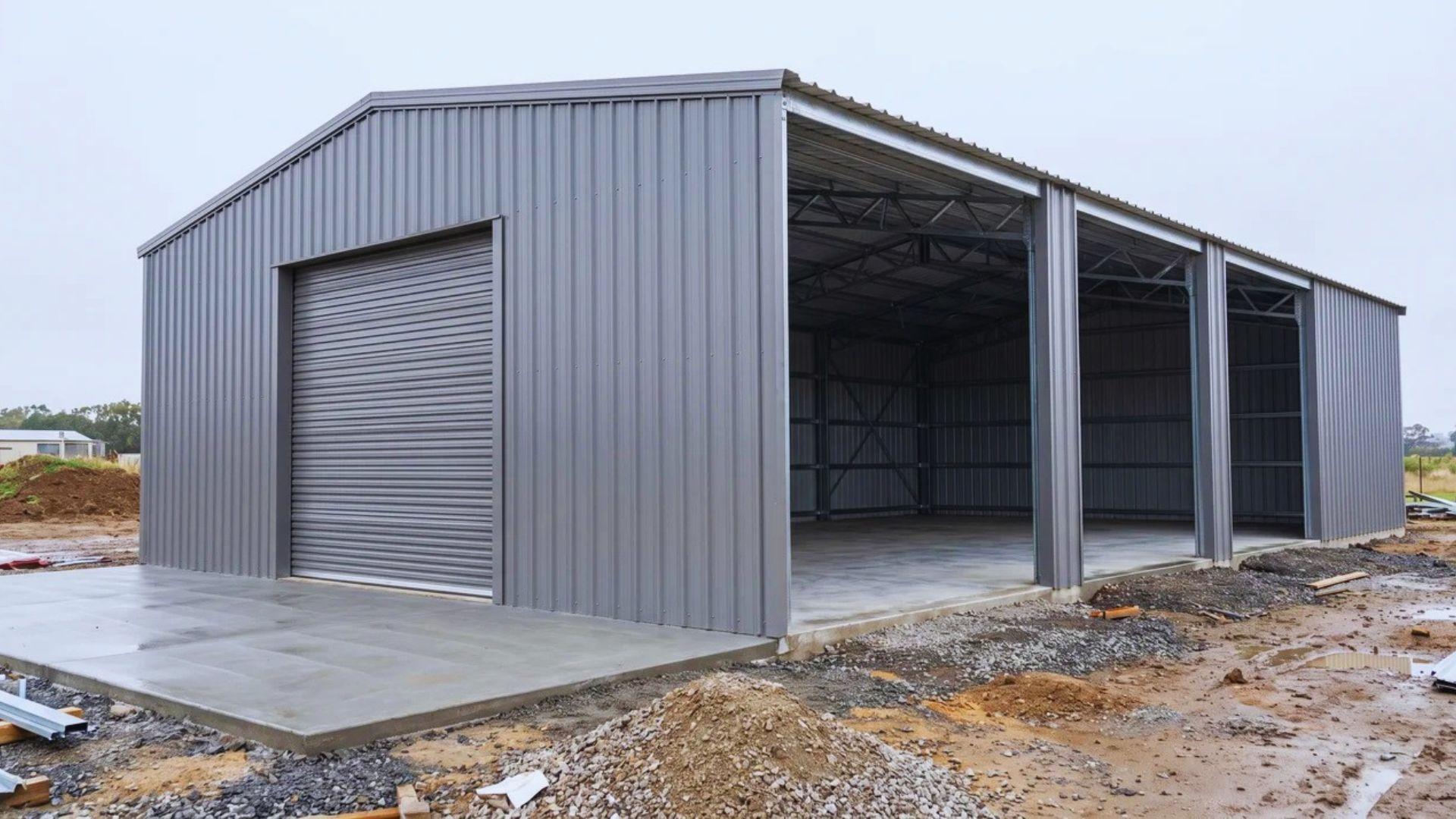
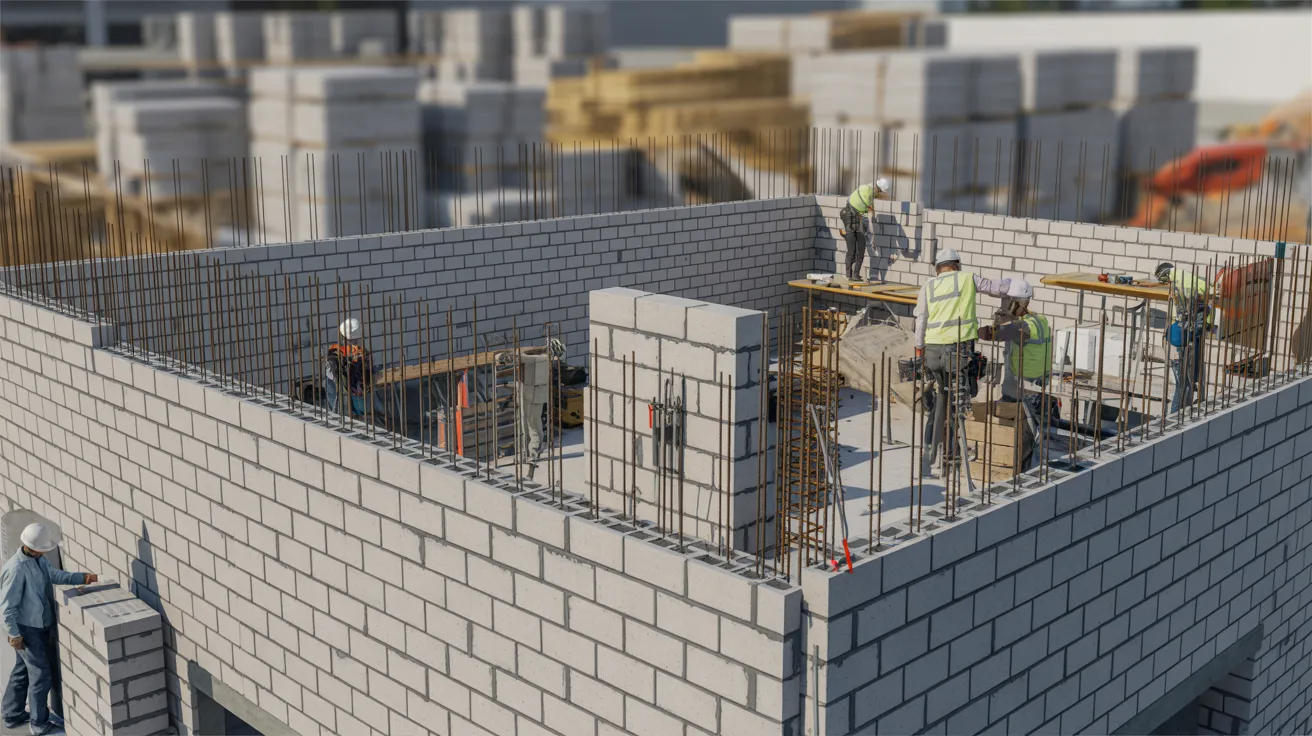
If you have ever seen a grey block wall on a construction site and wondered what it was, you were probably looking at CMU.
I have worked around construction content long enough to know that concrete masonry units confuse a lot of people, including homeowners, students, and first-time builders.
This guide covers everything you need to know: what CMU means, how it is used, the types available, and how it compares to other materials.
I will also walk you through common problems and how to pick the right block.
By the end, you will have a clear understanding of CMU and why it matters in modern construction.
What Does CMU Mean?
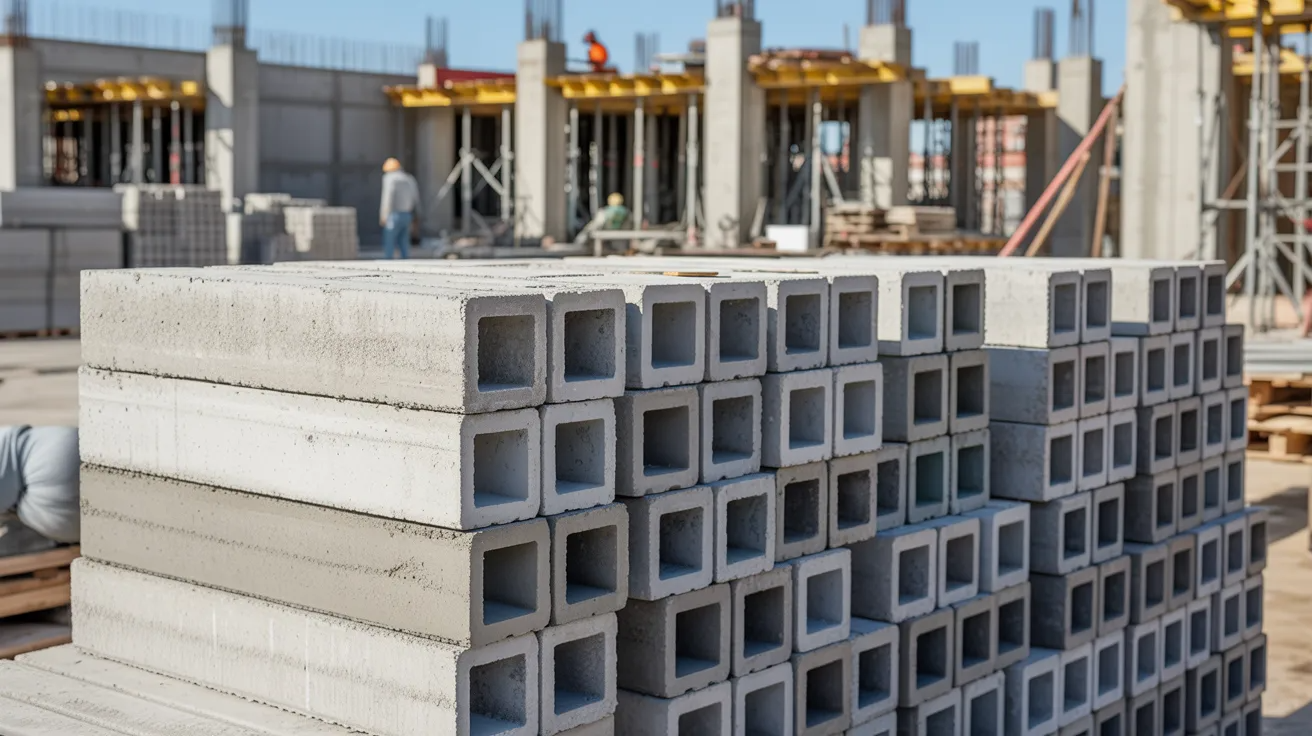
CMU stands for Concrete Masonry Unit. It is a precast block made from Portland cement, aggregate, and water.
You might also hear it called a cinder block or concrete block.
CMUs are manufactured in a factory and then delivered to the job site. They come in standard sizes, with the most common being 8 x 8 x 16 inches.
These blocks are used to build walls, foundations, and structural systems. They are one of the most widely used building materials in the world because they are affordable, strong, and easy to work with.
The blocks are stacked in rows and bonded together with mortar. Steel rebar and grout are often added inside the hollow cores to increase strength.
How CMUs Are Used in Construction
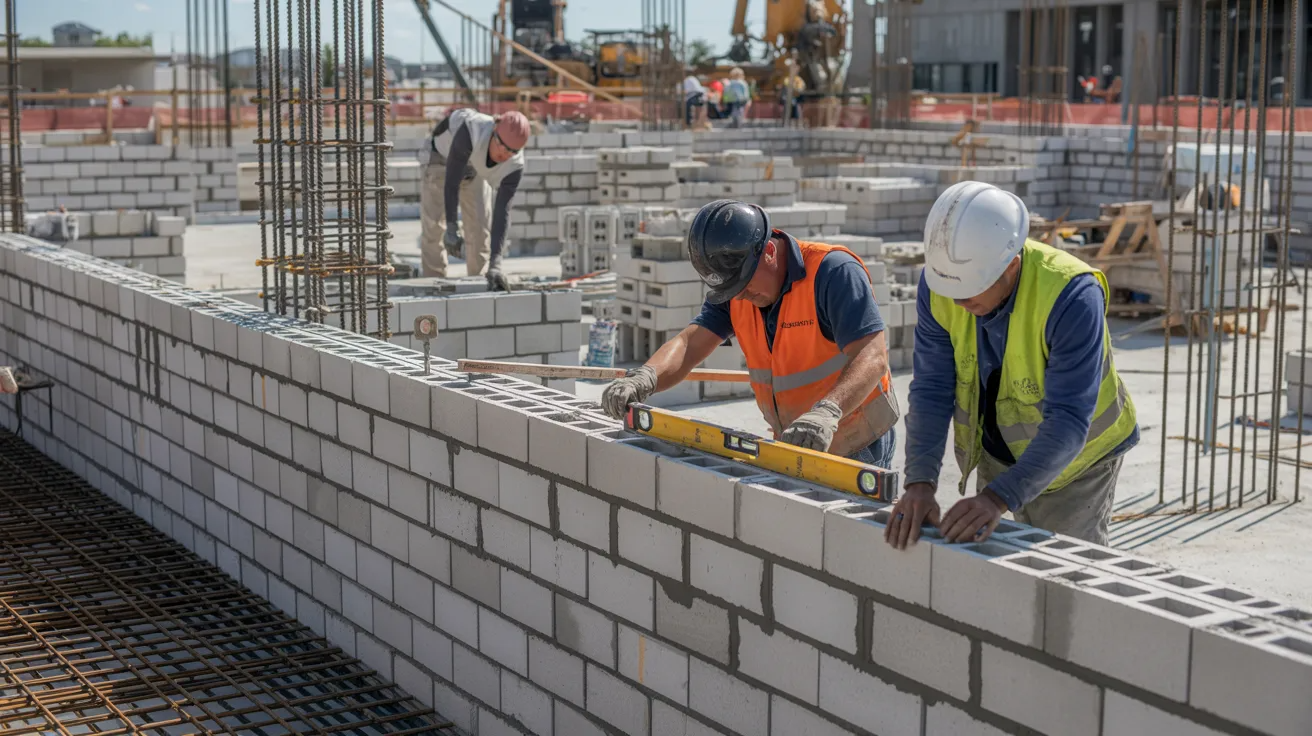
CMUs show up in all kinds of projects, from small homes to large commercial buildings. Here is a breakdown of the most common uses.
1.Foundation and Basement Walls
CMU is a go-to material for below-grade construction. Foundations built with CMU blocks handle heavy loads well and resist moisture when properly sealed.
Many older homes in the U.S. have CMU basement walls that are still holding up decades later.
2.Interior and Exterior Walls
CMU works well for both interior and exterior walls. On the outside, it handles weather, wind, and impact.
On the inside, it provides fire resistance and soundproofing.
You will often see CMU used for stairwells and utility rooms where fire ratings matter.
3.Commercial and Residential Buildings
Warehouses, schools, retail stores, and apartment buildings all use CMU.
It is popular in commercial projects because it goes up fast, costs less than some alternatives, and meets building codes easily.
In residential construction, it is common in warmer states like Florida and Texas.
Types of CMU Blocks
Not all CMU blocks are the same. Here are the main types you will come across.
1. Hollow CMU Blocks

These are the most common. They have two or three open cores running through the center.
The hollow design makes them lighter and allows for rebar and grout reinforcement. They are used in most standard wall applications.
2. Solid Concrete Blocks
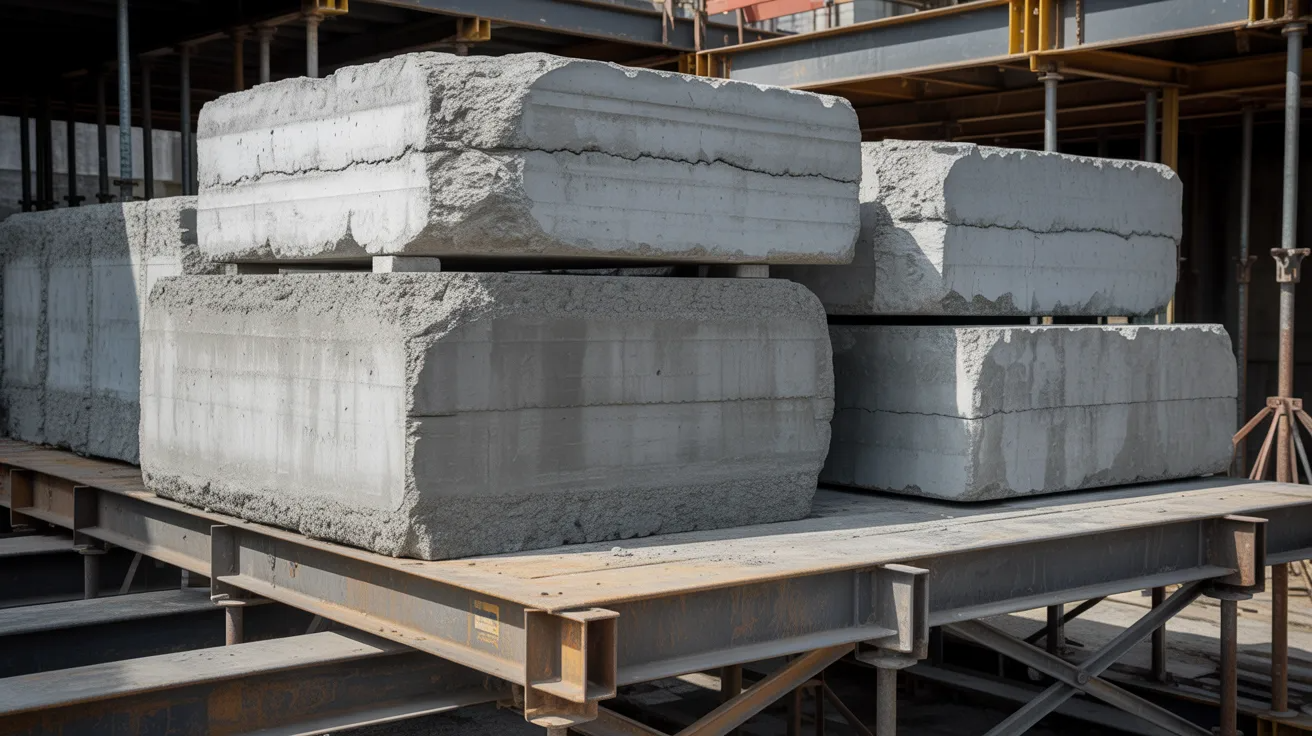
Solid blocks have no hollow cores. They are heavier and denser, which makes them better for applications where maximum strength is needed.
They are less common but useful for load-bearing points and retaining walls.
3. Decorative CMU Finishes
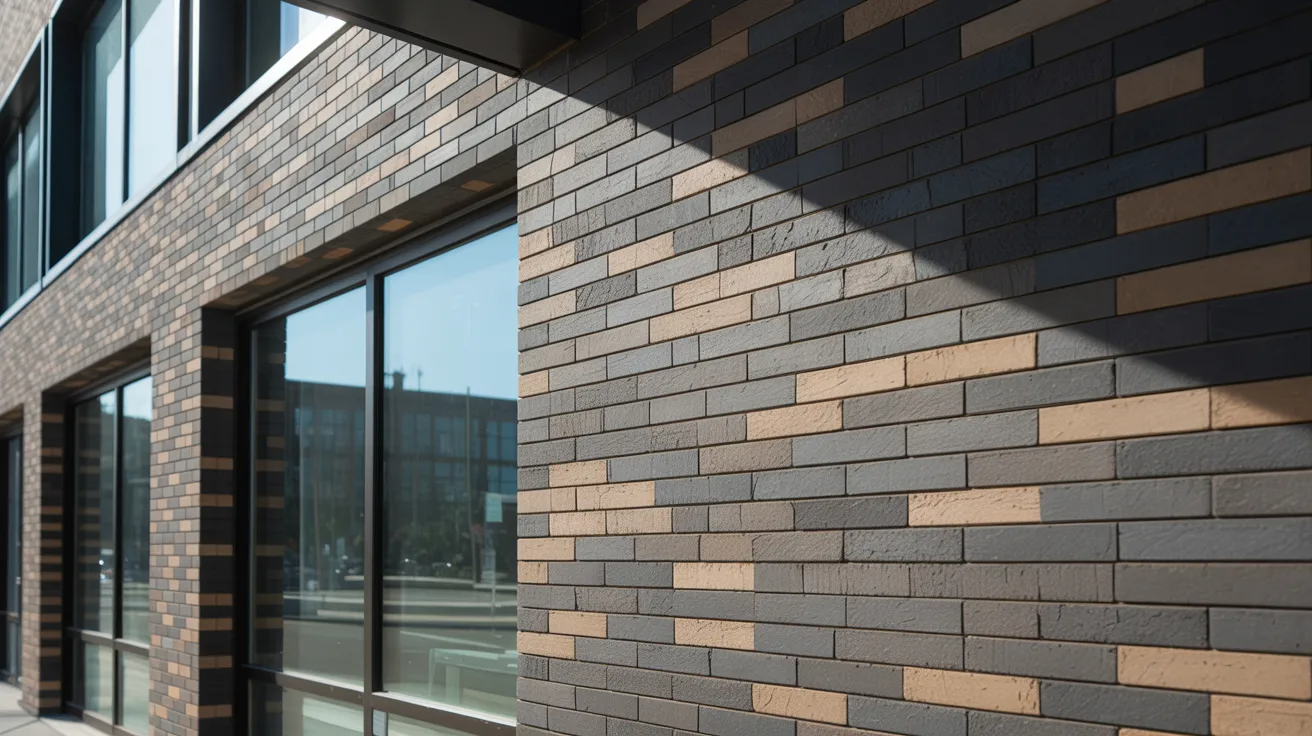
Some CMU blocks come with textured or split-face finishes. These add a visual element to the wall without requiring extra cladding.
You see this a lot in commercial buildings and landscaping walls.
They are still structural but look more finished than a standard grey block.
Benefits of CMU Construction
- Fire resistant:CMU does not burn. It gives buildings a high fire rating, which is critical in commercial and multi-family construction.
- Durable:These blocks can last 100 years or more with minimal maintenance.
- Sound blocking:The mass of CMU walls reduces noise transfer between rooms and floors.
- Pest resistant:Insects and rodents cannot chew through concrete blocks the way they can with wood.
- Low maintenance: Once built, CMU walls need very little upkeep compared to wood or vinyl.
- Cost effective:CMU is affordable and widely available, which keeps project budgets in check.
- Energy efficient:Thick CMU walls provide thermal mass, which helps regulate indoor temperatures.
CMU vs Other Building Materials
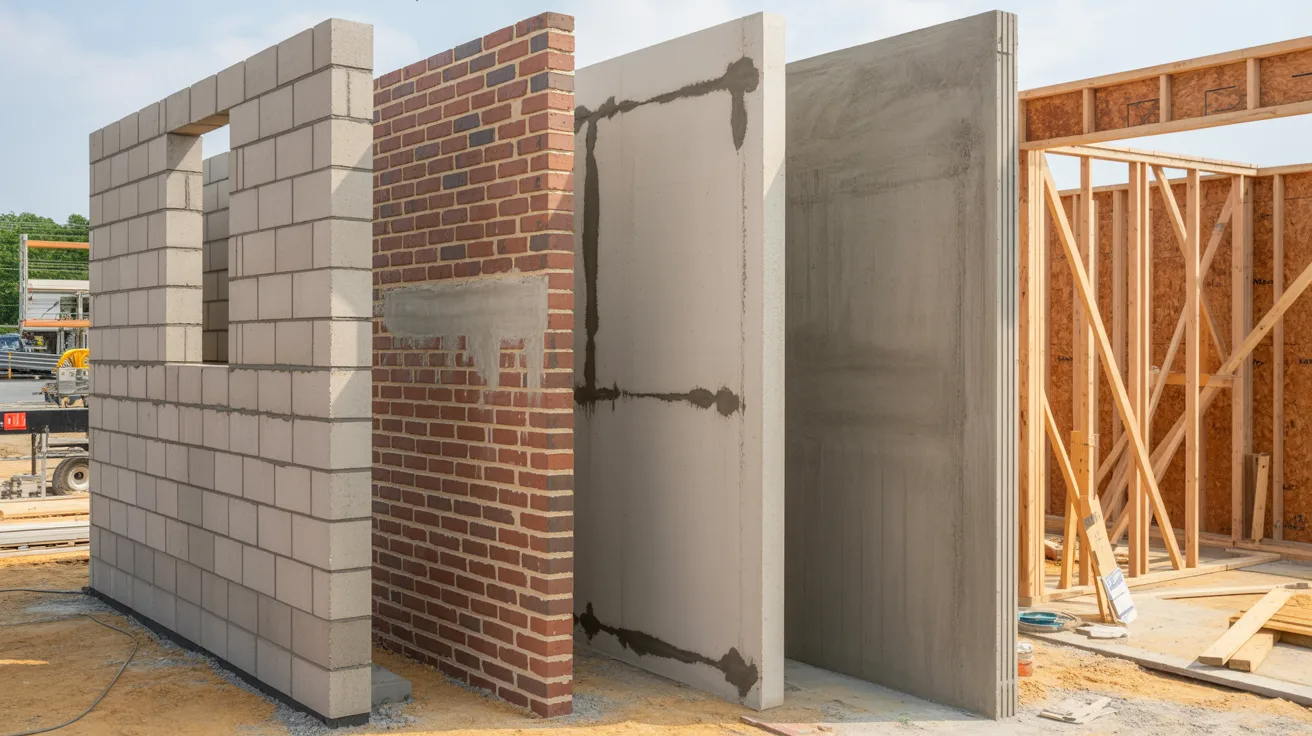
Here is a quick side-by-side look at how CMU stacks up against the most common building materials.
| Feature | CMU | Brick | Poured Concrete | Wood Framing |
| Material Base | Cement and aggregate | Fired clay | Cast concrete | Lumber |
| Installation Speed | Fast | Slow | Medium | Fast |
| Cost | Low to medium | Medium to high | Medium | Low to medium |
| Strength | High | Medium | Very high | Medium |
| Fire Resistance | Excellent | Good | Excellent | Poor |
| Moisture Resistance | Good (with sealer) | Good | Very good | Poor |
| Pest Resistance | Excellent | Excellent | Excellent | Poor |
| Maintenance | Low | Low | Low | High |
| Best Use | Structural and utility walls | Facades and finishes | Foundations and retaining walls | Residential framing |
| Formwork Needed | No | No | Yes | No |
| Modifiable After Build | Difficult | Difficult | Very difficult | Easy |
| Weight | Heavy | Medium | Very heavy | Light |
CMU vs Brick
CMU goes up faster and costs less. Brick works better for traditional-looking facades but covers less area per unit and takes more time to lay.
CMU vs Poured Concrete
Poured concrete is stronger and seamless but needs formwork and more labor. CMU installs faster and works well for most standard wall applications.
CMU vs Wood Framing
Wood is lighter and easier to modify but weak against fire, moisture, and pests. CMU holds up far better in harsh climates and high-risk zones.
Common CMU Construction Problems
- Cracking: Poor mortar mix, improper curing, or settling can cause cracks in CMU walls.
- Water infiltration: CMU is porous. Without proper waterproofing, water seeps through joints and cores.
- Efflorescence: White mineral deposits appear on the wall surface when water moves through the block and evaporates. It is a common complaint on CMU walls.
- Inadequate reinforcement: Skipping rebar and grout fill weakens the wall significantly, especially in seismic zones.
- Mortar joint failure:If joints are not tooled and filled properly, they become entry points for moisture and reduce structural integrity.
- Uneven coursing: Misaligned blocks cause problems with door and window openings and make the wall look unprofessional.
Tips for Choosing the Right CMU
- Match the block to the load: Use hollow CMU for standard walls and solid CMU for heavy load-bearing areas.
- Check local codes: Building codes in your area will specify minimum block strength, which is measured in PSI.
- Consider the climate: In wet or coastal areas, choose blocks with low water absorption ratings.
- Ask about fire ratings: For commercial projects, make sure the CMU meets the required fire resistance rating.
- Choose the right finish: Go with split-face or textured blocks if the wall will be visible and you want it to look clean..
- Plan for waterproofing: Budget for a waterproofing membrane or sealer, especially for below-grade walls.
Conclusion
CMU is one of the most reliable building materials out there, and once you understand it, you start seeing it everywhere.
I find it impressive how a simple concrete block can do so much, from holding up a multi-story building to keeping a basement dry for decades.
If you are planning a construction project, CMU deserves serious consideration. It is tough, affordable, and built to last.
Drop a comment below and tell me about your project. Share this post if it helped, and check out our other construction guides for more practical advice.
Frequently Asked Questions
What does CMU stand for in construction?
CMU stands for Concrete Masonry Unit, commonly known as a concrete or cinder block.
How strong is a CMU block?
Standard CMU blocks have a compressive strength of at least 1,900 PSI, with higher-grade blocks reaching 3,000 PSI or more.
Can CMU walls be used in residential homes?
Yes, CMU walls are used in home foundations, basement walls, and exterior walls, especially in hurricane-prone regions.
How long does a CMU wall last?
A well-built CMU wall can last 75 to 100 years or longer with proper waterproofing and maintenance.
Do CMU walls need waterproofing?
Yes, CMU is porous and requires a waterproof coating or membrane, especially for below-grade and exterior walls.