
Choosing between frame and masonry construction is one of the biggest decisions in any building project.
I've seen many people spend weeks confused about which method fits their needs and budget.
This blog covers everything: cost, strength, fire resistance, energy efficiency, maintenance, and design flexibility. I'll break down both methods clearly so you can make a confident choice.
If you're planning a home or a commercial build, this guide gives you a full side-by-side comparison.
With solid research and hands-on construction knowledge behind this, I'm here to give you straight, simple answers every step of the way.
What Is Frame Construction?
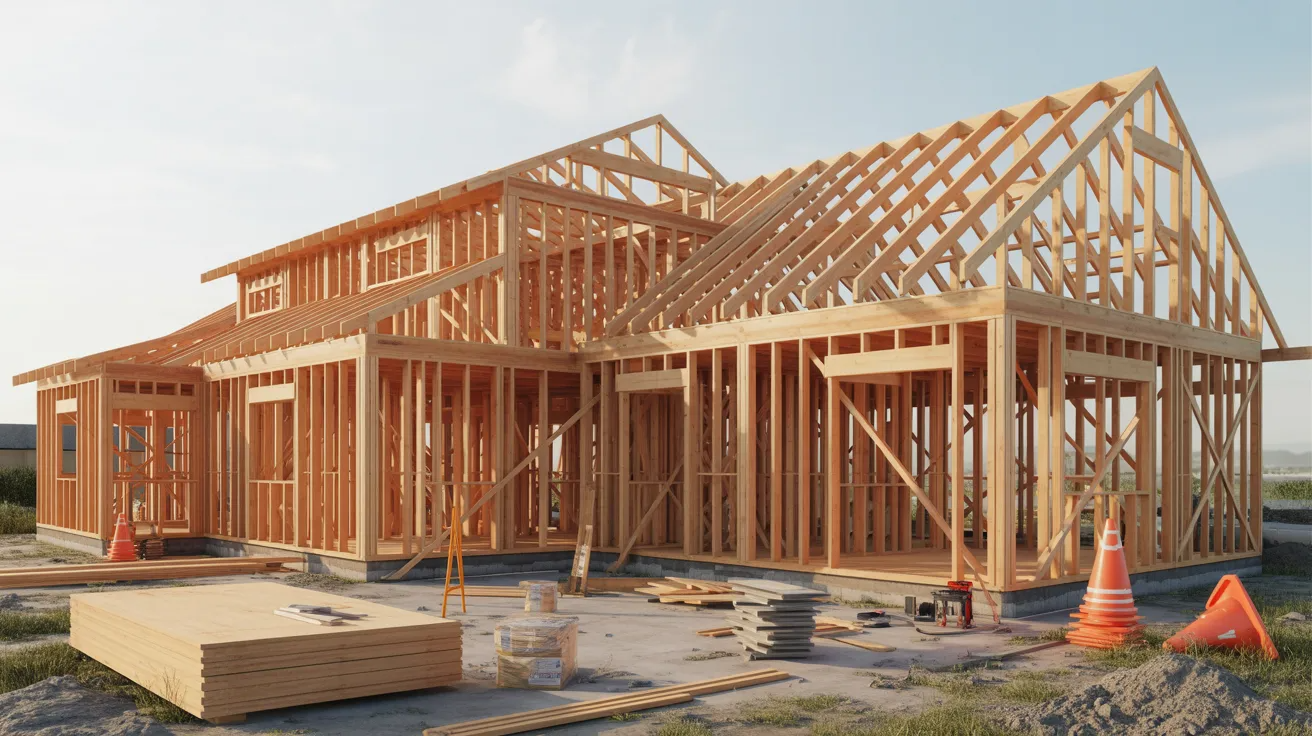
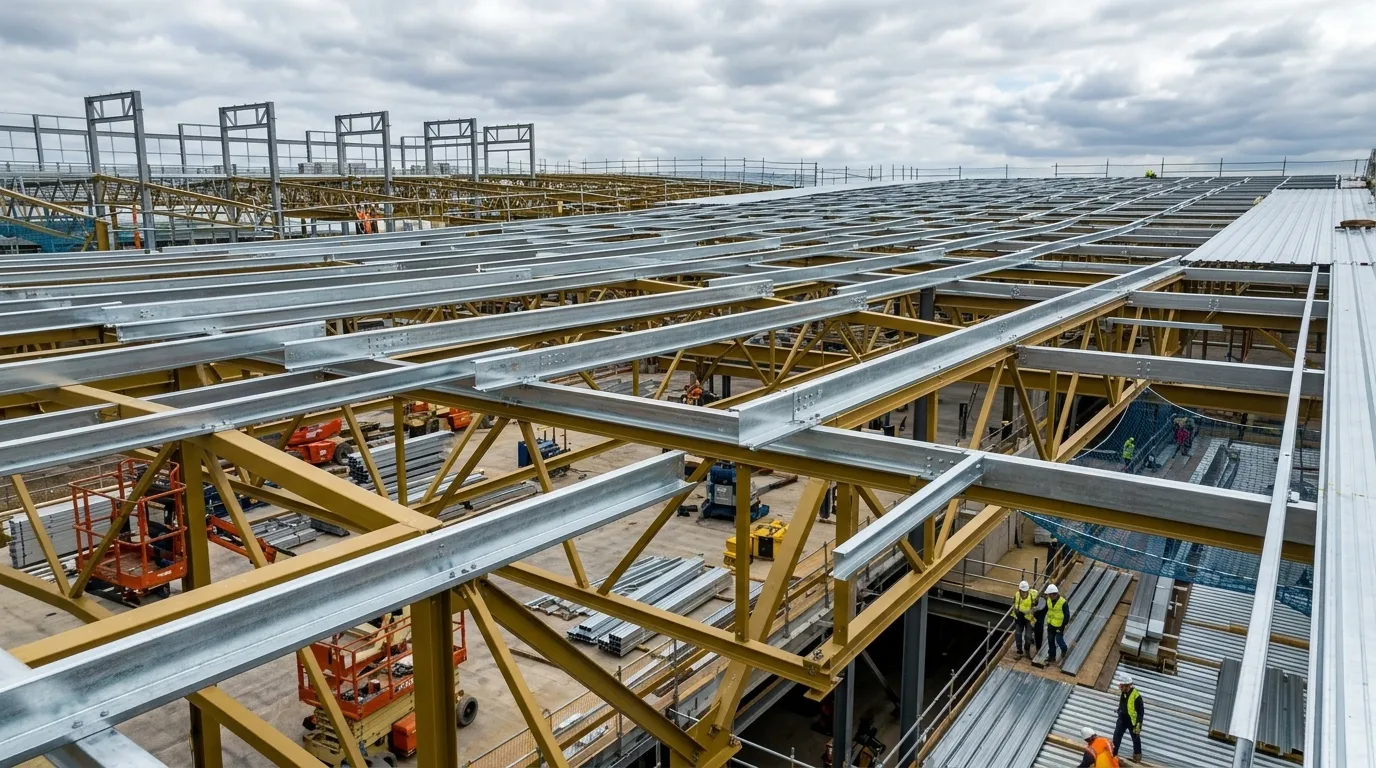
Frame construction uses a skeleton of wood or steel to support a building.
The frame holds up the walls, floors, and roof. Wood frame is the most common type in residential construction, especially across North America.
The process is fast. Workers assemble the frame piece by piece. Then they add insulation, drywall, and exterior cladding.
This method gives builders a lot of room to work with different layouts and designs.
Frame buildings are lighter than masonry structures. That makes them a good fit for areas with certain soil conditions.
They are also easier to modify or expand later. If you want speed and flexibility, frame construction checks a lot of boxes right from the start.
What Is Masonry Construction?
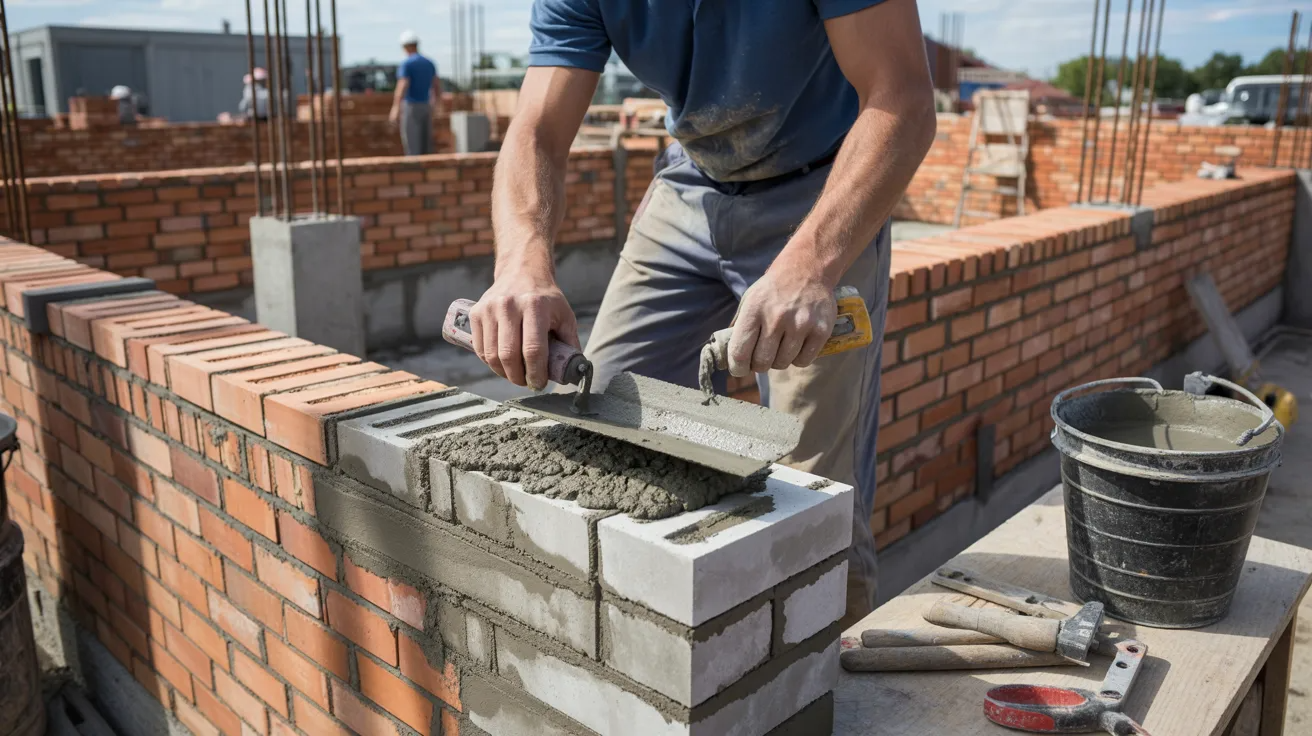
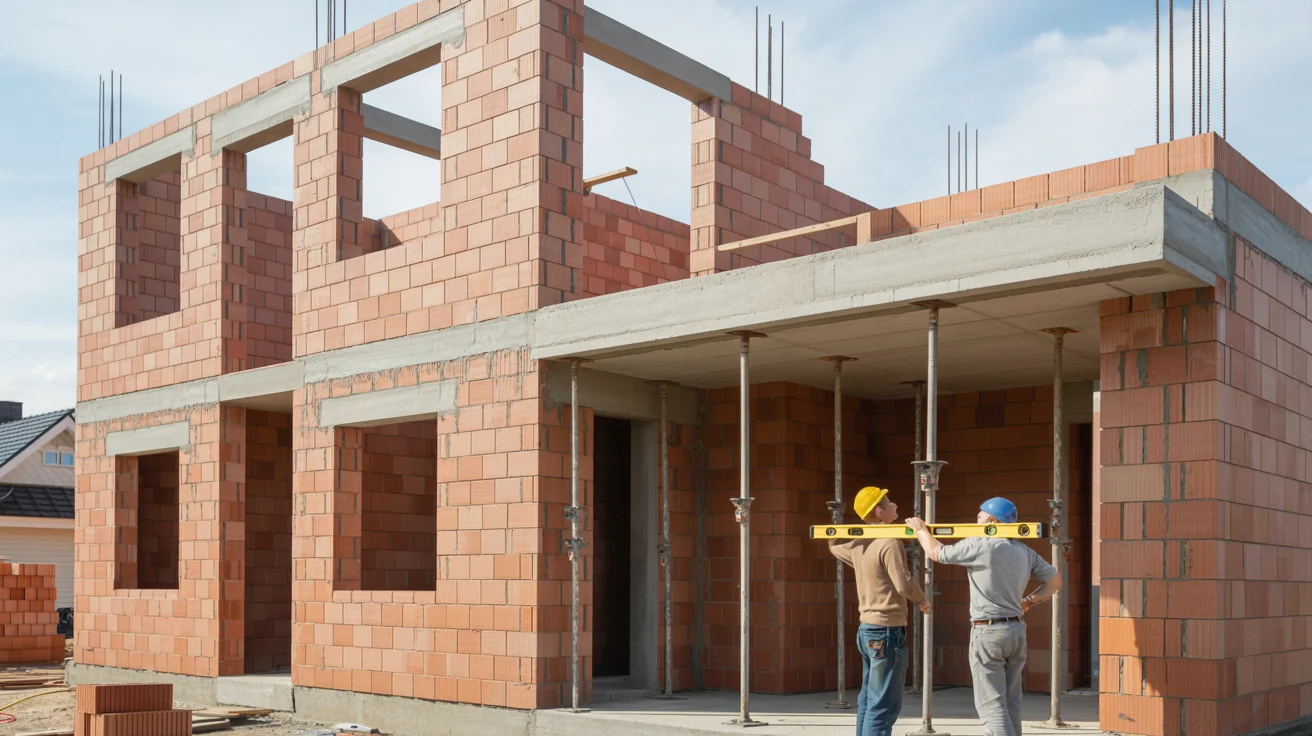
Masonry construction uses solid materials like brick, concrete block, or stone. These materials are stacked and bonded together to form load-bearing walls.
The walls themselves carry the weight of the building.
This method has been used for thousands of years. Masonry buildings are known for their durability and long-term strength.
They hold up well against fire, wind, and pests.
The downside is that masonry takes more time and skilled labor. It also costs more upfront. But many builders choose it for long-term performance, especially in commercial or high-traffic buildings.
If you want a structure built to last with very little upkeep, masonry is worth a serious look.
Frame vs Masonry Construction: Key Differences
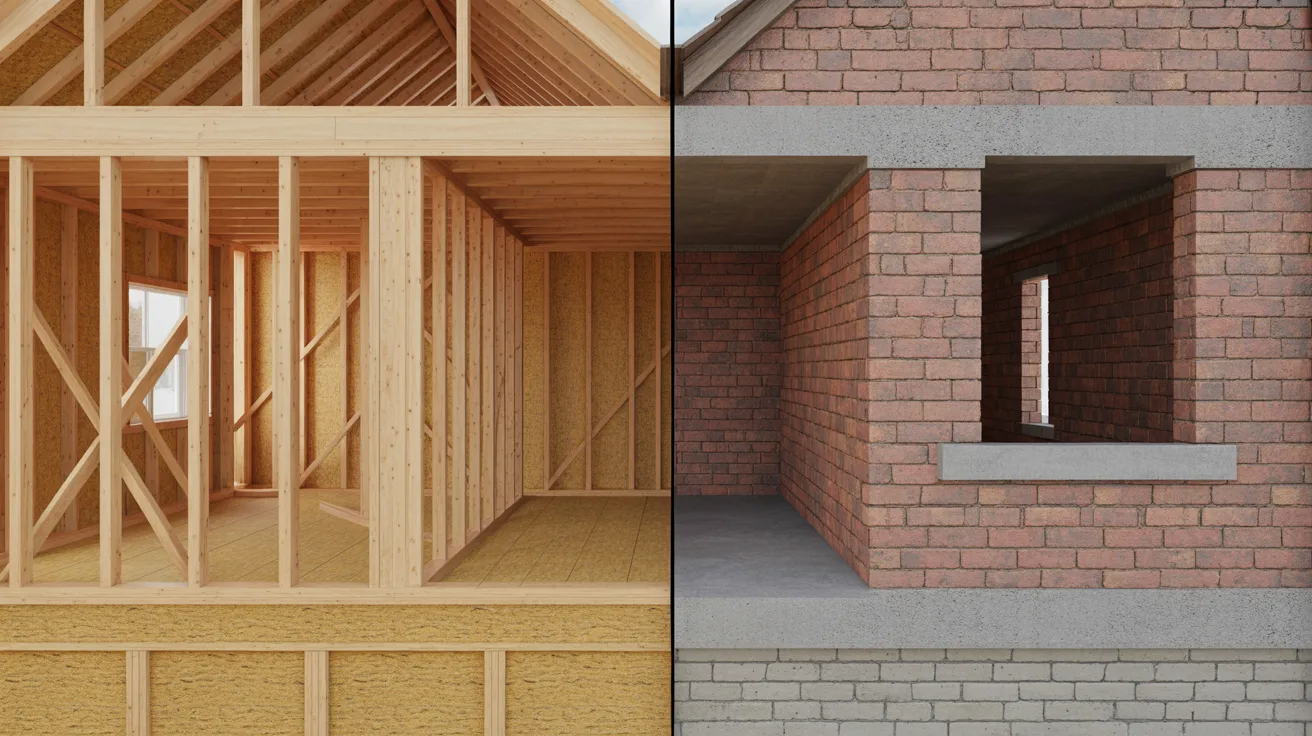
Both methods have real strengths. The right choice depends on your budget, location, and how long the building needs to last. Here is a clear breakdown across the most important categories.
Structural Strength
Masonry walls carry loads through the material itself. Frame buildings use the skeleton to spread the weight.
For heavy commercial loads, masonry often has the edge. For standard homes, both work well.
Construction Speed
Frame construction is much faster. A wood frame can go up in days.
Masonry takes longer because each unit must be laid and bonded with care.
Cost Comparison
Frame construction costs less upfront. Labor and materials are more affordable.
Masonry has higher initial costs but lower long-term maintenance expenses, which can balance out over time.
Fire Resistance
Masonry is far more fire-resistant.</u> Brick and concrete do not burn. Wood frames can catch fire.
Steel frames can warp under intense heat. Fire-resistant treatments help, but masonry holds a natural edge here.
Energy Efficiency
Masonry has better thermal mass. It absorbs heat during the day and releases it at night. Frame buildings need strong insulation to match this performance.
With the right insulation, frame buildings can be very energy-efficient too.
Weather Resistance
Masonry stands up better to high winds, flooding, and moisture over time.
Frame buildings can be more prone to rot and moisture damage without proper treatment and regular checks.
Maintenance Requirements
Frame buildings need more regular upkeep. Paint, caulk, and wood treatments are common tasks.
Masonry is low-maintenance once built. However, mortar can crack over time and may need repointing after several years.
Design Flexibility
Frame construction wins here. You can create open floor plans, large windows, and custom layouts with ease. Masonry is more rigid.
Cutting through walls or changing layouts later is harder and more expensive.
Frame Construction: Pros and Cons
Here is a quick breakdown of what frame construction gets right and where it falls short.
| Pros | Cons | |
| Cost | Lower upfront cost, budget-friendly | Higher long-term maintenance expenses |
| Speed | Fast to build and assemble | Requires regular inspections over the years |
| Materials | Widely available, easy to source | Wood is prone to rot if moisture gets in |
| Labor | Large labor pool, easy to hire | Skilled labor still needed for quality work |
| Flexibility | Easy to change layouts and add rooms | Shorter lifespan than masonry without upkeep |
| Utilities | Simple to run electrical and plumbing through walls | Steel frames can corrode without proper coatings |
| Weight | Lighter structure, works on varied soil types | Less resistant to heavy loads over time |
| Pest and Fire | Treatments available to reduce risk | Wood is vulnerable to termites, rot, and fire |
Masonry Construction: Pros and Cons
Here is a quick breakdown of what masonry construction gets right and where it falls short
| Pros | Cons | |
| Durability | Long-lasting, built to stand for generations | Higher upfront cost due to time and skilled labor |
| Fire Resistance | Brick and concrete naturally resist fire | Less flexible for design changes later |
| Pest and Rot | Resistant to pests, rot, and moisture damage | Cutting walls or adding windows is a major project |
| Maintenance | Very little upkeep needed year after year | Requires a strong and costly foundation |
| Soundproofing | Excellent sound insulation for homes and commercial buildings | Poor soil or seismic zones add engineering costs |
| Energy Efficiency | Thermal mass regulates indoor temperatures naturally | Heavy structure limits where it can be built |
| Cooling and Heating | Reduces heating and cooling costs over time | Not ideal for areas with high seismic activity |
| Long-Term Value | Smart investment with low maintenance over decades | Skilled labor is harder to find and more expensive |
Frame vs Masonry Construction for Different Building Types
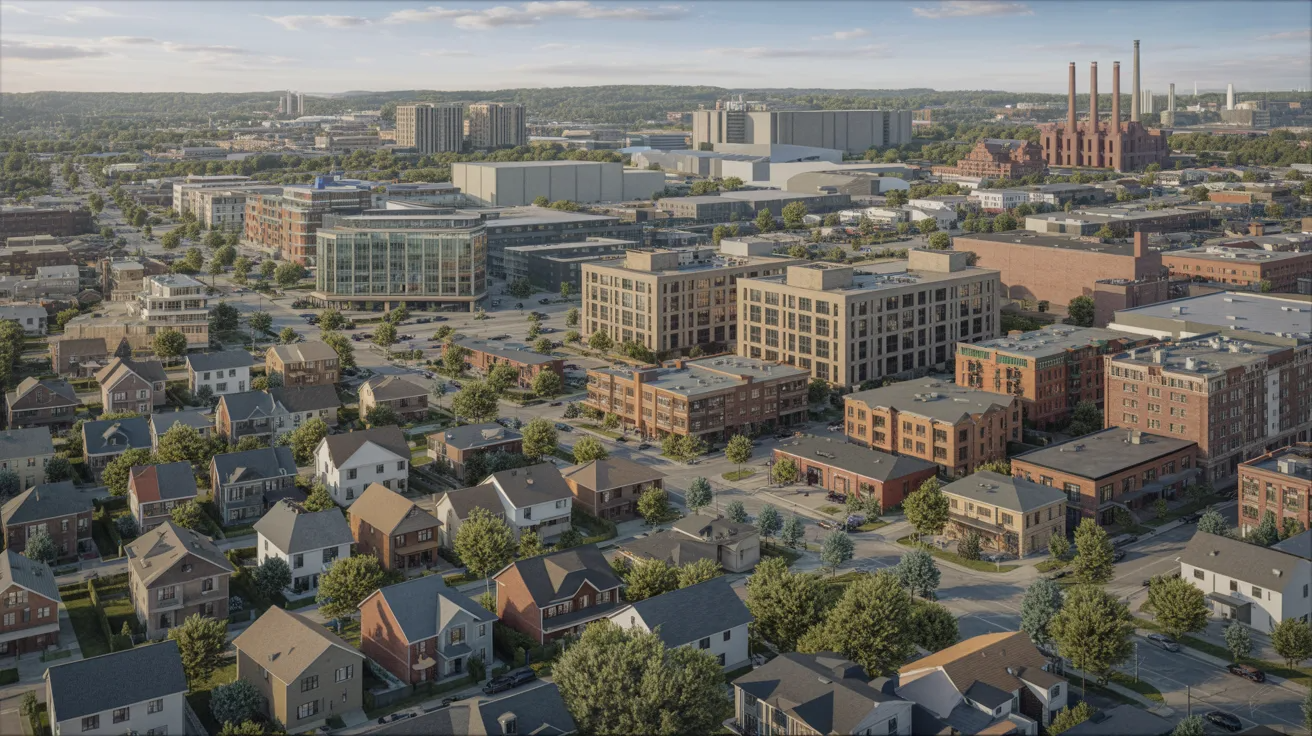
The right method depends on what you are building.
For single-family homes, frame construction is the most popular choice. It is fast, affordable, and flexible. Most suburban neighborhoods are built this way.
For commercial buildings, warehouses, or schools, masonry is often preferred. The durability and fire resistance make it worth the higher upfront cost.
In areas with extreme weather like hurricanes or heavy storms, masonry holds up better. Coastal regions often favor concrete blocks or brick for added protection against the elements.
How to Choose Between Frame and Masonry Construction
Start with your budget. If you need to keep costs down, frame construction is the practical choice.
Think about how long the building needs to last. For a long-term investment, masonry may save you money through lower maintenance costs over decades.
Consider your local climate. Hot, dry regions often work well with masonry. Wet or cold climates may need strong insulation regardless of the method you pick.
Talk to a local contractor. They will know the best approach for your specific site, soil type, and building goals.
Conclusion
After looking at both sides, I believe the choice really comes down to your goals and budget.
Personally, I lean toward frame construction for most homes since it is fast and wallet-friendly.
But if you want something that lasts for generations with minimal work, masonry is worth every extra dollar. Both are solid options in their own right.
Think about your priorities: speed, cost, or long-term durability.
I'd love to hear what you'd choose. Drop a comment below or share this post with someone planning a build!
Frequently Asked Questions
Is frame construction stronger than masonry?
Masonry handles heavy loads and fire better, but frame buildings perform well for standard residential construction.
Which costs less, frame or masonry construction?
Frame construction costs less upfront, while masonry can save money over time through lower maintenance needs.
How long does a masonry building last compared to a frame building?
Masonry buildings can last over 100 years with minimal upkeep, while frame buildings typically last 50 to 80 years with proper care.
Is masonry better for fire resistance?
Yes, brick and concrete do not burn, making masonry a much safer option in a fire compared to wood frame construction.
Can I expand a frame building easily later?
Yes, frame buildings are far easier to modify or expand compared to masonry structures, which require more labor and cost to change.