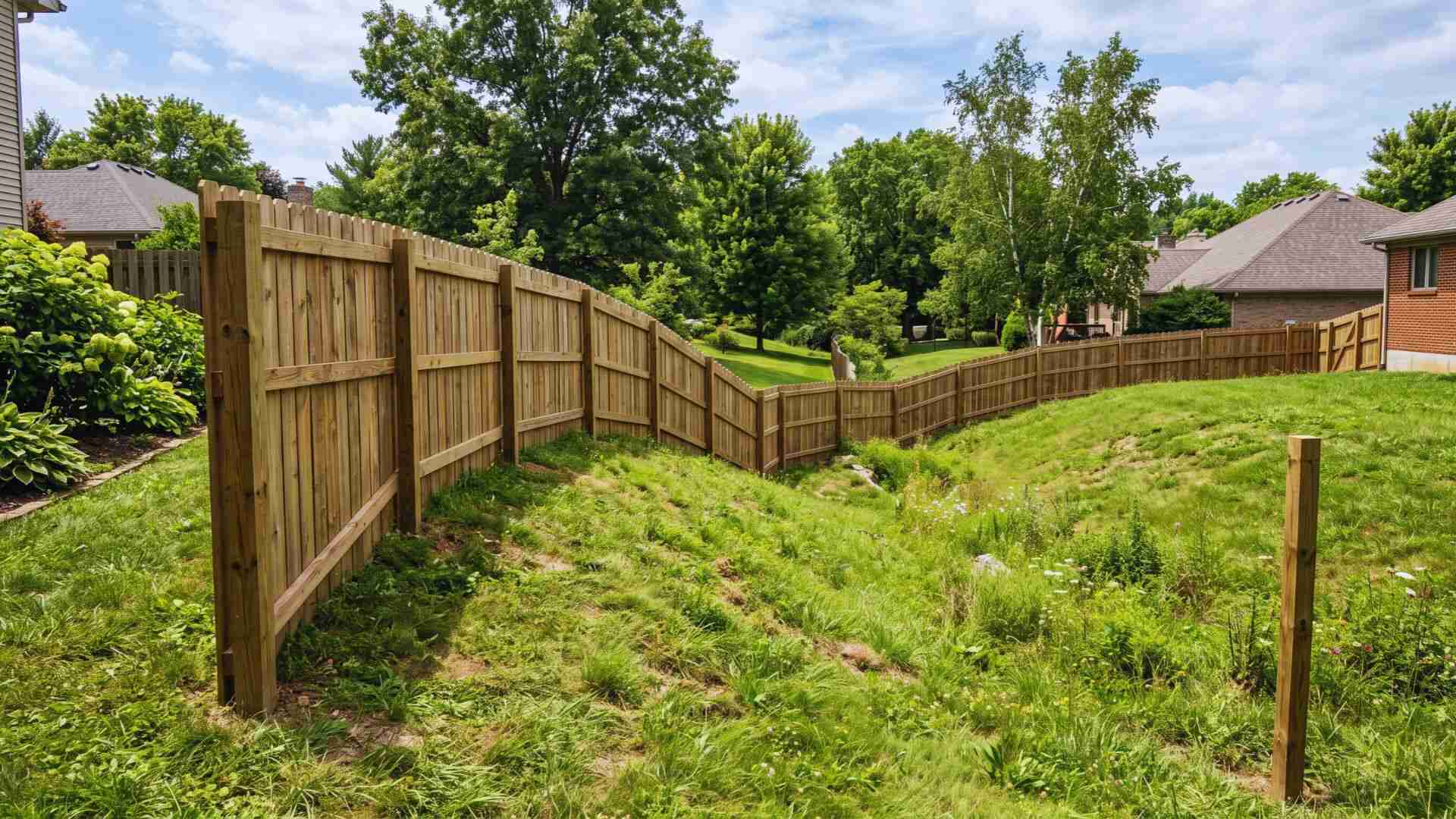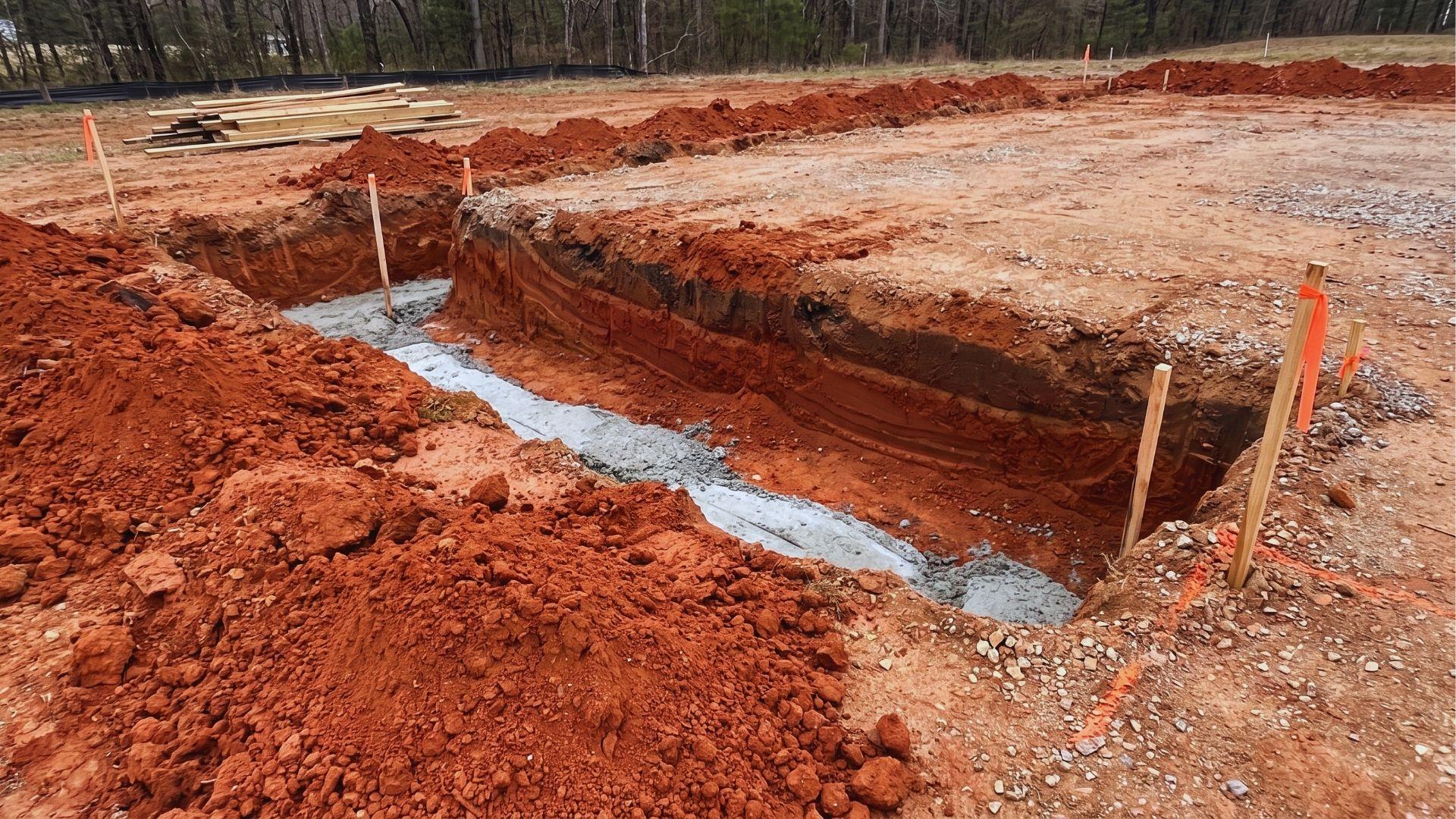
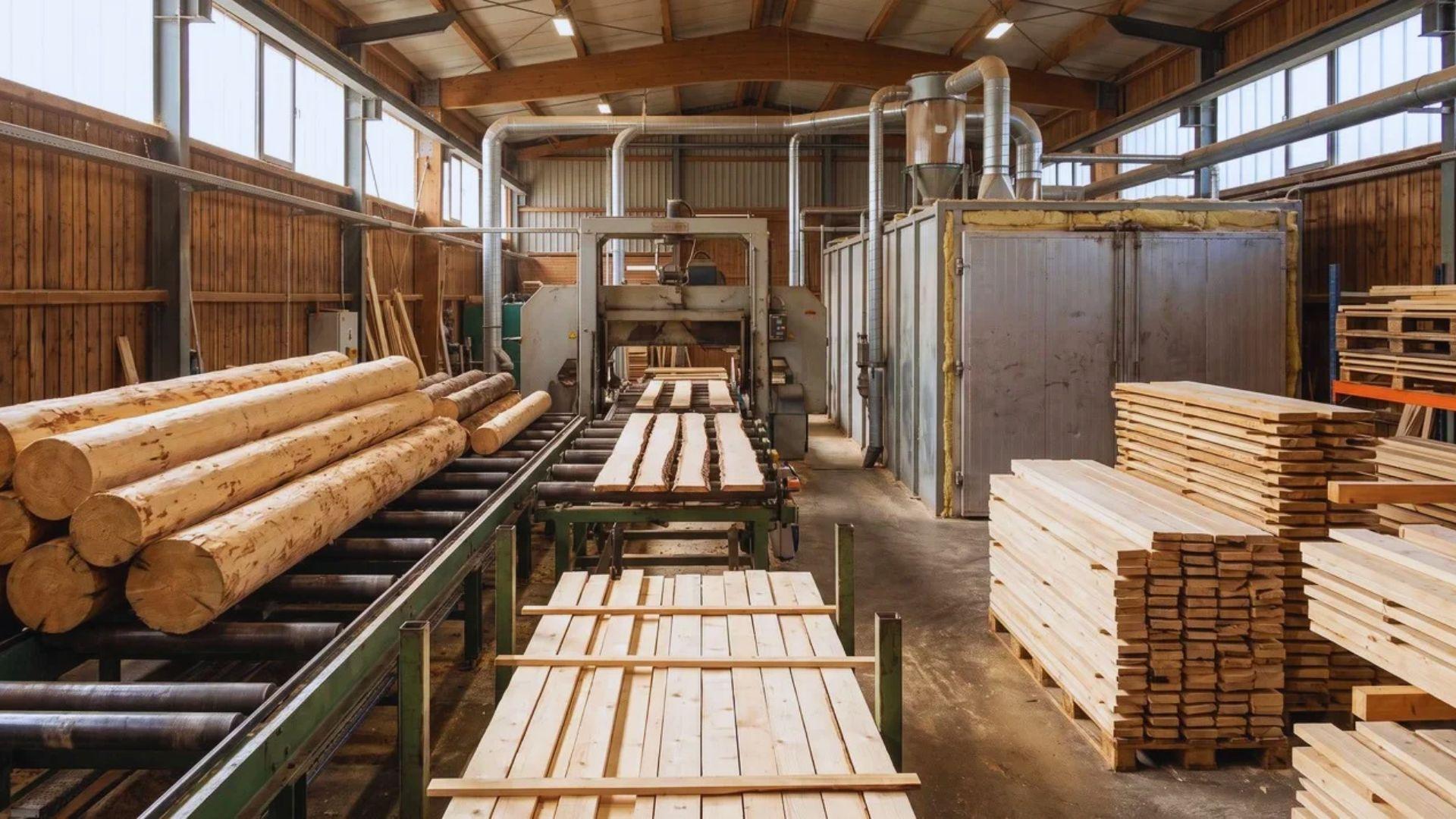
Pick up a 2×4 at the hardware store, and it looks like the simplest thing in construction. It’s only a stick, right?
Not quite. The saw gets the credit, but water decides whether that stick stays straight inside your wall.
So how is building timber made? Along the way, you’ll see why drying matters as much as cutting.
You’ll also see how the same pieces get glued into the huge beams and panels of modern buildings.
First, the whole journey from forest to finished piece.
How Is Building Timber Made, Stage by Stage?
Building timber is made in five stages: harvesting, debarking, sawing, kiln drying, and planing with grading.
Each stage corrects a problem the previous one creates, so the order cannot change. Sawing sets the shape, drying locks it in, and grading tells designers how much load a piece can carry.
What Is Timber, and How Is It Different From Lumber?
In North America, lumber means sawn boards and planks, while timber often means larger beams, like the posts and beams used in heavy timber framing, or the trees themselves.
In the UK and many other places, timber is the everyday word for sawn building wood.
This post uses timber in that second sense, so the two words overlap here.
The Five Stages at a Glance
Read the order below as a chain, where each step prepares the wood for the next.
- Harvesting: machines fell and delimbed the trees, then trucks carried the logs to the mill.
- Debarking: the logs are washed and stripped so dirt and bark stay out of the saws.
- Sawing turns round logs into rectangular sections.
- Kiln drying: heat and airflow pull out moisture so the wood stops moving.
- After drying, planing smooths each piece and grading rates its strength.
Mass timber is not a separate route. It starts from the same graded pieces and bonds them into larger panels and beams.
That is the full chain in five steps, and it starts with a standing tree. Before any sawing happens, the log has to be felled, hauled, and cleaned.
How Are Trees Harvested and Prepared for the Mill?
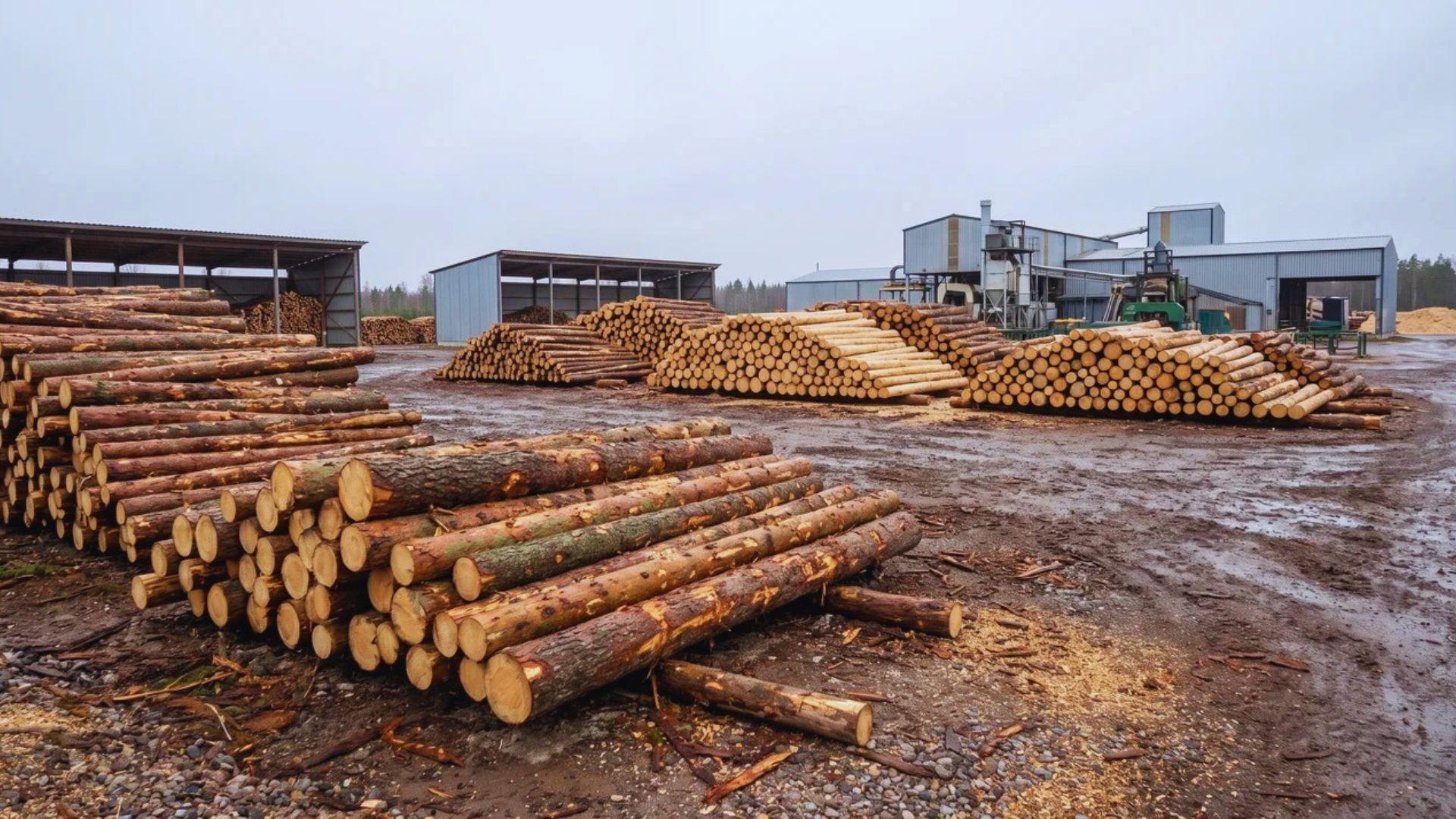
Logs are felled, delimbed, trucked to a sawmill, then washed and debarked before any cutting begins. The points below follow a log in the order it moves from forest to saw.
- Felling and delimbing: Machines cut down trees grown in managed forests, usually pine, spruce, or fir, and strip off the branches and tops.
- Transport: Trucks carry the trunks to the sawmill.
- Washing: Logs are washed or soaked because dirt, mud, and stones in the bark can chip a saw blade.
- Debarking: A debarker strips off the bark, which mills usually burn as boiler fuel or turn into other products.
- Sorting by size and quality: A straight, wide log can become large sections, while a small or crooked one ends up as short boards. So what is timber at this stage? It is still a softwood log, and its size and quality set what it can become.
- Timing: Logs left in warm weather can stain and split at the ends, so mills try to see them quickly.
By the time a log reaches the saw, it is clean and sorted, and its size already limits what the mill can cut from it.
I added the short intro and wrap-up line because your rules require both around any list.
With the bark off and the dirt washed away, the log is ready for the saw. The cutting plan decides how much usable timber comes out of it and how stable that timber stays.
How Is a Log Sawn Into Building Timber?
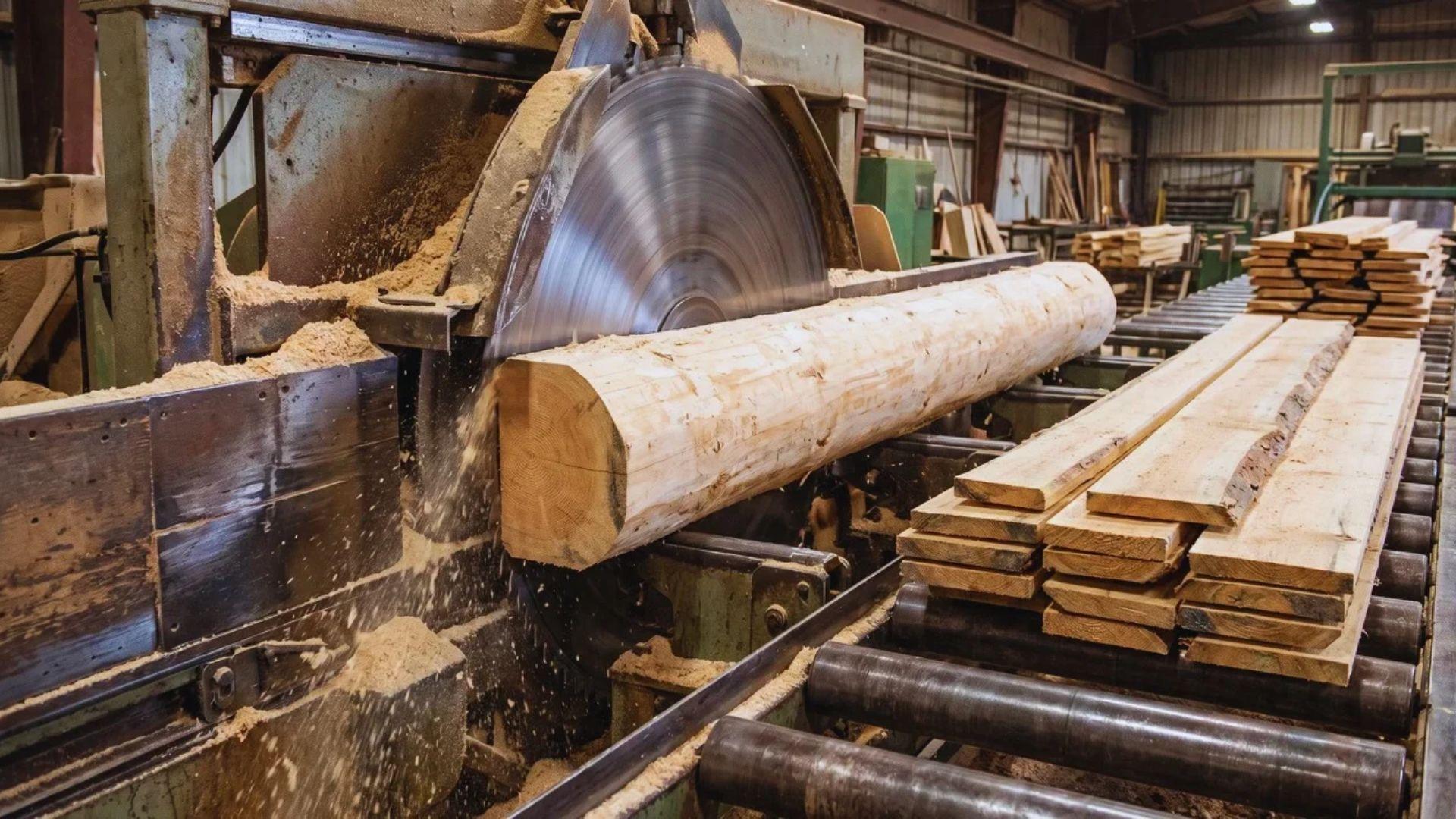
Once a log is clean, it is scanned, cut into rough sections, and then edged and trimmed to standard sizes. The cutting plan decides how much timber you get and how it behaves later.
Scanning and Primary Breakdown
Before the first cut, scanners measure the log’s length, diameter, taper, and any bend. Software then picks the cutting pattern that gives the most usable pieces from that particular log.
A bent log cut in a straight line wastes wood. It also leaves the grain running out through the sides of the pieces, which weakens them.
Once the plan is set, the primary saw cuts the log into rough boards, planks, or beams.
Sawing Patterns and What They Change
Two patterns do most of the work, and they behave differently once the wood dries. Through-and-through sawing slices straight across the log, which is fast and wastes little.
Quarter sawing turns the log so the growth rings meet the board face at a steep angle. Those boards cup and twist less as they dry.
The reason is that wood shrinks about twice as much along its growth rings as across them. In flat-sawn boards, that difference shows up as cupping.
You pay for quarter sawing in extra waste and slower cutting. It shows up where stability matters more than price, such as flooring and joinery.
Edging, Trimming and Sorting
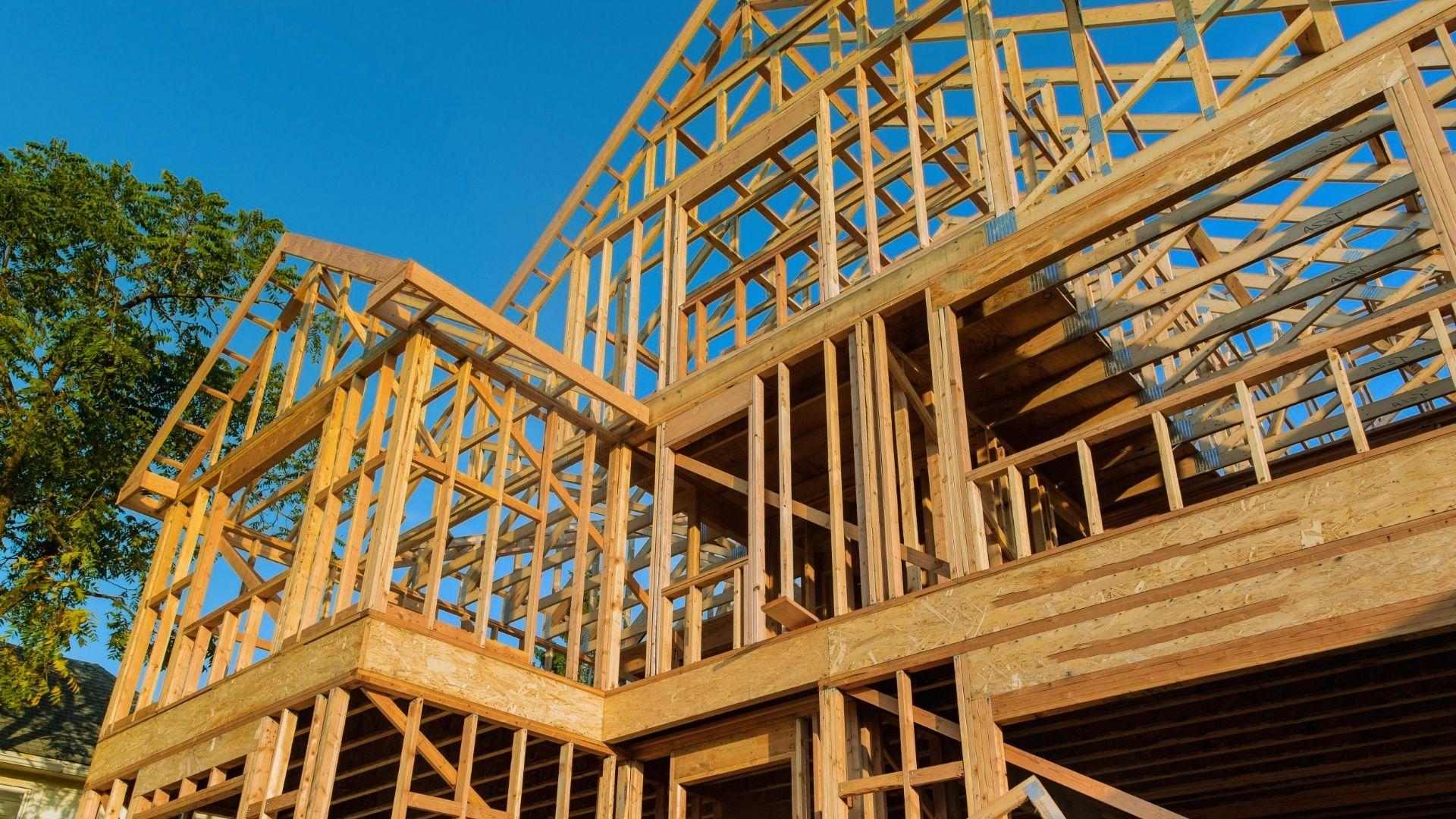
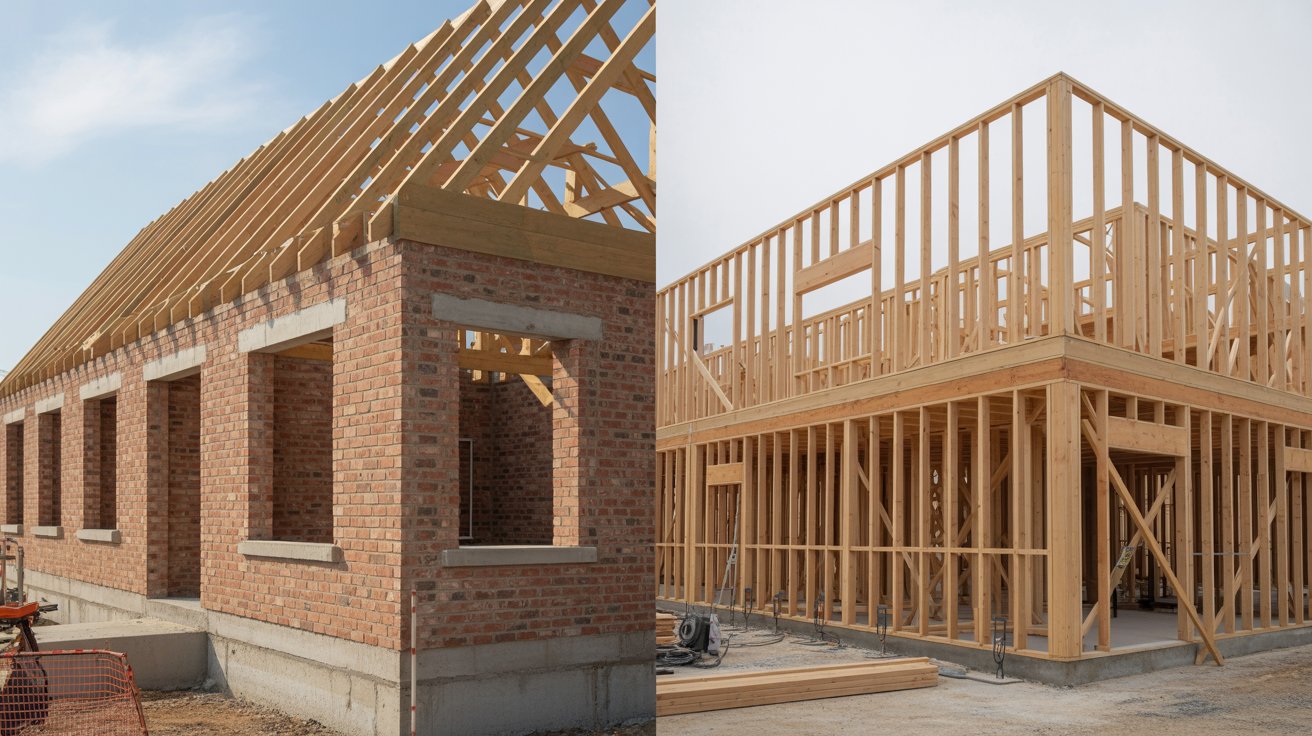
Rough pieces next pass through saws that square the edges and trim the ends to length. That is where a piece takes a standard size, such as a 2×4 or 2×6.
Mills then sort the pieces by size so they can be stacked for drying.
So what is timber at this point? A thick, heavy section such as a beam or post, unlike a thin board or plank.
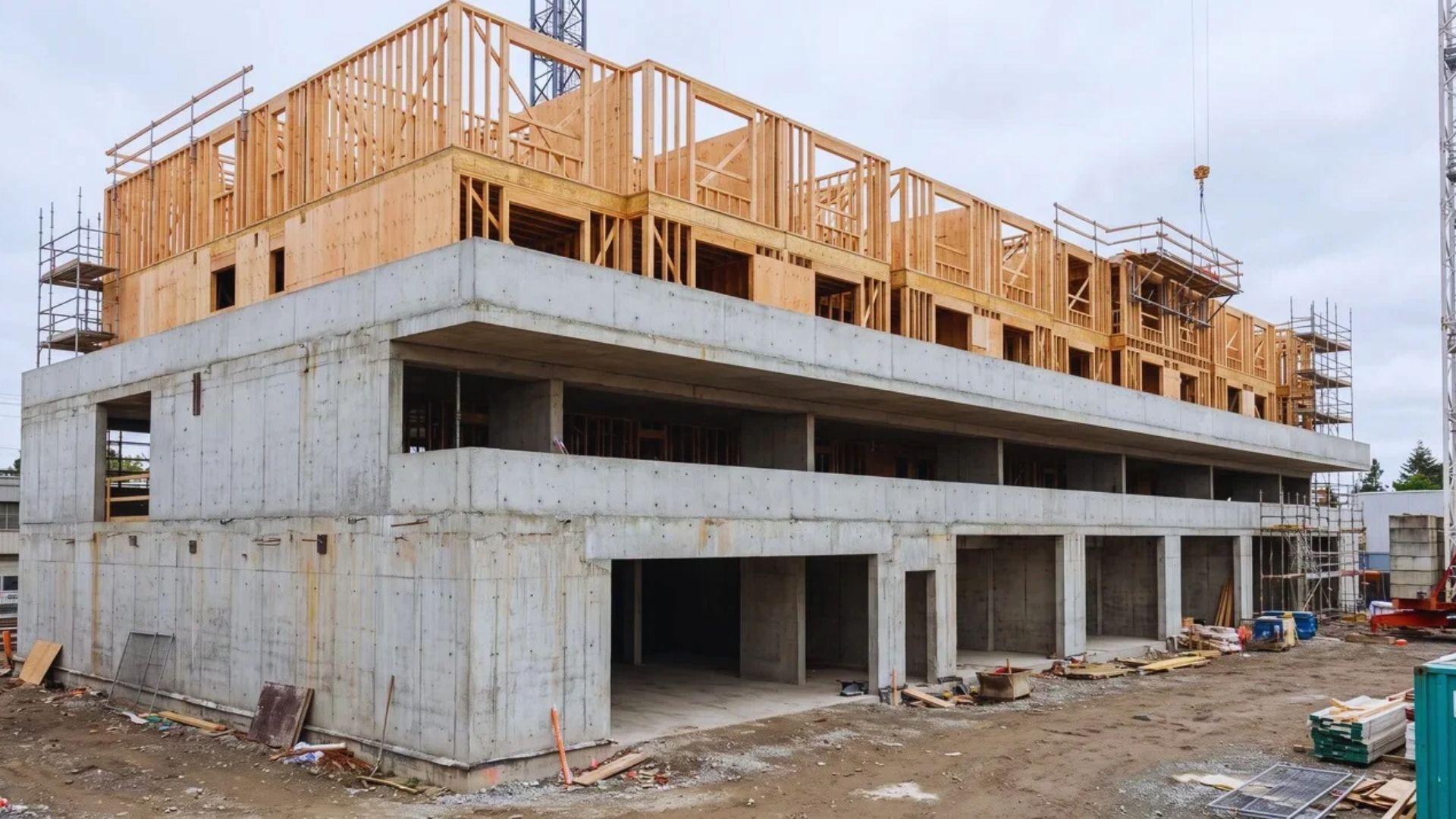
Heavy sections like these are what builders weigh up in post and beam vs timber frame designs.
Freshly sawn pieces have the right size and shape, but they are still full of water. They need to dry before they can go into a building.
How Is Timber Dried, Treated and Graded for Construction?
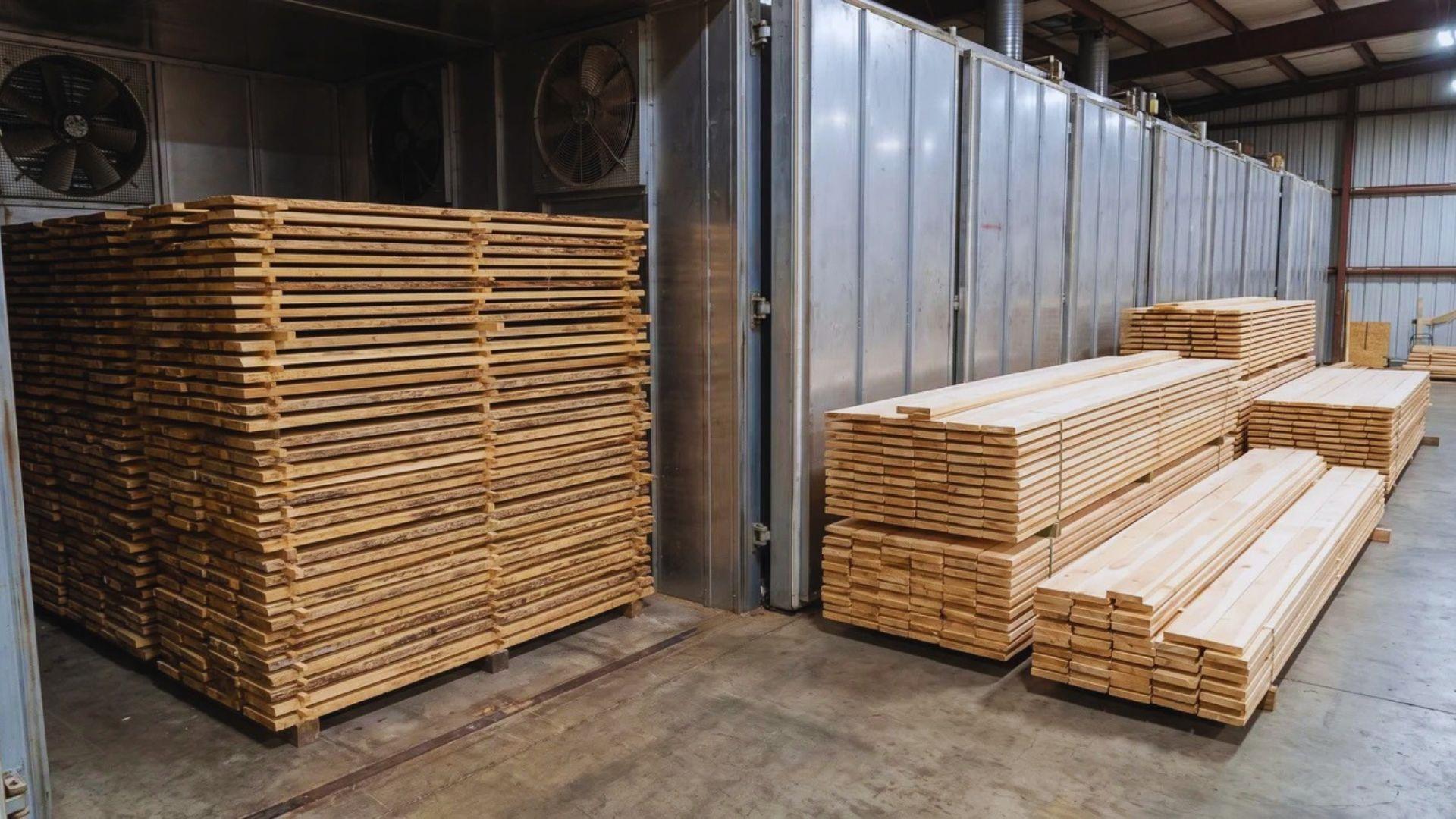
Timber is kiln-dried to lower its moisture so it keeps its shape, then planed and graded for strength. Protection from rot is a separate treatment step, and the two are often confused.
Kiln Drying and Moisture Content
Freshly sawn timber is full of water, so it cannot go into a building straight away.
Water sits in wood in two places. Some fill the empty cell cavities, and the rest is held inside the cell walls.
The loose water leaves first and causes no shrinking. Shrinking starts only once the wood begins losing water from the cell walls.
Wood shrinks much more across the grain than along it. It also shrinks unevenly around the rings, so pieces bow, twist, and cup.
Kiln drying makes that movement happen in the mill, under control, instead of in your wall.
Pieces go into the kiln stacked with spacers between layers, so warm air can flow around each one. Heat and airflow bring the moisture down to about 12 to 19 percent.
The right target depends on where the timber ends up, because wood settles to match the air around it.
Dry too fast, and the surface shrinks while the core is still wet, which cracks the wood. That is why kilns run on slow schedules.
How Is Timber Treated Against Rot and Pests?
Rot needs damp wood, so dry timber resists it only while it stays dry. If rain or ground moisture soaks it again, kiln-dried timber can rot like any other.
Treatment solves that problem in a different way, by putting preservatives into the wood itself.
In pressure treatment, the timber is sealed in a large cylinder, and the air is drawn out. The preservative is then forced into the wood under pressure, so it soaks in much deeper than a brushed coat.
Not every piece gets this. Dry indoor framing is usually left untreated, while fence posts, decking and anything touching soil are treated.
Treatment only protects as deep as the preservative reaches, so a fresh cut exposes wood that is less protected.
Planing and Grading
Once the timber is dry, a planer smooths the faces and cuts every piece to an exact, uniform size. Planing comes after drying because the wood has mostly stopped shrinking, so the size stays true.
Grading then checks each piece for strength, knots, and other defects, either by eye or with automated scanners.
Big knots and sloping grain weaken a piece, so a knotty one gets a lower grade than a clean one.
Each piece is stamped with its grade before it is bundled and shipped. The stamp turns sawn wood into rated structural timber.
Without a stamp, what is timber to an engineer? Wood of unknown strength, which no one can design with.
A dried, graded board can go straight into a wall, or it can be glued into something much larger. That second route is how mass timber gets made.
How Is Mass Timber Made? CLT and Glulam Explained
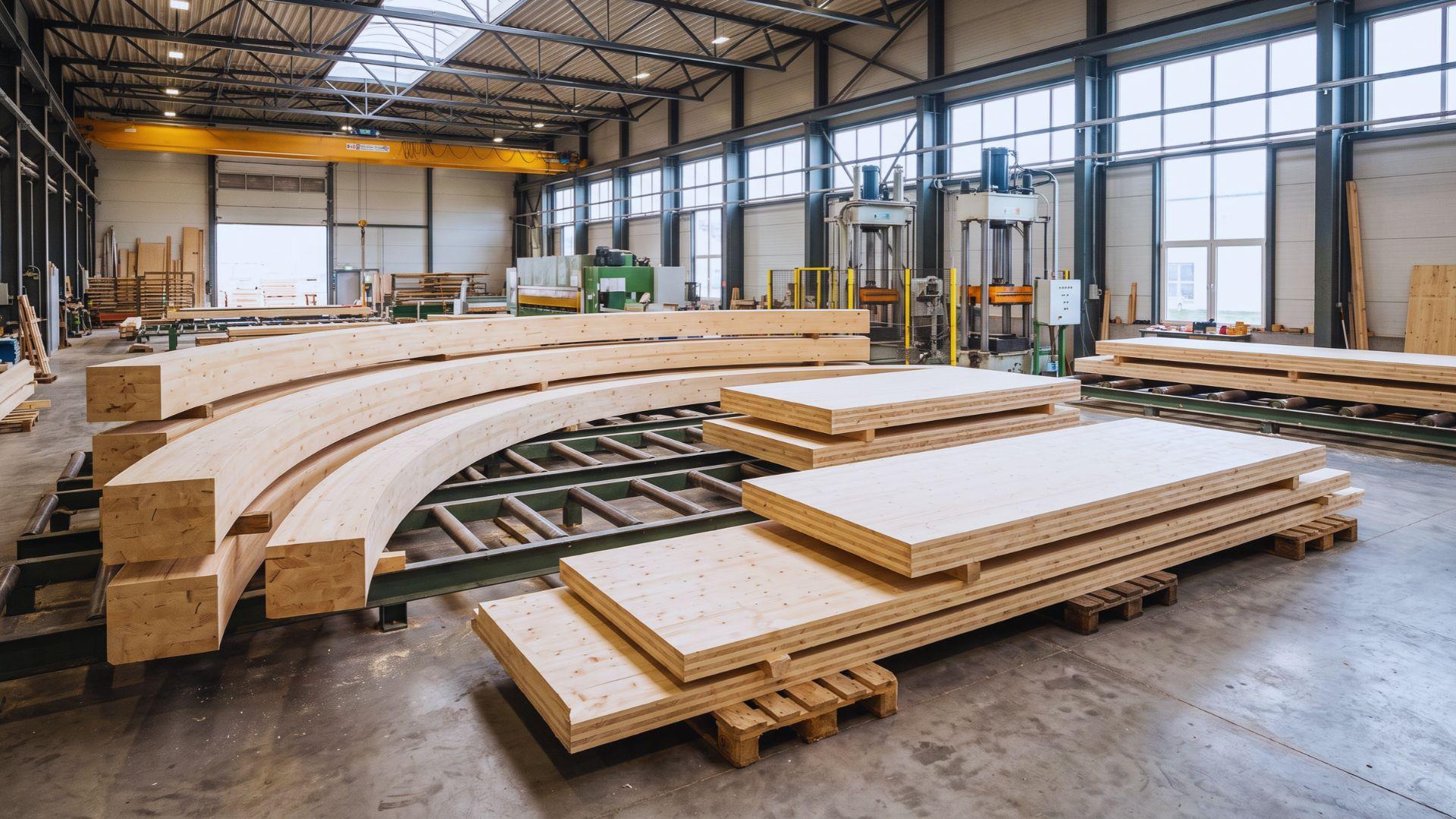
Mass timber is made by gluing layers of graded timber into large panels and beams, such as glulam and CLT. It extends the process you just read about instead of replacing it.
What Is Mass Timber, and Why Is It Made This Way?
Solid timber is limited by the size of the tree. Mass timber gets around that limit by joining many small boards into one large piece.
If you are asking what a timber is in this context, it is many boards bonded to act as one.
Some products use nails or wooden dowels in place of glue, but the idea is the same.
How Is Glulam Manufactured?
Glulam, short for glued laminated timber, is built from boards stacked with the grain running the same way. The steps below show how short boards become one long beam.
- Joining: Short boards are joined end to end with interlocking finger joints, so each layer can run as long as the finished beam.
- Gluing: Adhesive is spread on the faces of the boards.
- Pressing: The layers are stacked and pressed until the glue cures.
The grain runs the same way in every layer, so a glulam beam is strongest along its length. That suits beams and columns, which carry load in one direction.
How Is Cross-Laminated Timber (CLT) Manufactured?
CLT starts the same way, with dried, graded boards. The difference is in how the layers are stacked, as the steps below show.
- Cross-layering: Each layer is turned at a right angle to the one below.
- Gluing: Glue goes between the layers.
- Pressing: The stack is pressed flat into a large panel, usually with an odd number of layers so the outer layers run the same way.
Wood is strong along the grain and weak across it. Crossing the layers lets a panel carry load in both directions, and it also limits swelling and shrinking, because each layer holds its neighbours in check.
So glulam is strong in one direction, while CLT is strong in two. That is why CLT is used for floors, walls and roofs.
Both products depend on the earlier steps. Glue bonds poorly to wet wood, and boards that dry out later shrink and pull the layers apart.
A mistake at the drying or grading stage shows up here as a failed bond or a warped panel.
Final Verdict
So, how is building timber made? One stage at a time, and each stage cleans up after the one before it.
The saw gives the wood its shape, the kiln keeps it, and the grade stamp shows what it can carry.
That changes how you shop. A grade stamp and a moisture reading tell you more than the price tag does.
Mass timber glues those same pieces together on a bigger scale.
Before your next purchase, check the grade stamp and ask whether the timber is kiln-dried or treated.
Frequently Asked Questions
How long does it take to dry building timber?
Kiln drying softwood usually takes from a few days to a couple of weeks, depending on thickness and species. Air drying is slower and can take months.
What happens to sawdust and offcuts at a sawmill?
Sawdust and offcuts are burned to heat the kilns or sold for pulp, particleboard, and wood pellets. Mills treat them as products, not waste.
What is the difference between softwood and hardwood timber?
Softwood comes from conifers such as pine and spruce, and hardwood comes from broadleaf trees such as oak. The names describe the tree, not the wood, and balsa is a hardwood.
Is mass timber fire resistant?
Thick mass timber chars on the outside, and the char slows heat from reaching the wood underneath. Fire ratings depend on panel thickness and design, so check your local code.