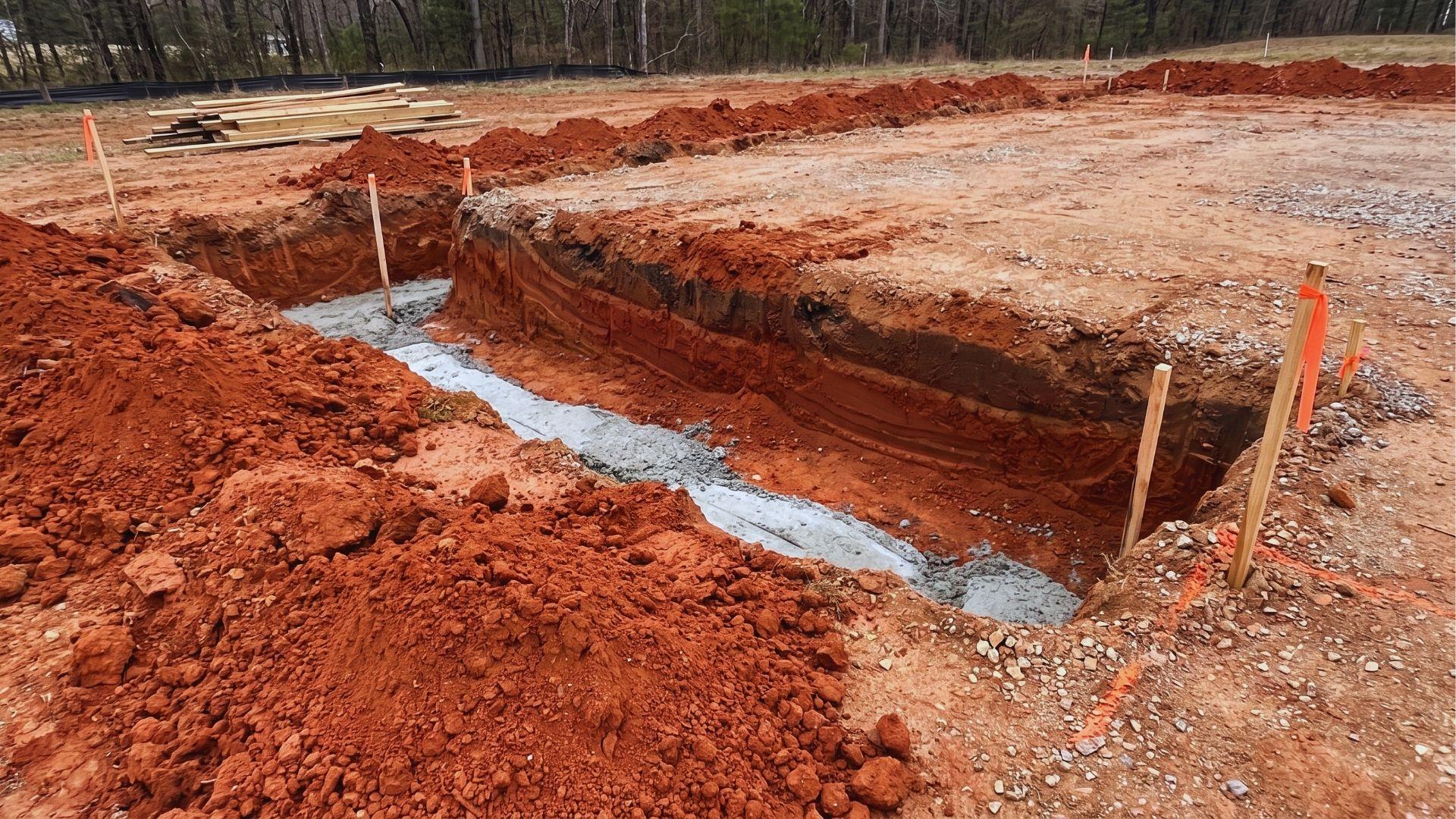
The cons of red soil while building are easy to miss because the ground looks firm and dense on a dry day. Two plots with the same red color can behave very differently, since clay content and moisture, not color, decide how the soil moves under a foundation.
In this post you will learn which problems red soil can cause, why they happen, and how to check your plot before you pour a footing.
The main risks are seasonal swelling and shrinking, poor performance as fill, erosion, slow drainage, and extra site preparation cost.
Most of these decisions are made closest to the ground, long before a wall goes up, so that is where we start. First, a direct answer to the question behind the confusion: is red soil bad for building on?
Is Red Soil Bad for Building On?
Red soil is not bad for building on by default, because undisturbed red soil can be firm and stable. Problems start when it is clay-heavy, cycles between wet and dry, or gets dug up and spread as loose fill.
The red color comes from iron oxide, mainly hematite, which forms as iron-bearing minerals. It records the soil’s weathering history, but it says nothing about how much the soil will swell.
Swelling depends on how much clay the soil holds, which clay minerals it contains, and how far its moisture changes.
According to a 1997 CSIRO study, smectite content governs strong swelling, and black cotton soil is rich in smectite while many red soils are dominated by low-swelling kaolinite.
That is why two red soils on neighboring plots can behave so differently. One may be gravelly laterite that drains fast, and the other a heavy clay that stays wet after rain.
How you use the soil matters as much as which soil it is. The IRC calls for footings to bear on undisturbed natural soil or engineered fill, and soil that was dug up and spread loosely is neither.
Clay and moisture drive most of the problems below, so keep those two factors in mind as you read.
What Are the Cons of Red Soil While Building?
The main cons of red soil while building are seasonal swell-shrink movement, poor compaction as fill, erosion, slow drainage, and extra preparation cost. Most trace back to water, since clay-rich soil moves when its moisture changes and loose soil settles or washes out.
Slopes, wet and dry seasons, and fill raise the risk, and the problems tend to feed one another.
1. Swell-Shrink Movement and Cracked Walls and Foundations
In smectite clays such as montmorillonite, water enters between the microscopic layers and pushes them apart. The soil swells when wet and shrinks as it dries, while kaolinite barely does either.
The IRC and IBC treat a soil as expansive when it meets four criteria, including a plasticity index of 15 or greater and an expansion index above 20. The Texas TDLR bulletin lays out the IRC expansive soil criteria, and only a lab test shows whether your plot qualifies.
A house rarely moves evenly on this soil, because the soil near the edges changes moisture each season while the soil under the middle stays steadier. That uneven movement twists the foundation and pushes sideways on the walls.
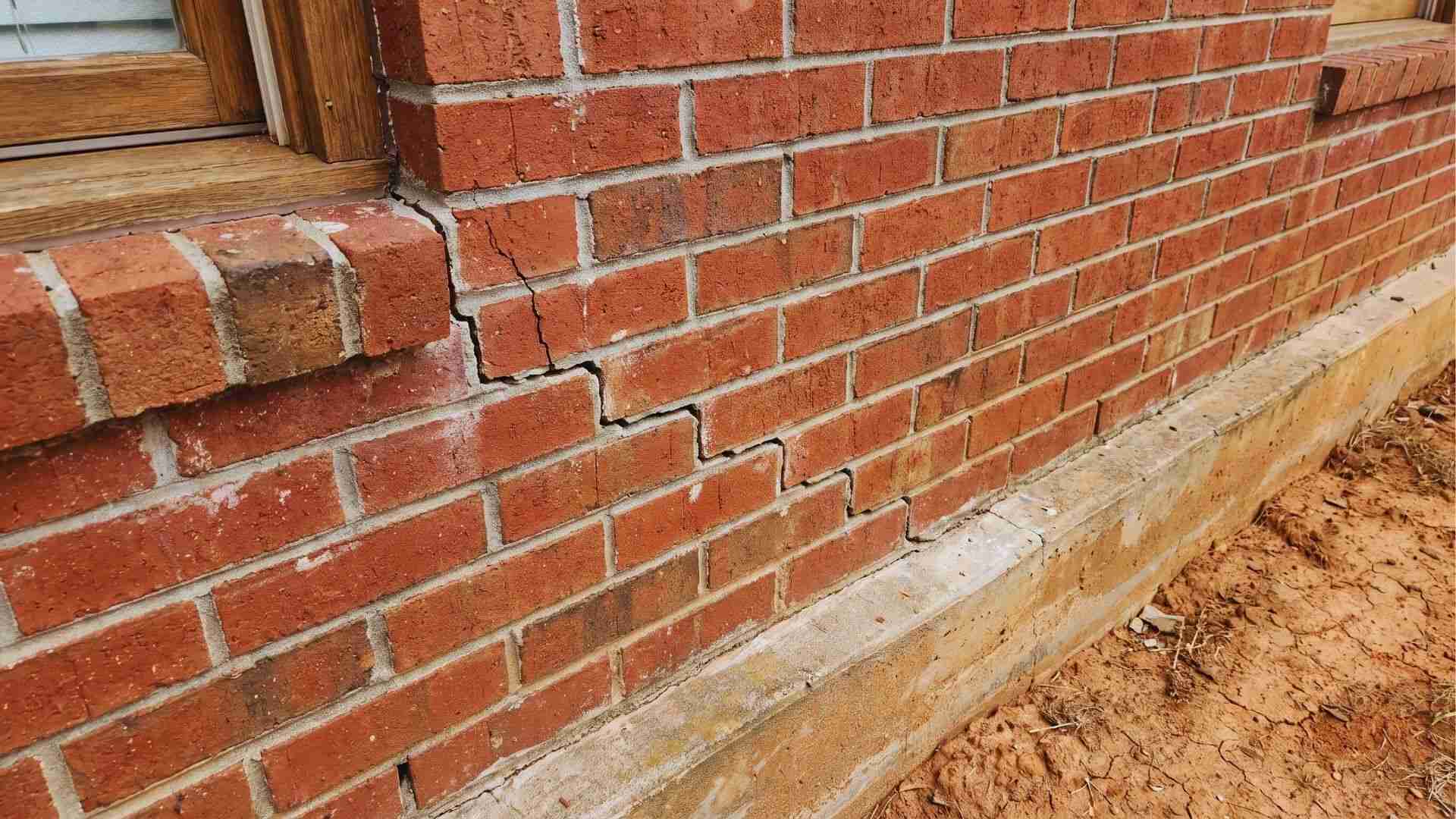
Diagonal cracks from door and window corners, and step cracks along brick mortar joints, can be signs of movement. Cracks have many causes, so have a structural engineer evaluate any that are wide, growing, or paired with sticking doors.
2. Poor Compaction and Settlement When Used as Fill
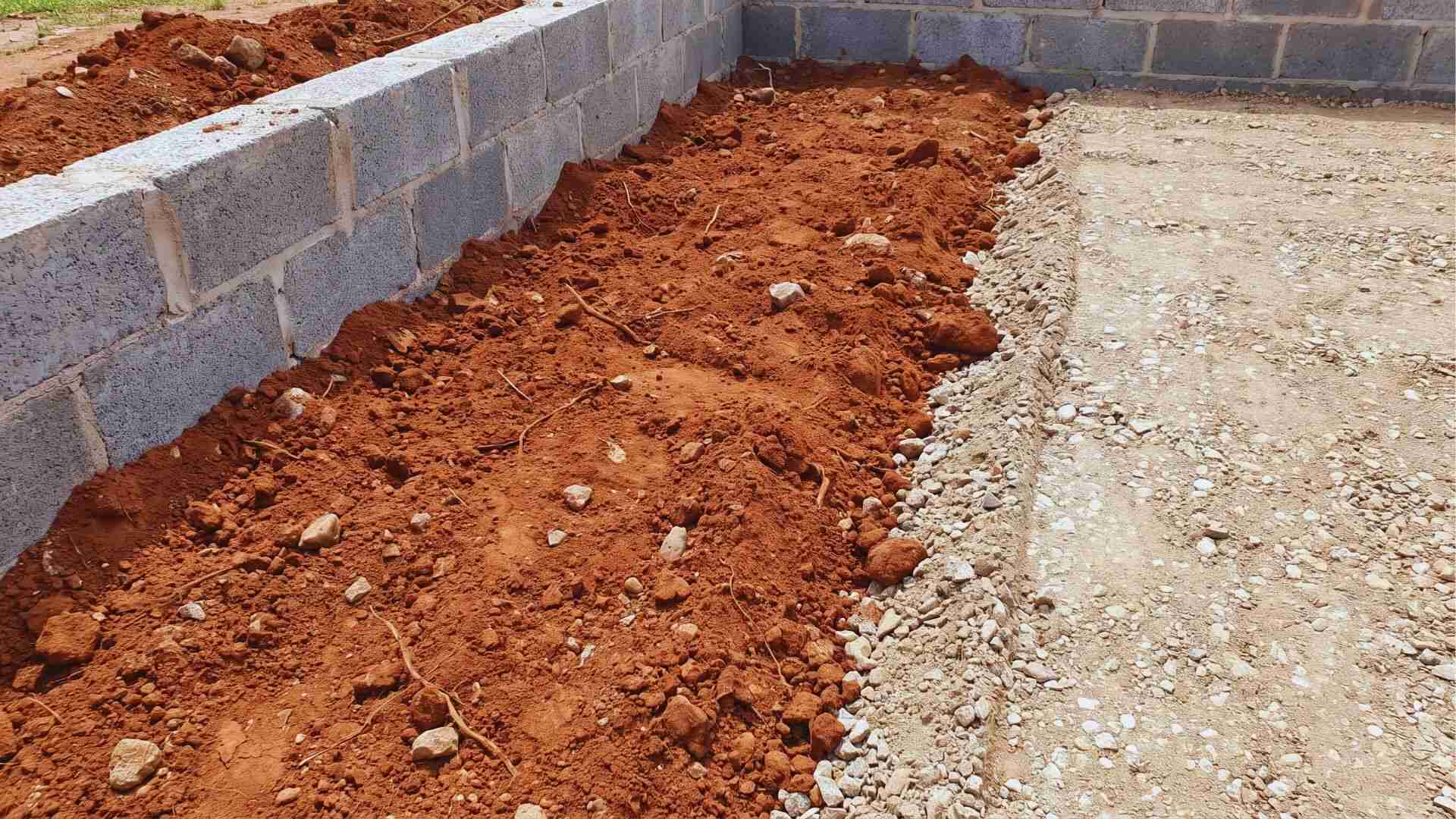
Fill is the soil you spread inside the foundation walls to raise the floor level. Dug-up red soil makes poor fill because it has lost the dense structure it had in the ground.
Clay-rich red soil also holds water and turns soft when wet, and it packs tightly only when compacted in thin layers at the right moisture. Granular fill such as crushed stone or gravel usually compacts into a dense layer that drains and does not soften.
One Missouri building department’s 2012 IRC fill interpretation says expansive clay can be used as fill only conditionally and, in most cases, should not be. Your local building official has the final word.
Settlement shows up unevenly because fill is deeper in some parts of the house than others. The deeper part sinks more, so floors crack and tiles sound hollow.
3. Erosion and Washout Beneath Slabs
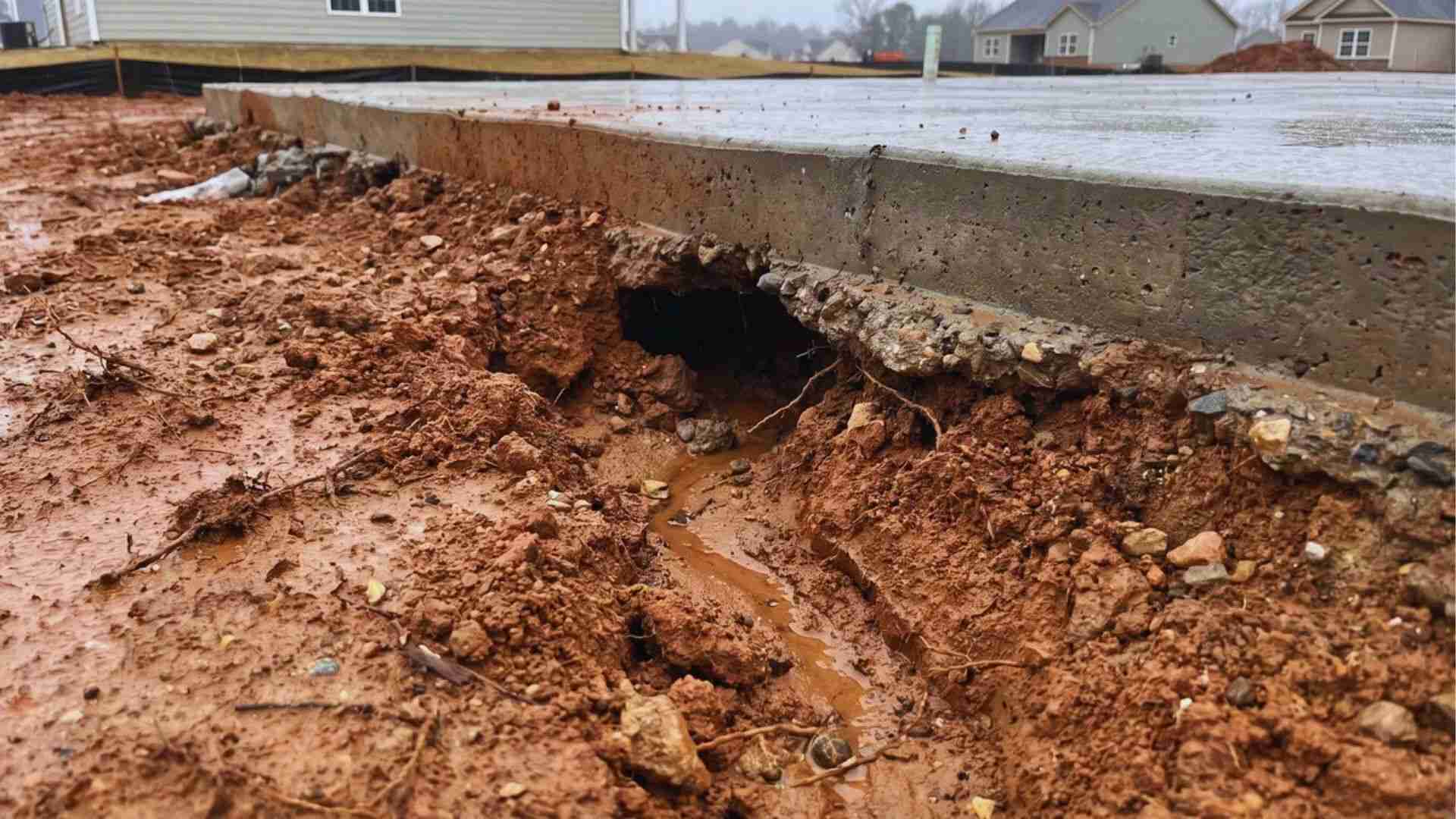
Loose red soil with little cohesion washes away when heavy rain runs across a slope. Water also seeps along trenches and under slabs, carrying fine soil with it.
The surface erosion you can see is the minor part. Underneath, soil leaves slowly and creates voids, so a slab can lose support and crack.
Steeper plots and downpipes that empty beside the wall make it worse. Dense clay sheds water, so it washes out less but pools more.
4. Slow Drainage and Water Pooling Near Foundations
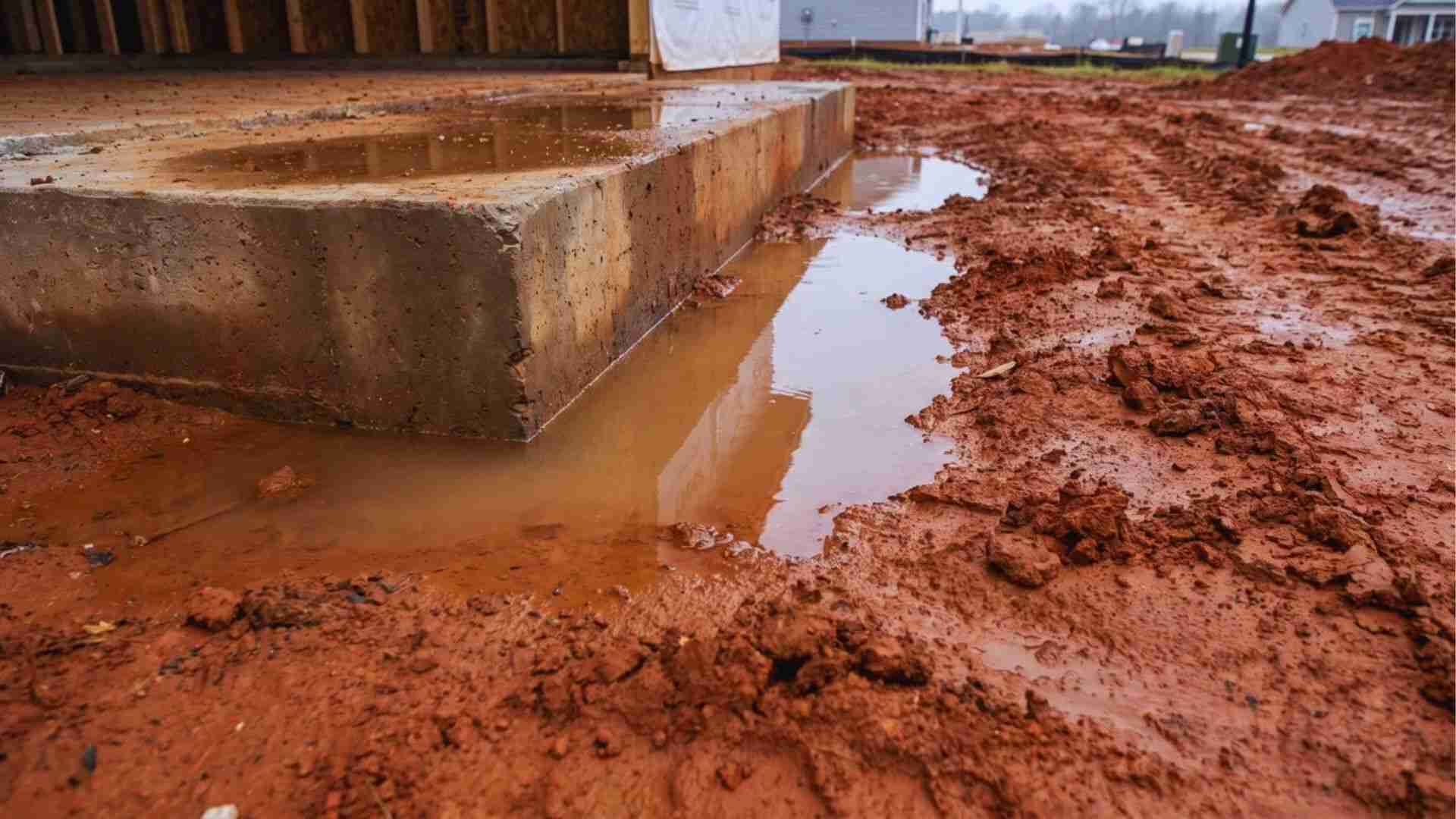
Dense, clay-heavy red soil absorbs water slowly, so rain sits on the surface instead of soaking away. That water collects beside the foundation, which is the worst place for it.
Pooled water feeds the swell-shrink cycle, since wet soil beside the footing swells while distant soil stays dry. Under IRC Section R401.3, lots must drain away from foundation walls with at least 6 inches of fall in the first 10 feet, as the IRC drainage grading requirement shows.
Not every red soil drains this slowly. Porous, gravelly red soil drains fast, but it has little cohesion, so it brings back the erosion problem.
5. Higher Preparation and Stabilization Costs
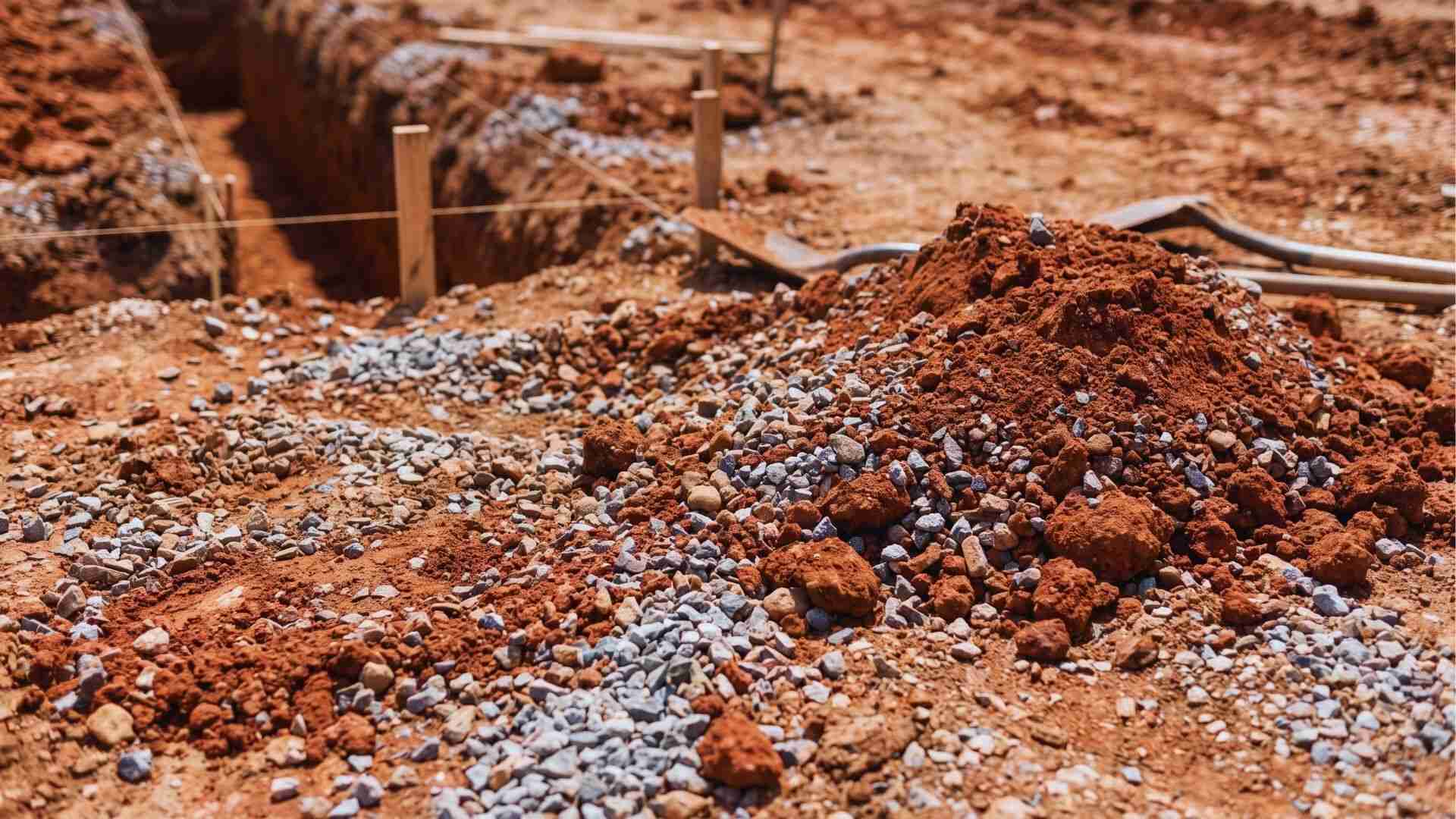
Clay-heavy or loose red soil often needs extra work before you can build on it. That can mean deeper footings to reach firmer ground, piers that carry the load down, and grading around the plot.
Some plots also need stabilization, which means mixing in lime or gravel to firm up the soil. A firm, well-drained site may need none of this, and local quotes decide the real price.
Each of these problems depends on how much clay your plot holds, which you can estimate before you build.
Is Your Red Soil Site Safe to Build On? Here’s How to Check
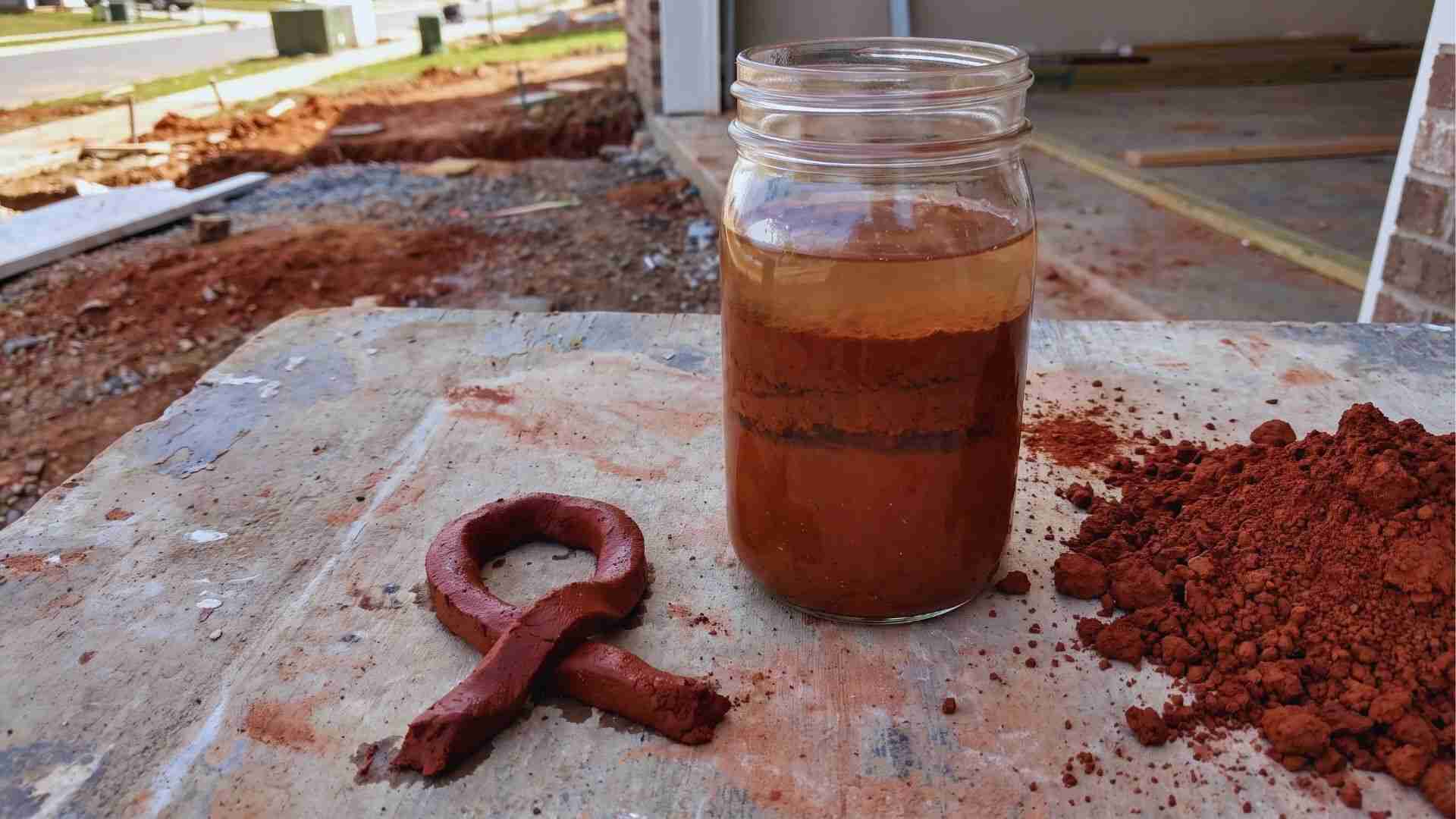
You can check a red soil site in two stages: simple field tests that estimate clay content, then a geotechnical soil test that measures swell potential and bearing capacity. The field tests cost almost nothing but cannot replace the lab.
Simple Field Checks You Can Do on Site
Call 811 before you dig, even for a small sample hole. Collect soil from the surface or a shallow hand-dug hole without climbing in, and do not enter any pit or trench 5 feet or deeper without a protective system, as OSHA excavation depth guidance requires.
Ribbon test:
- Wet a handful of soil until it molds like putty, then squeeze it between your thumb and finger to push out a ribbon.
- A ribbon of 1 to 2 inches before breaking suggests clay loam, and 2 inches or longer suggests clay, according to the Colorado State ribbon test guide.
Jar test:
- Fill a clear jar one third with soil and top it up with water.
- Shake it hard and leave it for 24 to 48 hours, longer for heavy clay.
- Sand settles first, silt next, and clay last, so a thick top layer points to high clay content.
Also walk the plot and look for ground cracks in the dry season, standing water after rain, and cracks in nearby walls. Neighboring walls show what the soil has already done to real structures.
Treat all of this as a rough guide, because these checks estimate texture but cannot measure swell potential or the weight the soil can carry.
When You Need a Geotechnical Soil Test
Field checks point you in a direction, and a geotechnical test gives you numbers to design from. Under IRC Section R401.4, the building official decides whether a soil test is required where data suggest expansive, compressible, or shifting soils.
A geotechnical report typically covers three areas:
- Soil classification: the soil type, identified by a standard system.
- Plasticity and swell potential: how much the soil moves with moisture changes.
- Bearing capacity: the weight the soil can carry at foundation depth.
A poor result changes the plan. The engineer may recommend deeper footings, piers, soil stabilization, or replacing the fill.
A firm, well-drained site may need little beyond drainage control. Order the test before fixing the foundation design, and sooner if field checks show thick clay or neighboring walls are cracked.
Your local building code decides which tests and limits apply, so confirm with your building department before you commit to a design.
What Do Builders Do Differently on Red Soil Sites?
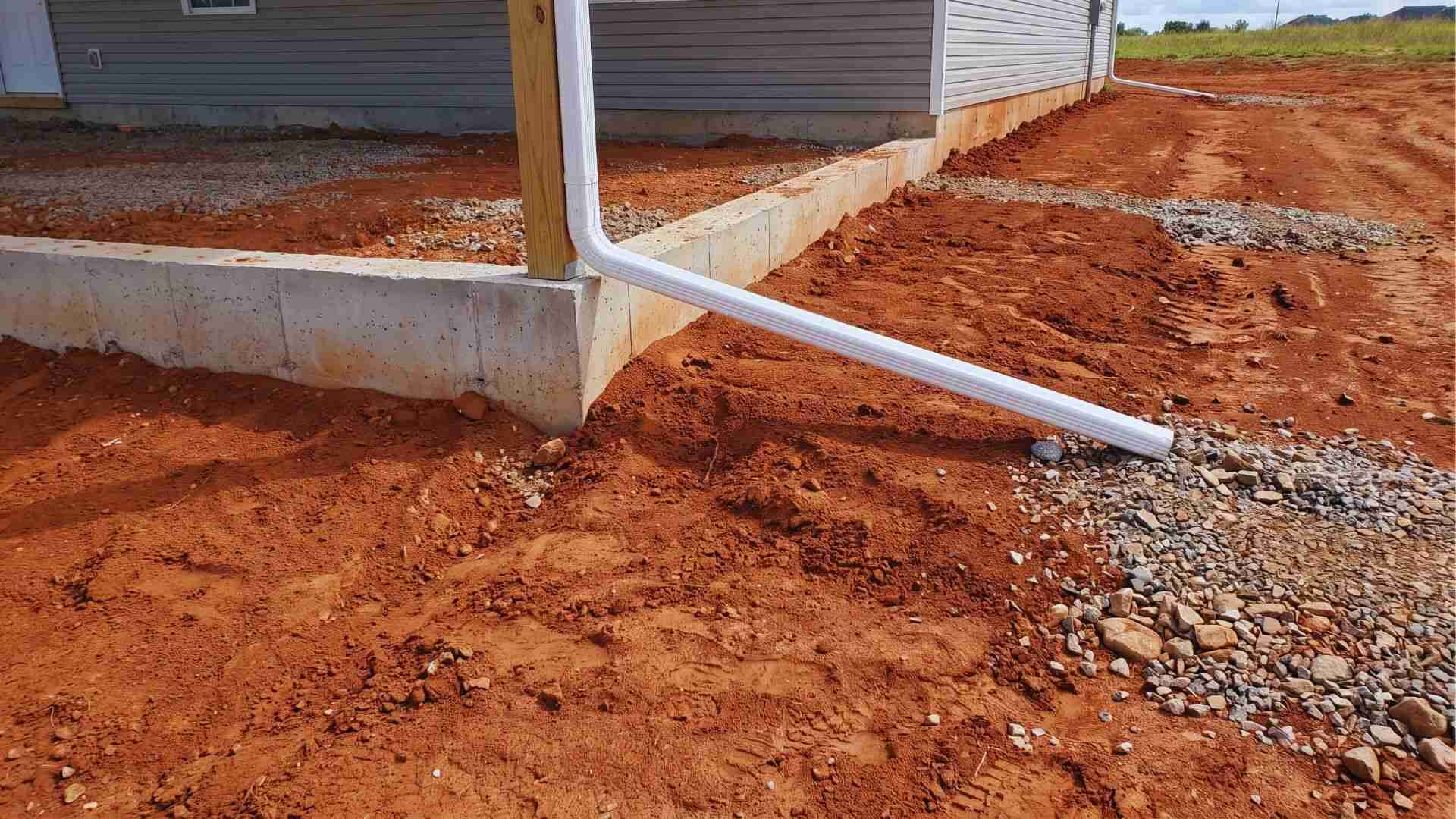
Builders on red soil sites protect the house mainly by controlling water around the foundation. The questions below gather local knowledge, and the habits that follow carry you through the build.
What to Ask Local Builders and Neighbors Before You Start
A neighbor who built on similar ground has already tested the soil in practice.
You only need questions that return facts, not opinions:
- How deep did the footings go, and did any wall crack after the first wet season?
- How was the floor fill placed, and did the floor settle afterward?
- Where did rainwater collect on the plot, and how long did it stay?
The last answer tells you more about drainage than a dry-season visit ever will. A neighbor’s plot can still sit on different soil, so use what you hear to decide what to test and let the soil test make the final call.
Site Habits That Protect a Red Soil House During and After the Build
Most of the protection comes from simple work with water, and the aim is to keep moisture around your foundation as steady as you can:
- Fix slope and drainage first: Grade the ground so rain moves away from the house before the foundation goes in.
- Send downpipes well clear of the walls: A downpipe emptying beside the wall soaks the same strip of soil every wet season.
- Compact fill in thin layers: A packed layer holds, while a thick, loose pour settles later under the floor.
- Limit how long trenches stay open in heavy rain: Water softens the soil where the footing will sit, and OSHA’s excavation rules restrict working where water is accumulating.
- Mark and date cracks after the first wet season: Draw a pencil line at the end of each crack and write the date beside it.
Check those marks again after the next season. A crack that keeps growing may mean the soil is still moving, so have a structural engineer look at it.
If walls bulge suddenly, or you hear cracking or see signs of collapse, get everyone out and call 911.
Final Verdict
The cons of red soil while building come down to clay and water. How much clay the ground holds and where the rain goes decide almost everything about how a red soil plot performs.
Red soil is not a reason to walk away from a plot, but it is a reason to look closer. The same ground can be a solid base or a poor fill, so how you use it matters.
This weekend, call 811 and run the ribbon test on a shallow sample. Then ask your building department whether a soil test applies before you finalize the foundation design.
This post is informational and is not a substitute for advice from a licensed contractor, geotechnical or structural engineer, or your local building department.
Frequently Asked Questions
Is red soil good for building a house?
Yes, when the soil is undisturbed, well drained, and low in clay, it may support a conventional foundation. A lab report, not color, confirms it, and your building department decides whether testing is required.
Can I use red soil instead of murram to fill my house?
Red soil is generally not recommended as fill because it compacts poorly. If it is your only option, an engineer should approve it, and it should be compacted in thin layers.
What type of soil can you not build on?
Peat, soft marshy ground, and very loose sandy soil generally cannot carry building loads reliably. Engineers can sometimes treat or bypass them with piles or soil replacement, but only after a proper soil investigation.
Is red soil or black cotton soil better for construction?
Black cotton soil is rich in smectite and swells heavily, so it often needs special foundation design. Red soil is usually less reactive, yet a lab test on your own plot decides which applies.