
Building a brick wall is a real project. It takes planning, the right materials, and a clear process.
This guide covers everything from tools and foundation prep to mortar mixing, laying bricks, and finishing the wall. We also cover costs, common mistakes, and when to call a professional.
I’ve worked around enough construction projects to know that small errors early on cause big problems later. This guide helps you avoid that.
Whether you’re building a garden wall or an interior partition, you’ll find step-by-step answers here. Let’s get into it.
What You Need Before Starting Brick Wall Construction
Before you place a single brick, preparation matters more than most people expect. Rushing into brick wall construction without the right tools or materials leads to wasted time, uneven walls, and costly fixes.
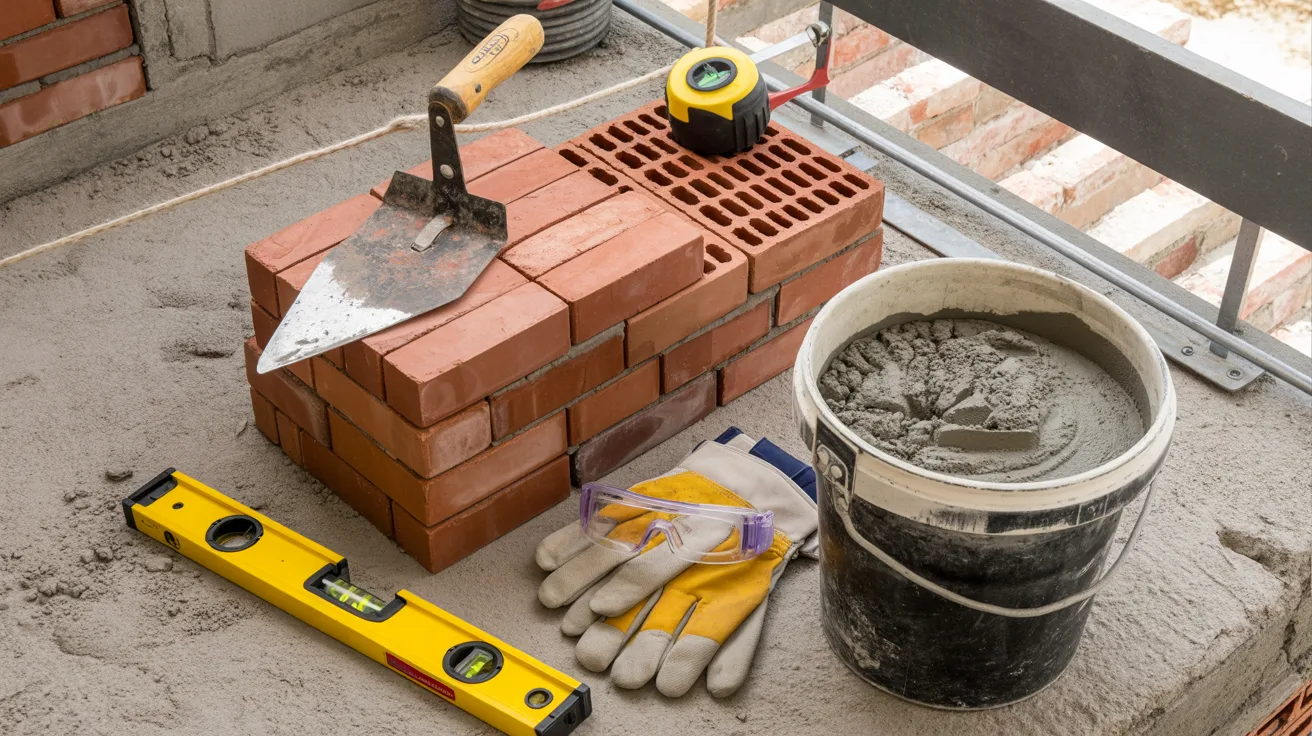
Start by gathering your materials. You’ll need bricks, mortar mix, sand, and water. For tools, get a trowel, spirit level, brick hammer, bolster chisel, string line, tape measure, and a mixing bucket or cement mixer. Safety gear gloves, goggles, and steel-toed boots is non-negotiable.
Check your local building codes before anything else. Some walls require permits, especially load-bearing or boundary walls. Skipping this step can cause legal problems later.
Also, think about the purpose of your wall. Is it decorative, structural, or a boundary divider? The purpose affects thickness, materials, and the type of mortar you’ll use.
Planning this upfront saves you from making changes halfway through.
Brick Wall Construction Steps Explained
Step-by-step brick wall construction ensures a strong, level, and durable structure built to last for years.
Step 1: Plan and Measure the Wall Area
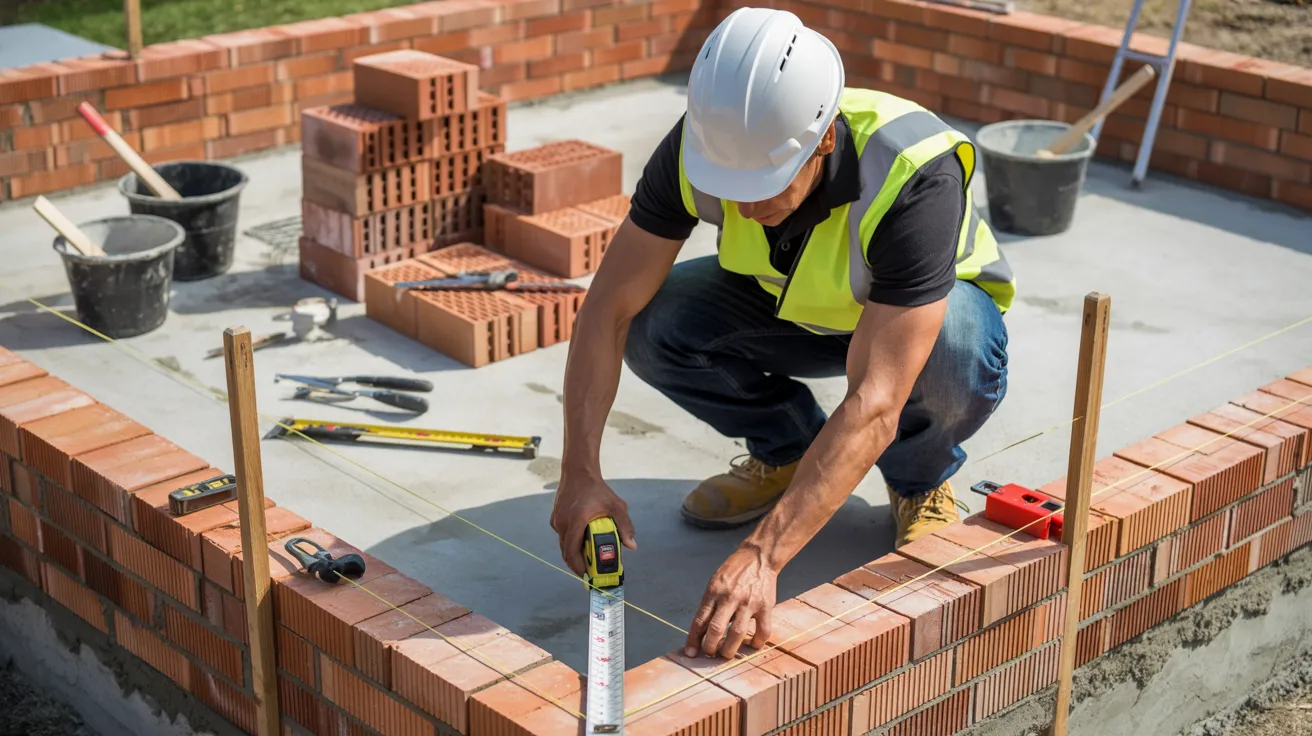
Mark the wall’s position using string lines and stakes. Measure the full length and height.
Calculate how many bricks you need based on the wall dimensions, adding 10% extra for cuts and breakage.
Step 2: Prepare the Foundation Properly
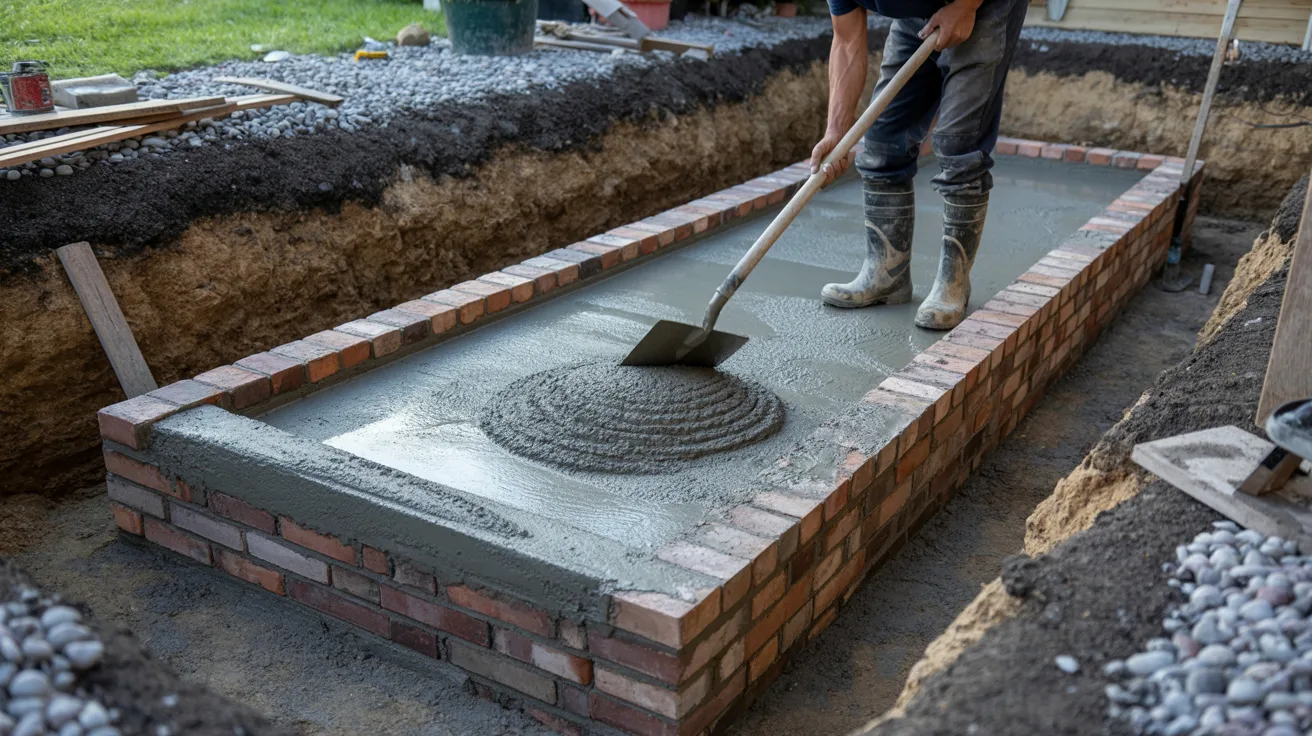
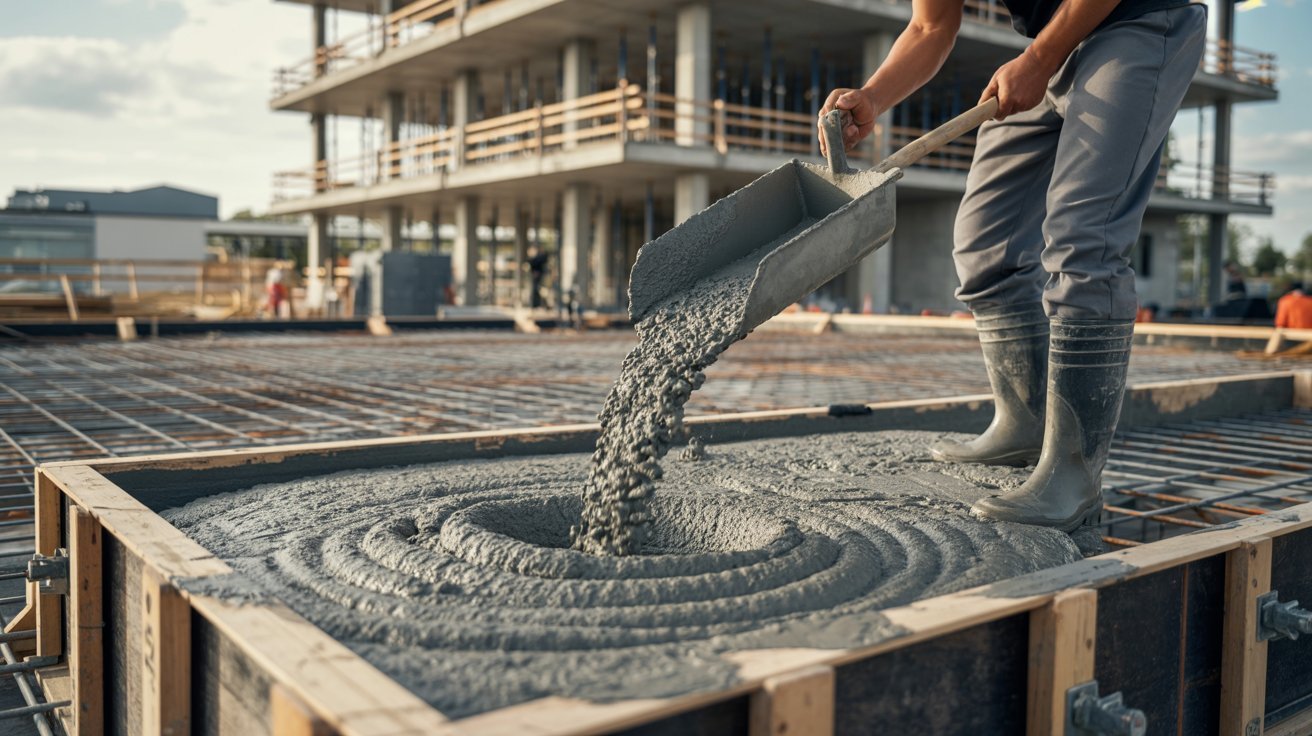
Dig a trench at least 150mm to 300mm deep depending on the wall height. Fill it with concrete and let it cure fully, usually 24 to 48 hours.
A solid, level base is what holds the entire wall together.
Step 3: Mix Mortar for Brick Wall Construction

Use a standard mix of one part cement to four or five parts builder’s sand. Add water gradually until the mortar holds its shape but isn’t too stiff or too wet.
Test it by pressing a trowel into the mix and it should leave a clean impression.
Step 4: Lay the First Course of Bricks

Apply a 10mm bed of mortar on the foundation. Press each brick firmly into place. Use a spirit level to check that each brick is level and plumb.
The first course sets the alignment for every row above it.
Step 5: Continue the Brick Wall Construction Process

Work row by row. Offset each course by half a brick to create a staggered bond. Apply mortar to the end of each brick before placing it. Keep joints consistent at around 10mm.
Step 6: Check Alignment and Wall Level

Check level after every two to three courses. Use a long spirit level and a string line stretched between corner guides.
Correct any issues immediately. Once mortar dries, adjustments become very difficult.
Step 7: Finish, Cure, and Protect the Wall

Point the mortar joints using a jointing tool for a clean finish. Cover the wall with damp cloth for two to three days to slow-cure the mortar.
Once fully cured, apply a weather sealant if the wall is outdoors.
Types of Brick Wall Construction

Understanding the different types helps you choose what fits your project best.
Single brick wall
Construction uses one brick laid flat, creating a wall about 102mm thick. It works well for garden walls, low boundary walls, and non-load-bearing partitions. It’s quick and cost-effective, but not suitable for heavy structural use.
Double brick wall
Construction involves two parallel layers of bricks. This gives the wall more strength and better insulation. It’s commonly used for external walls in residential buildings.
Solid brick wall
Construction means the wall is built as one thick, fully filled unit. It’s strong, fire-resistant, and good for sound insulation. Older homes often used this method for exterior walls.
Cavity brick wall construction has a gap between two brick leaves. The cavity acts as a thermal and moisture barrier. This is a common modern method for external walls because it keeps homes warmer and drier.
Important Brick Wall Construction Details
Understanding important brick wall construction details helps improve wall strength, stability, moisture resistance, and long-term durability.
Proper Wall Thickness and Structural Support

Wall thickness depends on the wall’s height and load. A single-leaf wall suits short garden borders.
Anything structural or over one meter tall generally needs additional thickness or reinforcement. Always check local structural requirements.
Drainage and Moisture Protection
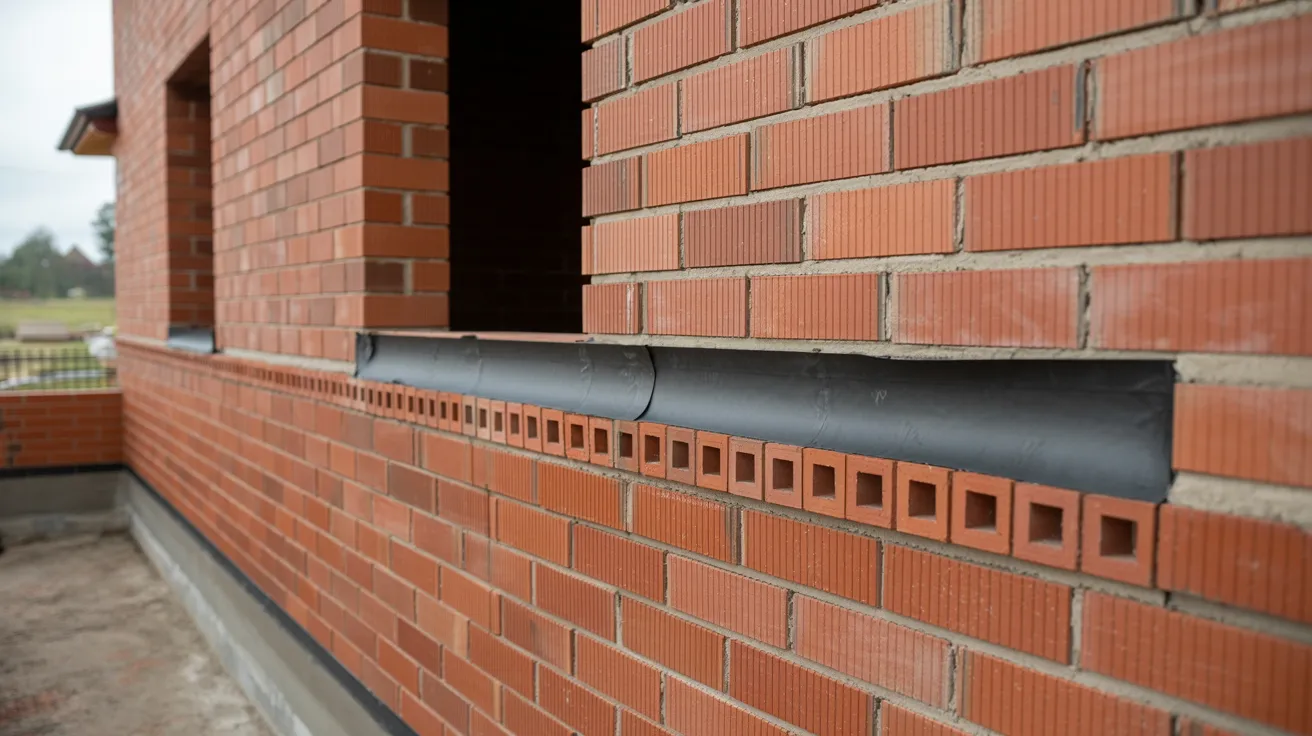
Outdoor walls need drainage details to prevent water from pooling at the base. Install weep holes every few courses in cavity walls to allow moisture to escape.
Apply a damp-proof course at the base to block rising moisture.
Reinforcement and Expansion Joints
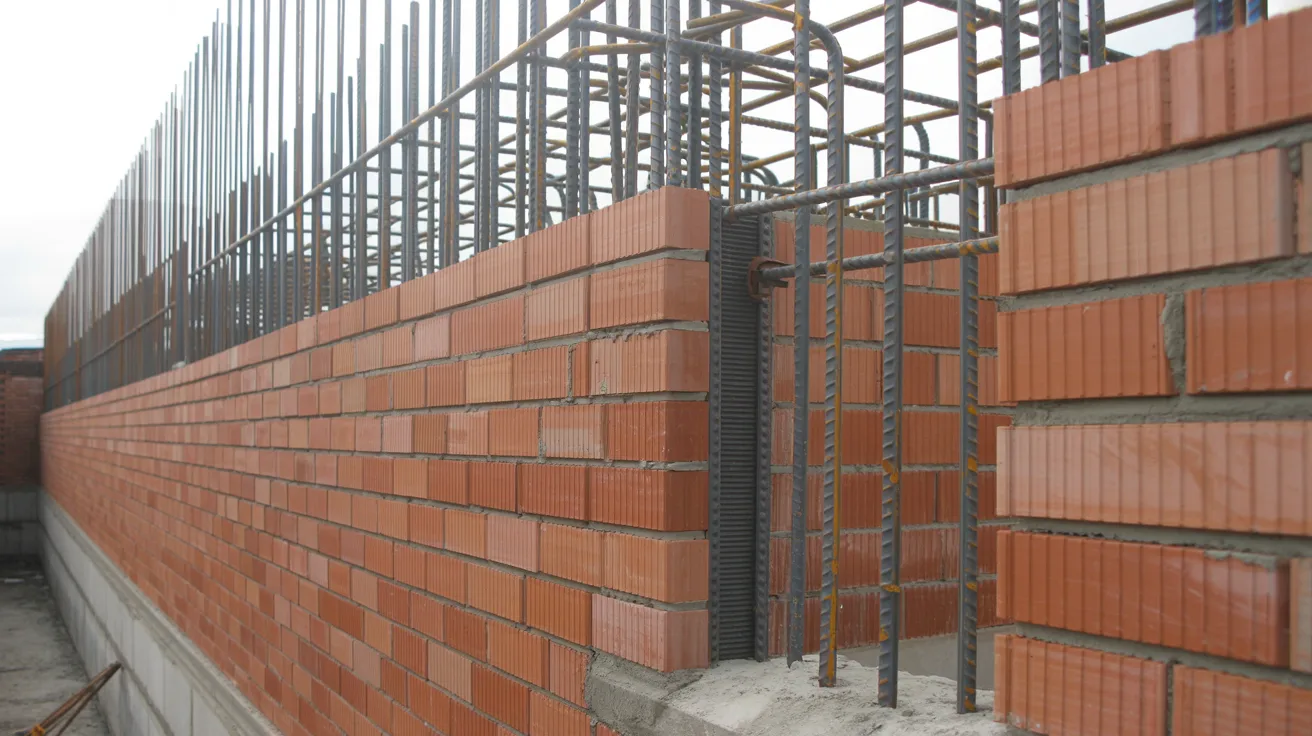
Long walls need expansion joints every 6 to 9 meters. These joints allow the wall to expand and contract with temperature without cracking.
Steel reinforcement bars can be placed in the mortar bed for added strength in structural walls.
Internal Brick Wall Construction Basics
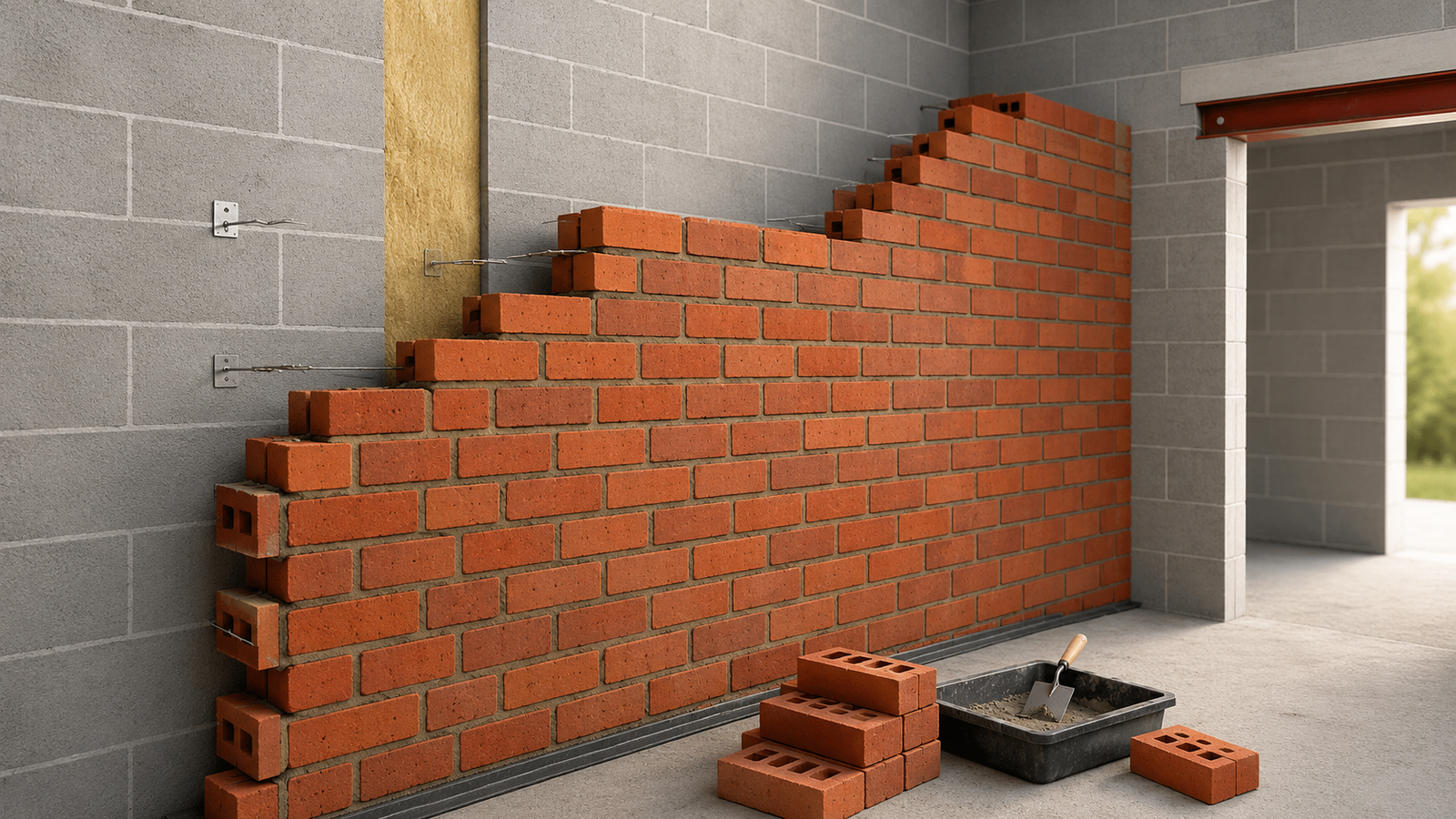
Internal brick walls are typically single-leaf or lightweight. They don’t face weather exposure, so moisture protection is less critical.
Focus on straight lines, consistent mortar joints, and ensuring the wall ties securely into existing structure.
Brick Wall Construction Techniques for Better Results
Proper brick wall construction techniques improve strength, alignment, durability, and the overall finish of the wall.
Masonry Brick Wall Construction Methods

Traditional masonry relies on hand-laying bricks with mortar. It’s still the most reliable method for small to medium projects.
Take your time with each course and keep your tools clean to get consistent results.
Curved Brick Wall Construction Tips

Curved walls require cutting bricks at angles and using flexible string guides. Work slowly. Dry-lay the curve first to check the shape before applying mortar.
Smaller bricks or specially shaped bricks make curves easier to manage.
Common Brick Bond Patterns
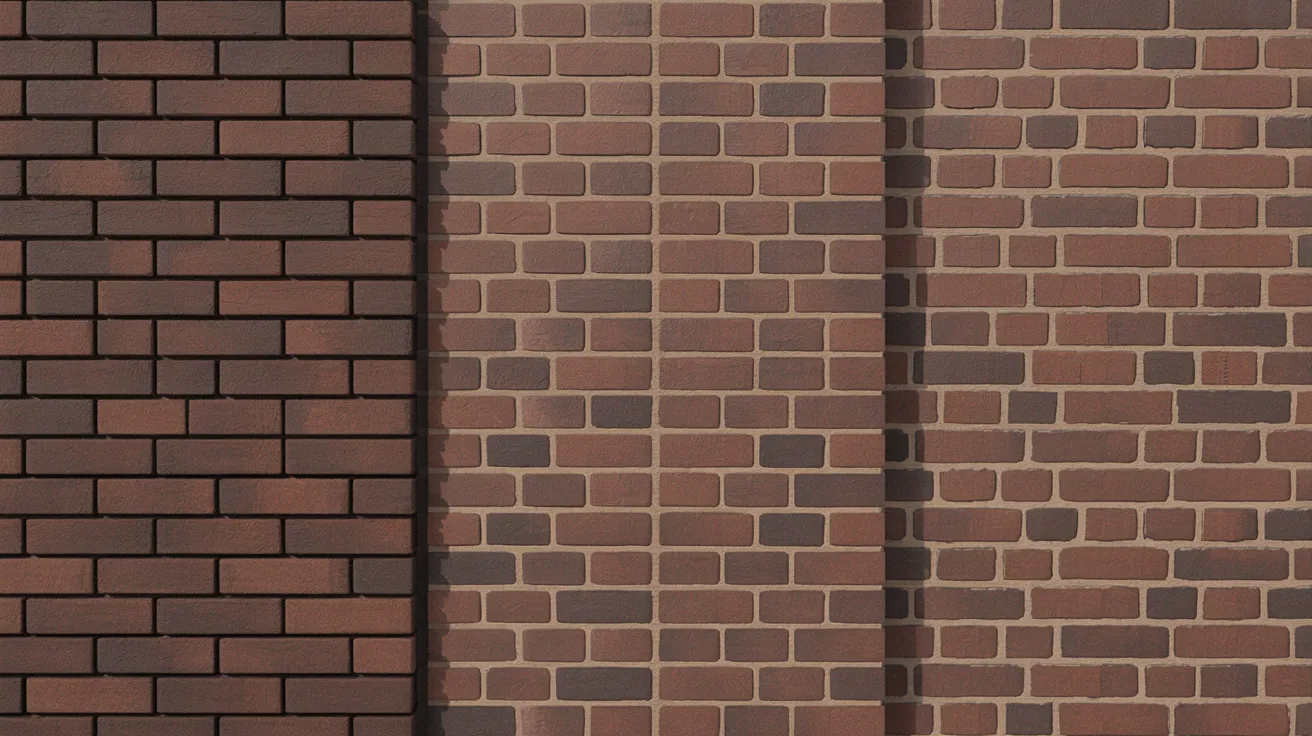
The most common patterns include:
- Stretcher bond bricks laid lengthways, offset by half
- English bond alternating courses of stretchers and headers
- Flemish bond each course alternates between a stretcher and a header
Each pattern affects the wall’s strength and appearance differently.
Reinforced Brick Wall Techniques

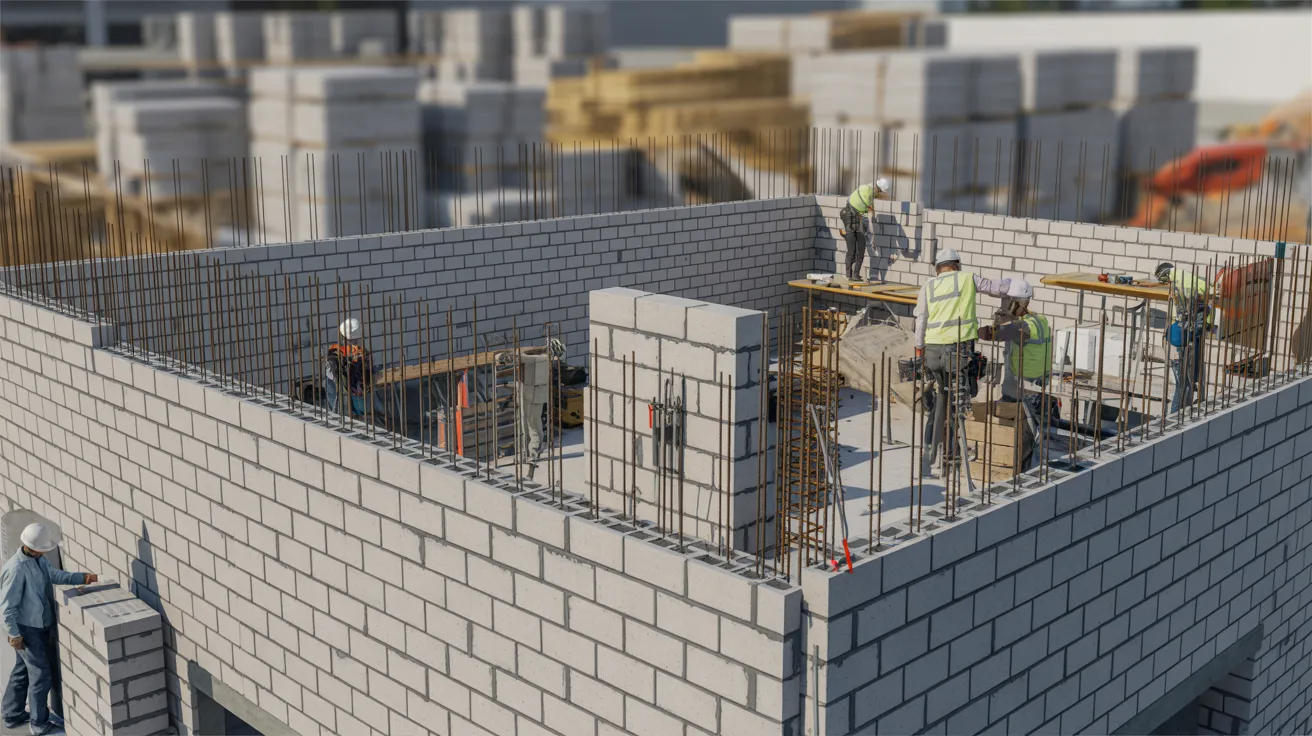
For taller or load-bearing walls, embed steel mesh or vertical rebar within the courses. Fill hollow core bricks with concrete for added support.
This is especially important in earthquake-prone or high-wind areas.
Common Brick Wall Construction Mistakes to Avoid
Skipping small steps in brick wall construction leads to big, costly problems. Here’s what to watch out for.
Weak or Uneven Foundations
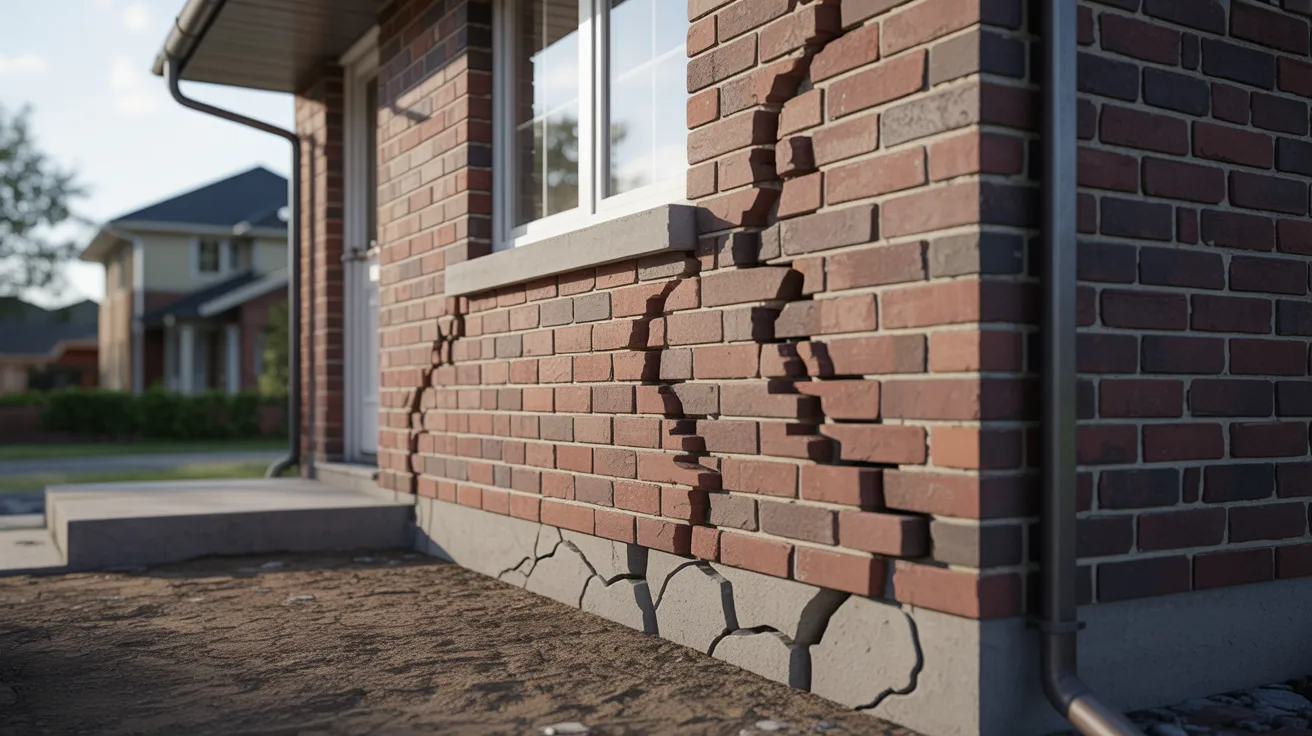
A poor foundation causes the wall to shift, crack, or lean over time. Always dig deep enough, use the correct concrete mix, and allow full curing before laying bricks.
Incorrect Mortar Consistency
Mortar that’s too wet will shrink and crack. Mortar that’s too dry won’t bond properly. Mix carefully and test consistency before you begin laying bricks.
Poor Brick Spacing and Alignment
Uneven joints weaken the wall and look unprofessional. Use spacers and a string line to keep each course straight and consistent. Check frequently rather than correcting at the end.
Ignoring Water Drainage
Water sitting at the base of a wall breaks down mortar over time. Include drainage slopes, weep holes, and a damp-proof course from the start.
Brick Wall Construction Cost Factors

Knowing what drives brick wall construction costs helps you plan smarter and avoid budget surprises.
Material and Brick Costs
Brick prices vary based on type, finish, and region. Standard clay bricks typically range from $0.50 to $2.00 per brick.
You’ll also need to budget for mortar, sand, concrete for the foundation, and any reinforcement.
Labor and Installation Expenses
Professional masonry labor costs between $40 and $100 per hour depending on location and complexity.
A basic garden wall might cost $800 to $2,000 in labor, while a structural wall can run much higher.
Using a Brick Wall Construction Cost Calculator
Online cost calculators let you input wall dimensions and brick type to get a rough estimate.
These tools help you plan your budget and compare DIY versus professional costs before committing.
Maintenance Tips for Long-Lasting Brick Walls
Regular cleaning, crack repairs, and moisture control help brick walls stay strong, stable, and visually appealing for years.
- Inspect brick walls yearly for cracks, drainage issues, and plant growth near joints.
- Clean brick surfaces with mild detergent and a stiff brush, then apply a breathable sealant.
- Repair damaged mortar joints early through repointing to stop water penetration.
- Check wall ties for rust, cracks, or bulging sections and replace weakened ties if needed.
- Remove moss and algae regularly with a fungicidal wash to reduce moisture buildup.
Conclusion
I remember the first time I stood in front of a half-built brick wall wondering if I’d made the right call doing it myself. It felt big. But breaking it into steps made all the difference.
Brick wall construction doesn’t have to be complicated. With the right prep, tools, and patience, you can build something that lasts for decades.
If this guide helped you, drop a comment below and share what you’re building. And if someone you know is planning a brick wall project, send this their way.
Frequently Asked Questions
How deep should a foundation be for brick wall construction?
For most garden walls, a foundation should be at least 150mm to 300mm deep. Taller or load-bearing walls may need deeper footings based on local soil and structural requirements.
What is the best mortar mix for brick wall construction?
A common mix is one part cement to four to five parts builder’s sand. Add water slowly until the mortar holds its shape without being too stiff or too runny.
How long does brick wall construction take to cure?
Mortar takes around 24 to 48 hours to set and up to 28 days to fully cure. Keep the wall damp during the first few days to slow the curing process and prevent cracking.
Can I build a brick wall without professional help?
Yes, for small garden or decorative walls, a careful DIY approach works well. Structural walls, tall boundaries, or walls needing permits are better handled by a licensed mason.
How do I stop moisture from damaging my brick wall?
Install a damp-proof course at the base, add weep holes in cavity walls, and apply a breathable masonry sealant to the surface. Good drainage around the base also reduces moisture-related damage.