Seen CBS on a listing and had no idea what it meant? You're not alone.
The term shows up constantly in real estate, insurance forms, and building permits, but almost nobody stops to explain it. It's just assumed you know.
So what is a CBS home, exactly? It's a house built differently from most, and that difference affects how it performs, how it's insured, and what the label actually covers.
Once you know what it means, you'll read listings a lot more clearly.
Here's what CBS construction actually is.
What Is a CBS Home?
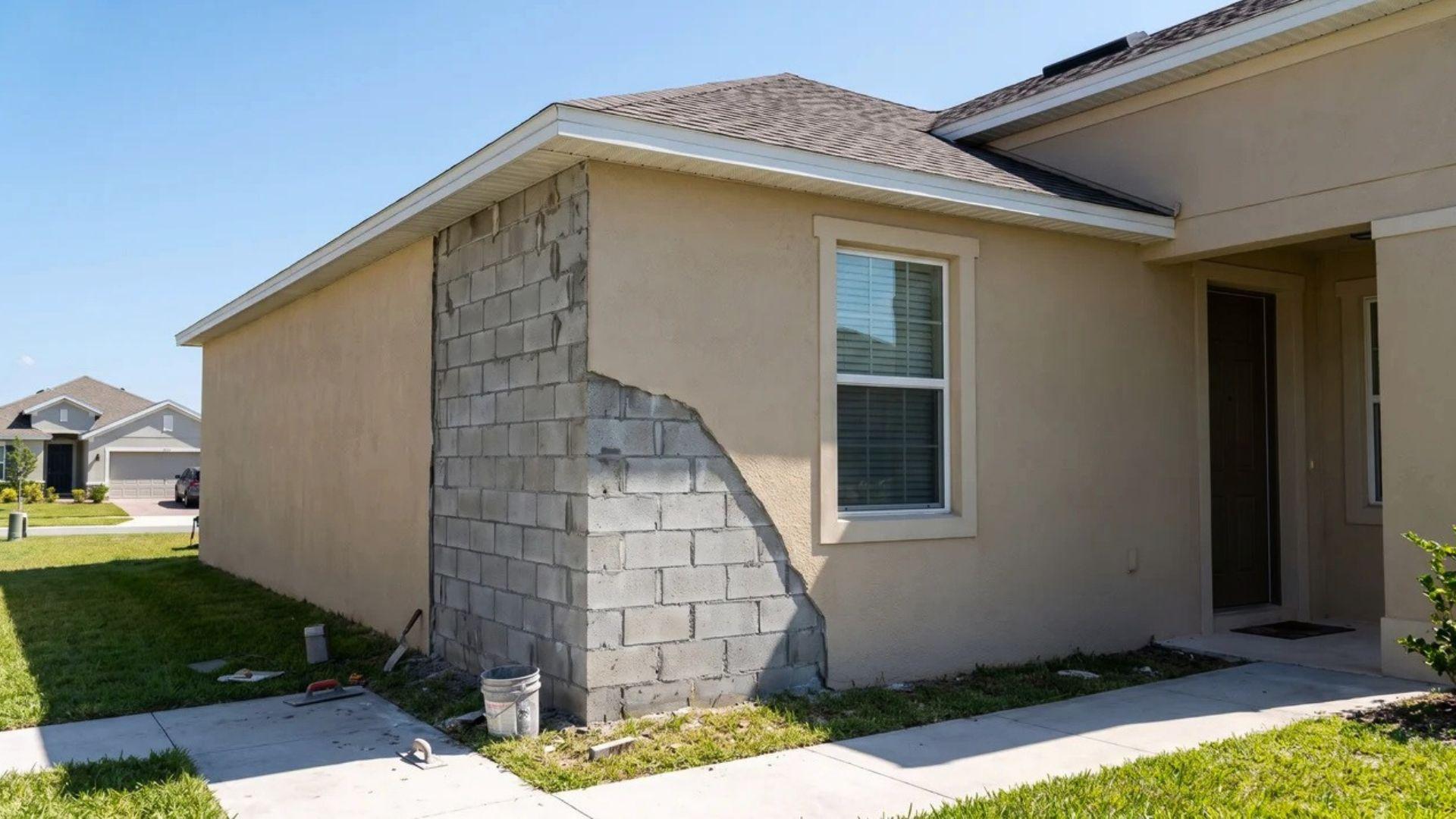
A CBS home is a house whose load-bearing exterior walls are built from concrete masonry units, reinforced with steel rebar, and finished with stucco on the outside.
CBS stands for Concrete Block Structure. You'll also see it written as Concrete Block and Stucco. Both expansions refer to the same construction method.
In some markets, CBC (Concrete Block Construction) is used instead. All three mean the same thing, and the terms are often used interchangeably in real estate listings.
One thing worth clarifying: stucco is the exterior finish coat, not a structural element. It protects the wall surface from moisture and gives the home its finished look.
The actual strength of a CBS wall comes from the concrete block and rebar system beneath it, not the layer covering it.
How a CBS Home Is Actually Built

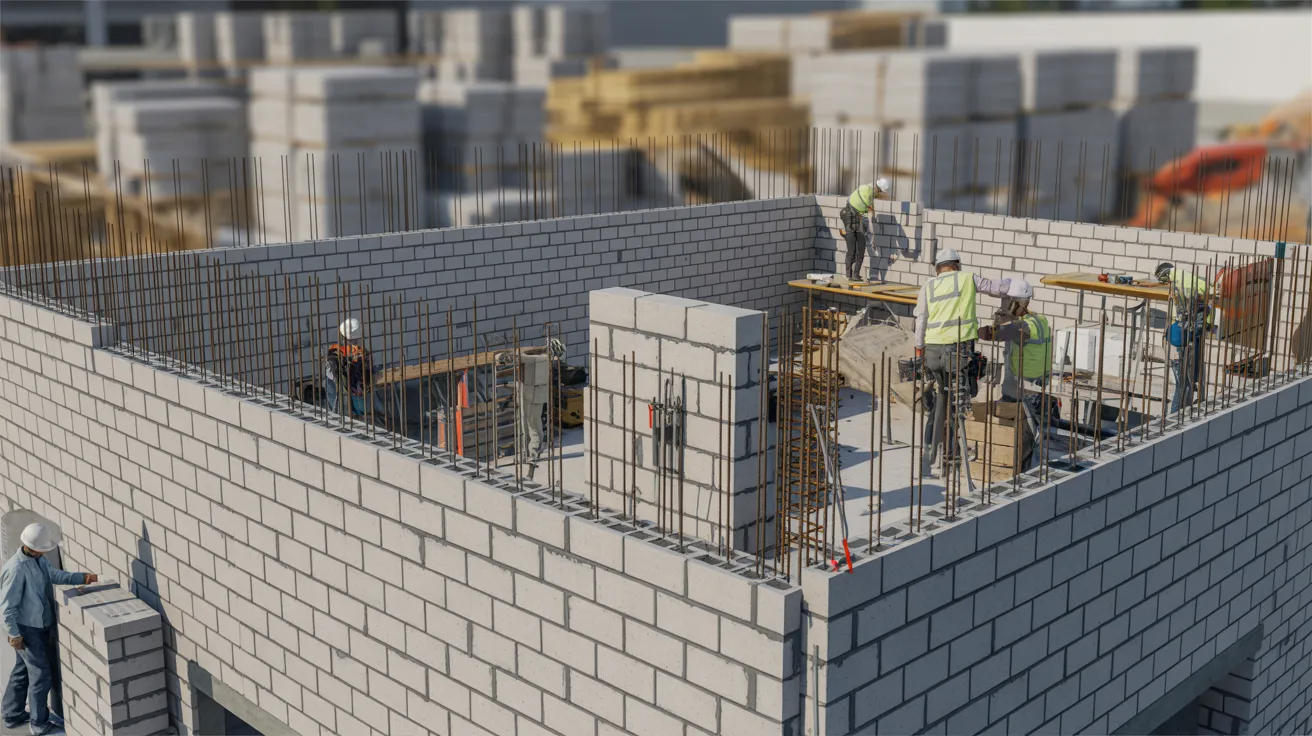
A CBS wall isn't just concrete blocks stacked on top of each other.
It's a reinforced assembly: blocks, steel, and grout working together as one structural unit.
The Role of CMUs
CMU stands for Concrete Masonry Unit. These are not the same as cinder blocks, though the terms are used interchangeably.
Cinder blocks use coal ash as aggregate. CMUs use sand, gravel, or crushed stone, and cinder blocks vs concrete blocks are not interchangeable in modern construction, even if the terms often get treated that way.
CMUs are denser, stronger, and what you'll find in modern CBS construction. The distinction matters when you're evaluating a home's actual structural quality.
Rebar and Grout: What Makes the Wall Structural
Hollow CMUs are stacked in a running bond pattern, with each row offset from the one below it. The hollow cores inside the blocks line up vertically as the wall rises.
This creates continuous open channels from top to bottom.
Steel rebar is placed inside those channels. Once positioned, the cells are filled with poured grout.
That's what changes everything. Before the grout goes in, you have a stack of blocks. After it, you have a solid, reinforced wall.
The grout bonds the blocks together and locks the rebar in place. The steel handles tension. The grout and block handle compression.
Together, they act as a single structural system, not three separate materials. This is what makes CBS walls perform the way they do under load. The reinforcement isn't decorative.
It's load-bearing in the most literal sense, and if you want to understand how load-bearing wall construction works across different systems, that context matters when evaluating any home's structural design.
The Stucco Finish Layer
Stucco is applied over the exterior block surface once the wall is up. It seals the surface against moisture and gives the home its finished appearance.
It does not add structural strength. If the stucco cracks or chips, the wall behind it is unaffected. Think of it as weatherproofing, not reinforcement.
What CBS Construction Does Not Include
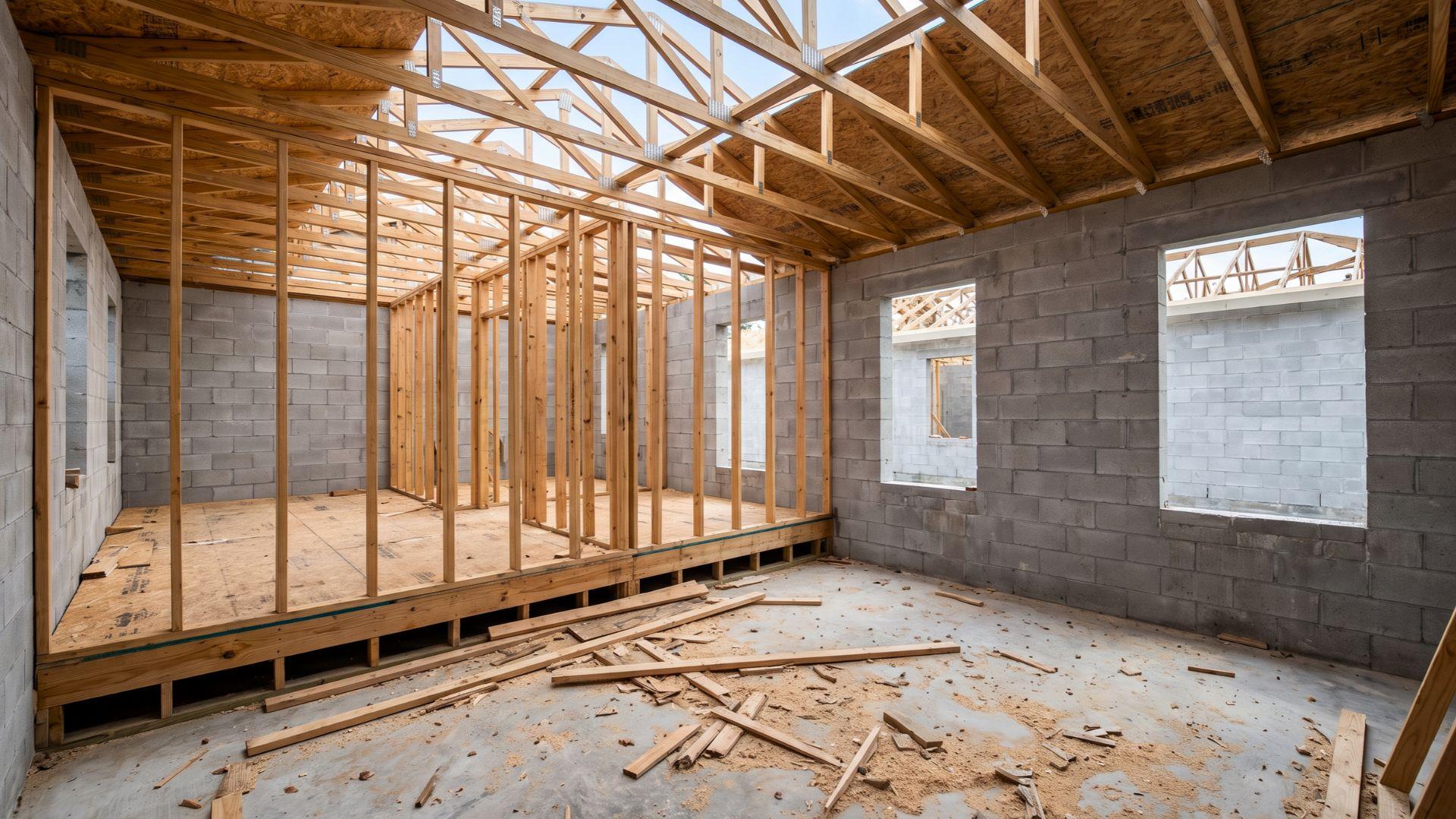
CBS describes the exterior wall system only. It does not tell you how the rest of the home is built. Here is what the label typically leaves out:
- Interior partition walls are usually wood-framed, even in a full CBS home.
- Floor systems are commonly wood construction, not concrete.
- Roof trusses are almost always wood, with their own separate impact ratings.
- Full CBS means all exterior walls are concrete block construction.
- Partial CBS means some exterior sections use wood framing instead. Insurance underwriters and storm assessors treat these two differently.
Knowing which one you're looking at matters. A CBS home can still have a standard wood-truss roof with no impact rating.
The walls and the roof are rated separately, and assuming the label covers both is a common mistake.
Why CBS Construction Matters for Buyers and Homeowners
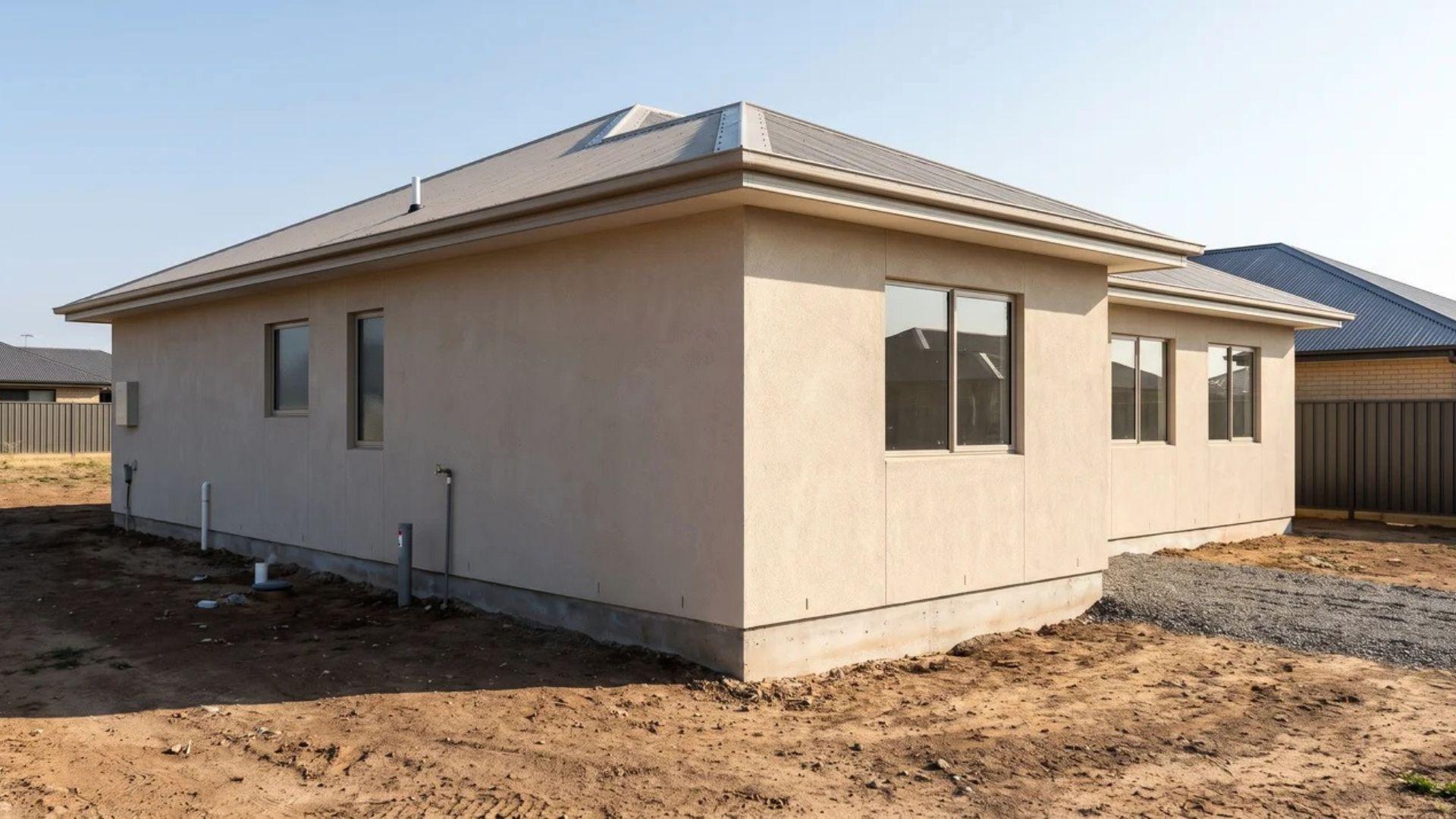
CBS construction shows up in listings and insurance conversations for a reason.
The wall system performs differently from wood frame under wind load, moisture exposure, and heat transfer, and those differences have real consequences for cost and coverage.
Storm Resistance
Storm resistance comes from the mass and continuity of the reinforced wall.
When wind pressure builds against a CBS wall, the rebar-grout-block system resists lateral force as a unified structure.
It's not the block alone doing that work. It's the way the three components are locked together that makes the wall behave differently under load.
Insurance Classification
Insurance classification follows directly from construction type in storm-prone states.
Underwriters rate CBS homes differently from wood-frame homes because the wall system responds differently to wind pressure and wind-borne debris.
This often translates to lower wind-mitigation premiums, though the exact difference depends on the insurer, the full structure, and local building codes.
Thermal Mass
Thermal mass is a real characteristic of CBS walls, but it's not the same as insulation. Dense concrete blocks absorb heat slowly and release it slowly.
This moderates indoor temperature swings. It does not replace insulation, and the two work differently. A CBS home still needs insulation to meet energy code.
The thermal mass effect is a bonus, not a substitute.
Final Verdict
A CBS home is more than a construction label. It tells you how the exterior walls were built, how the structure handles stress, and why insurers treat it differently from wood frame.
The detail folks miss is that what is a CBS home really describes is the walls, not the whole house. Knowing that changes how you read a listing.
If you're evaluating a property or planning a build, understanding construction type is one of the most useful things you can do early. Start there, and the rest of the decisions get easier.
Frequently Asked Questions
Is a CBS home the same as a concrete block house?
Yes. Both terms refer to the same construction method. The "stucco" in the alternate acronym expansion is the exterior finish coat applied over the block walls, not a separate construction category.
Are CBS homes only found in Florida?
No. CBS construction is common throughout the Caribbean, parts of the Southwest, and any region where wind resistance, moisture resistance, or termite risk is a primary concern.
What is the difference between CBS and CMU construction?
CMU is the individual block. CBS is the structural system that uses CMUs as load-bearing exterior walls, reinforced with rebar and grout. A building can include CMUs without qualifying as CBS construction.
How long does a CBS home last?
A well-built CBS home can last over 100 years. Concrete block does not rot, warp, or attract termites, which removes two of the most common causes of long-term structural deterioration in residential construction.