
Painting a new home is not the same as repainting an old one. New surfaces behave differently. Drywall absorbs paint unevenly. Dust and debris hide where you least expect them. Skip the right steps, and your walls will show it fast.
This guide covers everything about new construction painting from surface prep to the final coat. You will learn the right sequence, the right products, and the mistakes to avoid.
We have helped teams paint dozens of new builds, and the same problems come up every time.This guide is here to fix that.
What Is New Construction Painting?
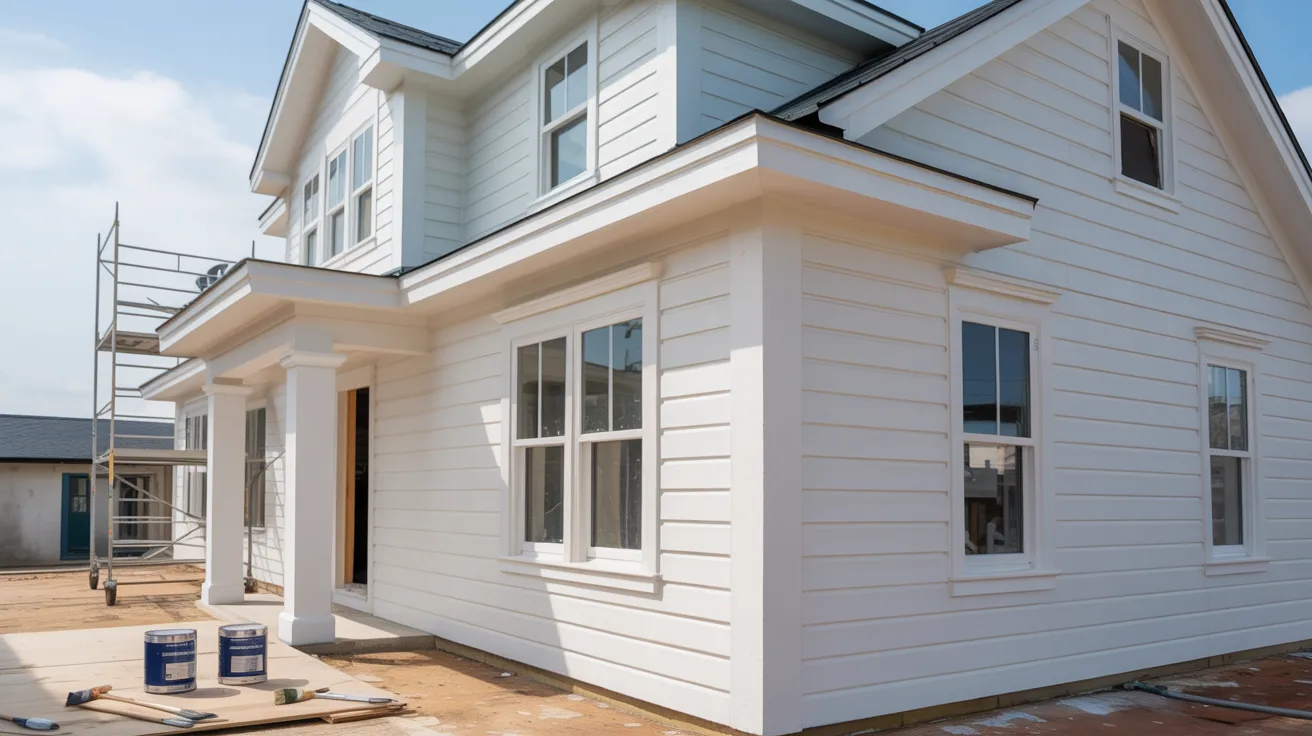
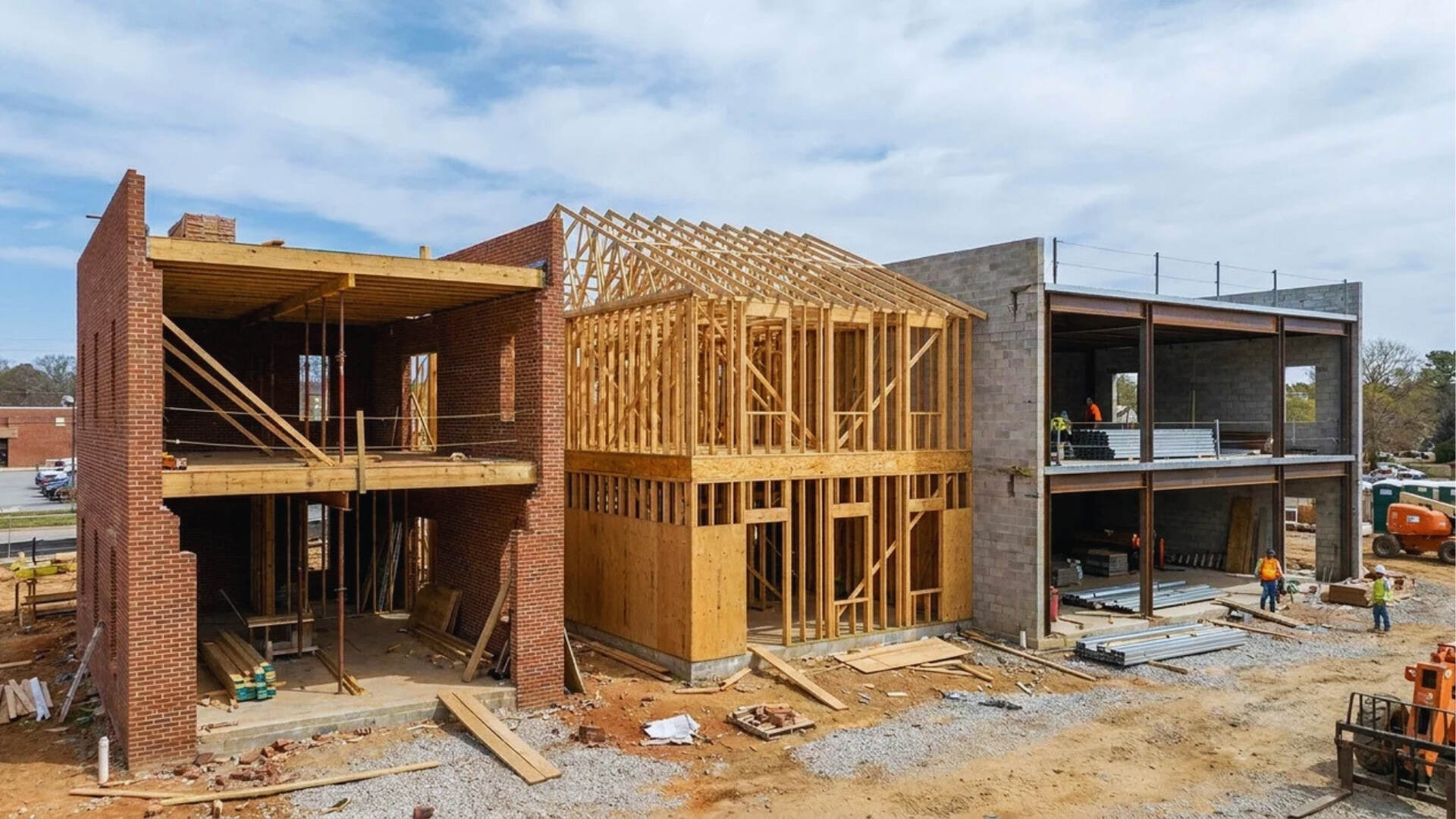
New construction painting involves applying paint to brand-new surfaces that have never been painted before, such as drywall, wood trim, and concrete. Unlike repainting, these raw materials absorb paint unevenly and require extra preparation to achieve a smooth and durable finish.
Contractors usually clean, sand, repair, seal, and prime surfaces before applying paint. Proper preparation helps the paint adhere correctly and prevents common problems like peeling, cracking, bubbling, or uneven color.
Drying time between coats is also important for long-lasting results. Because new surfaces are more porous, they often need additional primer and careful application techniques.
When done properly, new construction painting enhances the appearance of the property while protecting surfaces from damage and wear, creating a clean, professional, and attractive finish for homes or buildings.
Preparing a New Construction Site for Painting
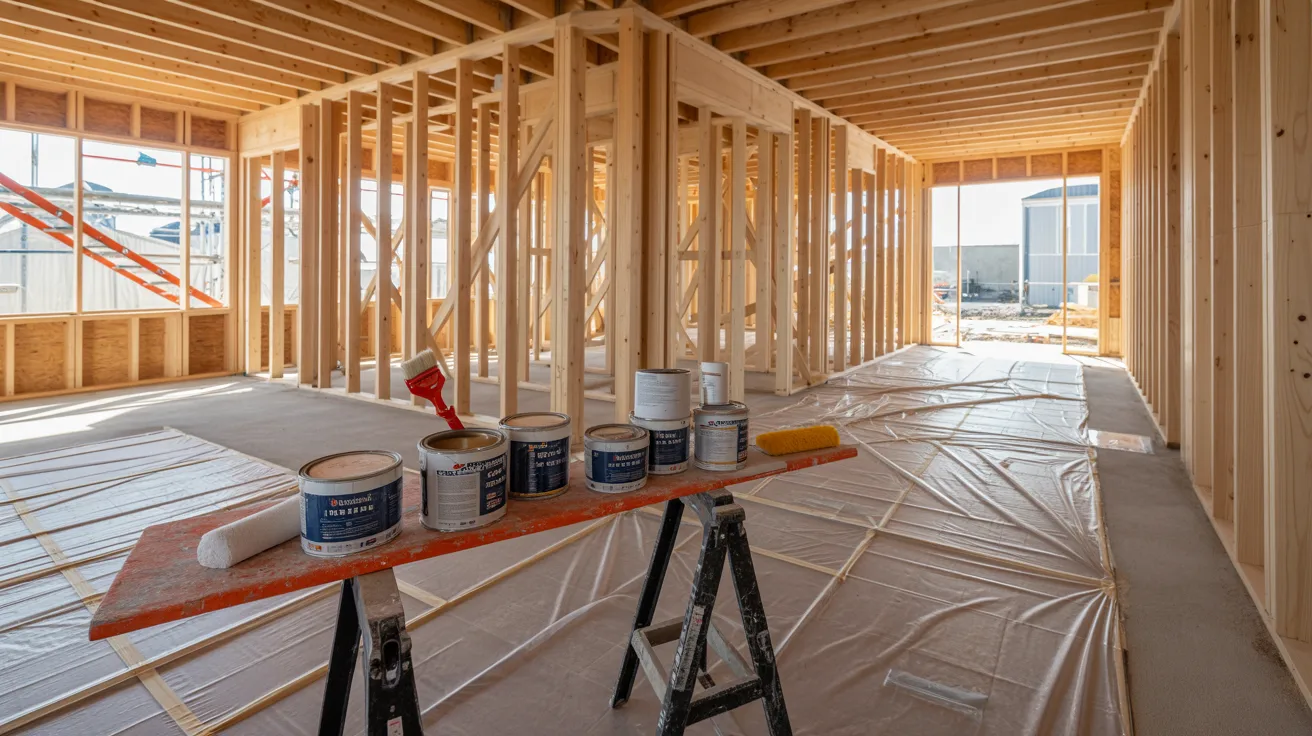
Before any paint goes on, the site needs to be clean and ready. Start by removing all dust and debris from floors, window sills, and corners. Drywall dust is fine and spreads easily; it will ruin a paint job if left behind.
Check every wall and ceiling for damage. Look for dents, nail pops, and seams that were not properly finished. Cover floors, windows, and hardware with drop cloths and painter’s tape.
Make sure the space has good airflow and that temperatures are between 50°F and 85°F. Paint applied in cold or humid conditions will not dry correctly.
Best Practices Before Painting Begins
Inspect for moisture first. New construction can trap moisture inside walls. Use a moisture meter to check drywall before priming. If moisture levels are too high, wait before painting.
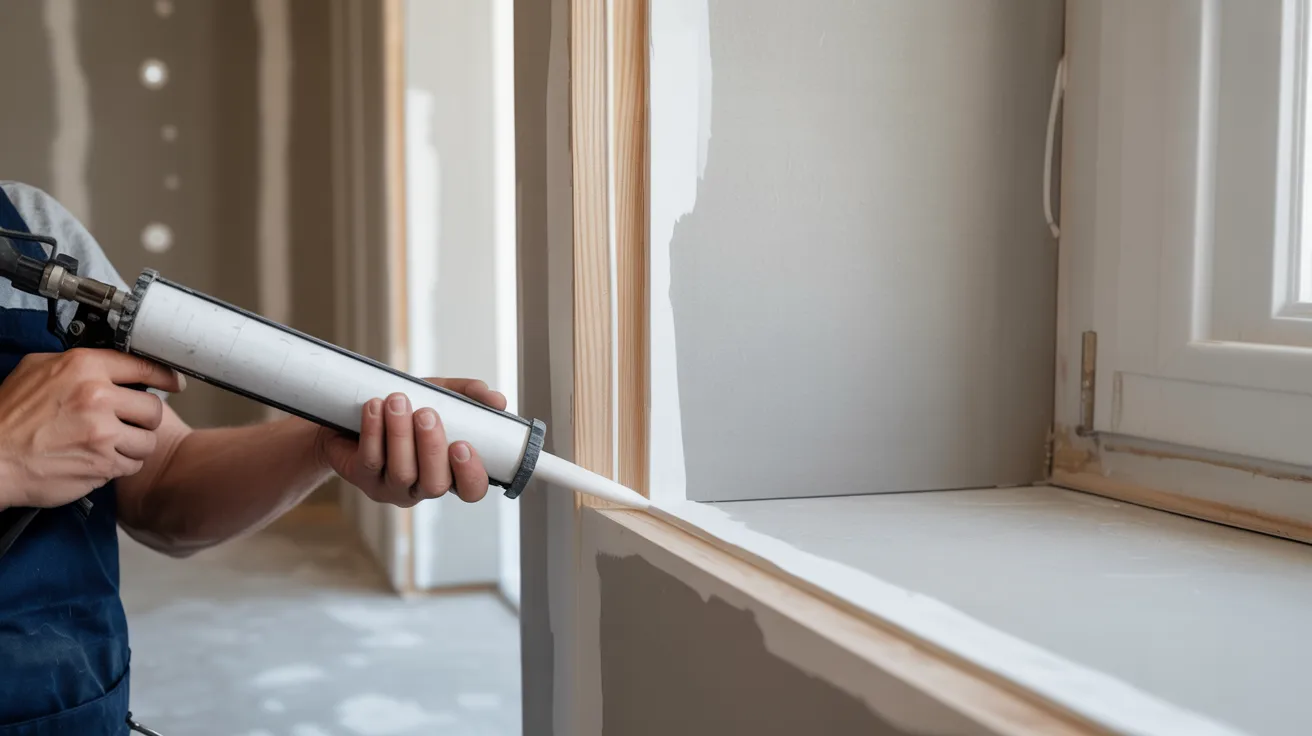
Caulk all gaps around windows, doors, and trim. This seals out air and prevents cracks from showing later. Sand any rough patches smooth with fine-grit sandpaper.
Choose a quality primer made for new drywall. A PVA (polyvinyl acetate) primer works well on bare drywall because it seals the surface and prevents uneven absorption.
New Construction Painting Sequence
Order matters. Start with ceilings first always. Paint drips down, so finishing ceilings before walls keeps your wall work clean.
After ceilings, prime and paint the walls. Work in sections, keeping a wet edge to avoid lap marks. Once walls are done, move to trim, doors, and baseboards. These areas need a semi-gloss or gloss finish for durability.
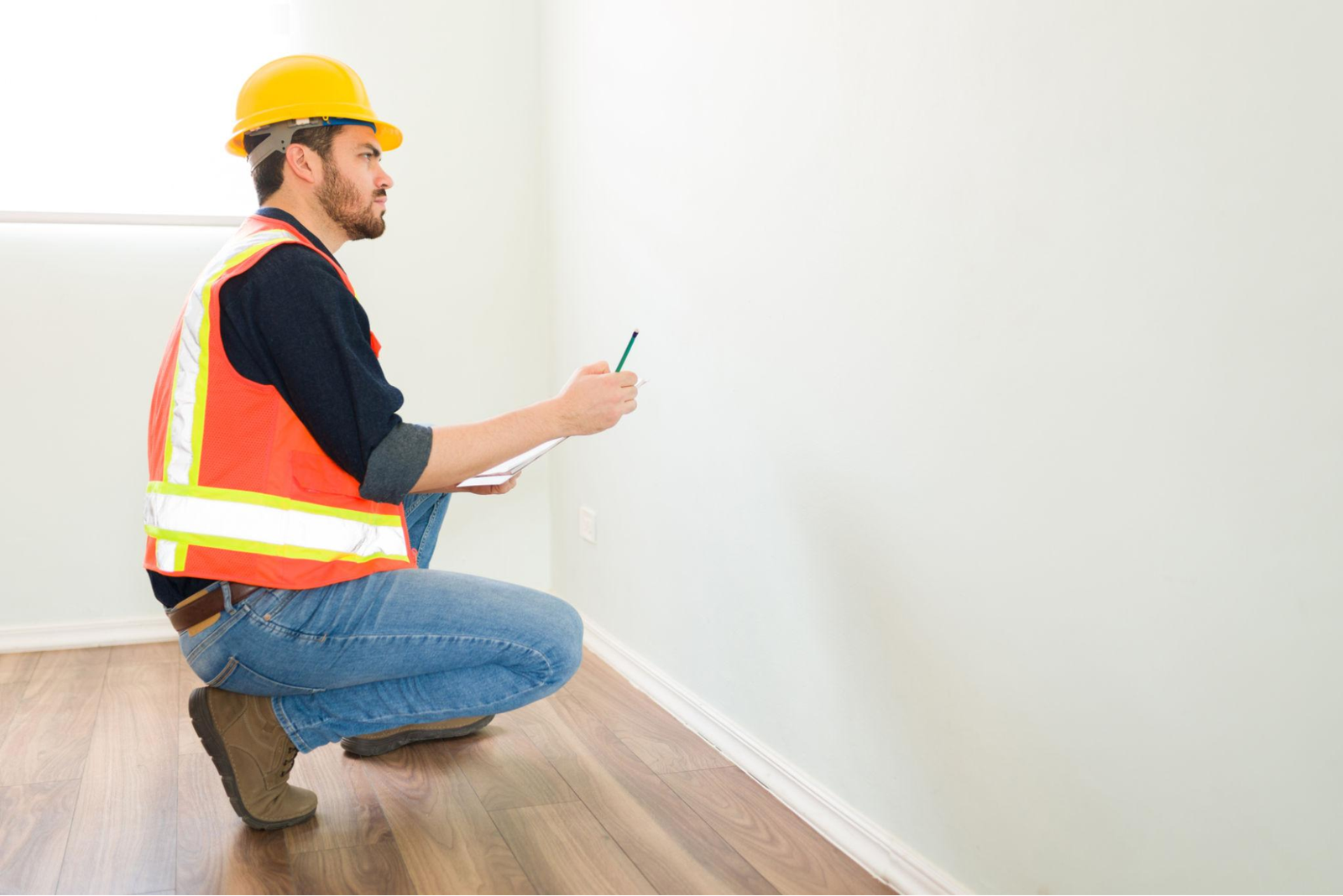
Do a final walkthrough under bright light. Mark any missed spots, thin areas, or drips with painter’s tape. Touch up and allow full drying time before the final inspection.
Choosing the Right Paint for New Construction
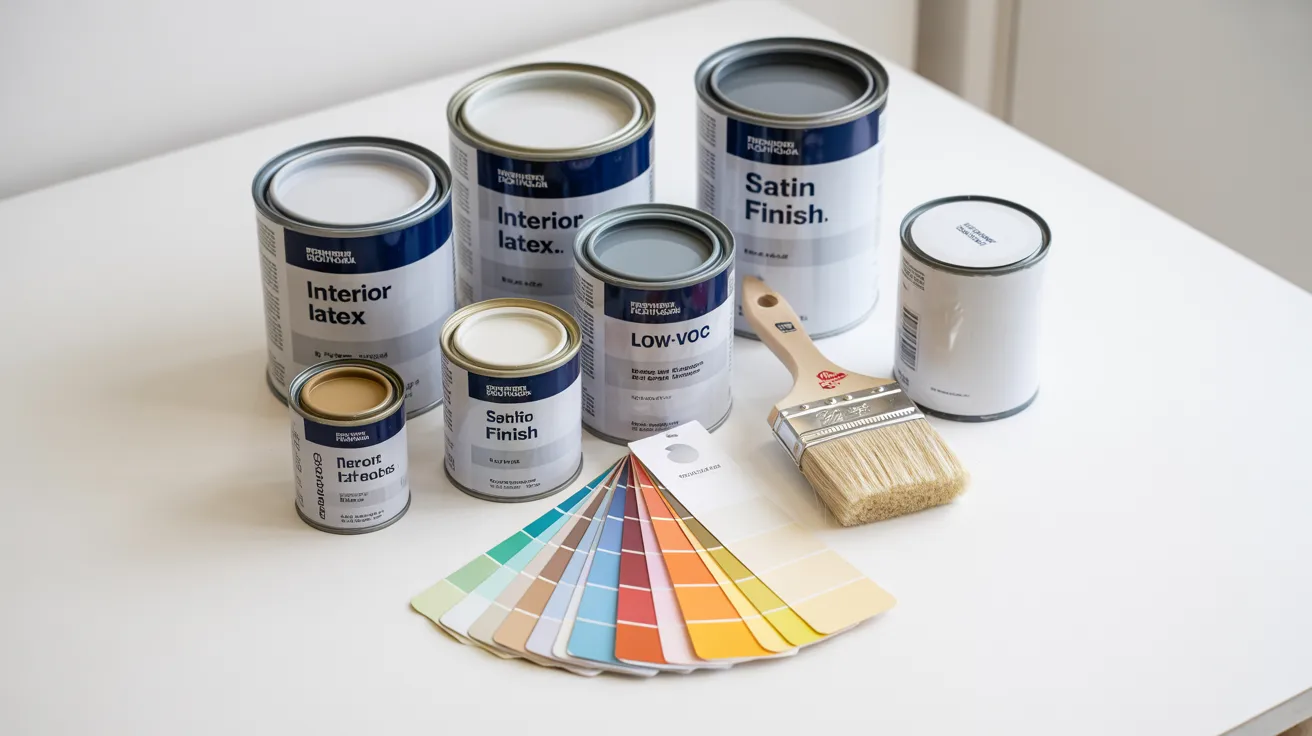
Interior walls work best with high-quality latex paint. It dries faster, cleans up with water, and holds up well over time.
For finish, flat or matte works for ceilings and low-traffic walls. Eggshell and satin are better for living areas because they are easier to wipe clean. Semi-gloss is best for kitchens, bathrooms, and trim.
Low-VOC paints are worth considering, especially in new construction where ventilation may be limited. They release fewer fumes, making the space safer during and after painting.
Best Practices for Interior Painting
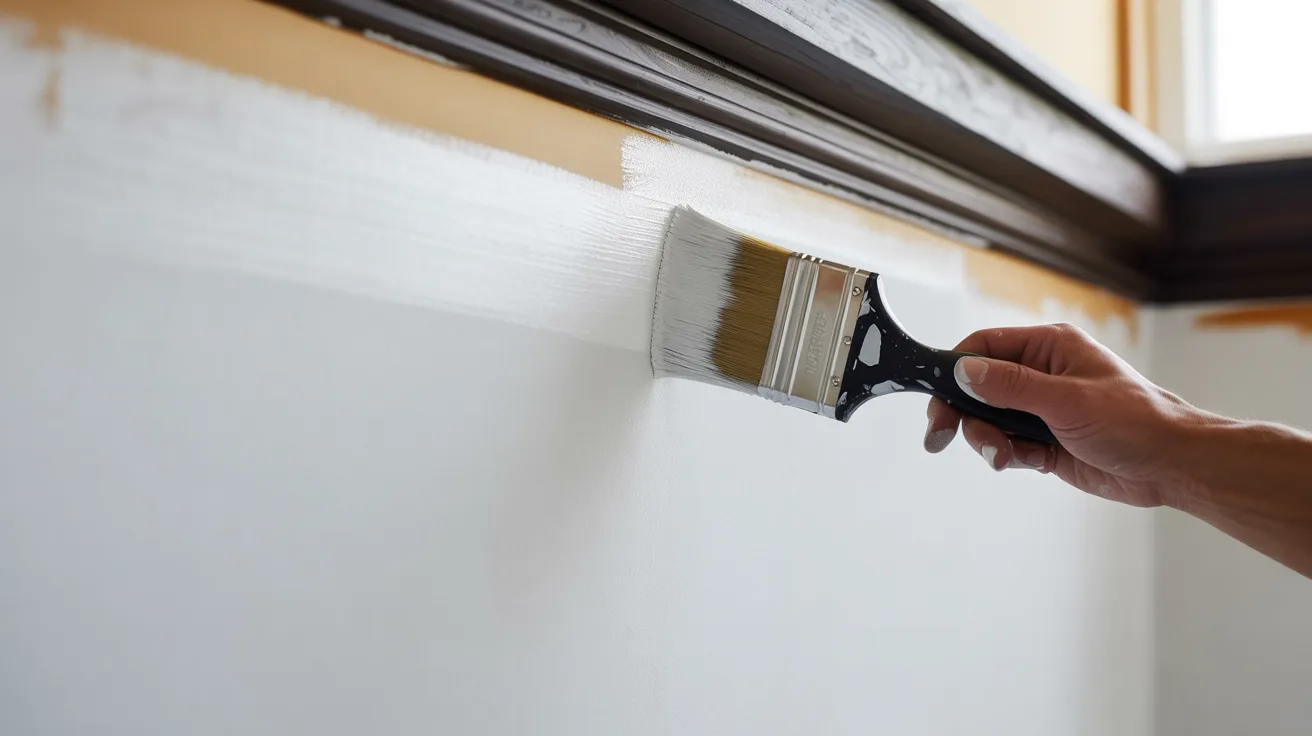
Apply paint in even, thin coats. Thick coats take longer to dry and are more likely to drip or sag. Use a roller for large wall areas and a brush for corners and edges.
Cut in along the ceiling and trim with a brush before rolling the main wall surface. This keeps lines clean without tape on every surface. Roll in a “W” pattern and then fill it in without lifting the roller. This reduces streaks.
Always wait for the first coat to dry fully before applying the second. Rushing this step causes the finish to look uneven.
Best Practices for Exterior Painting
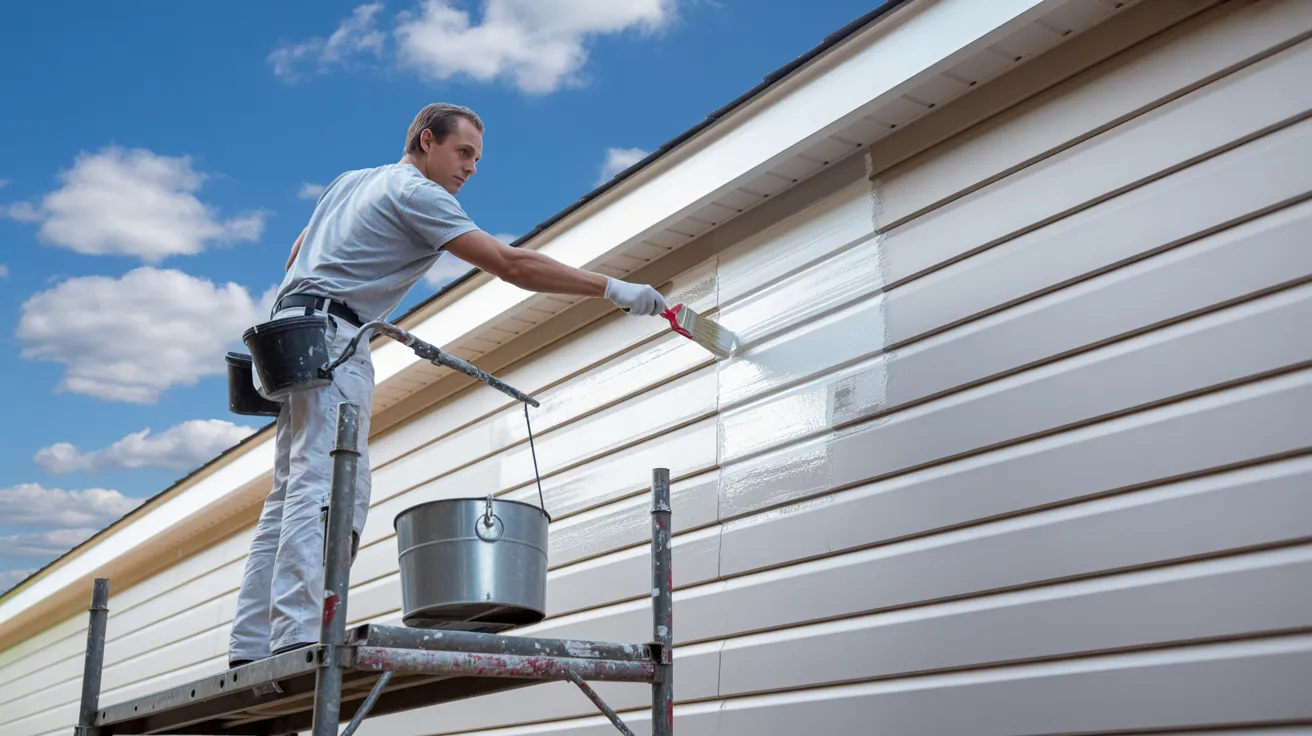
Exterior work depends heavily on weather. Do not paint if rain is expected within 24 hours or if temperatures will drop below 50°F that night. Paint needs time to cure properly.
Clean exterior surfaces with a pressure washer first. Allow them to dry completely for at least 24 hours. Caulk any gaps in siding, trim, or around windows before priming.
Use a paint product rated for exterior use. These contain additives that help the finish handle sun, rain, and temperature changes. Apply two coats for full protection and longer life.
Common New Construction Painting Mistakes to Avoid
Avoiding poor preparation, low-quality materials, and painting before surfaces fully dry helps create a smoother, longer-lasting finish in new construction projects.
Poor Surface Preparation
One of the biggest painting mistakes in new construction is skipping proper surface preparation.
Dust, rough patches, and uneven drywall can prevent paint from bonding correctly, leading to an uneven finish and shorter paint life.
Choosing Low-Quality Paint and Materials
Using inexpensive paint or supplies may reduce upfront costs, but it often results in poor coverage and reduced durability.
Lower-grade products usually require additional coats and may fade or wear down much faster over time.
Painting Before Surfaces Fully Dry
Applying paint before drywall, wood, or concrete fully dries can create moisture-related problems later.
Trapped moisture may cause bubbling, peeling, or surface discoloration that affects the final appearance.
Safety Tips for New Construction Painting
Following proper safety practices during new construction painting helps reduce exposure to hazards and creates a safer, more organized work environment.
- Wear safety goggles, gloves, and a respirator to protect against paint fumes, dust, and chemicals.
- Keep windows and doors open or use fans to maintain proper ventilation while painting indoors.
- Use a sturdy ladder on flat, stable ground and avoid overreaching while working at height.
- Store paint, solvents, and tools away from children, pets, and open flames to reduce accident risks.
- Clean up spills, cords, and debris immediately to prevent slips, trips, and falls on the job site.
How to Maintain Freshly Painted Surfaces
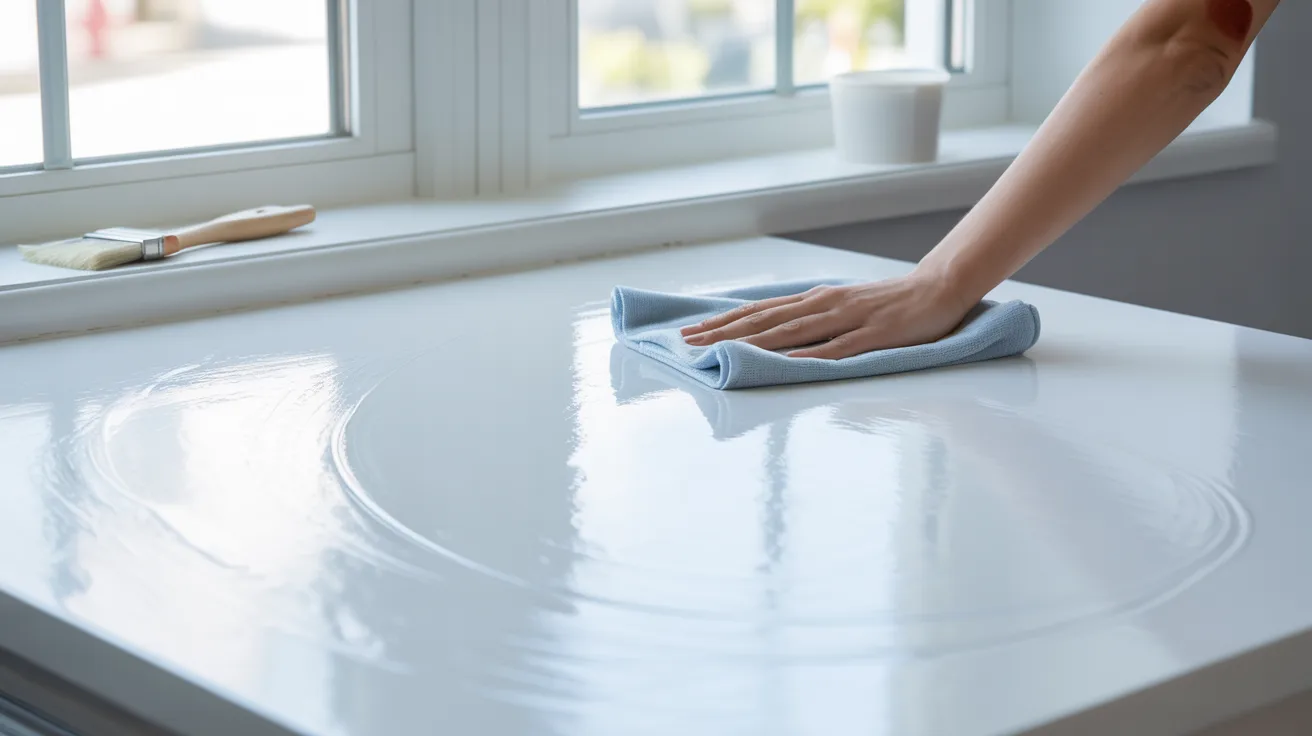
Wait at least two weeks before washing painted walls. Use a soft cloth and mild soap with no abrasive cleaners.
Avoid bumping walls with furniture right after painting. Fresh paint is soft for the first few weeks, even when it feels dry to the touch.
Check painted surfaces every six to twelve months. Small chips or scuffs are easier to fix early. Keep leftover paint stored in a sealed container for quick touch-ups.
Conclusion
New construction painting takes patience, but it is worth doing right. I have seen rushed paint jobs fail within months peeling trim, patchy walls, bubbling around windows. It is not a fun fix.
Follow the steps in this guide and your results will last. Take your time with prep, use the right primer, and work in the correct order.
If this helped you, leave a comment below or share it with someone starting a new build. You can also check out our related guides on interior painting tips and choosing the right paint finishes.
Frequently Asked Questions
How Long Does New Construction Painting Take?
Most new construction interior paint jobs take three to seven days depending on the size of the home. Larger projects with multiple coats and detailed trim work may take longer.
Do New Homes Always Need Primer?
Yes. New drywall is porous and absorbs paint unevenly without primer. A PVA primer seals the surface and gives paint something solid to grip.
What Is the Best Paint Finish for New Construction?
Eggshell or satin works well for most interior walls. Use flat or matte for ceilings and semi-gloss for trim, bathrooms, and kitchens.
When Can You Move Furniture Into a Newly Painted Home?
Wait at least 48 to 72 hours after the final coat before moving furniture in. Paint may feel dry sooner, but it takes time to fully harden.
Can You Paint New Construction in Cold Weather?
It is not ideal. Paint should be applied when temperatures are between 50°F and 85°F. Cold slows drying time and can cause the finish to crack or not bond properly.