Folks hiring a construction contractor for the first time treat it like buying a product. Find options, compare prices, pick one. That's where projects go wrong before they even begin.
The contractor you hire controls your timeline, your budget, and the quality of work on your property. That's not a decision that should come down to whoever quoted lowest.
Knowing how to choose construction contractors is about building a process that filters out risk at every stage. Get that right and the contractor almost selects themselves.
How to Choose Construction Contractors: The Complete Vetting Process
Choosing a construction contractor requires working through four sequential steps:Credentials, references, estimates, and contract terms. Reversing or skipping any step is where most hiring mistakes originate.
Folks start with price. That's the wrong place to begin. A bid only means something once you know the contractor is licensed, insured, and actually capable of doing the work.
Jump straight to comparing quotes and you're choosing between numbers you can't properly evaluate.
The process that works runs in order:
- Step 1: Verify credentials and insurance before anyone makes your shortlist.
- Step 2: Source contractor names through channels that give you real signal, not just search results.
- Step 3: Compare estimates properly, not just by total cost.
- Step 4: Review the contract for the clauses that protect you if something goes wrong.
Each step depends on the one before it. Credential checks tell you who's worth talking to. References tell you who's worth trusting. Estimates tell you who's priced fairly. The contract locks everything in.
Skip step one and step three loses its meaning. Skip step two and you're vetting the wrong people entirely. Miss step four and everything you verified means nothing on paper. The order isn't a suggestion. That's the point.
Step 1: Verify Credentials and Insurance Before Anything Else
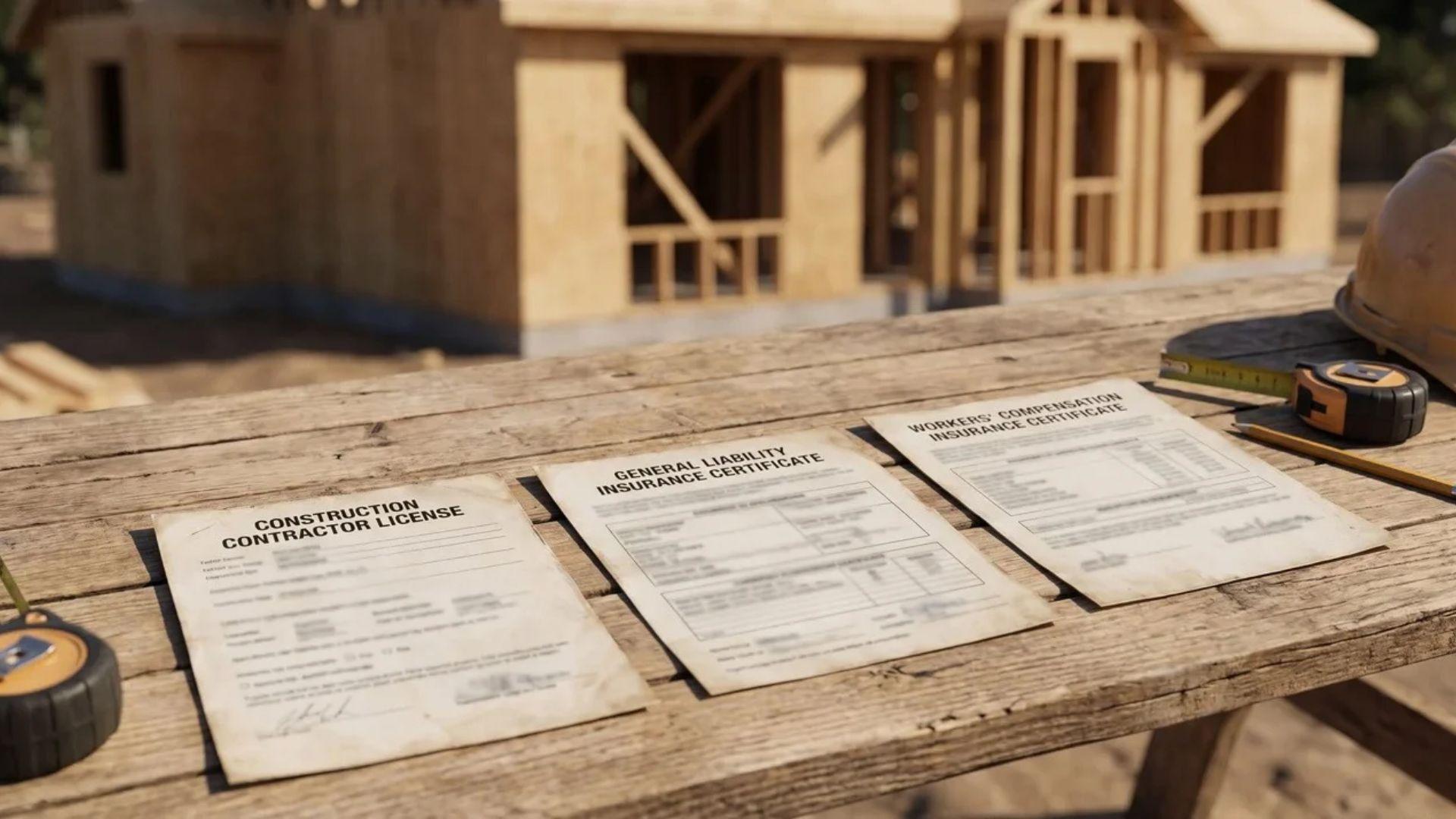
Before requesting a single estimate, confirm that every contractor holds a valid license for your local jurisdiction and carries both general liability and workers' compensation insurance.
The absence of either shifts specific financial risk directly to you as the property owner.
Most people treat this as a formality. It isn't. A contractor can have great reviews, a polished portfolio, and a competitive price. None of that protects you if their credentials don't hold up.
How to Verify a Contractor's License
Ask for the license number directly. Then check it yourself through your state or local licensing board's website.
A license confirms two things: the contractor is legally permitted to operate in your jurisdiction, and there is a regulatory body you can file a complaint with if something goes wrong.
Without it, your legal options in a dispute shrink considerably, regardless of what any contract says.
Check that the license is current, not expired. Also confirm it covers the type of work you're hiring for. Some licenses are trade-specific.
Workers' Compensation vs. General Liability: What Each Covers
These two policies cover completely different risks. Treating them as interchangeable is a common mistake.
- General liability insurance: covers damage to your property caused by the contractor's work. If a wall gets knocked out incorrectly or a pipe gets damaged during the job, this policy pays for it.
- Workers' compensation: covers injuries to workers on your property. If someone on the crew gets hurt during the job and the contractor carries no workers' comp, you can be held financially responsible for that injury.
Require certificates of insurance for both before work begins. Call the insurer to confirm the policy is active. A certificate can be outdated. A quick call confirms it isn't.
What Business Age and Stability Actually Signal
Three to five years in business matters, but not for the reason most people assume.
It isn't about experience alone. It's about financial stability. A contractor who has been operating for several years has an established supplier network, a crew they trust, and enough cash flow to fund a project without leaning on your deposit to buy materials.
Newer contractors who underbid to win work are disproportionately the ones who run into cash flow problems mid-project. That's when projects stall.
Step 2: Where and How to Source Contractors Worth Vetting
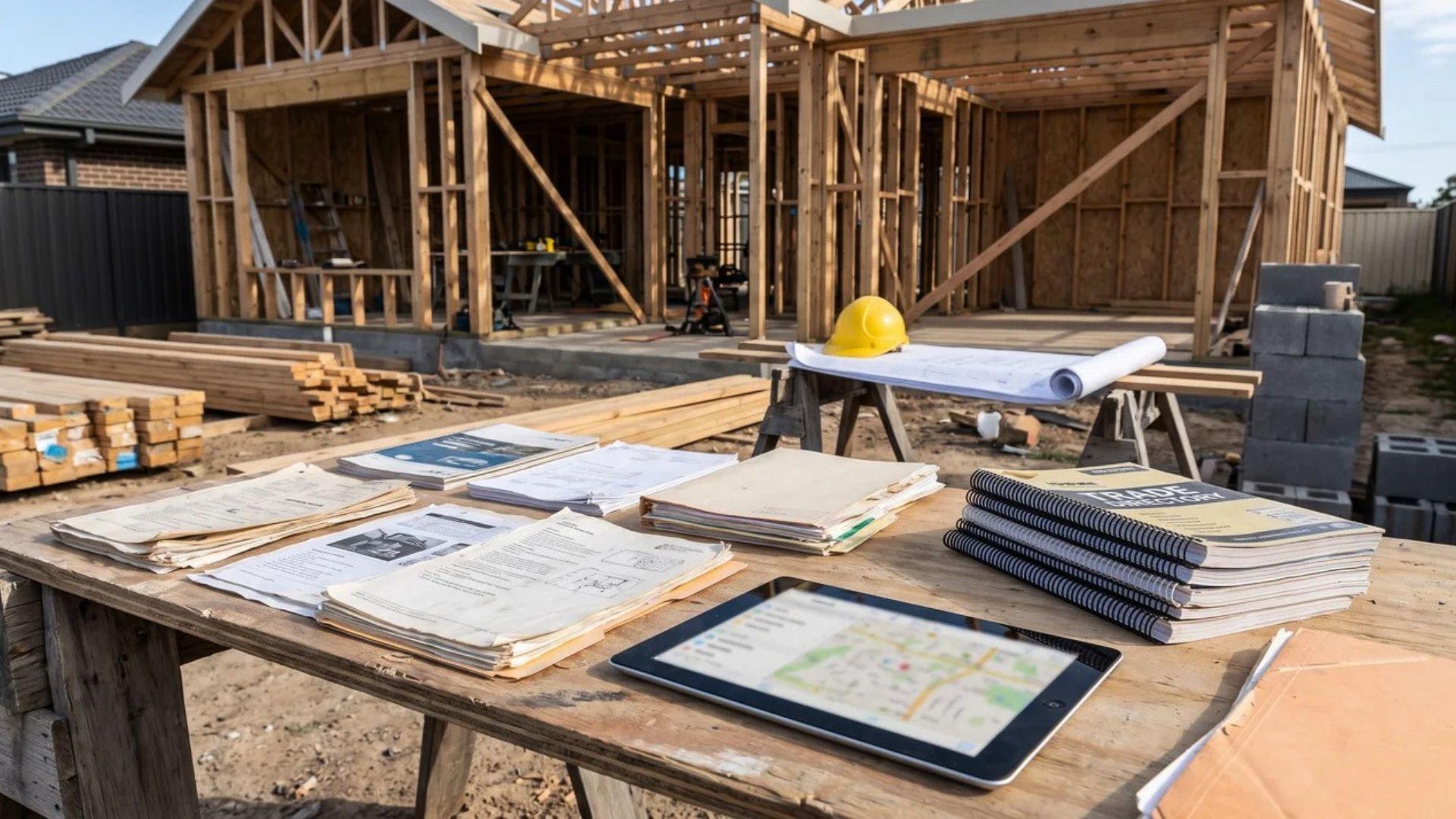
The most reliable construction contractor leads come from neighbours or colleagues who completed a similar project recently.
They have seen the finished work and experienced the contractor's communication and budget management firsthand.
Where you source names determines the quality of your starting pool. A strong vetting process applied to the wrong list still produces a bad result.
Referrals: Why They Outperform Search Results
A neighbour who hired a contractor six months ago knows things no review platform captures. They know whether the project finished on budget.
They know how the contractor handled problems. They know whether the final result matched what was promised at the start.
Online reviews reflect satisfaction at a moment in time. A referral reflects the full experience, including what happened after the job was done.
Trade Associations and Building Department Sources
Contractors who are members of organisations like the National Association of Home Builders have met a baseline set of professional requirements.
Membership isn't a guarantee, but it's a meaningful filter above a cold directory listing.
Building department officials are an underused source. They interact with contractors professionally and regularly.
They know who pulls permits without being chased, whose work passes inspection the first time, and who creates paperwork problems. That track record doesn't show up anywhere online.
Online Directories: How to Use Them Without Over-Relying on Them
Directories are a starting point, not a vetting tool. Use them to generate names.
A contractor who appears at the top of a directory listing has paid for visibility, not earned it.
Every name still needs to be verified on credentials, insurance, and track record before they stay on your list.
Step 3: How to Compare Contractor Estimates Without Getting Misled
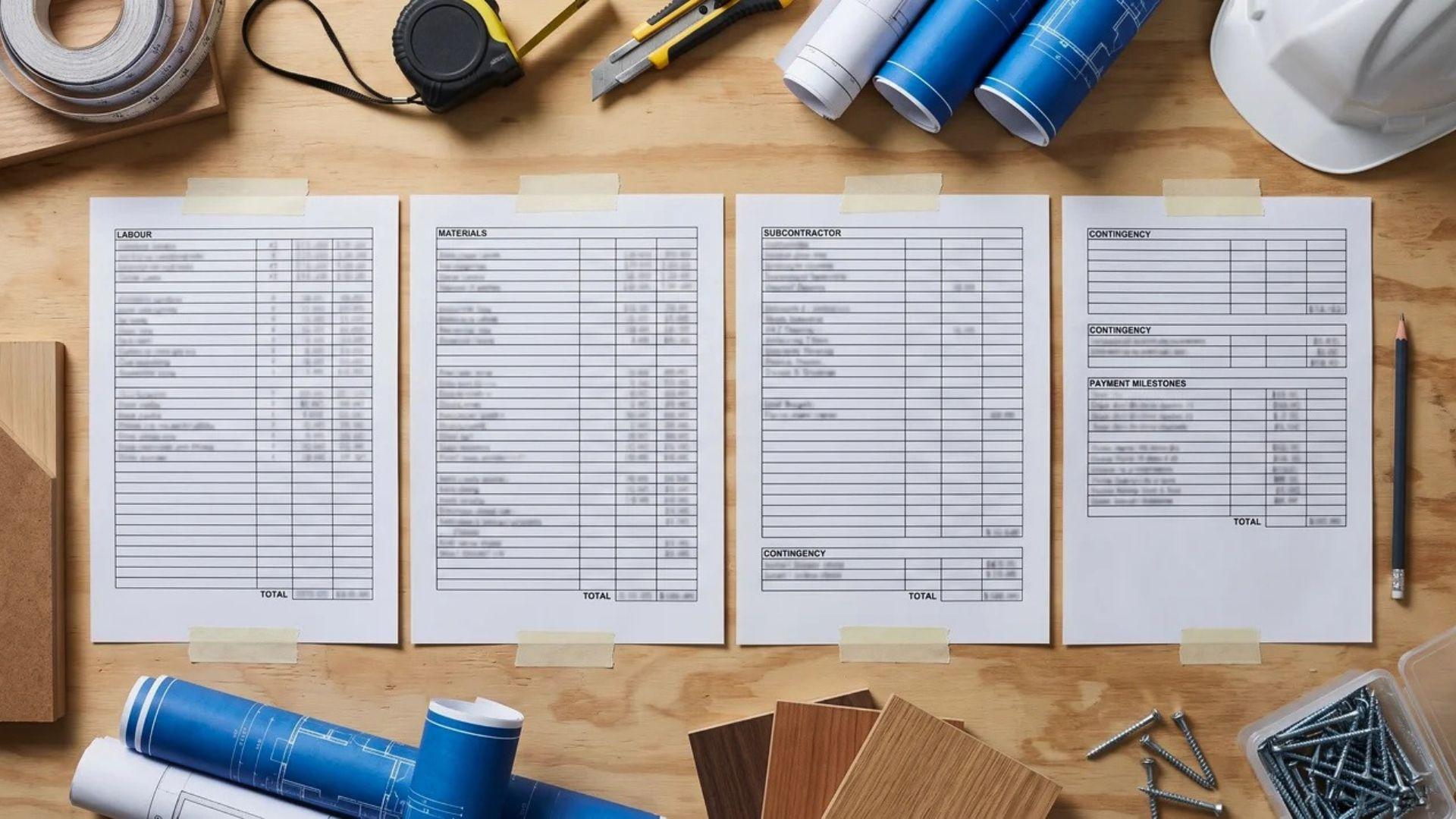
When comparing contractor estimates, request a fully itemised breakdown that separates labour, materials, subcontractor fees, and contingency.
Any contractor who provides only a lump-sum figure is preventing you from comparing their bid fairly against others.
Three estimates mean nothing if you can't tell what each one actually includes.
What a Line-Item Estimate Must Include
A properly structured estimate breaks down every cost category separately:
- Labour: hours and rates for each trade involved
- Materials: specific products, quantities, and unit costs
- Subcontractor costs: listed separately from general labour
- Contingency: typically 10 to 15 percent, listed explicitly
- Payment milestones: tied to project stages, not calendar dates
If an estimate combines any of these into a single line, ask for the breakdown. A contractor who refuses is telling you something important about how they manage cost transparency.
Why the Cheapest Bid Usually Costs the Most
A low bid is rarely built on lower unit costs. It's almost always built on missing scope.
Here's how it plays out. A contractor submits a number that wins the job. Three weeks in, work stops.
The contractor explains that the original estimate didn't include a structural element, a permit fee, or a materials upgrade. That item now re-enters the project as a change order.
Change order pricing is not competitive pricing. You're not choosing between three bids anymore. You're paying whatever the contractor charges because the work is already underway and stopping it costs more than continuing.
The cheapest bid often ends up the most expensive project. The line-item estimate is the only tool that shows you what's actually been priced and what hasn't.
Payment Milestone Structures and What They Reveal
A contractor who asks for a large deposit upfront before materials are ordered is signalling a cash flow problem. They need your money to fund the start of the job because they can't do it independently.
That's a risk. If the project stalls or the contractor walks, recovering that deposit is difficult.
Payments should be tied to verified milestones: foundation complete, framing complete, rough-in complete. Each payment follows confirmed progress. Nothing is paid ahead of work being done.
How to Handle Change Orders Before They Become Disputes
The time to address change orders is before the contract is signed, not after one arrives.
During the estimate phase, ask the contractor directly: What's not included in this number? Push for a written answer. Common omissions include permit fees, site preparation, debris removal, and material upgrades required by code.
Any scope item that isn't in the original estimate will return as a change order. Getting the contractor to name them upfront doesn't eliminate change orders. But it removes the ones that were always going to happen.
Step 4: What a Construction Contract Must Include Before You Sign

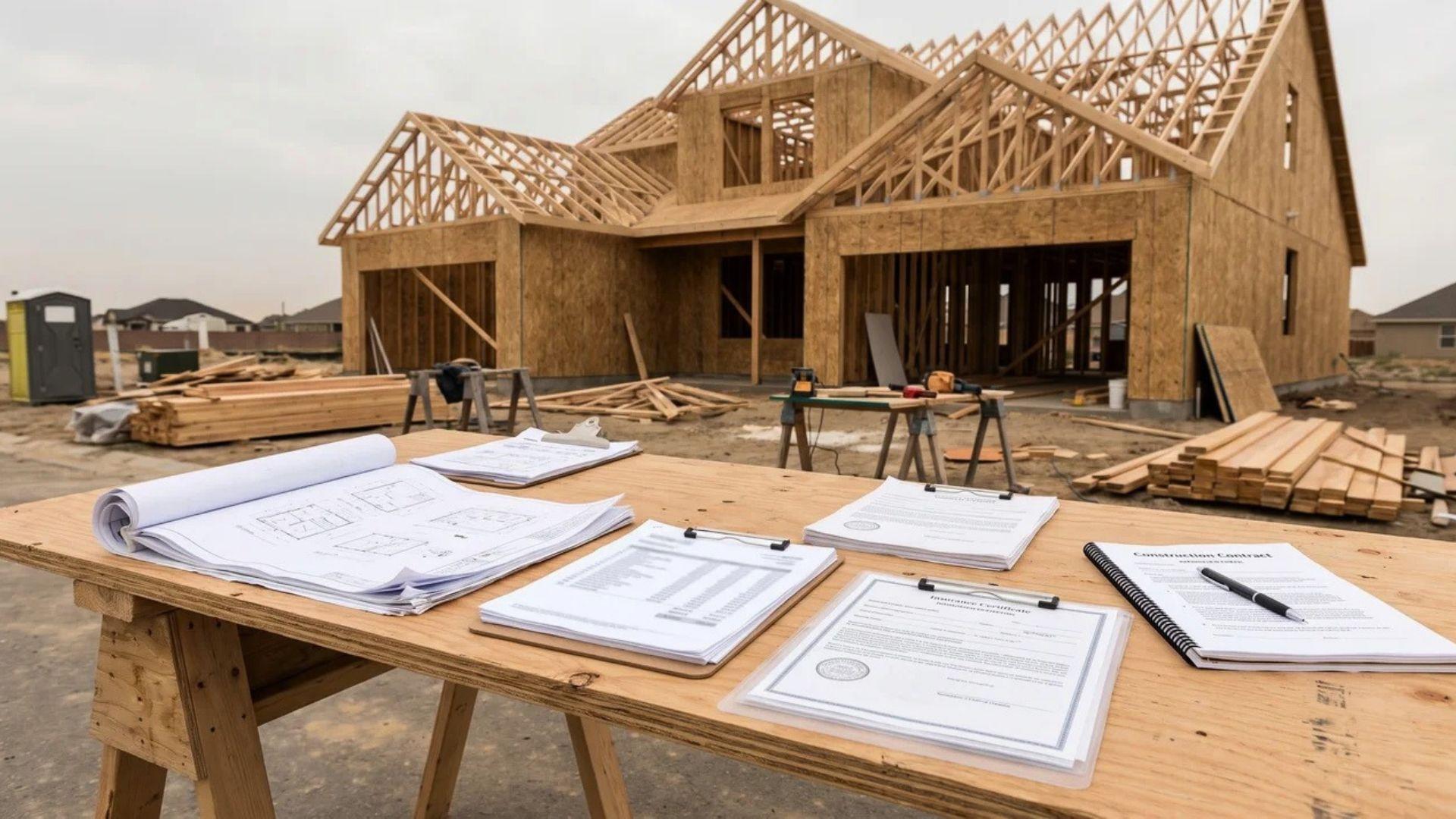
A construction contract protects you only if it defines the scope with enough precision to make any deviation a written change order.
A contract that describes work in general terms is an open invitation for disputes once construction begins.
Getting a written contract is the baseline. What's in it is what actually matters.
Here is what every construction contract must include before you sign:
- Scope of work: Specific description of every task, not general labels like "kitchen renovation." The actual work: demolition, installation, materials, and finish standard all listed explicitly.
- Change order clause: Any deviation from the agreed scope requires a written change order with a revised cost and timeline before work proceeds. Without this clause, verbal agreements fill the gap. They always favour the contractor.
- Completion schedule: Specific milestone dates, not a general timeframe. The contract must also include a consequence clause for missed dates. Without one, the contractor has no financial reason to prioritise your project.
- Workmanship warranty: Covers defects caused by how the work was done. This is the contractor's liability and must be stated separately from materials coverage.
- Materials warranty: Covers defects in the products used. This is the manufacturer's liability, not the contractor's. A contract that says only "all work is guaranteed" without separating these two is useless when something fails.
- Milestone-linked payment schedule: Payments tied to verified project stages, not calendar dates. Each payment releases only after confirmed progress. This gives you leverage throughout the build, not just at the start.
Any contract missing one of these is not protecting you. It is just documenting that work will happen.
How to Interview Contractors and Check References Properly

Contractor interviews and reference checks serve different functions. The interview reveals how a contractor communicates and makes decisions.
The reference call confirms whether that held up under real project pressure.
Both steps matter. Neither one alone is enough.
Interview Questions That Reveal Process, Not Just Experience
Most contractor interviews drift toward portfolio and pricing. Those conversations are useful, but they don't tell you how the contractor manages a job when something goes wrong.
Ask these instead:
- How do you handle scope changes during a project?
Listen for whether they mention written change orders or speak only in terms of verbal agreements.
- Who will be on-site daily, and how do you communicate with clients during the build?
A vague answer here usually means inconsistent communication later.
- What's the most common reason your projects run over schedule?
A contractor with real experience will have a specific, honest answer. Evasion is a signal.
- Can you walk me through how you priced this estimate?
This tells you whether they understand their own numbers.
How they answer matters as much as what they say. Slow responses, vague language, or irritation at direct questions are not interview nerves.
They are a preview of how the project will be managed.
What to Ask References (and What Their Answers Mean)
Ask every reference the same three questions:
If not, ask why. Cost overruns caused by scope changes are different from overruns caused by poor initial pricing.
This separates contractors who manage proactively from those who present surprises.
Availability during active construction is one of the strongest predictors of project satisfaction.
A reference who pauses before answering positively is telling you something. So is one who answers in very general terms.
How to Evaluate Past Project Portfolios for Scope Match
A strong portfolio confirms quality. It doesn't confirm capability for your specific project.
A contractor who has built high-end single-family homes may not have the subcontractor network for a commercial fitout.
Ask directly whether they have completed projects similar to yours in scale and type.
Then verify it in the references, not just the photos.
Final Thoughts
The contractor who delivers isn't always the one with the most impressive pitch. They're the one who holds up at every stage of this process.
Knowing how to choose construction contractors properly means you're not hoping for the best after signing. You've already confirmed it before work begins.
Start with credentials, end with a contract that protects you, and treat every step in between as non-negotiable. The process is the protection.
Frequently Asked Questions
What are red flags when hiring a contractor?
Red flags include a lump-sum bid with no line-item breakdown, a large upfront deposit request, and reluctance to provide license or insurance certificates. Any contractor who pressures you to decide quickly or discourages competing bids should be removed from your list.
What is the 30% rule in remodelling?
The 30% rule suggests renovation costs should not exceed 30% of your home's current market value to avoid over-improving relative to the neighbourhood. It is a financial planning guideline, not a legal standard.
How long does a construction project typically take?
Timeline depends on project scale, permit approvals, and contractor workload at the time of hire. Always get a milestone-based schedule in writing before work begins, not a verbal estimate.
What should you not say to a contractor before signing?
Never disclose your maximum budget before a contractor submits their estimate, as it anchors their bid to that number. Agree to nothing verbally during the build; every scope change needs a written change order before work proceeds.