Building a new home involves dozens of decisions, permits, inspections, contracts, and construction stages.
Missing a permit, delaying a material order, or making a major change after work begins can affect your budget, schedule, and project progress.
A clear checklist helps you organize these tasks and understand what needs to happen before, during, and after construction.
This new home construction checklist covers 89 important steps, starting with setting your budget and selecting a builder and continuing through site preparation, foundation work, framing, utilities, finishes, inspections, and final approval.
Use it as a planning guide alongside your builder's schedule, construction contract, local building requirements, and inspection procedures. Some steps may vary based on your location, home design, and project requirements.
What Is a New Home Construction Checklist?

A new home construction checklist is a step-by-step guide that covers the major tasks involved in building a house, from early planning and permits to final inspections and move-in.
It helps homeowners organize decisions, track progress, and understand what needs to happen at each stage. Home construction involves multiple trades working in a specific sequence, including framers, electricians, plumbers, HVAC contractors, and inspectors.
Each trade must complete its work at the right time before the next phase can begin. A checklist also helps track responsibilities, confirm important decisions, monitor deadlines, and identify potential delays before they affect later stages of construction.
Pre-Construction Planning and Budgeting
Before construction begins, establish your goals, budget, financing, builder, plans, materials, utilities, and project expectations. Taking care of these decisions early can reduce costly changes after work starts.
1. Define Your Home-Building Goals

Start by writing down what you need from your new home. Consider the number of bedrooms, bathrooms, living spaces, storage areas, and other features that support your daily routines.
Also think about how long you expect to live there. These priorities will guide later decisions about the floor plan, size, finishes, and overall budget.
2. Determine Your Total Construction Budget
Set a realistic budget that accounts for construction, permits, materials, labor, utilities, landscaping, closing costs, and other project expenses.
Speak with your lender early to understand how much financing may be available. Keeping these costs in one budget gives you a clearer picture of what you can afford before finalizing your plans.
3. Set Aside a Contingency Fund

Reserve part of your budget for unexpected costs such as site conditions, material changes, weather-related delays, or necessary repairs.
The appropriate amount varies by project, so discuss a reasonable contingency with your builder and lender.
Keeping these funds separate helps you handle surprises without immediately cutting important features or delaying construction.
4. Check Your Financing and Construction Loan
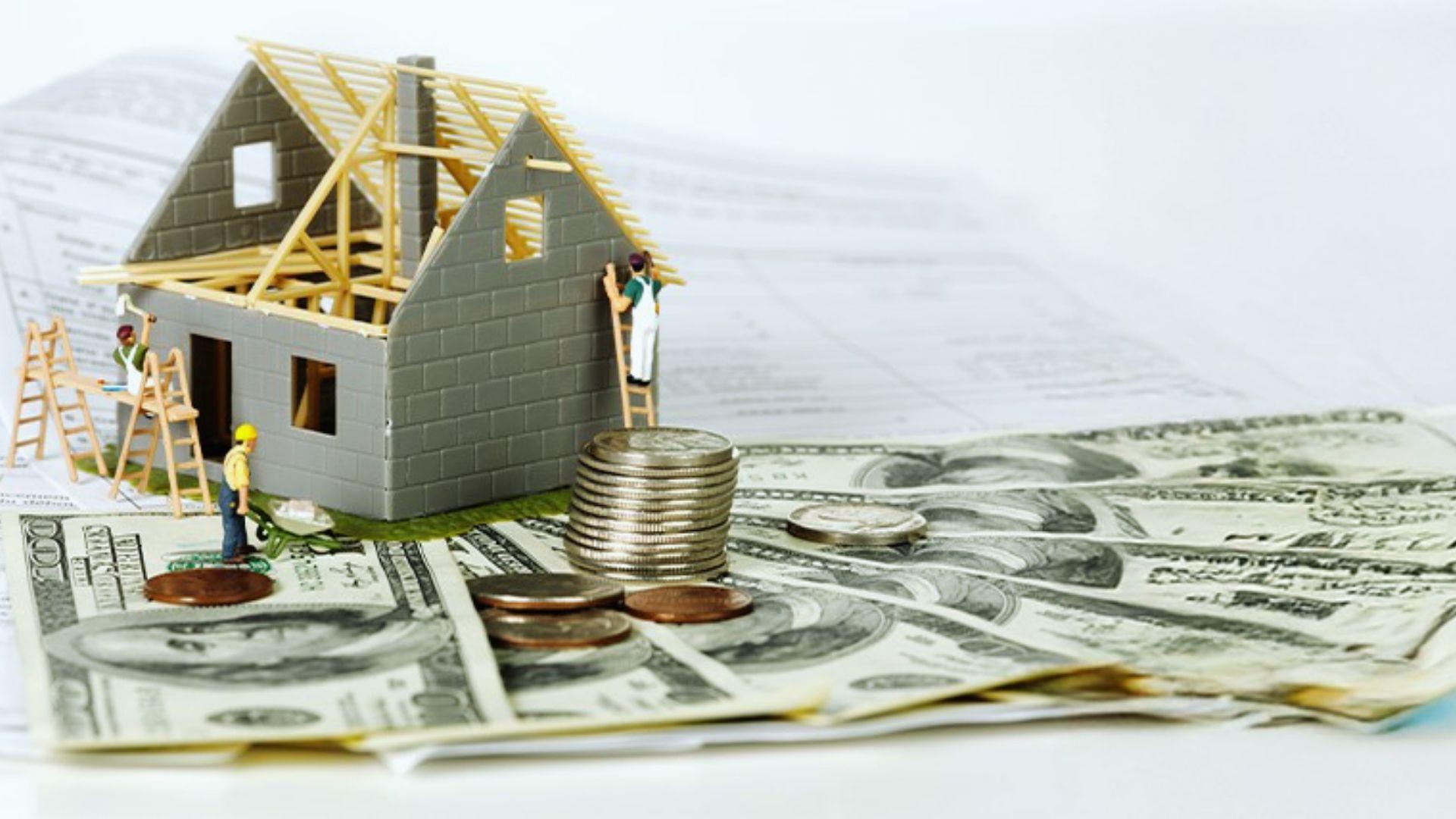
Construction financing can work differently from a standard mortgage, with funds often released according to project milestones or draws.
Compare lenders, interest rates, fees, loan terms, and draw procedures before choosing financing. Confirm your financing arrangements before signing a builder contract so your budget and payment schedule are realistic.
5. Estimate Construction Costs Per Square Foot
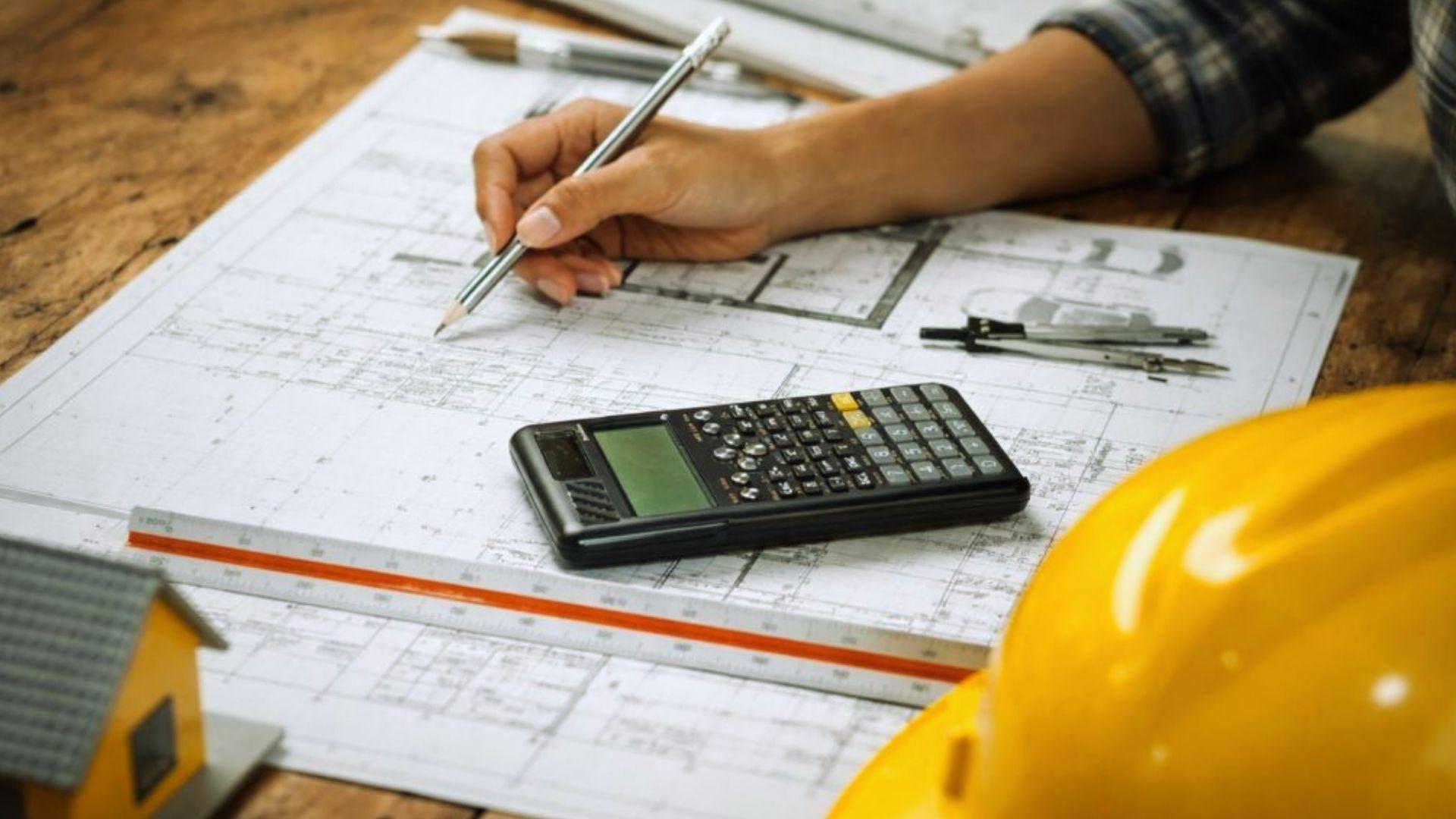
Use local cost-per-square-foot figures as an early budgeting tool rather than a final project price. Costs can vary based on location, home size, materials, finishes, labor, site conditions, and design complexity.
Ask local builders for current estimates and compare those figures with your planned home size before moving further into design.
6. Decide on Your Home's Size and Layout

Choose a home size and layout based on how you actually use your space. Consider where you cook, work, sleep, entertain, store belongings, and spend time together.
A larger house usually costs more to build and maintain, so prioritize useful space instead of adding rooms simply because they appear on a standard floor plan.
7. Create a Must-Have Features List
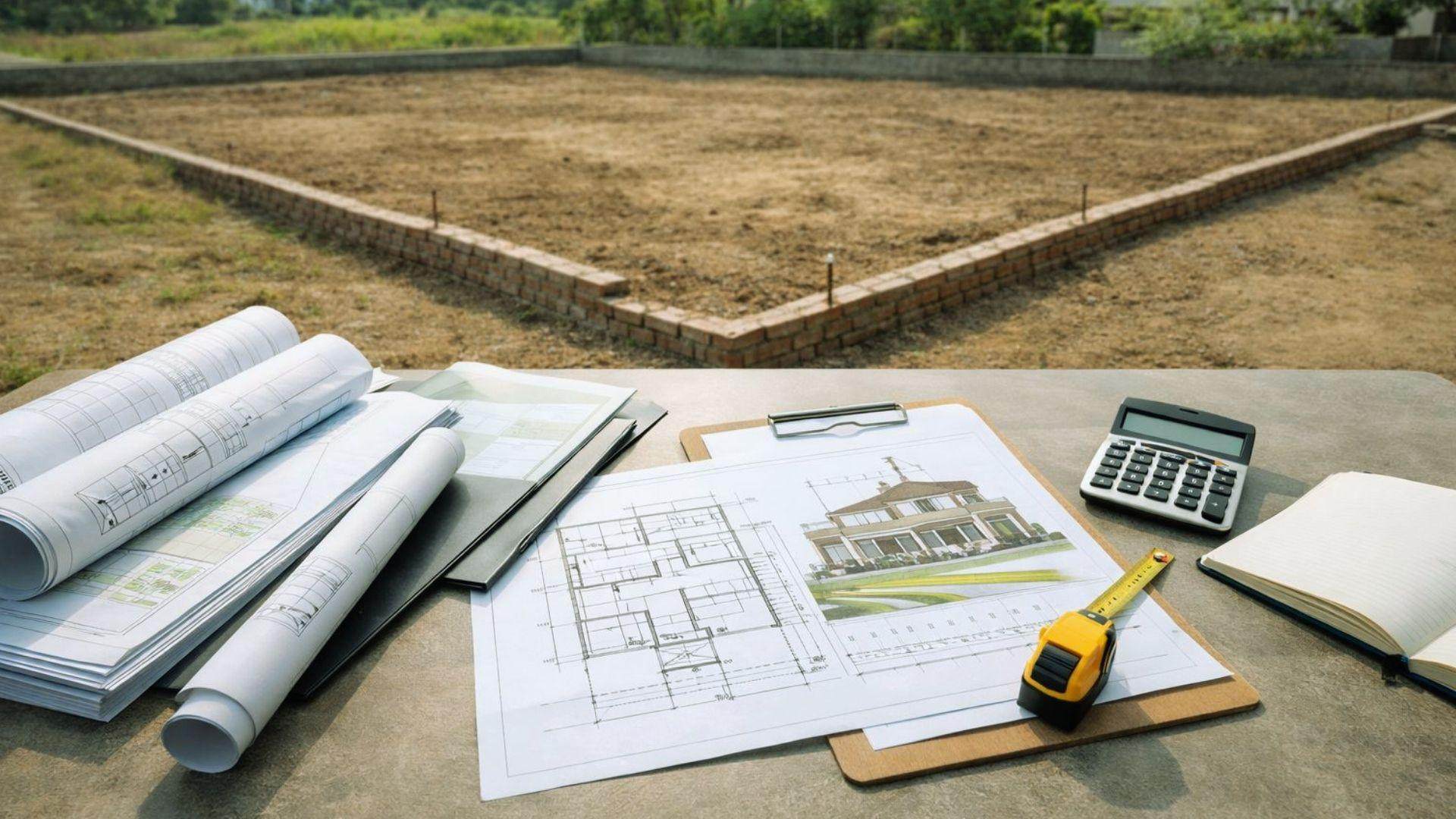
Write down the features you consider essential, such as a home office, accessible bedroom, mudroom, larger garage, or additional bathroom.
Keep this list focused on features that affect your daily life. When budget decisions become difficult, your must-have list gives you a clear basis for deciding which features should remain in the project.
8. Separate Needs From Wants

Create a second list for features you would like but could remove if the budget changes. Examples may include upgraded countertops, premium flooring, additional built-ins, or decorative landscaping.
Separating needs from wants before construction begins makes later cost decisions easier and reduces the chance of making rushed choices when expenses increase.
9. Research Local Construction Costs
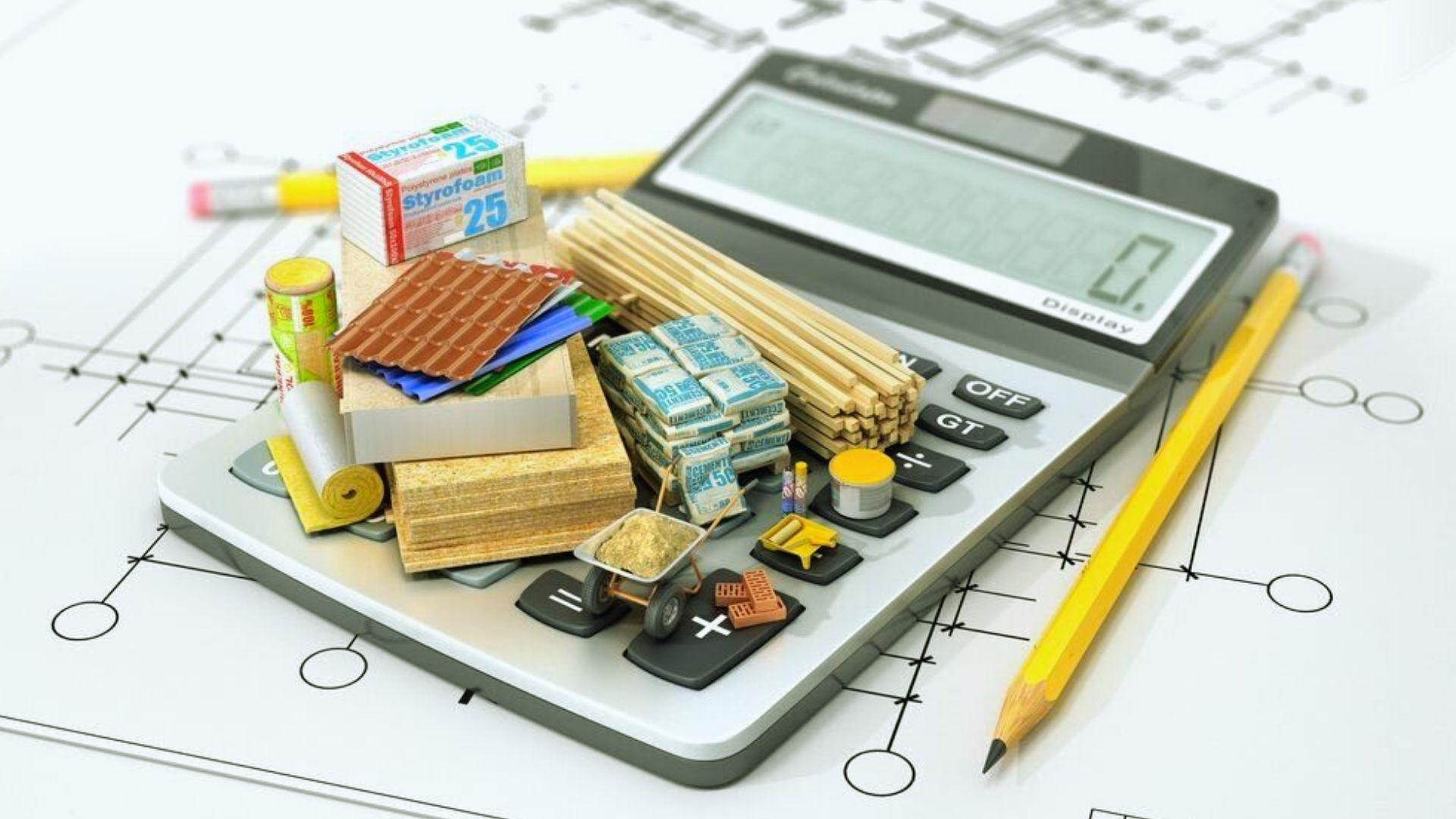
Check current labor and material prices in your area before finalizing the budget. Contact several local builders, suppliers, or contractors to understand typical costs for the type of home you plan to build.
Local pricing can differ substantially from national estimates, particularly when labor availability, transportation, site conditions, or regional material costs affect the project.
10. Review Your Expected Timeline

Ask your builder for a realistic construction timeline based on similar recent projects. Consider permitting, weather, inspections, material lead times, utility connections, and your home's level of customization.
Avoid scheduling your move based only on the earliest projected completion date. Building some flexibility into your plans can reduce problems if the project takes longer than expected.
11. Research Local Home Builders

Look for builders with experience constructing homes similar to yours in the same area. Review recent projects, customer feedback, references, and the builder's experience with local requirements.
A builder who understands local suppliers, permitting procedures, site conditions, and inspection practices may be better prepared to manage the project.
12. Check Builder Licenses and Credentials

Verify the builder's licensing requirements with the appropriate state or local authority. Also ask for proof of relevant insurance, including liability and workers' compensation coverage where applicable.
Requirements vary by location, so confirm what applies to your project rather than assuming every builder follows the same licensing rules.
13. Review References and Past Projects

Ask each builder for references from recent clients and contact those homeowners about their experience. Ask about communication, budget changes, scheduling, workmanship, and how problems were handled.
If possible, visit a completed project or an active job site. Seeing the builder's work can help you evaluate quality beyond a written estimate.
14. Compare Builder Estimates
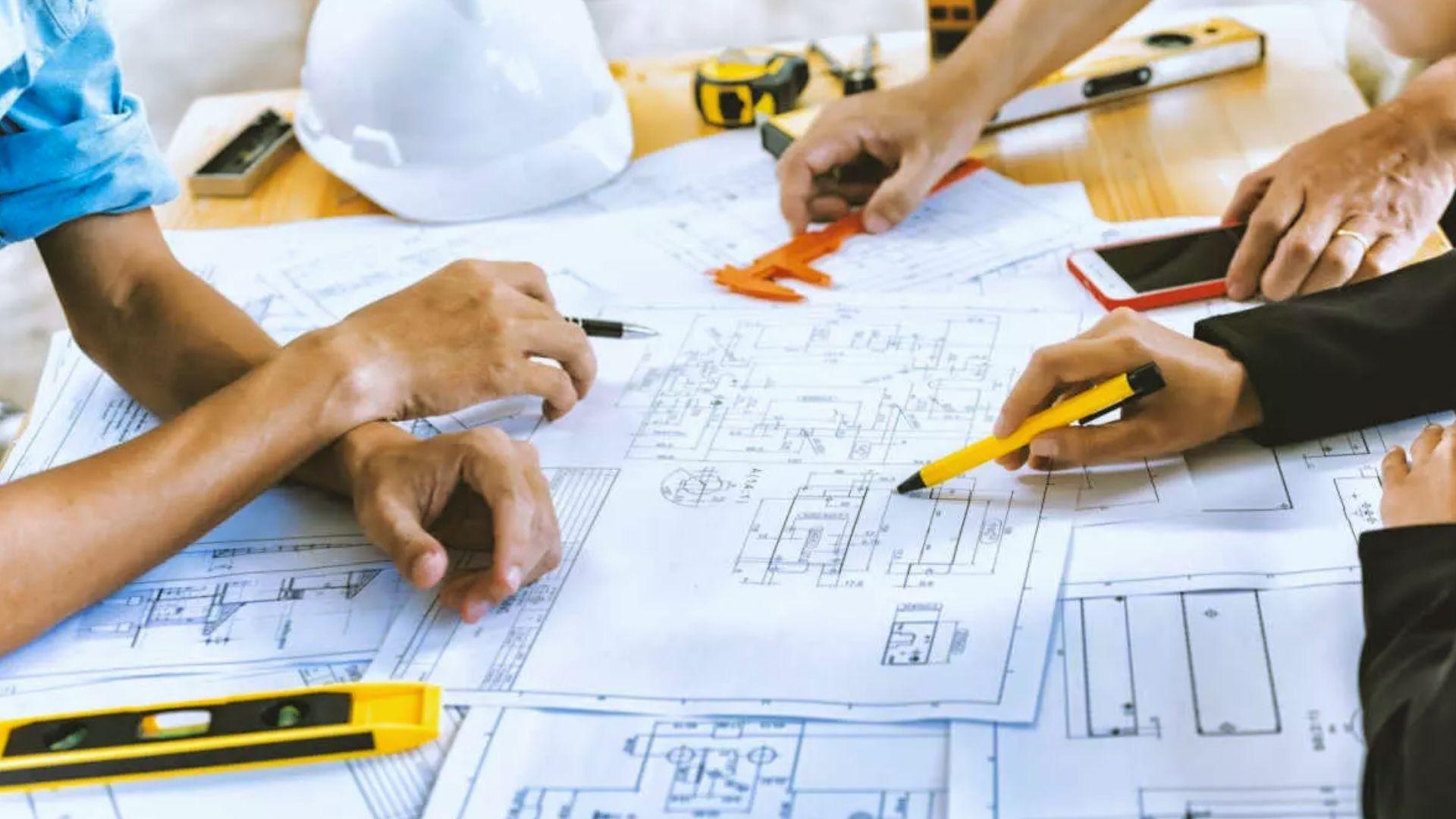
Obtain written estimates from multiple builders and compare them based on the same scope of work. Check what each estimate includes for labor, materials, site work, allowances, permits, and finishes.
A lower price is not automatically better if important costs have been excluded. An itemized estimate makes it easier to identify meaningful differences between bids.
15. Review the Construction Contract

Read the construction contract carefully before signing. Pay particular attention to the scope of work, payment schedule, allowances, change orders, completion expectations, warranties, and procedures for handling disputes.
If you do not understand an important provision, consider getting professional legal advice before signing rather than relying on assumptions about what the contract means.
16. Confirm the Construction Timeline
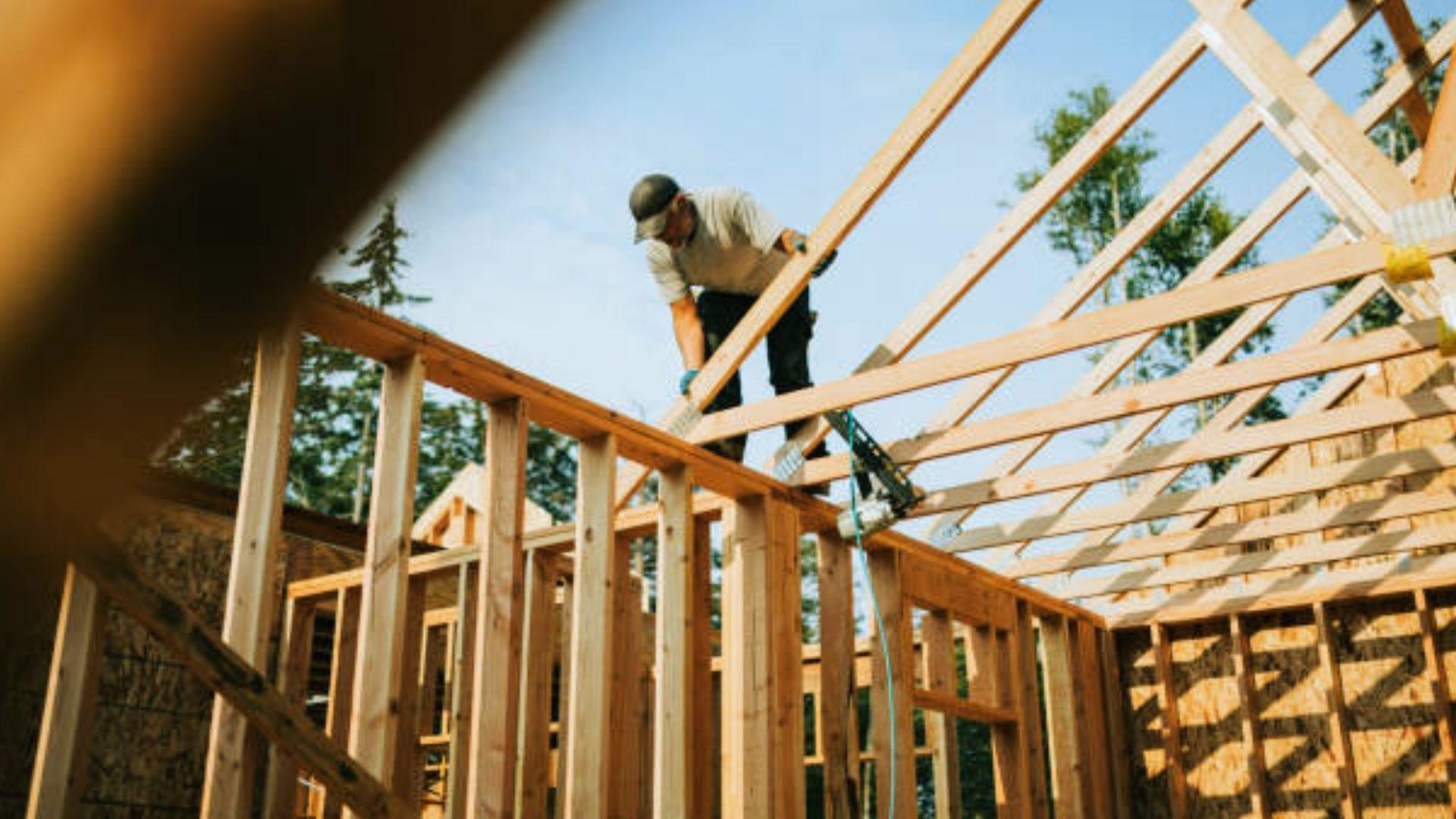
Make sure the contract or project documents identify the expected start date, major milestones, and projected completion date.
Ask how delays are handled and which circumstances may extend the schedule. Clarify responsibilities for weather, permitting, material shortages, owner-requested changes, and other delays so you understand how schedule changes will be managed.
17. Identify Who Handles Permits and Inspections

Confirm in writing who is responsible for obtaining building permits and scheduling required inspections. Ask your builder for a list of permits expected for your project and verify requirements with the appropriate local authority.
Knowing who handles each responsibility prevents missed applications or inspections from delaying later stages.
18. Establish Communication Expectations
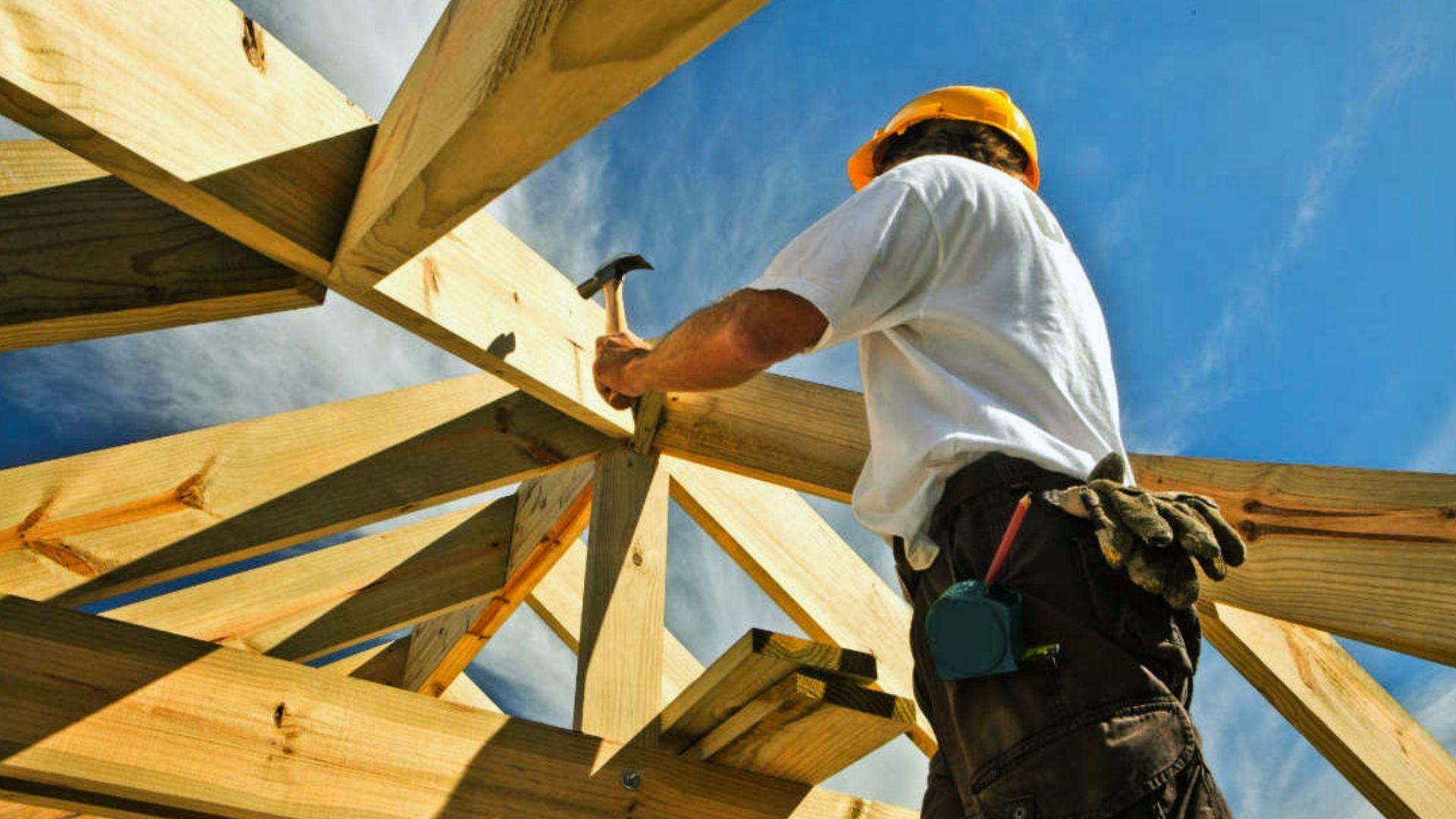
Agree on how project updates will be provided and how often you should expect them. Identify your primary contact for questions and establish a reasonable response process for urgent and routine issues.
Written updates through email or a project-management system can also create a useful record of decisions, changes, and outstanding items.
19. Confirm Payment Schedules
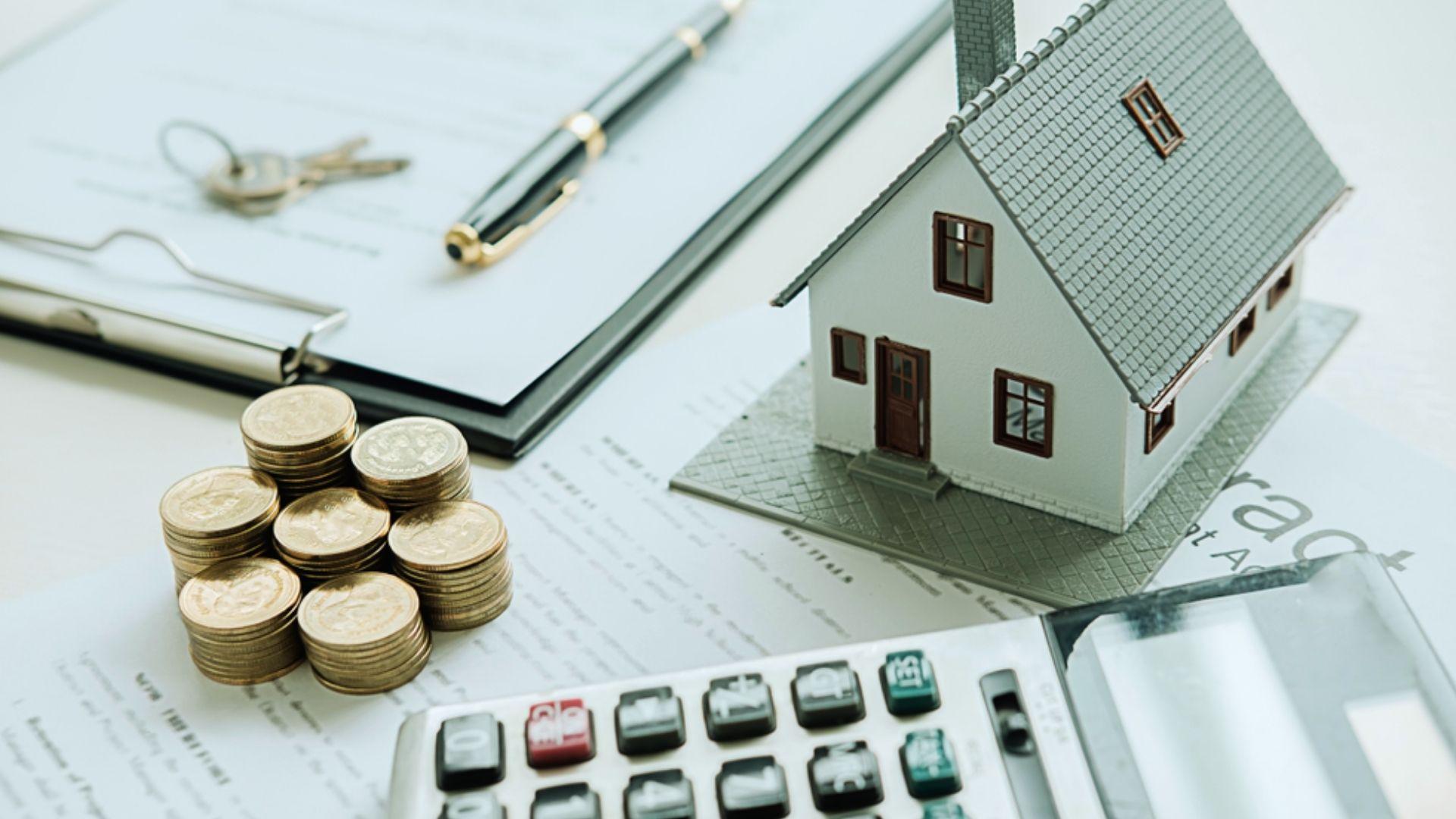
Review the construction draw or payment schedule before work begins. Payments should correspond to clearly defined project stages or contract requirements rather than being made significantly ahead of completed work.
Keep records of invoices, payments, approved changes, and supporting documents so you can track how project spending compares with your budget.
20. Document Change-Order Procedures

Ask how changes to the original plans will be requested, priced, approved, and documented. Every change should identify the revised cost and any effect on the construction schedule.
Avoid relying on verbal agreements for significant changes. Written change orders give you and the builder a clear record of what was approved.
21. Finalize the Floor Plan
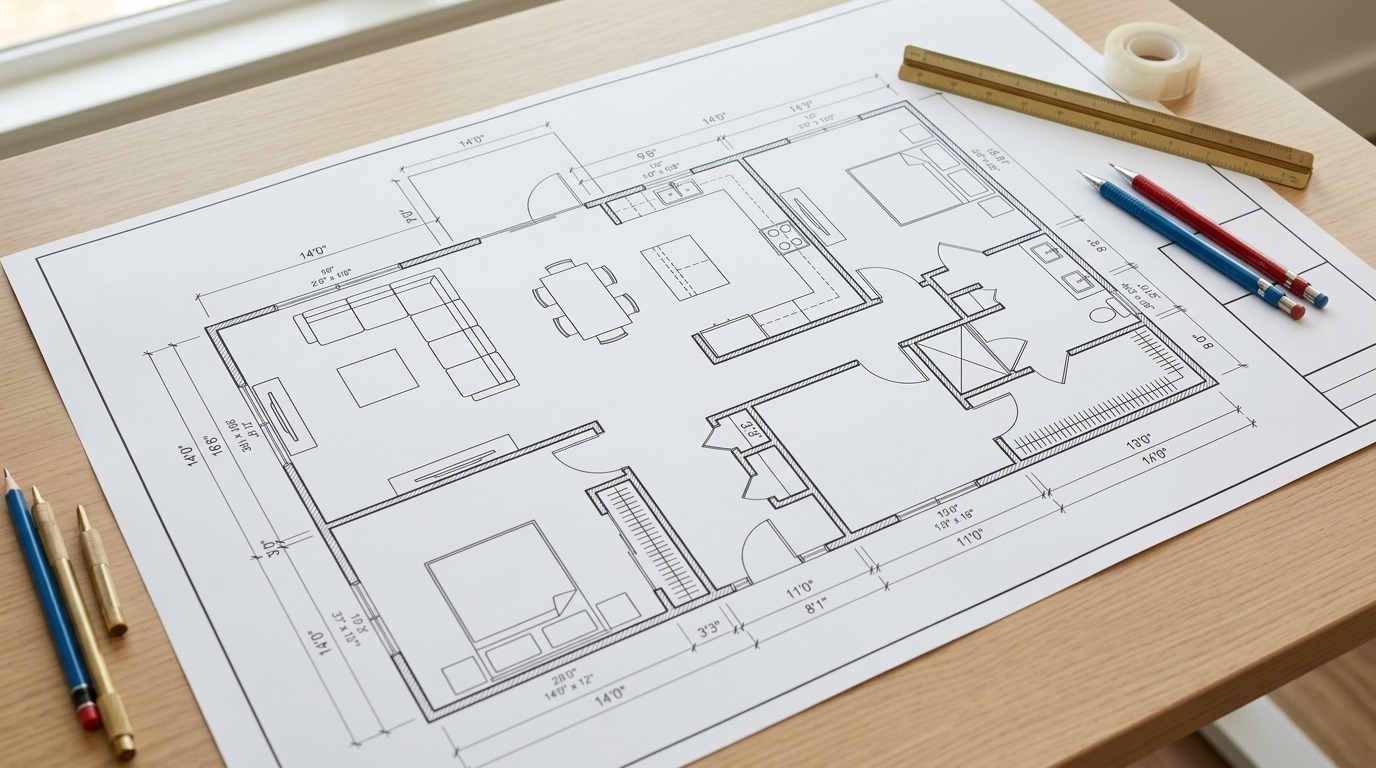
Review the final floor plan carefully before construction begins. Check room dimensions, door swings, window locations, furniture placement, traffic flow, storage, and access between spaces.
This is the best time to make layout changes because adjustments are generally easier before materials are ordered or framing begins.
22. Finalize Architectural Drawings
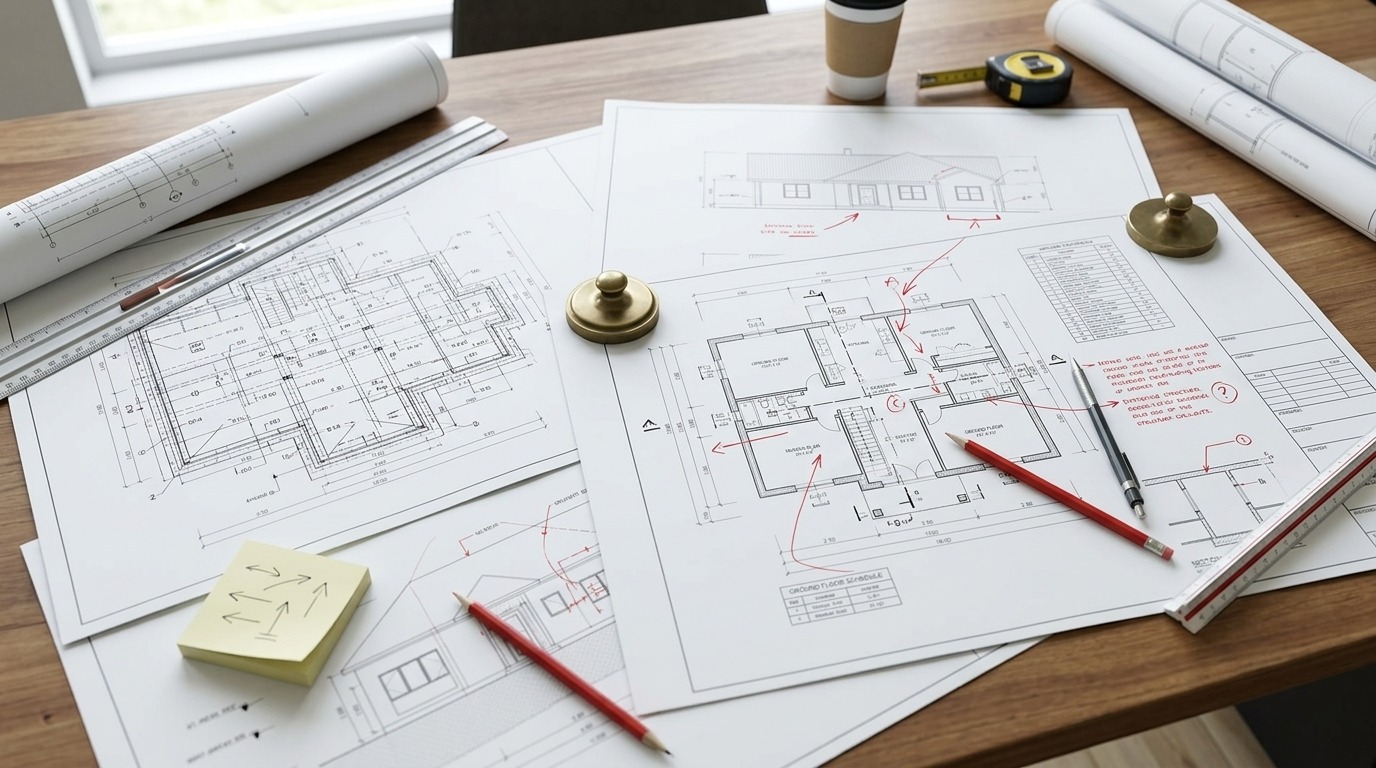
Make sure the construction drawings are complete and coordinated before work starts. Review dimensions, structural details, window and door locations, elevations, and other information needed by the construction team.
Ask your builder or designer to resolve inconsistencies before construction so trades are not working from conflicting information.
23. Choose Exterior Materials
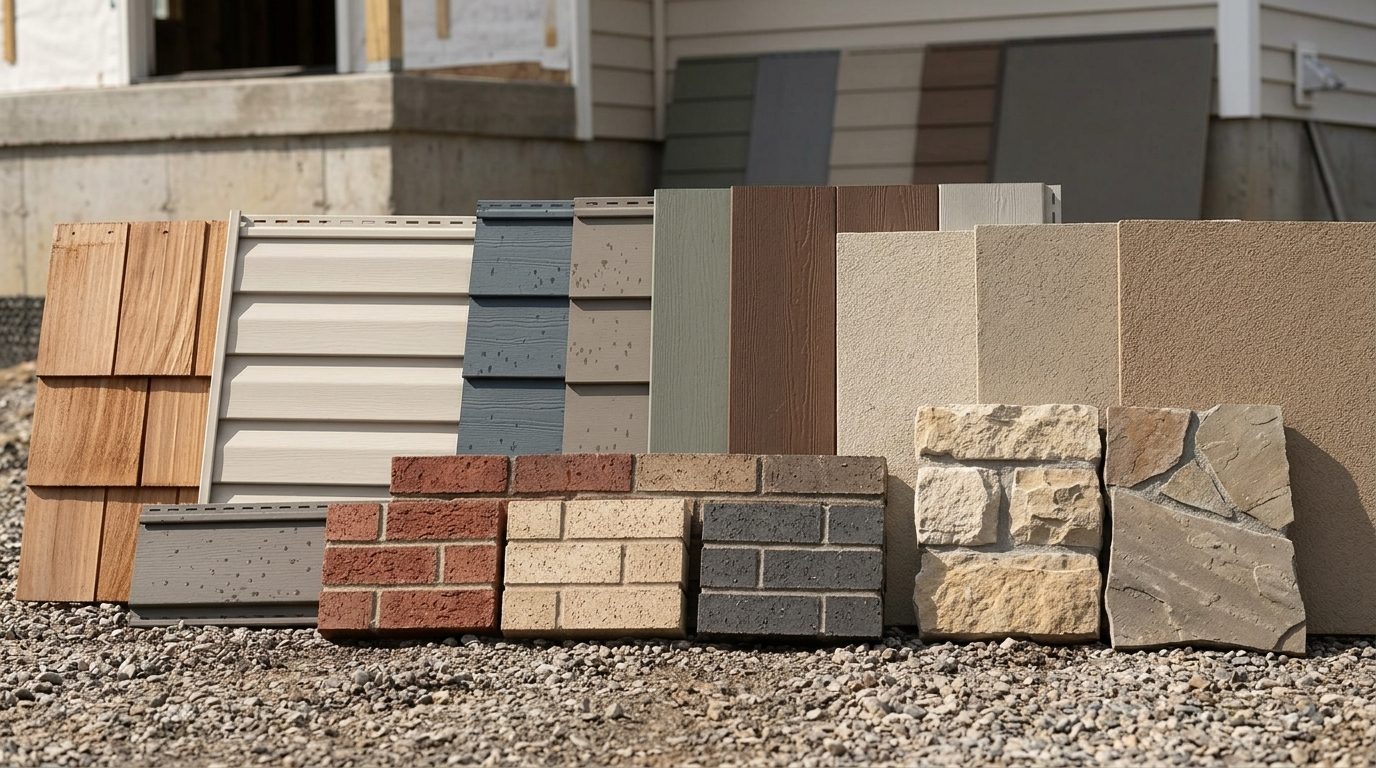
Select siding, brick, stone, stucco, or other exterior materials based on your budget, climate, maintenance needs, and design plans. Review samples under natural lighting before making final selections.
Confirm that the chosen materials are available within the project's expected schedule and meet applicable local requirements.
24. Select Interior Finishes

Choose flooring, cabinets, countertops, paint, tile, fixtures, and other major finishes early enough for ordering and delivery.
Some products can have long lead times or limited availability. Record your selections and approved specifications so the builder and subcontractors have a clear reference throughout construction.
25. Plan Electrical Outlets and Switches
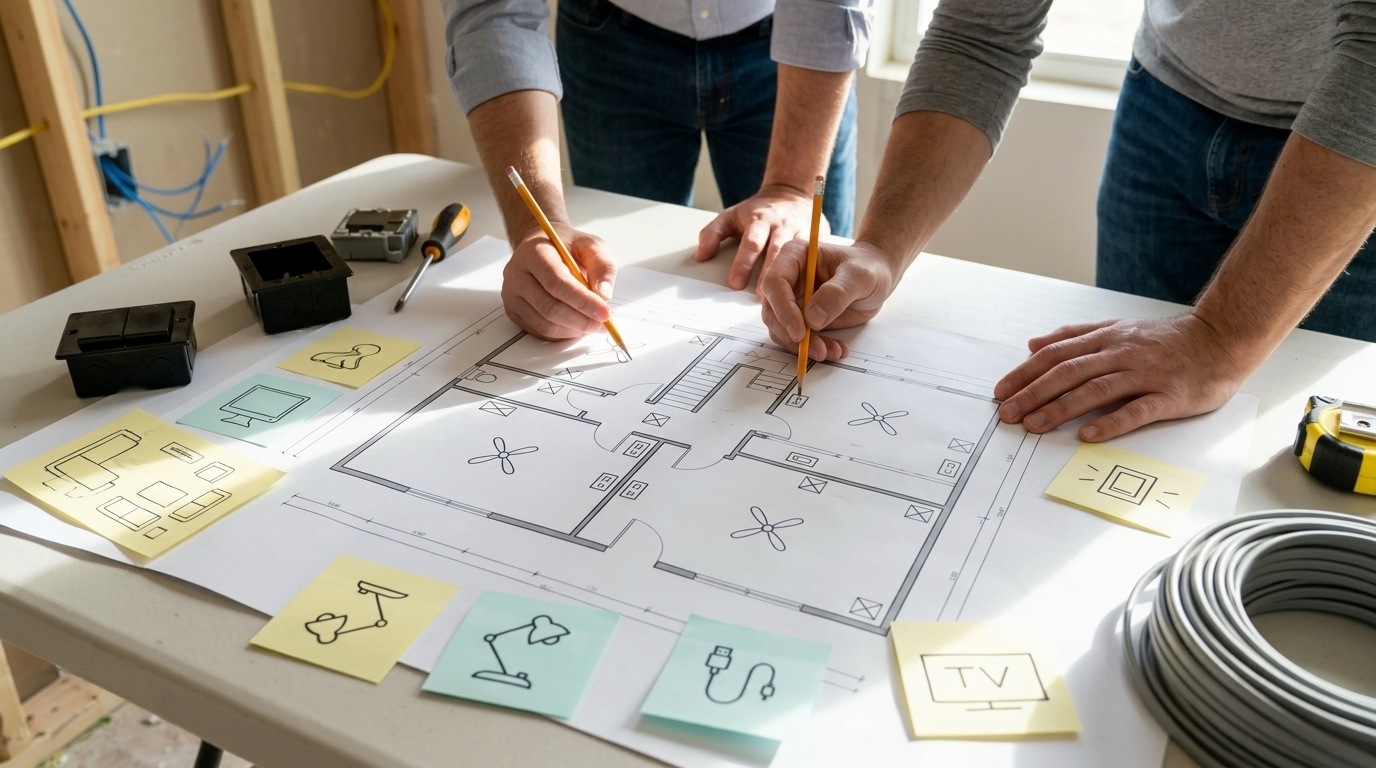
Walk through each room and decide where outlets, switches, lights, ceiling fans, and other electrical components should be located.
Consider furniture placement, work areas, appliances, charging needs, and future equipment. Finalizing these locations before electrical rough-in can reduce expensive changes after walls are closed.
26. Plan Plumbing Fixture Locations

Confirm the locations and sizes of sinks, toilets, tubs, showers, and other plumbing fixtures before rough plumbing begins.
Check that the fixtures fit the planned spaces and that their locations work with the overall floor plan. Changes become more difficult after plumbing lines are installed and covered.
27. Design the HVAC System

Work with your builder or HVAC professional to select appropriately sized heating and cooling equipment for the home.
Review duct locations, return-air paths, ventilation requirements, equipment efficiency, and service access. Proper sizing and installation can affect comfort, operating costs, humidity control, and long-term equipment performance.
28. Plan Lighting

Create a lighting plan for each room based on how the space will be used. Consider general, task, and accent lighting along with natural light and furniture placement.
Decide where dimmers, switches, and specialty fixtures are needed before electrical work begins. A detailed plan helps avoid adding fixtures after walls are finished.
29. Plan Storage Spaces
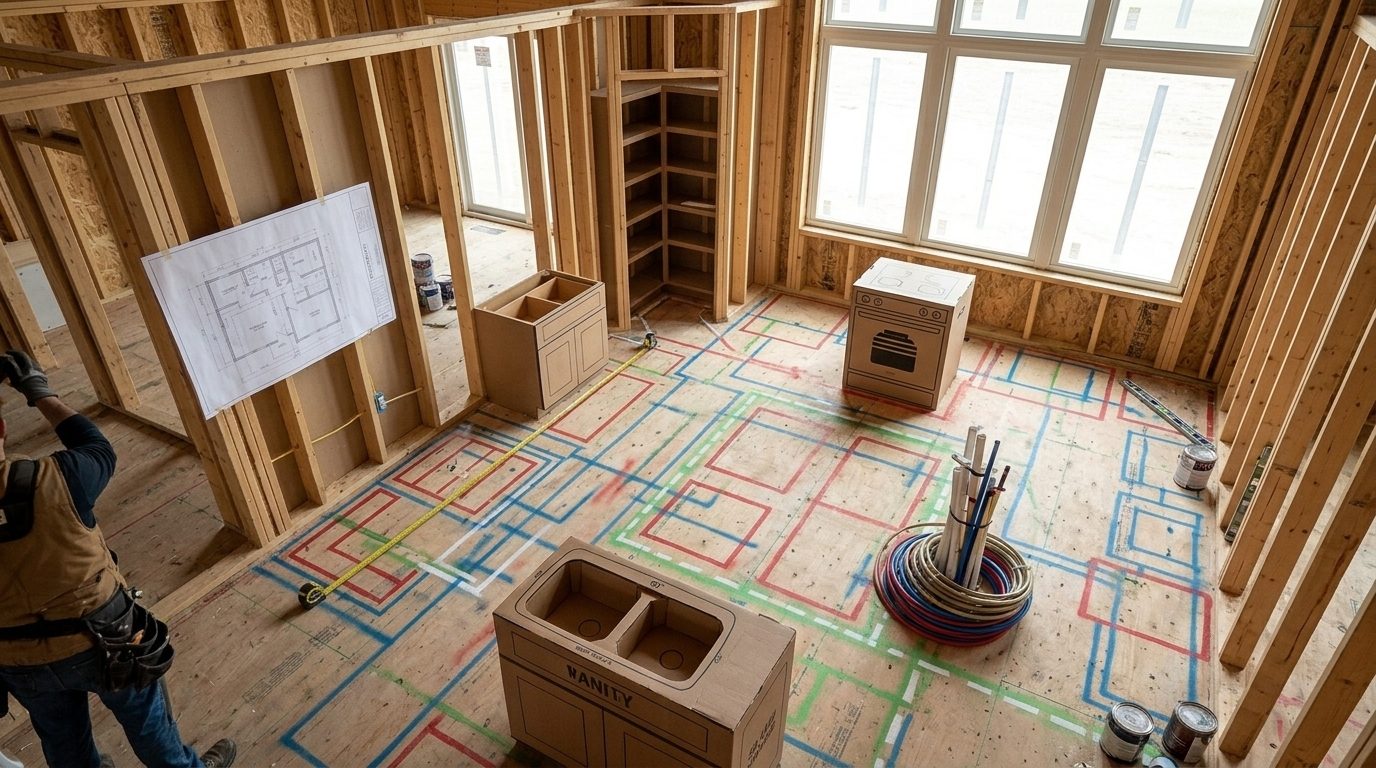
Plan closets, pantry areas, garage storage, mudrooms, and built-in storage before construction begins. Consider the belongings you already have and the items you expect to store in the future.
Measure larger items when necessary so storage areas are practical. Adding adequate storage during design is usually easier than modifying finished spaces later.
30. Review Energy-Efficiency Options

Compare insulation levels, window performance, HVAC efficiency, appliances, lighting, and other energy-related choices before finalizing the plans.
Ask your builder which options meet or exceed local requirements and whether rebates or incentives may apply. Record the selected specifications so they can be checked during construction and final inspections.
31. Arrange Water Service

Contact the local water provider to confirm connection requirements, fees, meter placement, and expected installation timing.
If the property will use a private well, confirm the applicable testing and permitting requirements. Make sure the planned water source can support construction needs and eventual household use.
32. Plan Sewer or Septic Connections
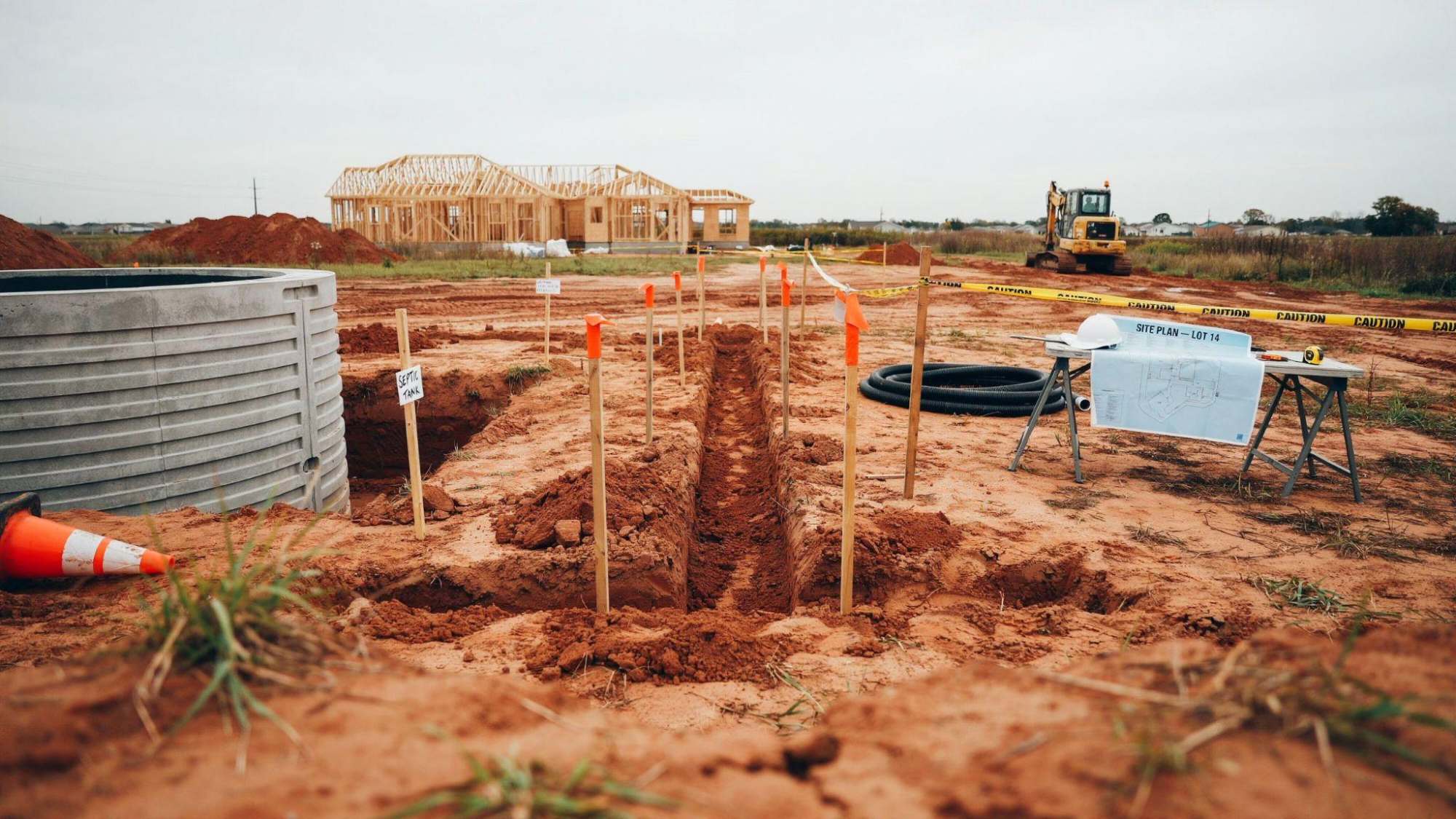
Determine whether the property will connect to a public sewer system or require a private septic system.
If a septic system is needed, confirm soil testing, permitting, tank placement, drain-field requirements, and required setbacks. Coordinate the system location with the overall site plan before excavation begins.
33. Arrange Electrical Service

Contact the electric utility early to confirm service requirements, meter placement, connection fees, and any infrastructure work needed for the property.
Ask about the expected installation schedule and temporary power for construction. Early coordination helps ensure permanent service can be connected when the home is ready.
34. Plan Natural Gas or Propane Service

If the home will use natural gas or propane, confirm the available service and installation requirements before construction progresses.
For propane systems, review tank location, access, and applicable setback requirements. Coordinate fuel-service planning with the home's HVAC, water-heating, and appliance selections.
35. Arrange Internet and Telecommunications
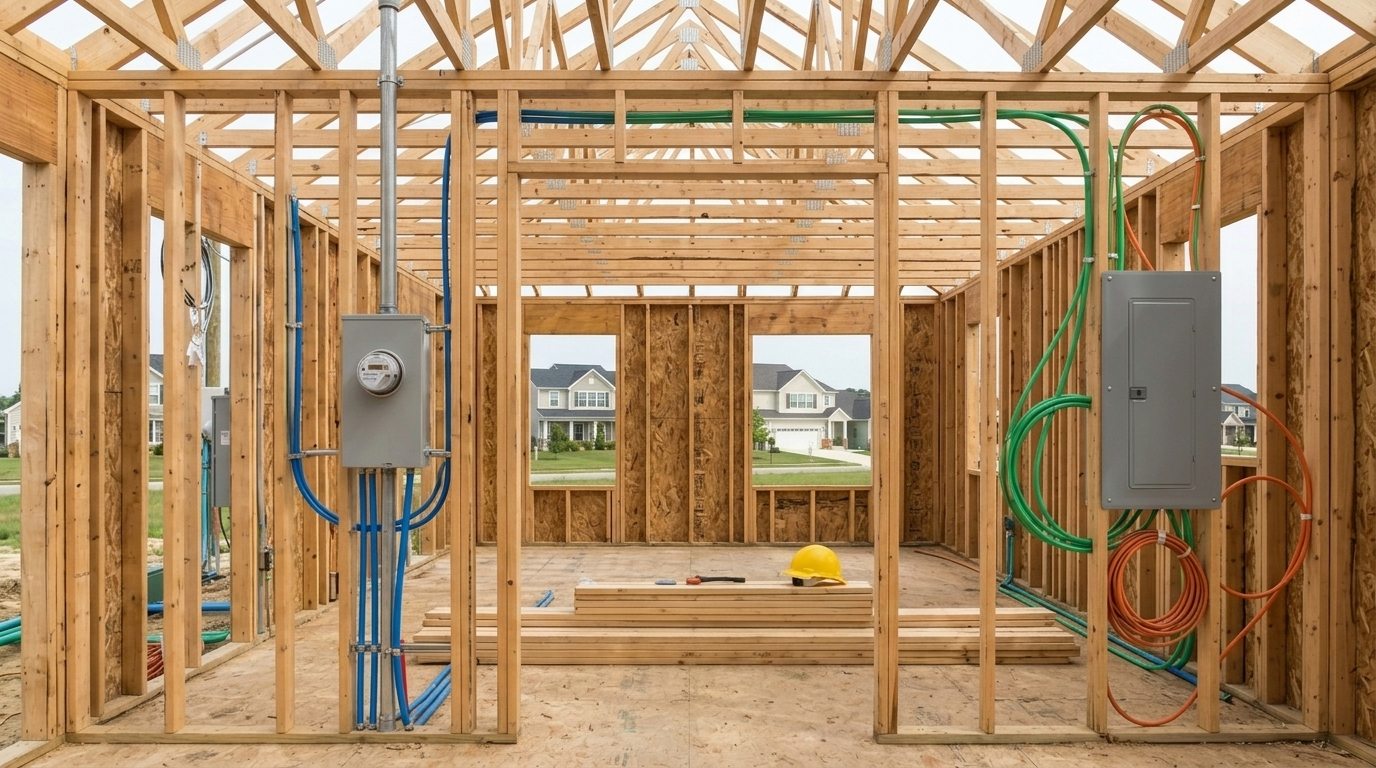
Check which internet and telecommunications services are available at the property and ask providers about installation requirements.
If wiring, conduit, or other infrastructure needs to be installed during construction, coordinate it before walls are closed. Planning ahead can make future connections easier and reduce the need for visible wiring.
36. Plan Drainage and Stormwater Management
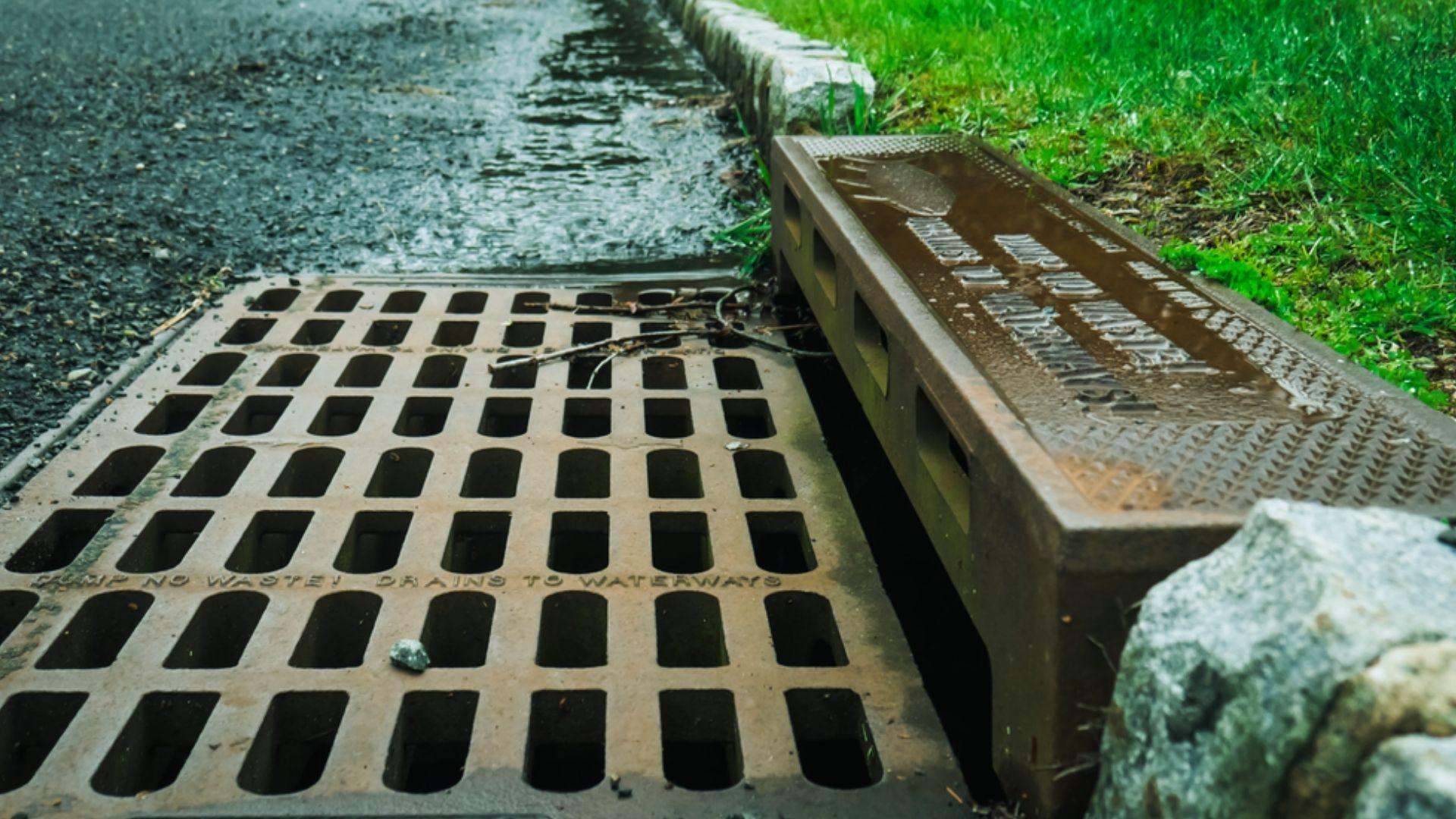
Develop a drainage plan that directs water away from the foundation and toward appropriate discharge areas.
Review grading, gutters, downspouts, swales, drains, and any required stormwater controls with your builder. Local requirements may vary, so confirm whether your project needs a formal stormwater plan or approval.
37. Confirm Utility Connection Requirements
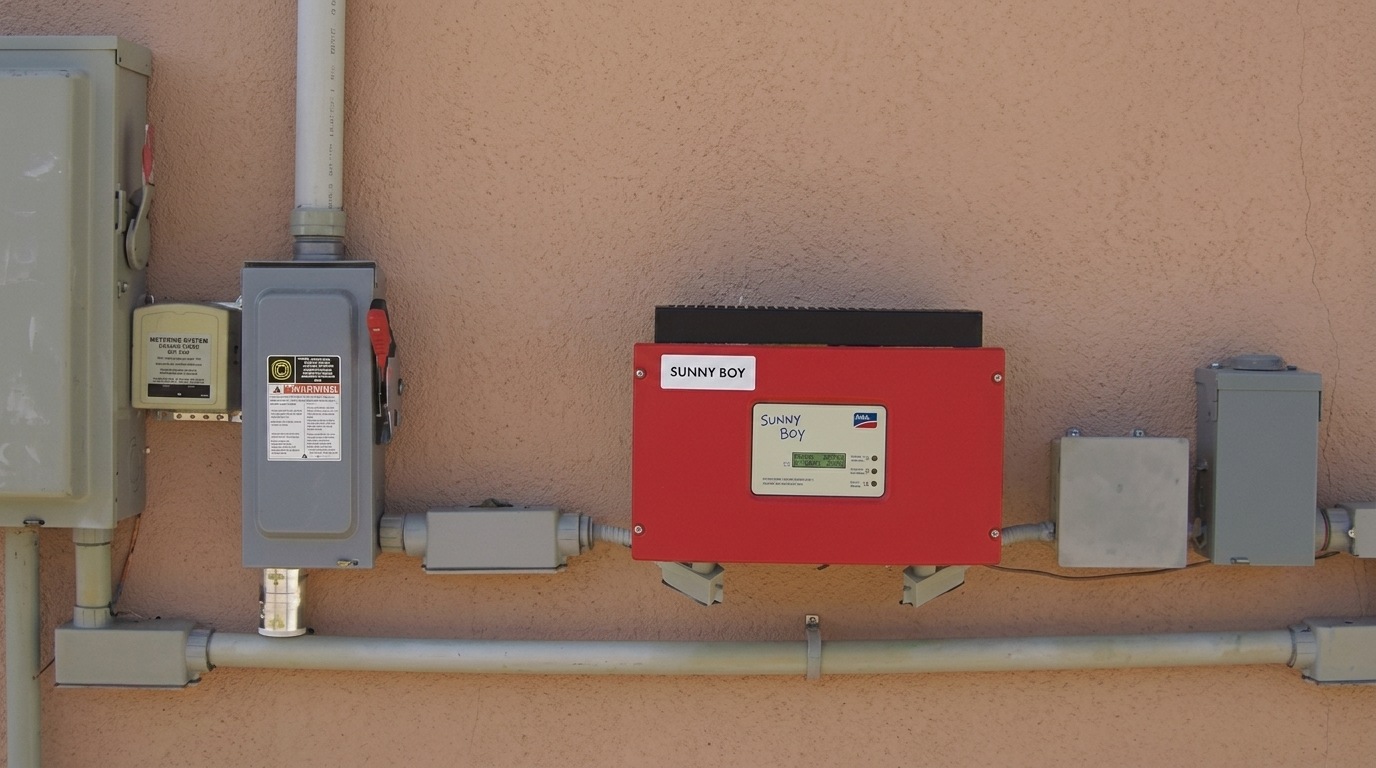
Review the application, inspection, fee, and scheduling requirements for each utility serving the property. Keep copies of applications, approvals, utility correspondence, and scheduled connection dates.
Confirm responsibilities with your builder so utility work does not fall through the gap between the builder's scope and the utility provider's responsibilities.
38. Schedule Necessary Utility Inspections

Ask which utility-related inspections are required before services can be connected or activated. Confirm who schedules each inspection and when it must occur.
Utility requirements vary by location and project, so use the applicable utility provider and local authority requirements rather than assuming the same process applies everywhere.
39. Begin Site Preparation
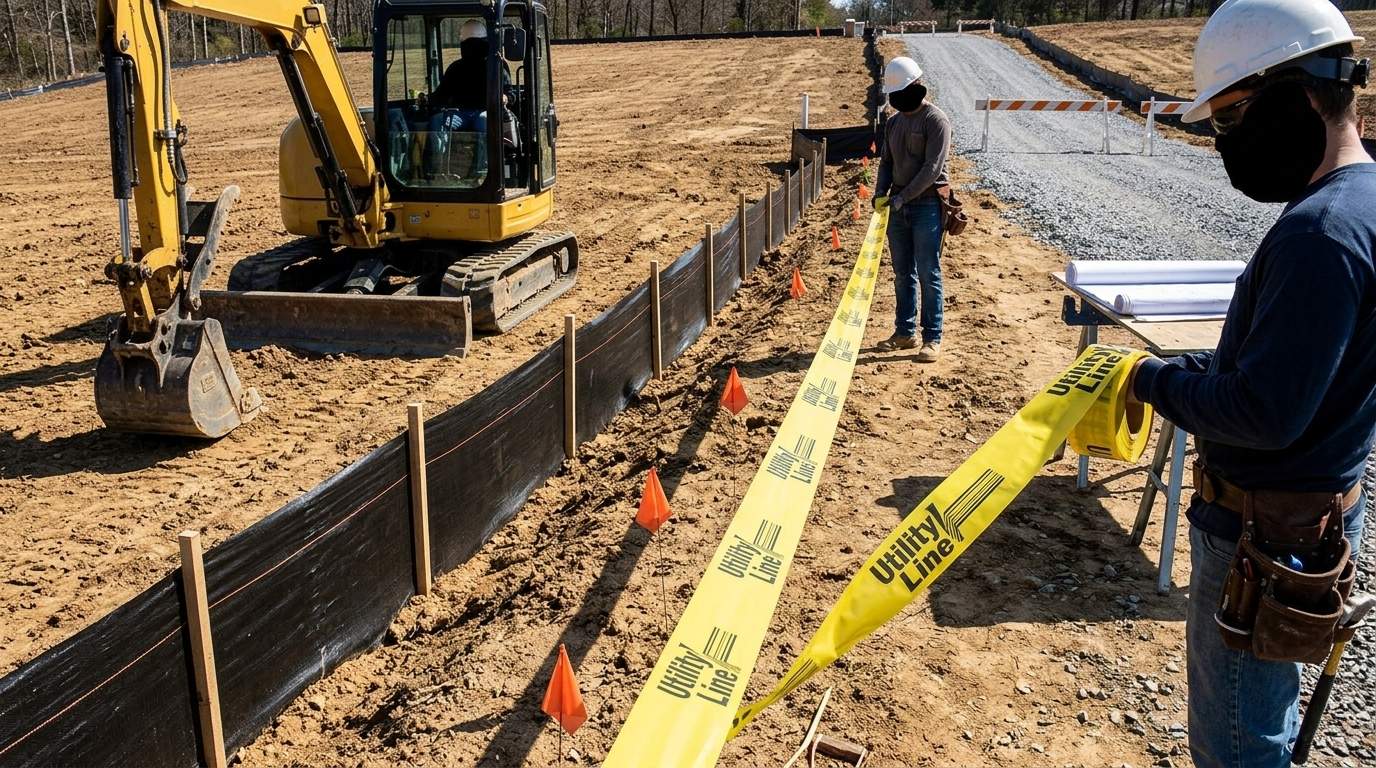
Prepare the property by clearing the approved building area and addressing required erosion or sediment controls. Mark utility locations before excavation and establish safe access for construction crews and equipment.
Site preparation should follow the approved plans and local requirements so the construction area is ready for excavation.
40. Complete Excavation

Excavate the foundation area according to the approved plans and site conditions. The required depth and preparation depend on the foundation design, soil conditions, drainage, and local requirements.
Confirm that excavation dimensions and soil conditions are acceptable before moving to foundation construction.
41. Install the Foundation
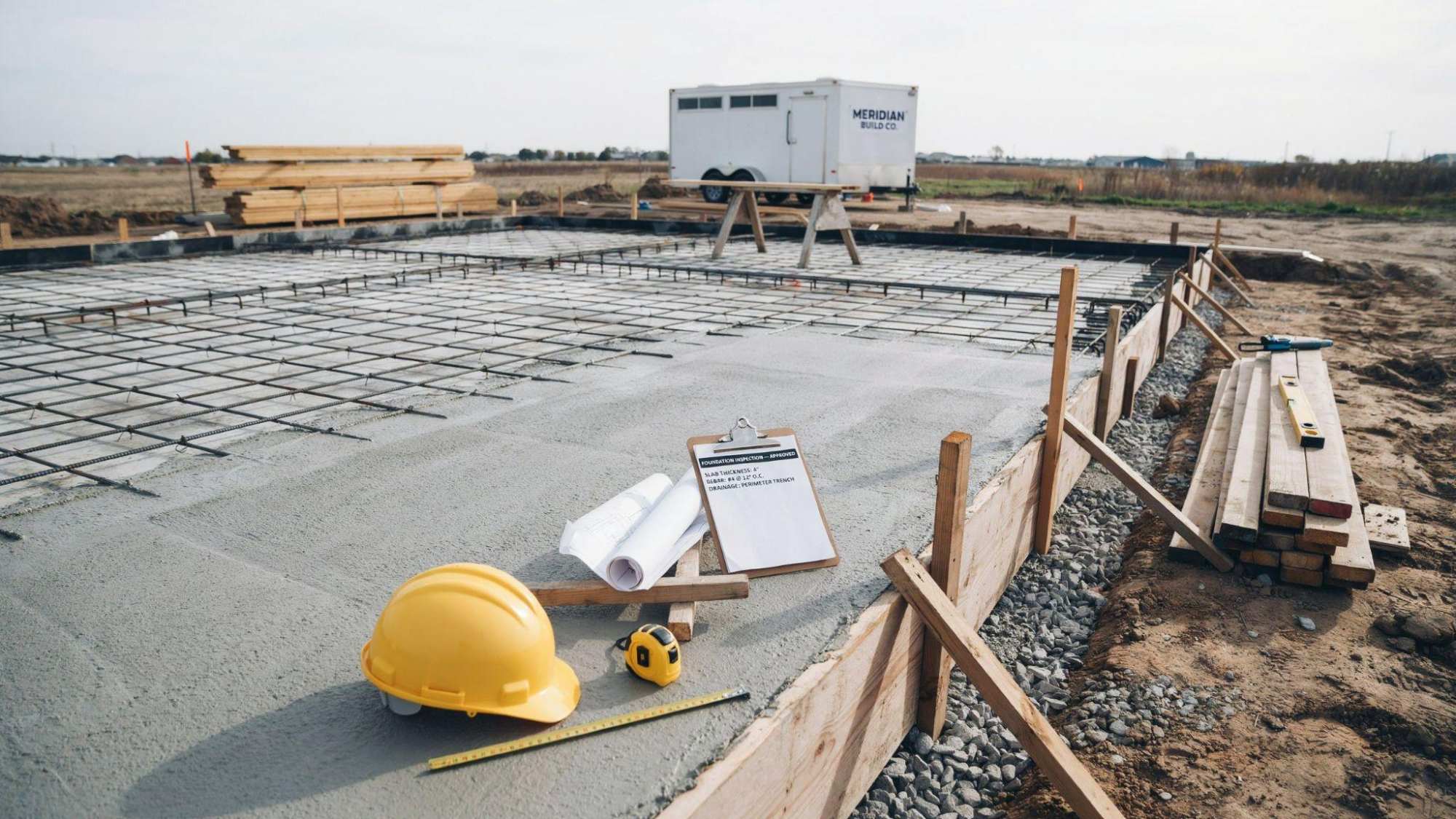
Construct the selected foundation system, such as a slab, crawl space, or basement, according to the approved plans and applicable building requirements.
Verify dimensions, reinforcement, drainage provisions, and other required components before concrete work is completed.
Because later construction depends on accurate foundation work, problems should be addressed before proceeding.
42. Complete Foundation Waterproofing
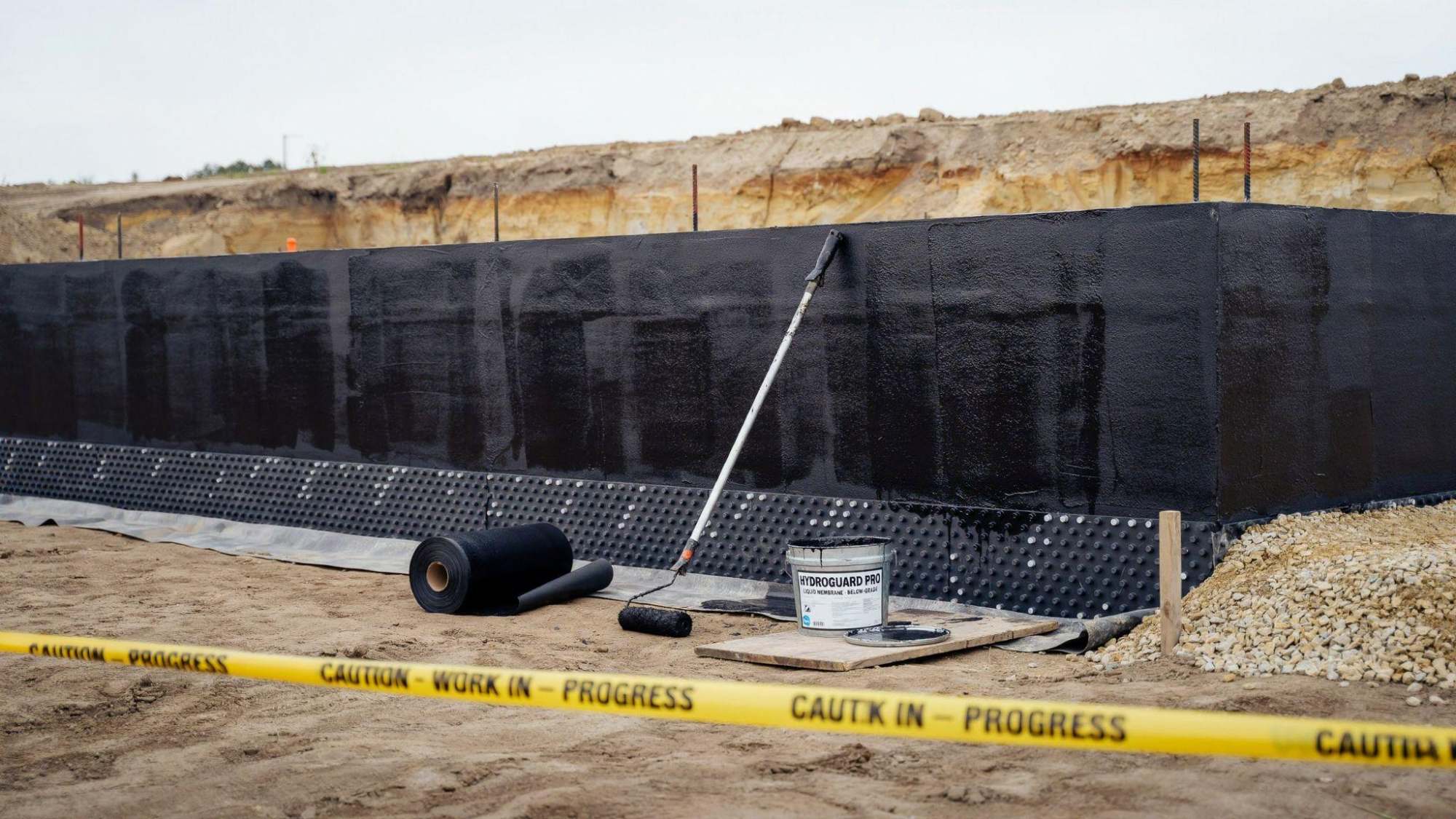
Apply the waterproofing or moisture-control system specified for the foundation. The appropriate method depends on the foundation type, site conditions, and local requirements.
Pay particular attention to below-grade walls and areas exposed to groundwater. Confirm that required waterproofing is complete before backfilling covers the work.
43. Install Foundation Drainage

Install the drainage components required to move water away from foundation walls and other vulnerable areas.
Depending on the design, this may include footing drains, drainage boards, sump systems, or other measures. Confirm that drainage is installed correctly before soil is placed around the foundation.
44. Install Underground Plumbing
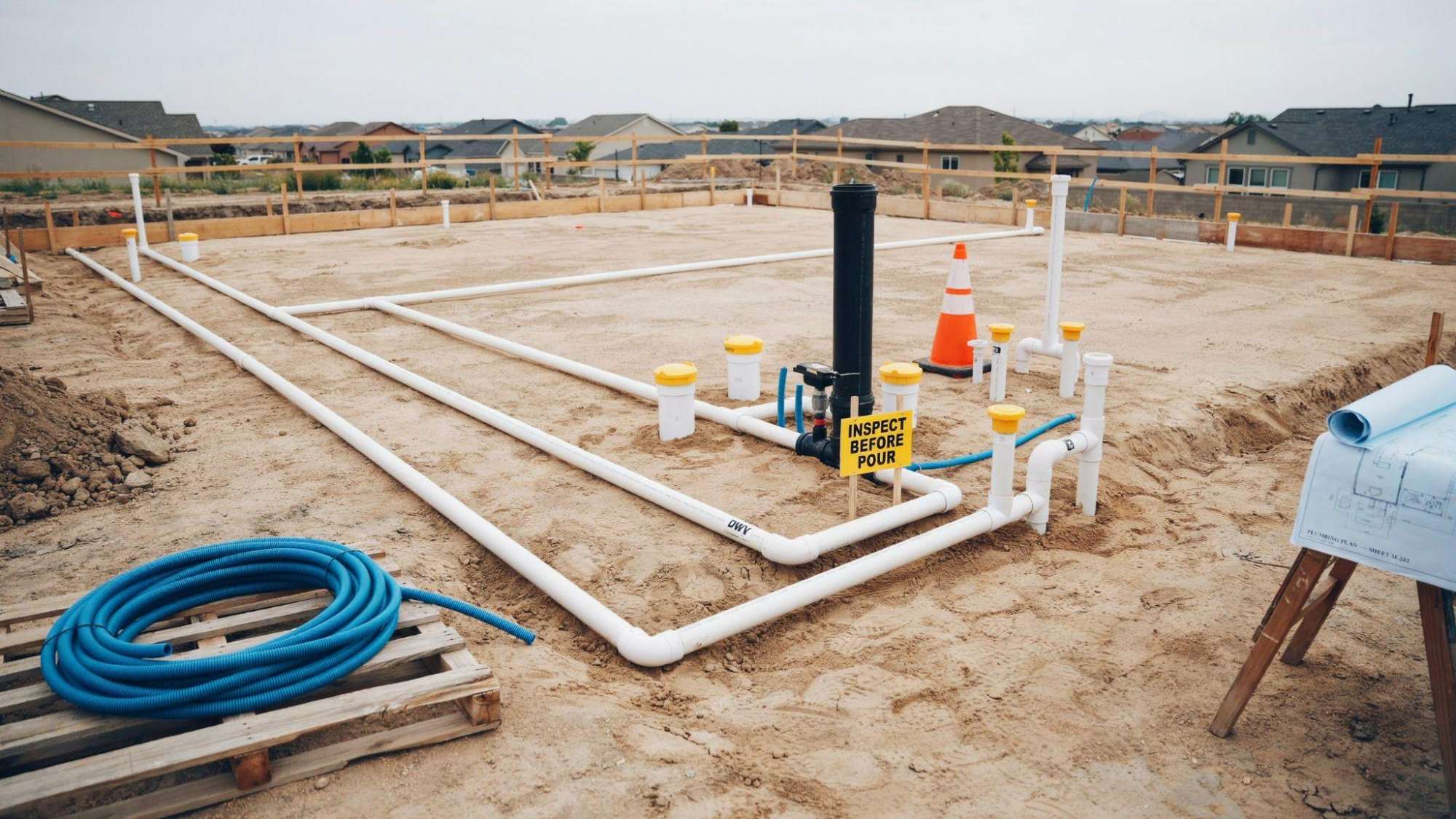
Install plumbing lines that must run below the slab or foundation before those areas are covered.
This can include drain lines, water supply lines, or other systems shown on the plans. Verify pipe locations and required inspections before covering the work because access becomes difficult once the foundation or floor is complete.
45. Build the Home's Framing

Construct the walls, floors, and roof framing according to the approved architectural and structural plans. Framing establishes the basic shape of the home and creates openings for windows, doors, stairs, and other components.
Review the work as it progresses to identify differences from the approved plans before additional systems are installed.
46. Install Floor Systems
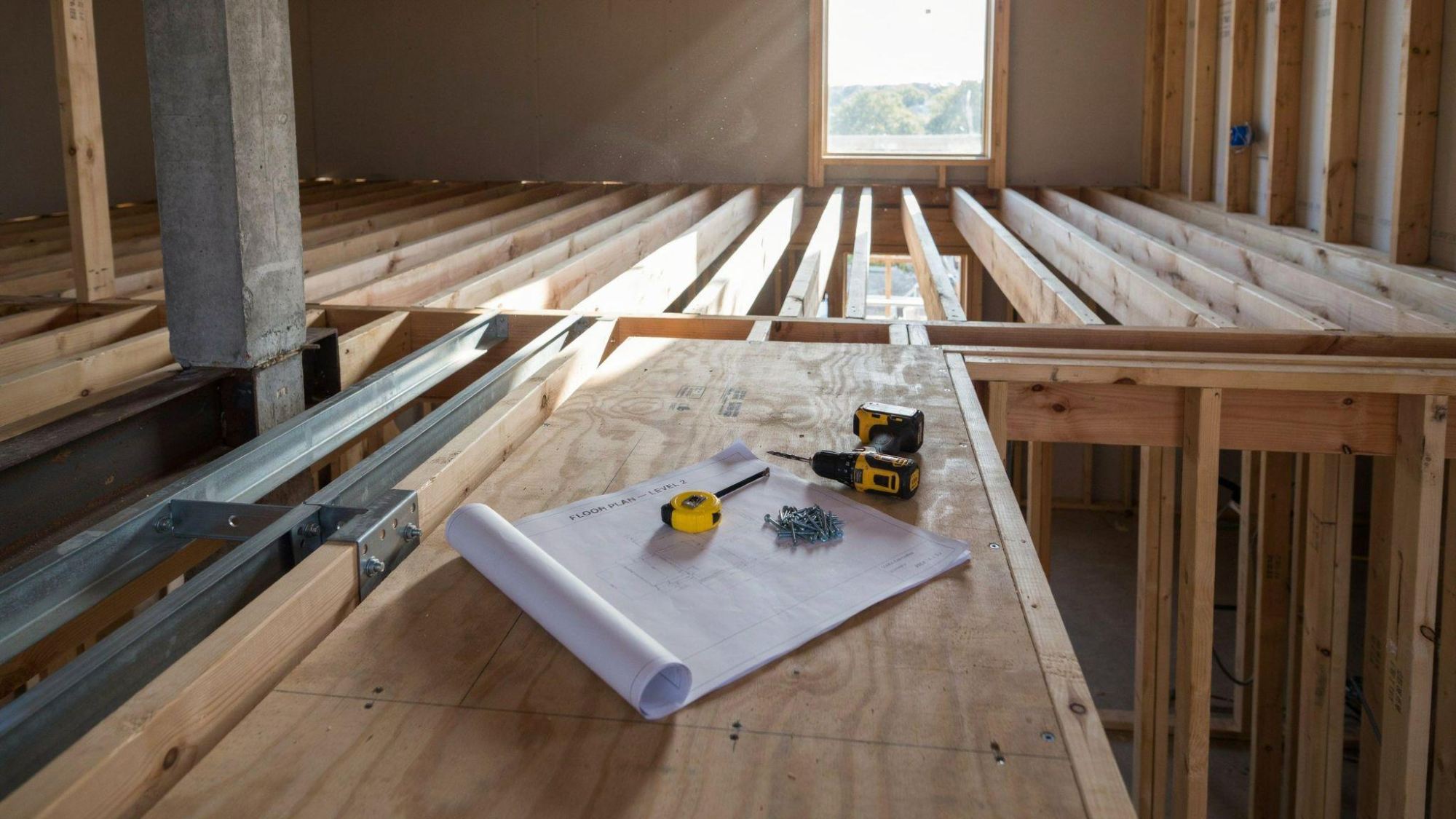
Install floor joists, beams, subflooring, and other components required for each level of the home.
Check that supports and connections follow the approved structural plans. Proper installation provides stable surfaces for walls, finishes, and fixtures and helps reduce problems such as uneven or excessively flexible floors.
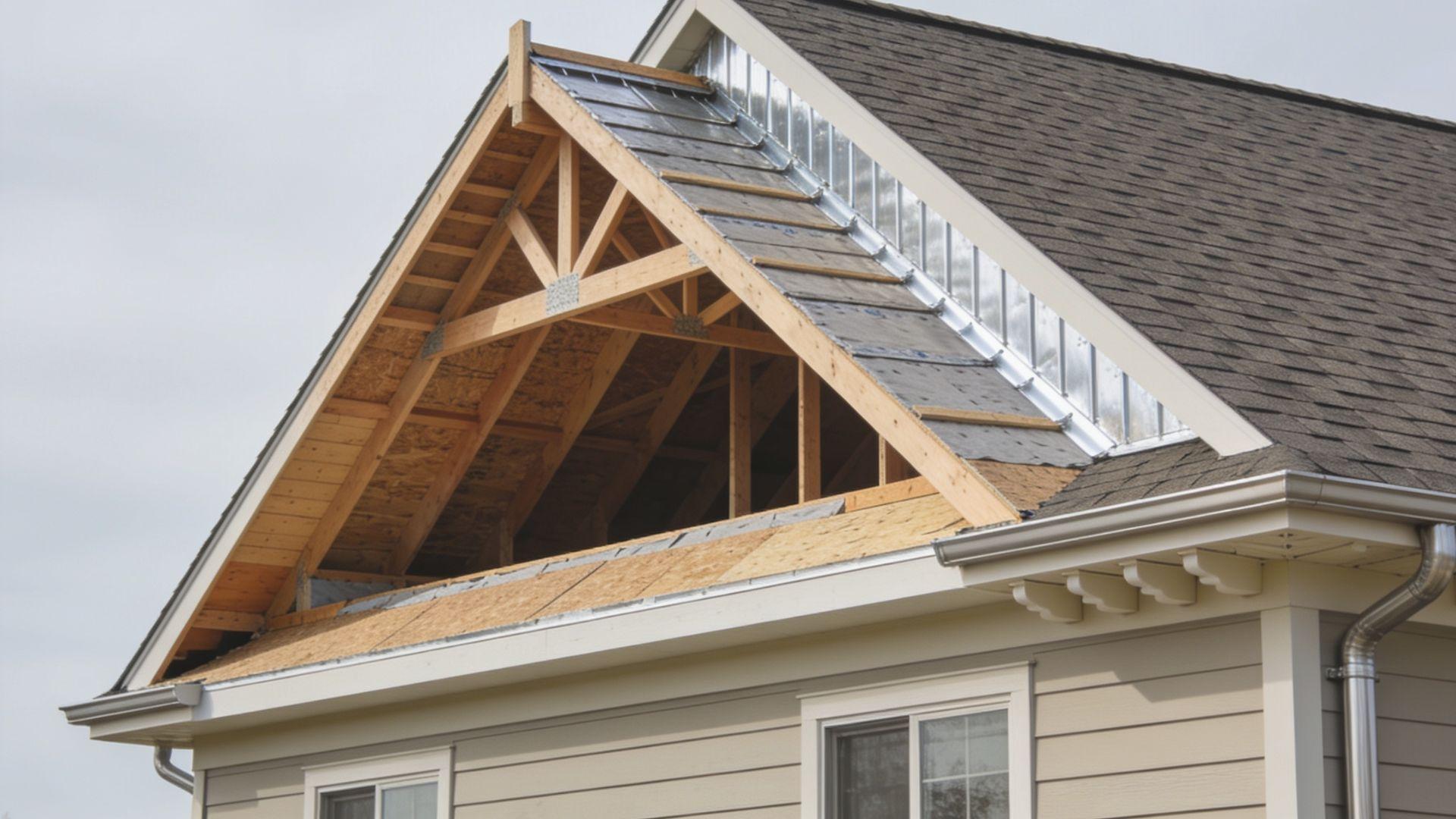
47. Construct the Roof Structure

Install the roof trusses or rafters according to the structural plans. Confirm that supports, connections, roof openings, and other structural components match the approved design.
The roof structure must be completed correctly before the roofing assembly can be installed and the building can be protected from weather.
48. Install Roof Decking

Install the specified roof sheathing or decking over the completed roof structure. Follow the required fastening pattern and material specifications for the project and local conditions.
Inspect the decking for proper installation before underlayment and roofing materials cover it, especially around openings and roof transitions.
49. Check Framing and Structural Components

Review the completed framing against the architectural and structural plans before the next construction phase begins.
Check wall locations, openings, structural connections, stairs, and other key components. Identifying discrepancies while the framing remains exposed makes corrections easier than waiting until insulation or drywall covers the work.
50. Complete the Framing Inspection

Schedule the required framing inspection with the local building authority after the relevant structural work is complete.
The inspector checks whether the construction meets applicable code requirements before covered work proceeds. If corrections are required, document them, complete the work, and arrange any required reinspection.
Roofing, Exterior, and Weatherproofing
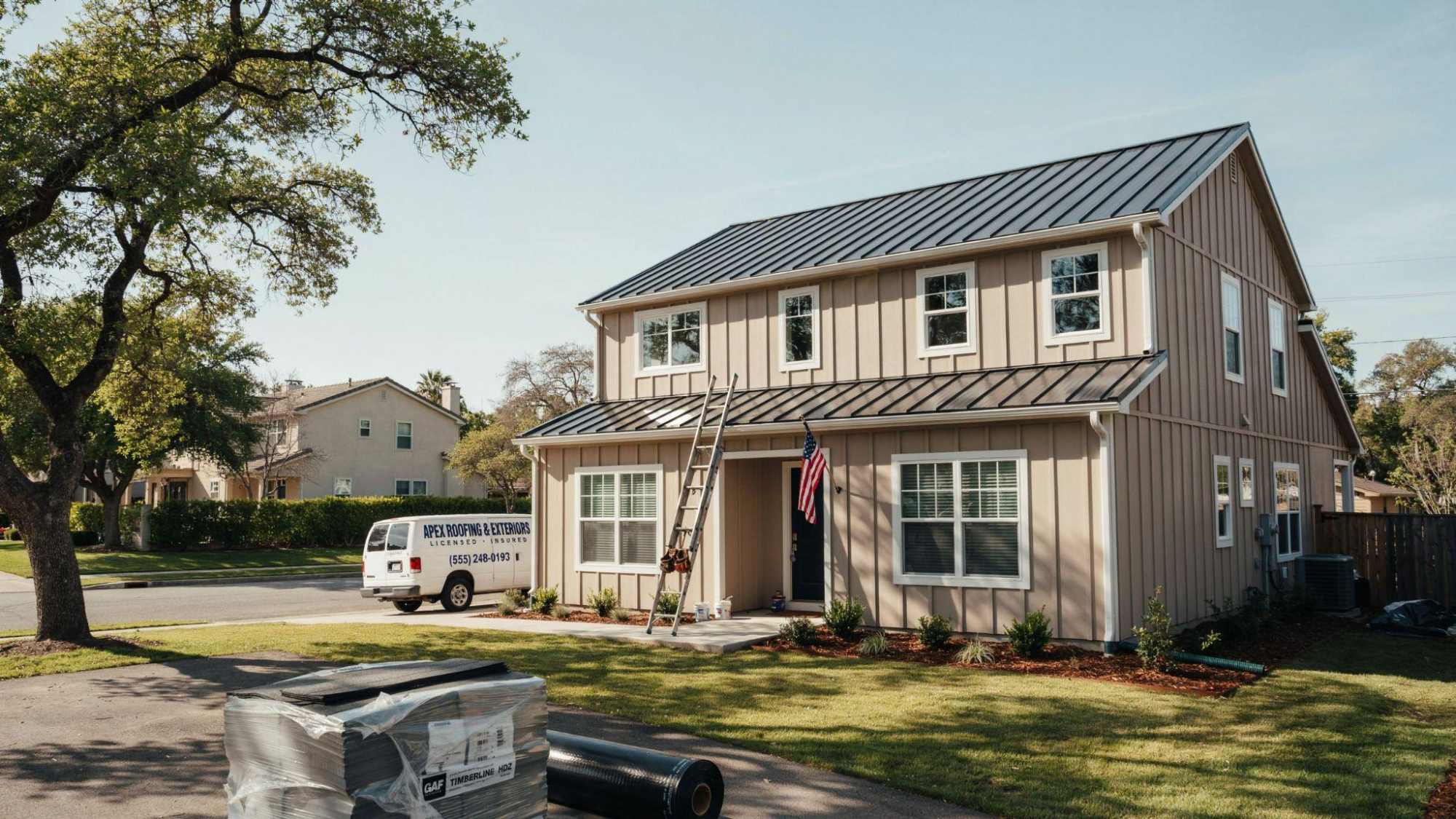
After framing and required inspections, construction moves to exterior protection and interior rough-ins. The exact sequence may vary by project and builder schedule.
51. Install roofing materials: Install the specified roofing system over the roof decking and underlayment. Follow manufacturer requirements for materials, fasteners, flashing, slopes, and roof penetrations to protect the structure from weather.
52. Install windows and exterior doors:Install windows and exterior doors according to the plans and manufacturer instructions. Check flashing, seals, shims, and drainage details to help prevent water intrusion and air leakage.
53. Apply weather-resistant barriers:Install the specified weather-resistant barrier over the exterior wall assembly. Follow installation requirements around windows, doors, seams, and penetrations to support proper moisture management.
54. Install exterior siding or masonry: Install the selected siding, brick, stone, stucco, or other exterior cladding according to the plans. Maintain required clearances, drainage paths, flashing, and attachment methods.
55. Complete exterior flashing: Install flashing around windows, doors, roof intersections, and wall penetrations. Properly installed flashing directs water away from vulnerable joints and helps reduce moisture problems.
56. Seal openings against air and moisture: Seal appropriate gaps around windows, doors, utility penetrations, and other openings with specified materials. Make sure sealing does not block required drainage or ventilation paths.
57. Install gutters and downspouts:Install gutters and downspouts according to the drainage plan and roof design. Direct runoff away from the foundation and coordinate discharge points with the property's grading.
58. Install rough plumbing: Install water supply, drain, and vent piping according to the plumbing plans. Confirm fixture locations and complete required plumbing inspections before the work becomes inaccessible.
59. Install electrical wiring: Run wiring for outlets, switches, lighting, appliances, and other planned equipment. Follow the approved electrical plan and verify locations before insulation and drywall make changes more difficult.
60. Install the electrical panel:Install and connect the main electrical panel according to the electrical design and applicable requirements. Confirm adequate capacity, proper access, and completion of required inspections before energizing the system.
61. Complete HVAC ductwork:Install ductwork, supply runs, return paths, and other components shown in the HVAC plans. Check that ducts are properly supported, sealed, and routed without interfering with other systems.
62. Install ventilation systems:Install required exhaust fans, fresh-air components, and other ventilation systems according to the plans. Confirm that ventilation ducts terminate correctly and operate as required before finishes cover the system.
63. Complete rough-in inspections: The schedule required plumbing, electrical, HVAC, and other concealed-system inspections before insulation and drywall. Complete any corrections and obtain required approvals before covering the work.
64. Fix issues before walls are closed:Resolve problems found during rough-in inspections or quality checks before insulation and drywall are installed. Correcting issues while systems remain accessible is easier than opening finished walls later.
65. Install insulation:Install specified insulation in walls, ceilings, floors, and other areas according to the plans and applicable requirements. Check for gaps, compression, and proper air sealing around penetrations.
66. Complete insulation inspection:Arrange any required insulation inspection before drywall installation. Complete corrections while the insulation and air-sealing work remain visible and accessible.
67. Install drywall:Install drywall panels on interior walls and ceilings after required inspections and concealed work are complete. Secure, tape, and finish the panels according to the planned level of finish.
68. Finish and prime drywall:Finish drywall joints, corners, and fastener locations, then prepare surfaces for painting. Inspect the walls under suitable lighting so visible defects can be corrected before final painting.
69. Install interior doors and trim:Install interior doors, baseboards, casing, window trim, and other finish carpentry. Check that doors are aligned properly and open and close without interference.
70. Install flooring: Install the selected flooring according to manufacturer requirements and the planned sequence. Prepare the subfloor as needed and protect completed flooring from damage during remaining construction.
71. Install cabinets and built-ins: Install kitchen, bathroom, laundry, and other cabinets or built-ins according to the approved plans. Confirm that cabinets are level, secure, and positioned correctly for appliances and countertops.
72. Install countertops: Measure, fabricate, and install countertops after cabinets are securely positioned. Verify sink, faucet, appliance, and backsplash locations before final fabrication and installation.
73. Install plumbing fixtures: Connect sinks, faucets, toilets, tubs, showers, and other fixtures to the rough plumbing. Check connections for leaks and confirm that fixtures drain and operate properly.
74. Install lighting fixtures:Install light fixtures, ceiling fans, switches, and other electrical accessories. Test each fixture and confirm that locations match the approved electrical plan before the final walkthrough.
75. Install appliances: Deliver and connect kitchen, laundry, and other included appliances. Verify dimensions, utility connections, clearances, and ventilation requirements before installation and test each appliance where possible.
76. Complete bathroom finishes: Finish bathroom tile, shower enclosures, mirrors, accessories, sealants, and other planned details. Check grout, caulking, drainage, doors, and fixtures before considering the bathroom complete.
77. Paint the interior: Apply final paint coats to walls, ceilings, trim, and other specified surfaces. Check colors and finishes against approved selections and protect newly painted areas during remaining work.
78. Install hardware and accessories: Install cabinet hardware, door handles, towel bars, shelving, mirrors, and other accessories. Confirm that each item is securely mounted and matches the approved selections.
79. Install smart-home systems: Install planned smart thermostats, locks, lighting controls, networking equipment, and other connected devices. Test each system and provide the homeowner with applicable instructions, credentials, and warranty information.
80. Install security equipment:Install planned cameras, alarms, sensors, doorbells, and other security equipment. Test the devices and confirm that the homeowner understands their basic operation and maintenance.
81. Test electrical and plumbing systems: Test outlets, switches, lighting, fixtures, water flow, drainage, and visible plumbing connections. Record and correct leaks, electrical problems, or malfunctioning fixtures before the final inspection.
82. Test heating and cooling systems: Run heating and cooling equipment through its expected operating modes. Check thermostat operation, airflow, temperature response, and unusual sounds before the final approval and move-in.
83. Complete driveway and walkways: Install the planned driveway, walkways, steps, and other hardscape surfaces when site conditions allow. Follow required slope, drainage, material, and curing requirements before allowing normal use.
84. Grade the property for drainage: Complete final grading so surface water flows toward planned drainage areas and away from the foundation. Correct low areas or drainage problems before final landscaping is installed.
85. Install landscaping and outdoor features:Install planned landscaping, fencing, patios, planting areas, sod, and other outdoor features after heavy construction traffic is finished. Make sure these features do not interfere with drainage, utilities, or required clearances.
86. Complete the final building inspection: Schedule the final inspection required by the local building authority after applicable work is complete. Correct any identified issues and arrange reinspection when required before seeking occupancy approval.
87. Create and resolve the punch list:Walk through the completed home with the builder and document unfinished work, defects, damaged materials, or missing items. Confirm that every listed correction is completed before considering the project finished.
88. Complete the final walkthrough:Conduct a final walkthrough after punch-list work is complete. Test major systems, review fixtures and appliances, and collect manuals, keys, warranties, and other applicable handover documents.
89. Obtain the certificate of occupancy: Confirm that all required inspections and approvals are complete with the local building department. Where applicable, obtain the certificate of occupancy before moving in and keep it with your permanent home records.
Common New Home Construction Mistakes to Avoid
Even a well-planned build can encounter problems, but several common mistakes are preventable. Focus on documentation, timing, inspections, and budget control throughout the project.
Underestimating the budget: Include permits, site work, utilities, landscaping, closing costs, and a contingency instead of budgeting only for the basic construction price.
Skipping contract details: Make sure the contract clearly addresses scope, payment schedules, allowances, change orders, warranties, and procedures for handling disputes.
Changing plans mid-build: Major changes after construction begins can increase costs and delay work. Finalize important design and material decisions as early as practical.
Choosing a builder based on price alone: Compare experience, references, scope, insurance, communication, and contract terms instead of selecting the lowest estimate automatically.
Ignoring inspection timelines: Confirm which inspections are required, who schedules them, and whether corrections or reinspection are needed before the next phase begins.
Forgetting utility lead times: Contact utility providers early and track connection dates so water, electricity, gas, sewer, and telecommunications do not become late-stage obstacles.
Expert Tips for Building a New Home
Use these practical tips to stay organized and informed throughout the construction process. Keeping clear records, making timely decisions, and communicating regularly can help avoid delays and confusion.
- Visit the site with a purpose. During each visit, compare visible work with the plans, note unfinished items, and raise questions through the agreed communication process.
- Keep project records organized. Store the contract, plans, permits, inspection reports, change orders, invoices, selections, warranties, and payment records together.
- Track decisions and changes. Keep a written record of approved changes, costs, schedule effects, and responsible parties so everyone is working from the same information.
- Choose finishes early. Confirm material availability and expected delivery dates before construction reaches the stage where those products are needed.
- Ask for regular progress updates. Request information about completed work, upcoming milestones, inspections, delayed materials, and decisions you need to make next.
Conclusion
Building a new home involves many tasks, decisions, and inspections, but organizing them by construction stage can make the process easier to manage.
This 89-step new home construction checklist covers budgeting, builder selection, design, permits, utilities, structural work, rough-ins, finishes, inspections, and final approval.
Use it to understand each stage and track important decisions. Before construction begins, review the checklist with your builder to confirm which tasks apply to your project, who handles each step, and when key decisions and inspections are due.
Save this checklist, review it with your builder, and use it to stay organized throughout your home-building project.
Frequently Asked Questions
How long does new home construction usually take?
Many new homes take several months to complete. The timeline depends on the home, location, permits, weather, materials, and builder schedule.
Can I make design changes after construction starts?
Yes, but changes can increase costs or cause delays. Get the revised price and schedule impact in writing before approving any changes.
Do I need a construction loan and a regular mortgage?
It depends on your lender and loan structure. You may use a construction-to-permanent loan or separate construction and mortgage loans.
What inspections happen during a typical home build?
Common inspections include foundation, framing, electrical, plumbing, HVAC, insulation, and final inspections. Requirements vary by location and project.
Who is responsible for scheduling utility connections?
It depends on your contract and utility provider. Confirm who handles applications, deposits, account setup, and connection dates before construction begins.