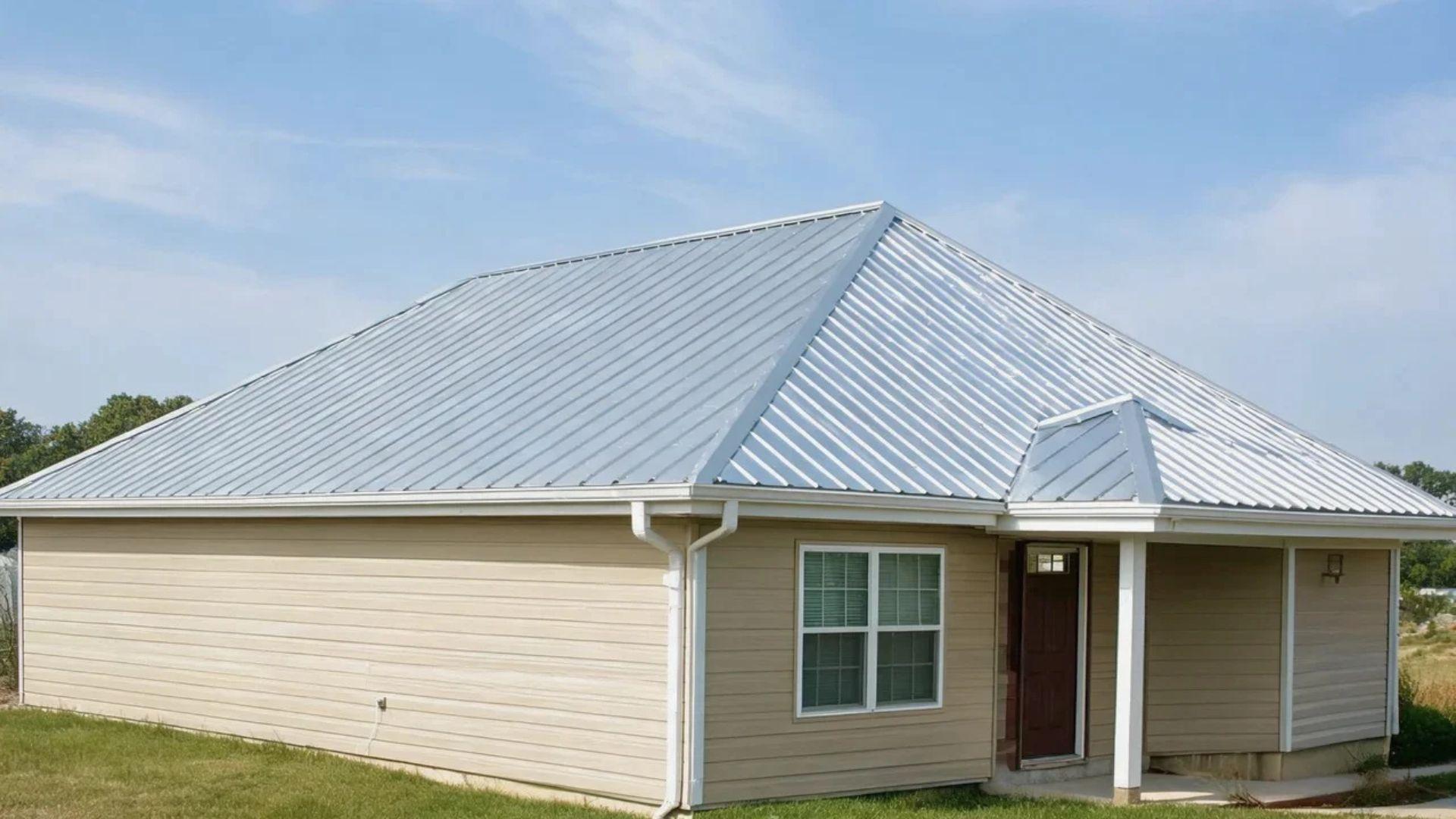
A homeowner pricing a metal roof has few neighbors to compare against, since this Old House data puts metal on only about 11% of homes.
That leaves the average cost of metal roof on 1600 square foot homes open to guesswork, and quotes for the same house can differ by thousands of dollars without anyone padding the bill.
The gap usually comes from what each contractor measured and what each bid includes, not from the house.
Sorting that out before you sign keeps you from comparing numbers that were not built the same way.
First, the headline figure.
What Is the Average Cost of Metal Roof on 1600 Square Foot Homes?
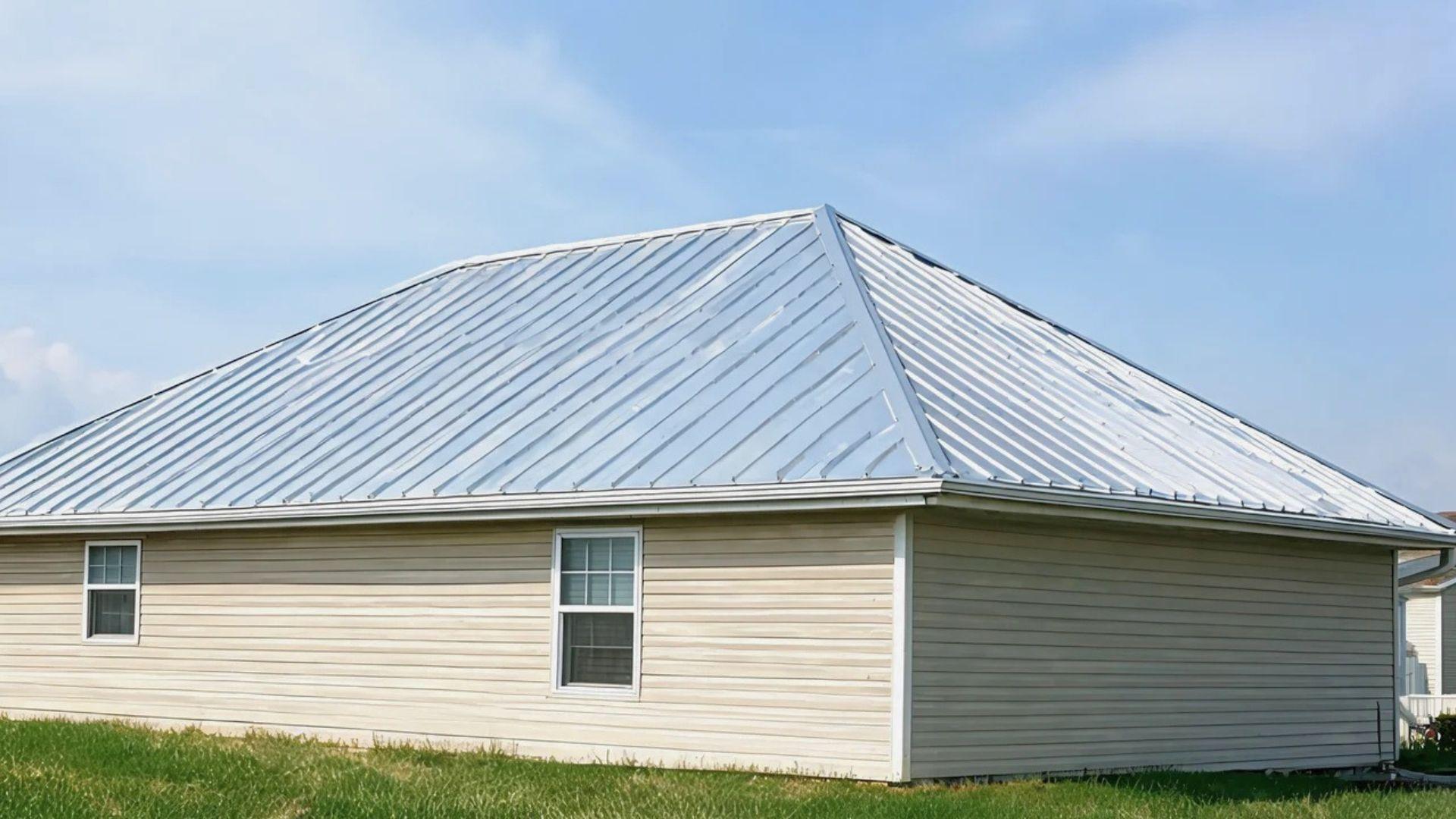
A metal roof on a 1,600 square foot home costs about $11,000 to $30,000 for steel or aluminum in 2026, and roughly $30,000 to $57,000 for copper.
Those totals come from multiplying published per-square-foot prices by a roof of about 1,900 square feet, the working size this guide uses for a one-story house with that floor area.
Published averages disagree because they cover different materials, roof sizes, and mixes of one- and two-story homes, as these figures show:
- $14,096 is the average for a metal roof on a 1,600 square foot home, according to This Old House’s roof estimate.
- $7,182 and $9,343 come from the same estimate, covering asphalt shingles on that home and all roofing materials blended.
- $5,500 to $15,500 is a general average range from NerdWallet’s metal roof cost page, updated September 2025, with no roof size stated.
Most of the per-square-foot prices behind NerdWallet’s range imply higher totals on a roof this large.
Any number quoted as the cost to replace a roof on a 1,600-square-foot house also blends inexpensive shingles with metal, so check which material it covers.
A third source of confusion is pricing by floor area instead of roof surface, a gap the rest of this guide closes.
Most of that gap starts with the metal itself, so the next step is pricing each type on a roof this size.
1600 Sq Ft Metal Roof Cost by Metal Type
Corrugated metal runs about $7,600 to $13,300 on a 1,600-square-foot home, while standing seam runs about $15,200 to $26,600, based on a 1,900-square-foot roof.
The table applies NerdWallet’s per-square-foot ranges to that same roof area.
| Metal or Style | Price per Sq Ft | Estimated Total |
| Corrugated metal | $4 to $7 | $7,600 to $13,300 |
| Metal slate (stone coated) | $5 to $12 | $9,500 to $22,800 |
| Steel | $6 to $16 | $11,400 to $30,400 |
| Zinc | $6 to $10 | $11,400 to $19,000 |
| Aluminum | $8 to $12 | $15,200 to $22,800 |
| Standing seam (aluminum or zinc-coated steel) | $8 to $14 | $15,200 to $26,600 |
| Copper | $16 to $30 | $30,400 to $57,000 |
Panel profile, fastener system, and labor drive most of the difference, since hidden-fastener systems typically cost more than exposed ones.
Zinc is the row to double-check, because This Old House lists it at $14 to $20 per square foot in its own metal roof guide, well above NerdWallet’s $6 to $10.
NerdWallet’s table also does not say what each price includes, which is another reason to compare bids line by line.
Standing seam sits at the higher end of the range, and standing seam metal pricing shifts a lot depending on tear-off, deck work, and finish.
Even after the metal is picked, two quotes for the same type can sit thousands of dollars apart, and the roof’s own shape is the usual reason.
Why Do Metal Roof Quotes Vary So Much on the Same Size Home?

A 1,600 square foot home usually has about 1,800 to 2,000 square feet of actual roof surface, and contractors price that surface, not the floor area.
A $25,000 bid works out to about $13.16 per square foot of roof at 1,900 square feet, but it looks like $15.63 if someone divides it by the 1,600 square feet of floor.
How Roof Pitch and Overhangs Turn 1,600 Into 1,900 Square Feet
Pitch comes from the framing, whether rafters or one of the common roof truss types, and it stretches a flat footprint into a sloped surface.
The math for a one-story 1,600 square foot home works out like this:
- Pitch multiplier: A 6/12 roof multiplies footprint area by 1.118, which turns 1,600 square feet into about 1,789 before any overhang.
- Overhangs: One-foot eaves on a 40-by-40-foot footprint make it 42 by 42, and the roof reaches about 1,970 square feet.
- Working figure: 1,900 square feet sits inside the 1,800 to 2,000 range, so it is the number this guide uses. It leans conservative, so totals run about 5% higher if your roof measures closer to 2,000.
- Steeper roofs: An 8/12 pitch raises the multiplier to 1.202.
The stories matter as much as the slope.
This Old House’s model gives a one-story 1,500 square foot home about 1,874 square feet of roof and a two-story home of the same floor area about 973.
The same conversion applies if you are pricing a 1,500 sq ft metal roof or a 2,000 sq ft house.
Which Add-Ons and Labor Costs Move the Final Price
Complexity matters as much as panel price, and these are the main items that push a bid up:
- Labor: It can reach two-thirds of a metal roof’s cost, according to NerdWallet.
- Steep pitch: It calls for special equipment that adds to the bill.
- Hidden fasteners: They cost more than exposed ones.
- Underlayment: An old one that cannot stay under metal becomes another line item.
- Tear-off, flashing, trim, and decking repairs: These can appear as separate charges, so ask which are bundled.
Budget a cushion for surprises as well.
In This Old House’s 2026 roofing survey of homeowners across all roof types, 79% said the final cost matched their expectations, 14% paid more than expected, and about a quarter named hidden or unexpected damage as a major cost factor.
With the price drivers laid out, the next question is whether the extra money buys anything back on a house this size.
Is a Metal Roof Worth the Higher Price for a Home This Size?
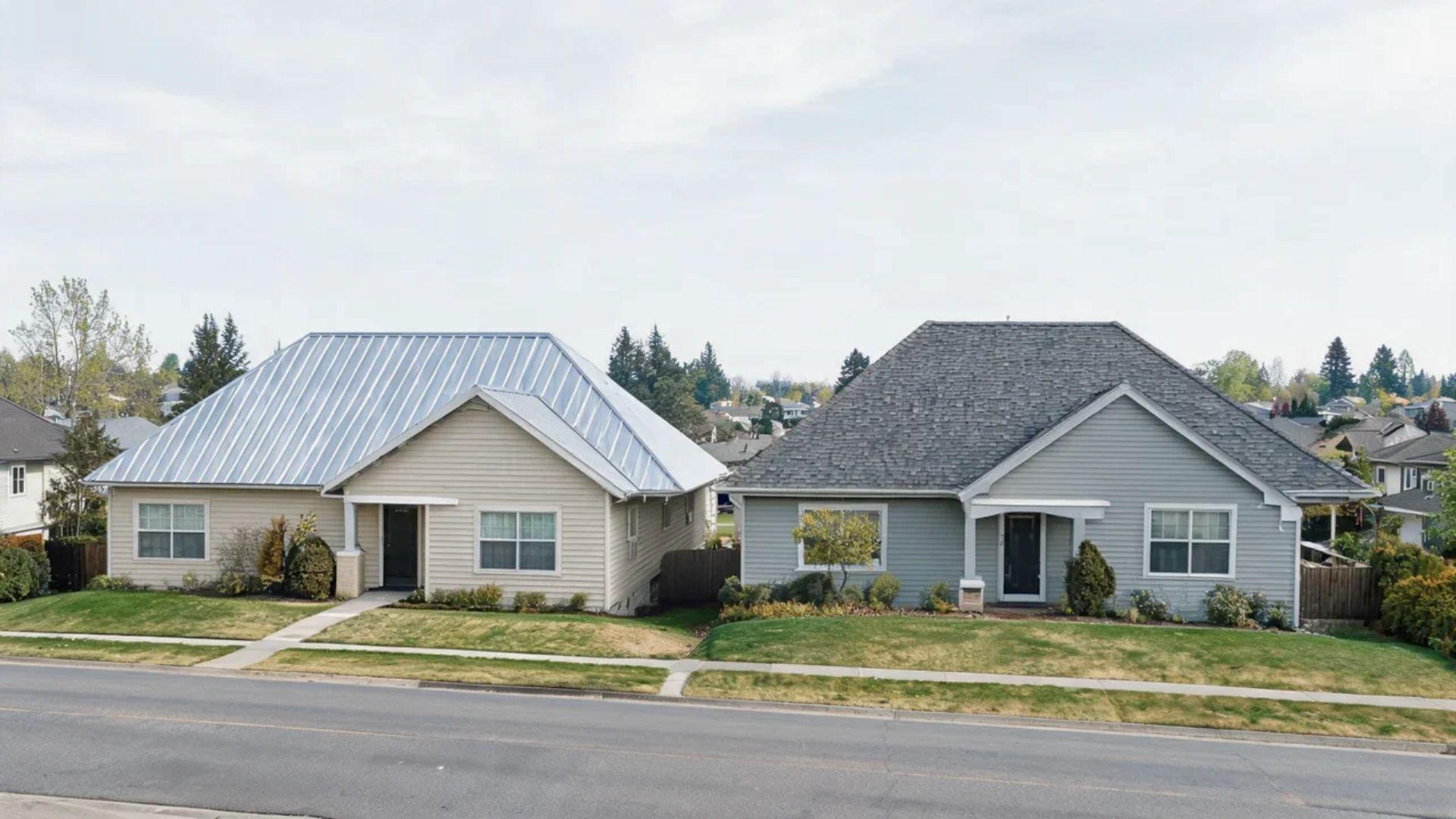
A metal roof usually costs more than shingles up front and pays off mainly for owners who plan to stay long-term.
On a 1,600-square-foot home, This Old House’s averages put metal at nearly twice the asphalt price. NerdWallet puts shingle life at 15 to 25 years and metal at up to 50.
At the long end of shingle life, two asphalt roofs at $7,182 cost about $14,364 over 50 years, close to one metal roof at $14,096, before inflation, tear-off or financing. Selling early or choosing standing seam tilts it back.
Insurance can narrow the gap, but not by default. The Metal Roofing Alliance, an industry trade group, says a metal roof may cut premiums by 5% to 35%.
The Texas Department of Insurance notes that each insurer sets its own discount, with Class 4 impact-rated roofing earning the highest credit.
Ask your insurer whether the policy excludes cosmetic damage such as hail dents, and get the terms in writing.
The trade-offs are real too: Louder rain and hail, denting on certain metals and loosening fasteners, according to NerdWallet, plus resale recovery that varies by market.
If the numbers still hold up, the next job is comparing bids on equal terms.
How to Check a Metal Roof Quote Before You Sign
The fairest comparison is price per roofing square with the same scope of work in every quote.
A square is 100 square feet, so a 1,900-square-foot roof is 19 squares, and a $21,000 bid works out to about $1,105 per square, or $11.05 per square foot.
Four checks keep bids comparable:
- Ask each contractor for the measured roof area in squares and the price per square, then compare bids at that unit.
- Confirm what the price includes: tear-off, underlayment, flashing and trim, panel gauge, fastener type, and warranty terms.
- Ask how decking repairs get priced if rot turns up, and get the answer in writing.
- Request a written explanation for any bid that sits far from the others.
Check each bid against the metal type table: standing seam at $8 to $14 per square foot is $800 to $1,400 per square, so $1,105 falls inside it.
A bid far below that band may be pricing exposed-fastener panels against hidden-fastener standing seam, which is a difference in product, not a bargain.
When comparing warranties, look for separate coverage of the substrate, workmanship, finish, and weathertightness, since NerdWallet lists those four areas.
Run those checks on every bid, and most of the spread between them will have an explanation.
Measure the Roof First, Then Price It
The average cost of metal roof on 1600 square foot homes is less than a single number as a result: Roof area times a price per square, adjusted for pitch, scope, and metal.
Most quotes leave out the area itself, and once you have it, the spread between bids stops looking random.
Measure first, hold every bid to the same scope, and weigh the upfront price gap against how long you plan to stay.
Before you call anyone, ask each contractor for your roof’s measured squares in writing, then request three quotes built on the same scope of work.
Frequently Asked Questions
Do HOAs Allow Metal Roofs?
Some do, and some don’t, since certain associations ban metal over glare and appearance, according to NerdWallet. Get your HOA’s roofing rules in writing first.
How Long Does It Take to Install a Metal Roof?
This Old House puts a typical roof replacement on a 1,600-square-foot home at one to three days. Metal often runs longer, so ask for a written schedule.
What Time of Year Is the Cheapest to Replace a Roof?
Winter demand usually drops, which can lower quotes, though savings depend on your climate. Ask installers how they handle cold-weather work.
Do Metal Roofs Save Energy?
They can, since metal reflects heat and may keep a home cooler, according to NerdWallet. Savings depend on climate and insulation, so ask for the panel’s solar reflectance rating.