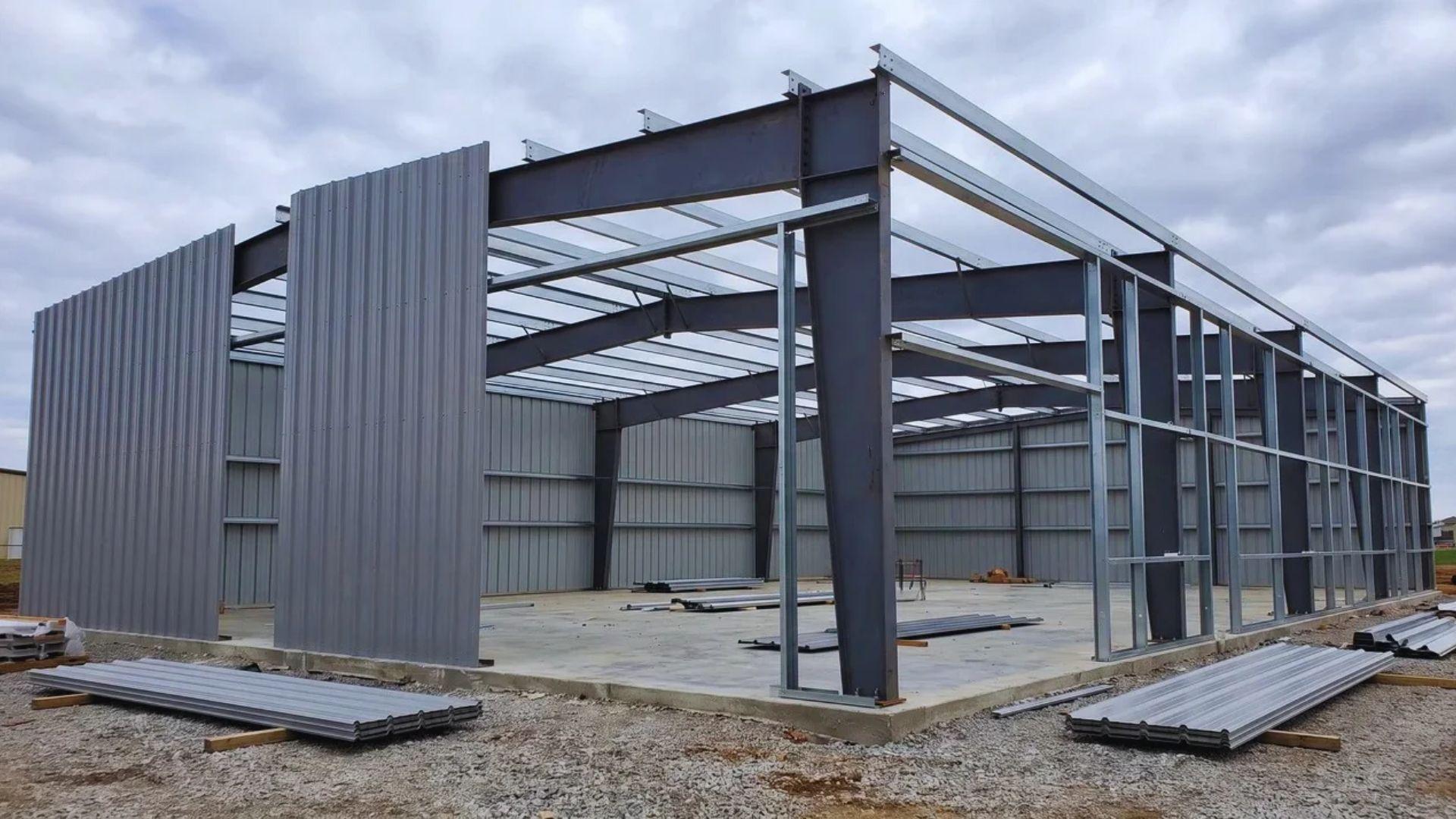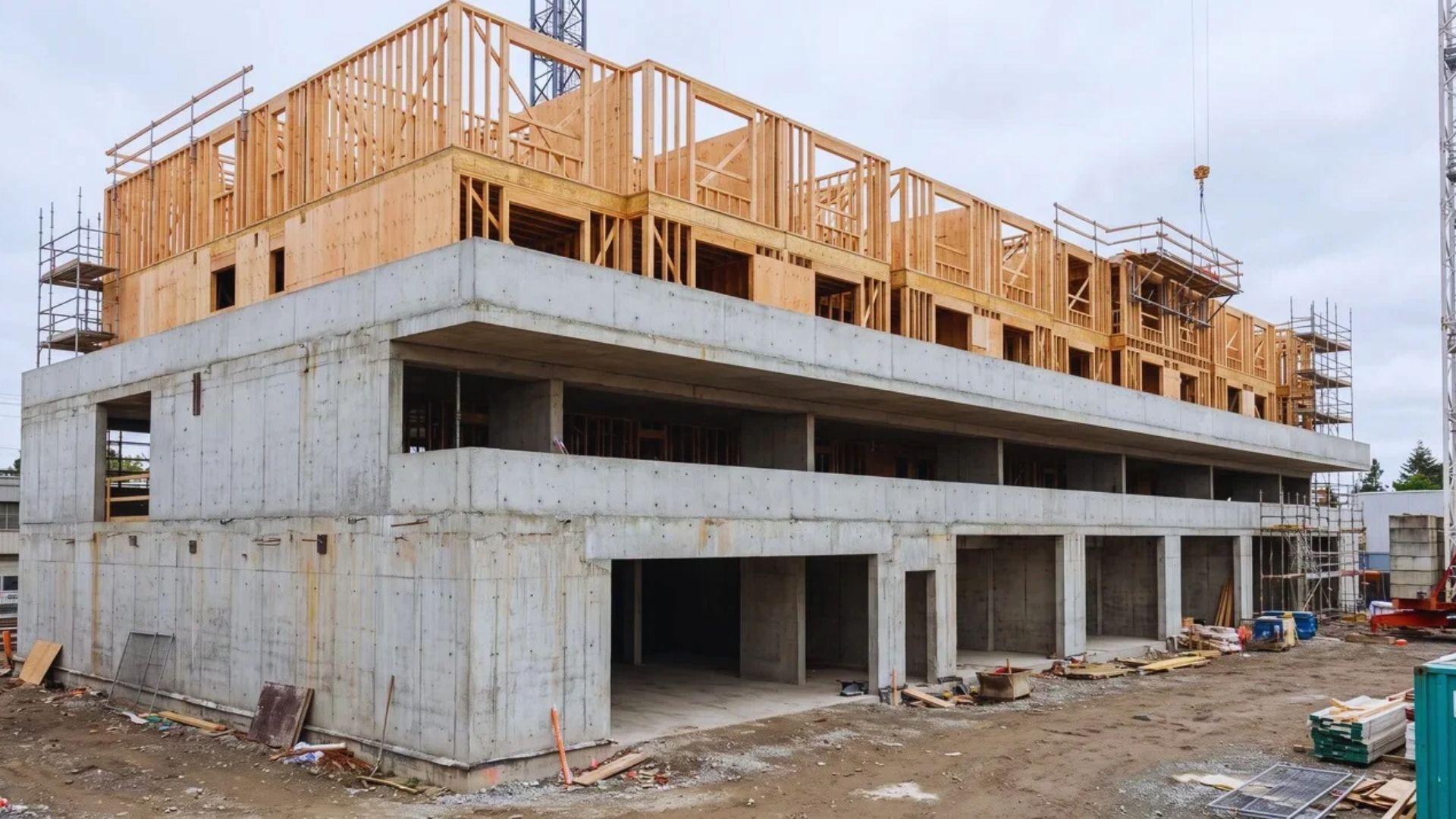
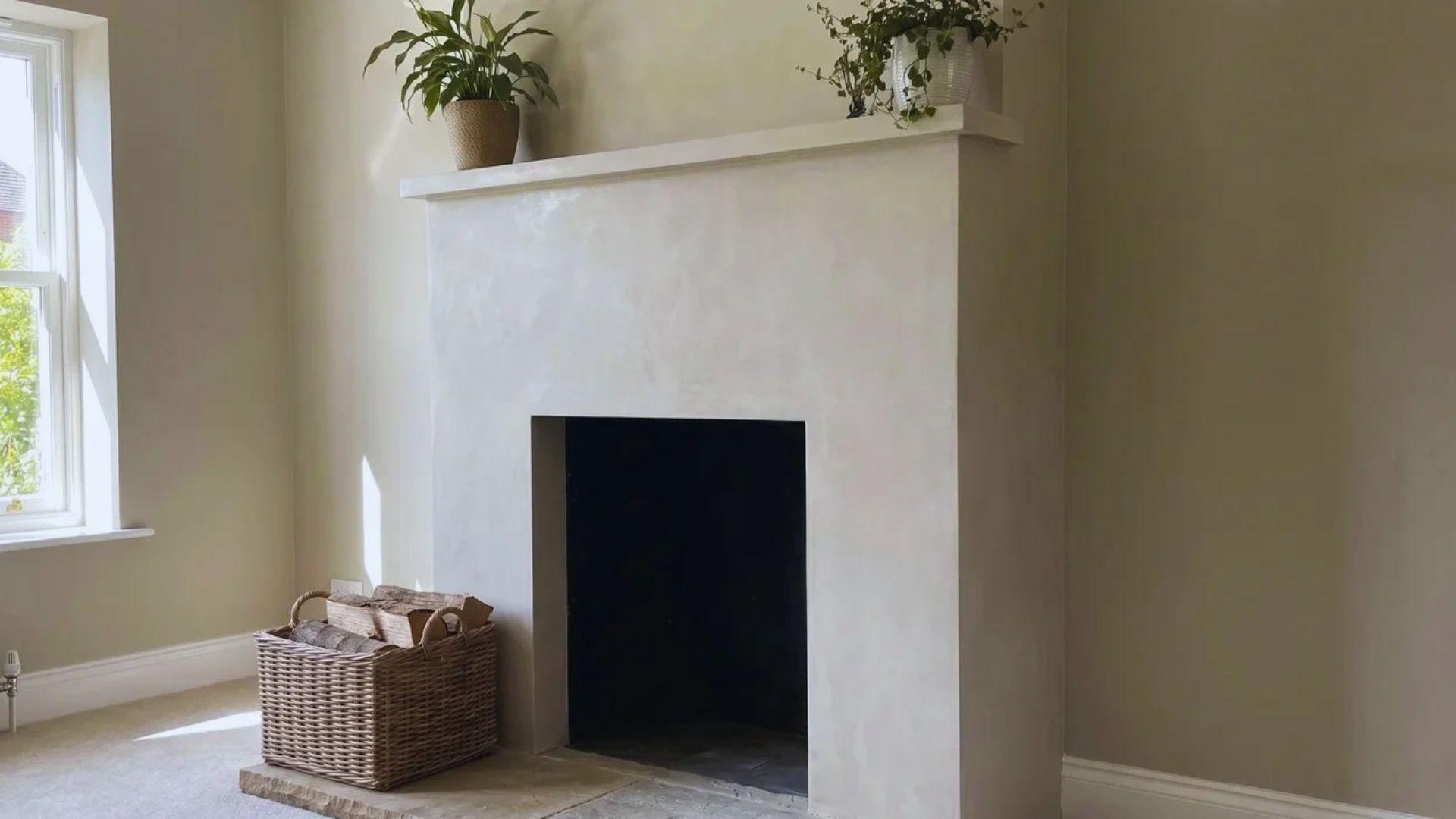
A Venetian plaster fireplace works well when the plaster is genuine lime-based material, and the base beneath it is built for heat.
The plaster itself does not burn, so the real limits sit in the framing, board, or masonry behind it.
That shifts where the planning effort belongs: The finish is seldom the weak point, and the surface under it is.
Get the base right, and choosing a look, a budget, and an installer gets easier. Start with how masonry fireplace construction handles heat, and what lime plaster adds to it.
Does a Venetian Plaster Fireplace Hold Up to Heat?
Genuine lime-based Venetian plaster tolerates the heat around a fireplace surround because it is a noncombustible mineral finish made from slaked lime and marble dust.
The limit sits behind it, since wood framing and drywall paper are combustible, and acrylic-modified products behave differently from lime, so the base and the product both need to suit the firebox.
Lime plaster hardens by taking in carbon dioxide from the air and turning back into calcium carbonate, the mineral in limestone, which is why it behaves like stone and not like paint.
That chemistry explains the heat tolerance, but it says nothing about the board or studs underneath, which are what the clearance rules protect.
Code sets those limits, and these are the ones to check before framing anything:
- Mantels and trim: According to JLC’s fireplace mantel clearance guide, the 2018 International Residential Code keeps exposed combustible mantels and trim at least 6 inches from the opening of a masonry fireplace. A wood Venetian plaster fireplace mantel falls under the same limit.
- Projection: Combustible material within 12 inches of the opening cannot project more than 1/8 inch for each inch of distance from the opening.
- Factory-built and gas units: These follow the manufacturer’s installation manual, which can be stricter than the masonry rules.
- Code edition: Cities adopt different code editions, so confirm yours before framing anything.
- Surround material: Installers commonly use cement board near the opening.
If your surround is currently exposed brick, the base needs extra work first, and plastering over brick fireplaces starts with a bonding agent and leveling coats.
Plaster Fireplace Surround Ideas and Finishes
A plaster fireplace surround starts with a finish choice, because the look depends on the plaster type.
The finish also sets how much labor the project needs, which the cost section below prices.
Plaster Finishes to Choose From
Three finishes cover most fireplace surrounds, and only the first two are lime-based Venetian plasters.
1. Marmorino
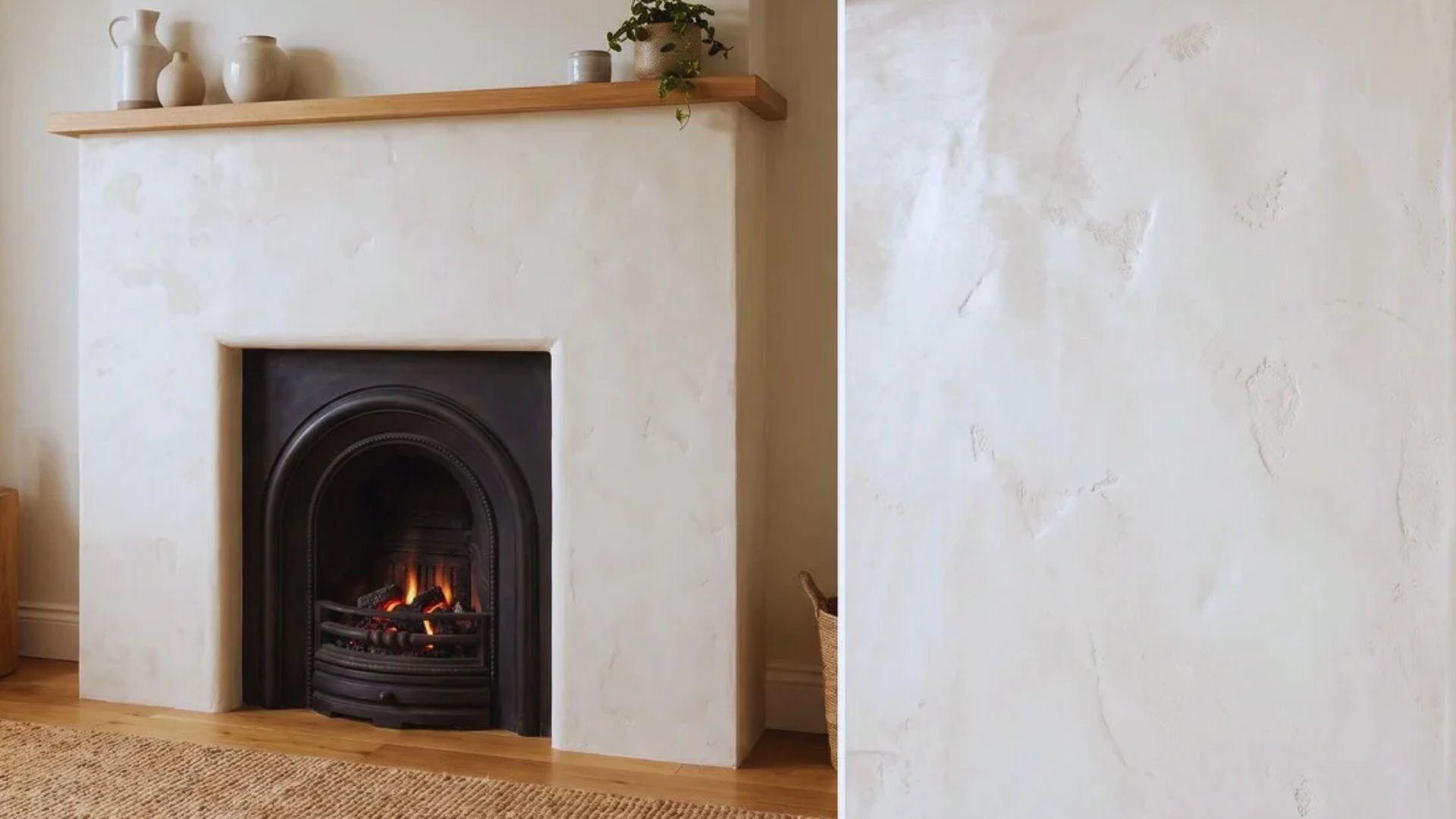
Marmorino is lime with marble powder or sand, sold in grades from fine to coarse, and Vasari Lime Plaster & Paint treats it as part of the wider Venetian plaster family.
Vasari also notes that it needs fewer layers than polished Venetian plaster, has a more rustic appeal, and hides minor wall imperfections better because of its texture.
- Look: A soft, stone-smooth sheen. Left unburnished, Venetian plaster dries to a rough, matte, stone-like surface.
- Suits: Classical and transitional rooms.
- Application: Silk Plaster describes a first coat that forms the swells that become the marble veining, followed by a tight, thin second coat compacted under pressure as it sets.
- Heat note: Being lime-based, it fits the heat guidance above when the base behind it is right.
2. Stucco Veneziano
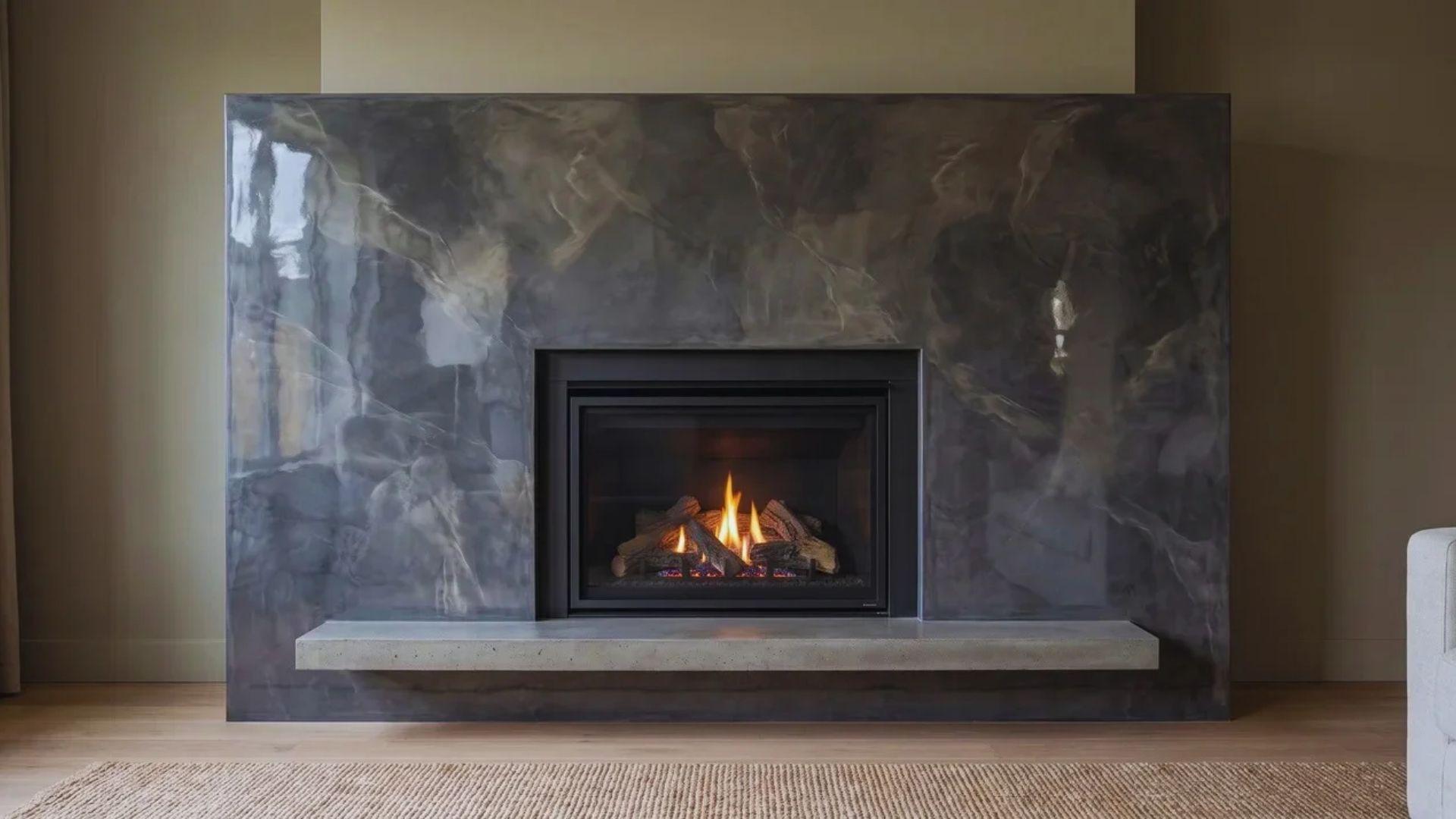
Stucco Veneziano is lime paste with fine marble dust, and it is the most reflective of the three finishes.
Vasari describes it as more time-consuming than Marmorino, with more layers and more intensive burnishing, and says it typically costs more because professional installation runs higher per square foot.
- Look: A polished, translucent, marbled sheen.
- Suits: Sleek feature walls where the fireplace is the focal point.
- Effort: Timing, pressure, and trowel angle shape the sheen, so it leans toward hiring a plasterer.
- In practice: One Houzz project by Paper Moon Painting faced a dated brick fireplace with sheetrock and finished it in Venetian plaster to imitate Calacatta Gold marble.
3. Microcement
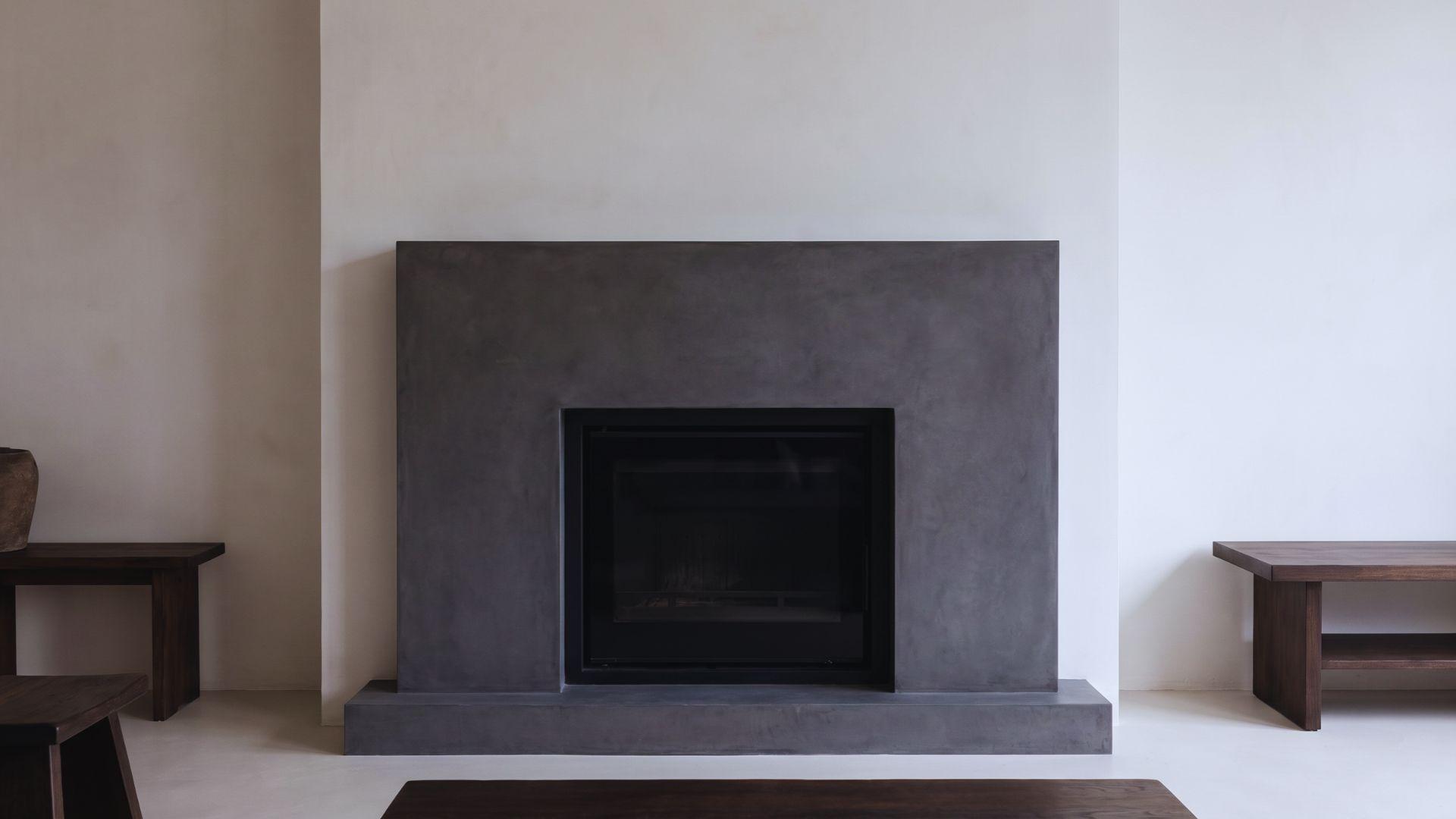
Microcement has a cement-polymer resin base, so it is a related look and not a true Venetian plaster.
It gives a rugged, flat, matte surface that imitates industrial concrete, and design coverage lists it for contemporary minimalism and crisp, zero-clearance edges.
- Look: A flat, matte, concrete-like finish.
- Suits: Minimalist rooms with sharp edges.
- Heat note: Confirm its heat rating on the technical data sheet, since the binder differs from lime.
- Ask the maker: Whether the data sheet lists a fireplace surround as an approved use, and which base it requires.
Design Styles for the Surround
Four styles cover most plaster fireplace surround ideas, and each one carries a different level of effort.
1. Soft Matte Minimalist
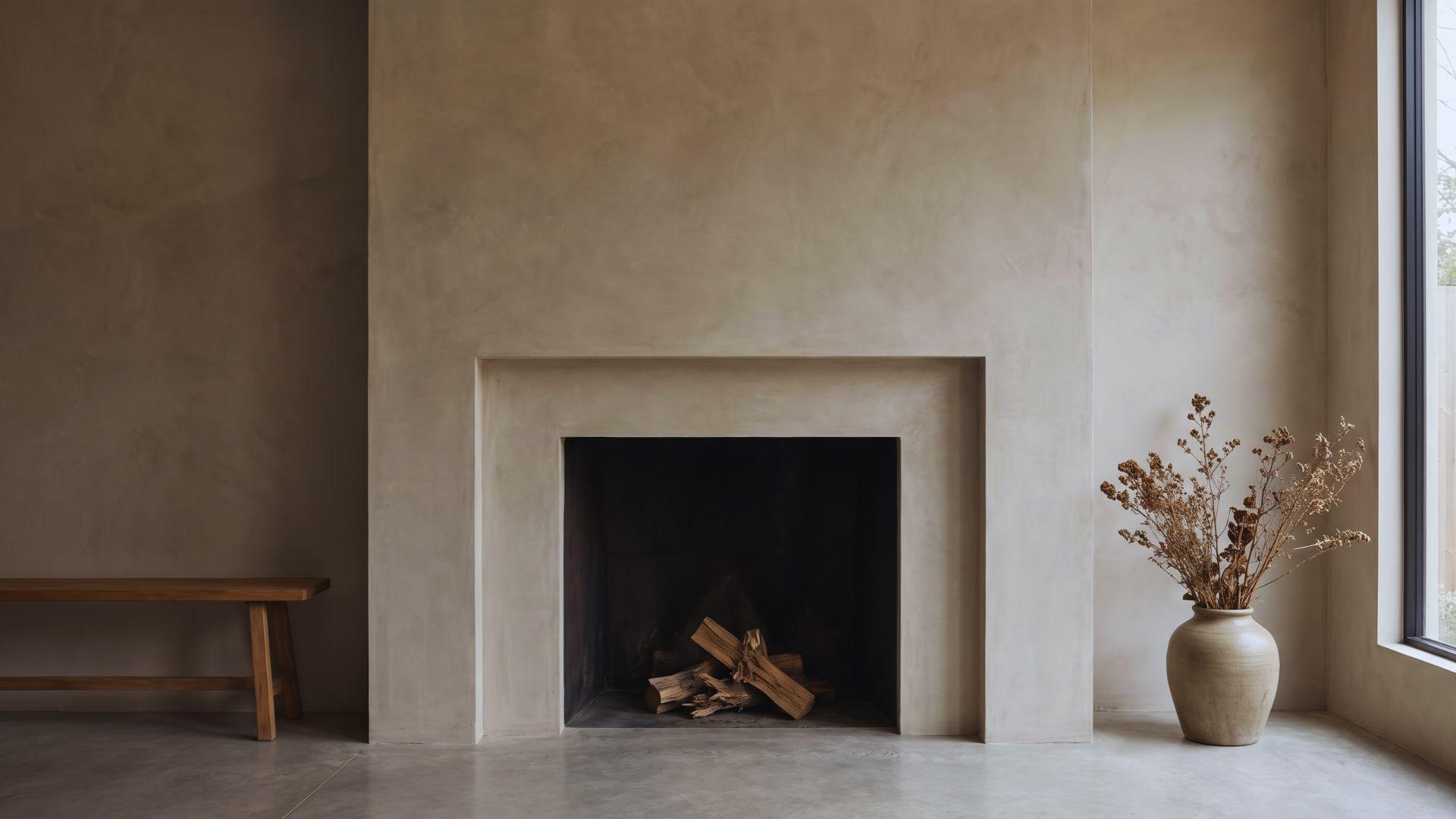
Low-sheen greige, warm white, or earth tones keep a living room calm and understated.
The finish reads as a quiet texture and not as a shiny surface, so it suits rooms where the furniture and art carry the color.
- Suits: Organic modern and Scandinavian-style rooms.
- Best finish: Marmorino, which needs less intensive finishing than polished plaster.
- Technique: A matte result comes from light burnishing or none, since unburnished Venetian plaster dries to a stone-like matte surface.
2. Full-Height Architectural Wall
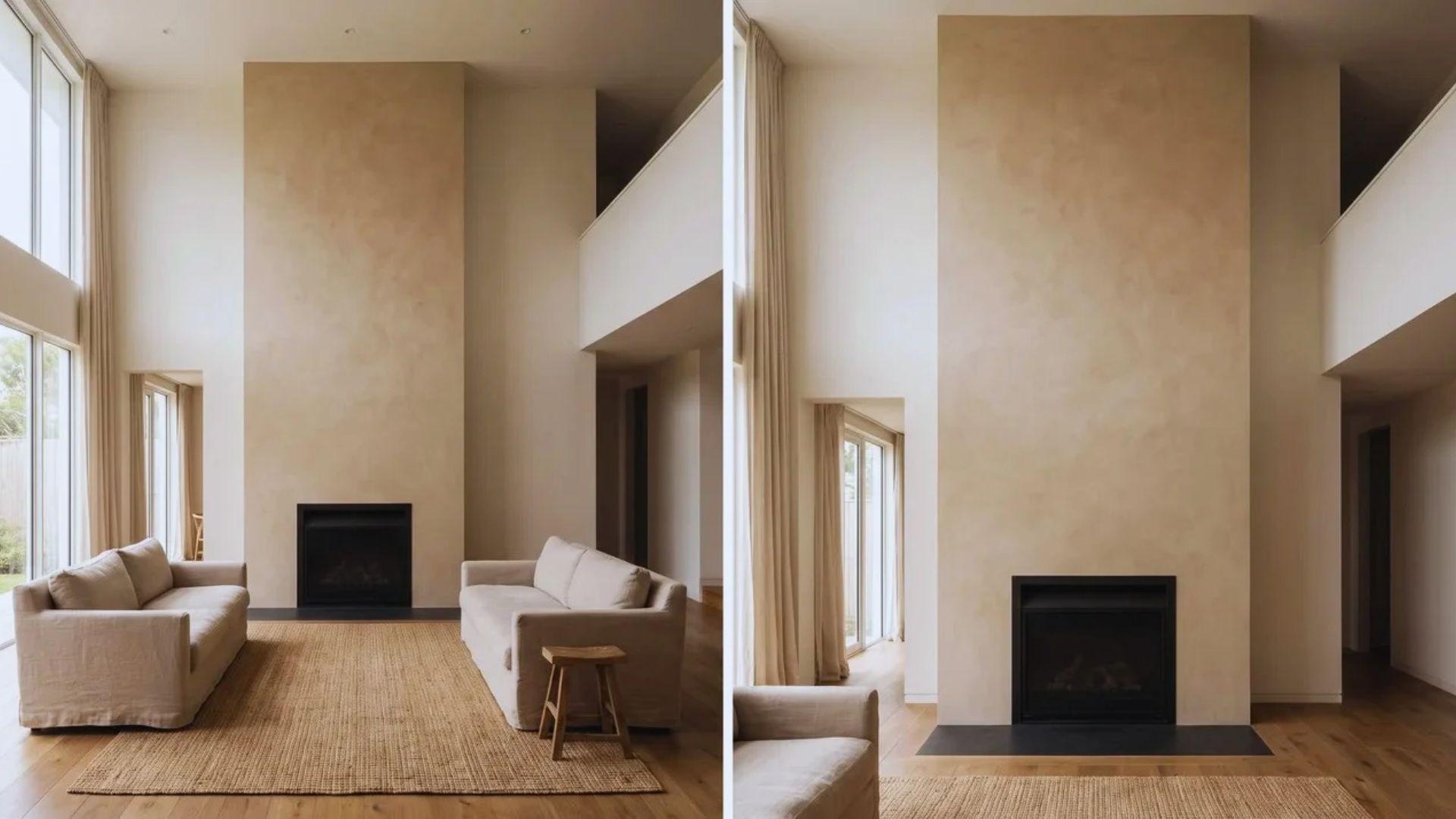
The plaster runs from the floor to the ceiling instead of stopping at the mantel, which anchors high-ceilinged and open-concept rooms.
The chimney breast becomes one continuous plane, so any flaw in the base shows across a large area.
- Cost: At Angi’s $10 to $25 per square foot, a 40-square-foot surround runs $400 to $1,000, while a 150-square-foot chimney breast runs $1,500 to $3,750.
- Planning: Set mantel and trim clearances before the plaster goes up.
- Finishing: Work the full plane in one session so the joins do not show.
3. Sculptural Curves and Arches
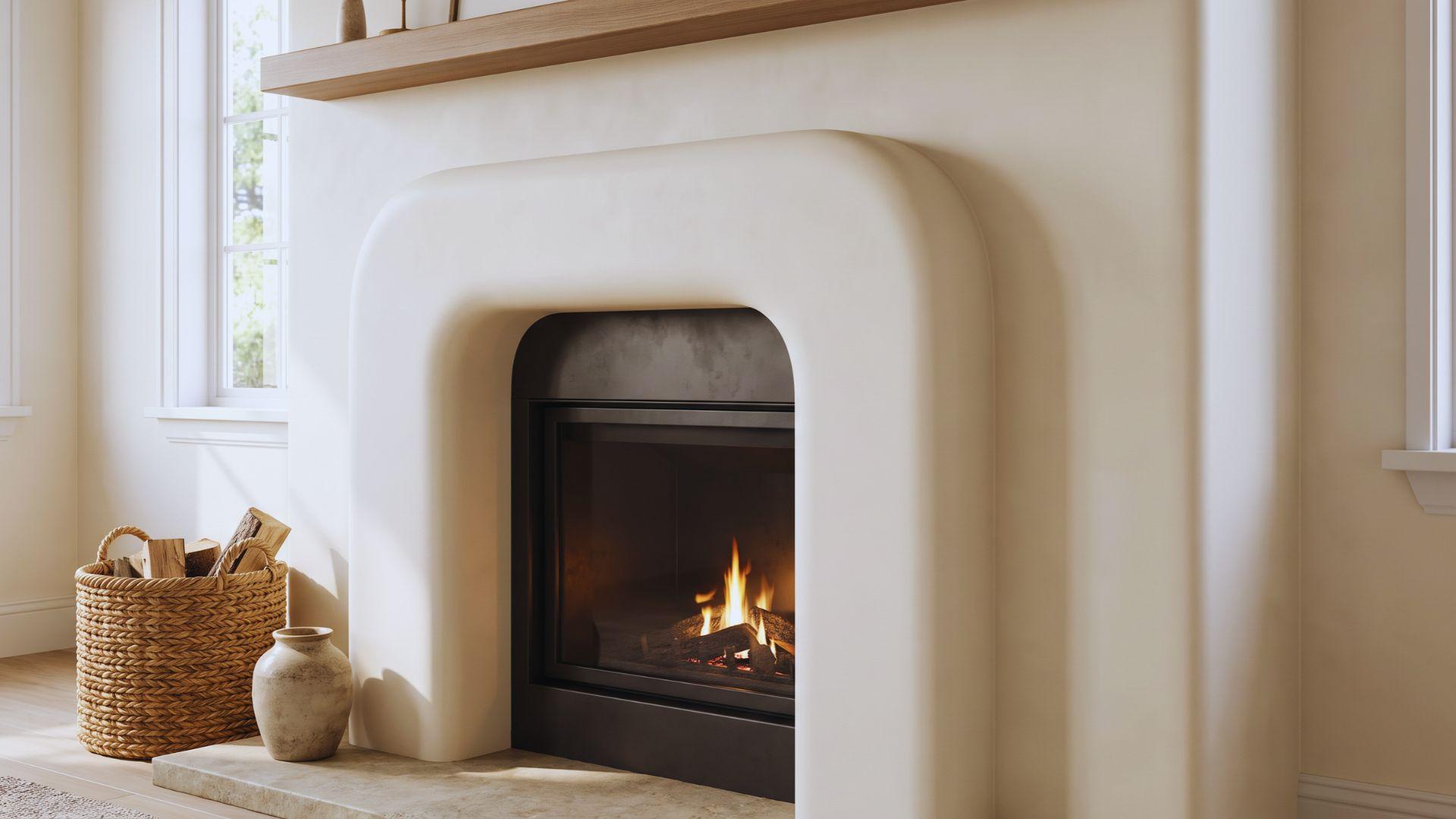
Plaster follows contours without seams, so it works for soft Roman arches, curved bullnose corners, and custom sculptural hoods.
Because the coats are thin, the shape of the framing or substrate is the shape you see, so rounded edges must be built and flattened before priming.
- Framing: It has to be built to the curve before any plaster goes on.
- Skill: Burnishing a curve is harder than burnishing a flat wall, and mistakes show.
- Hiring: This is the idea most likely to push a project toward a plasterer.
4. Industrial Concrete Look
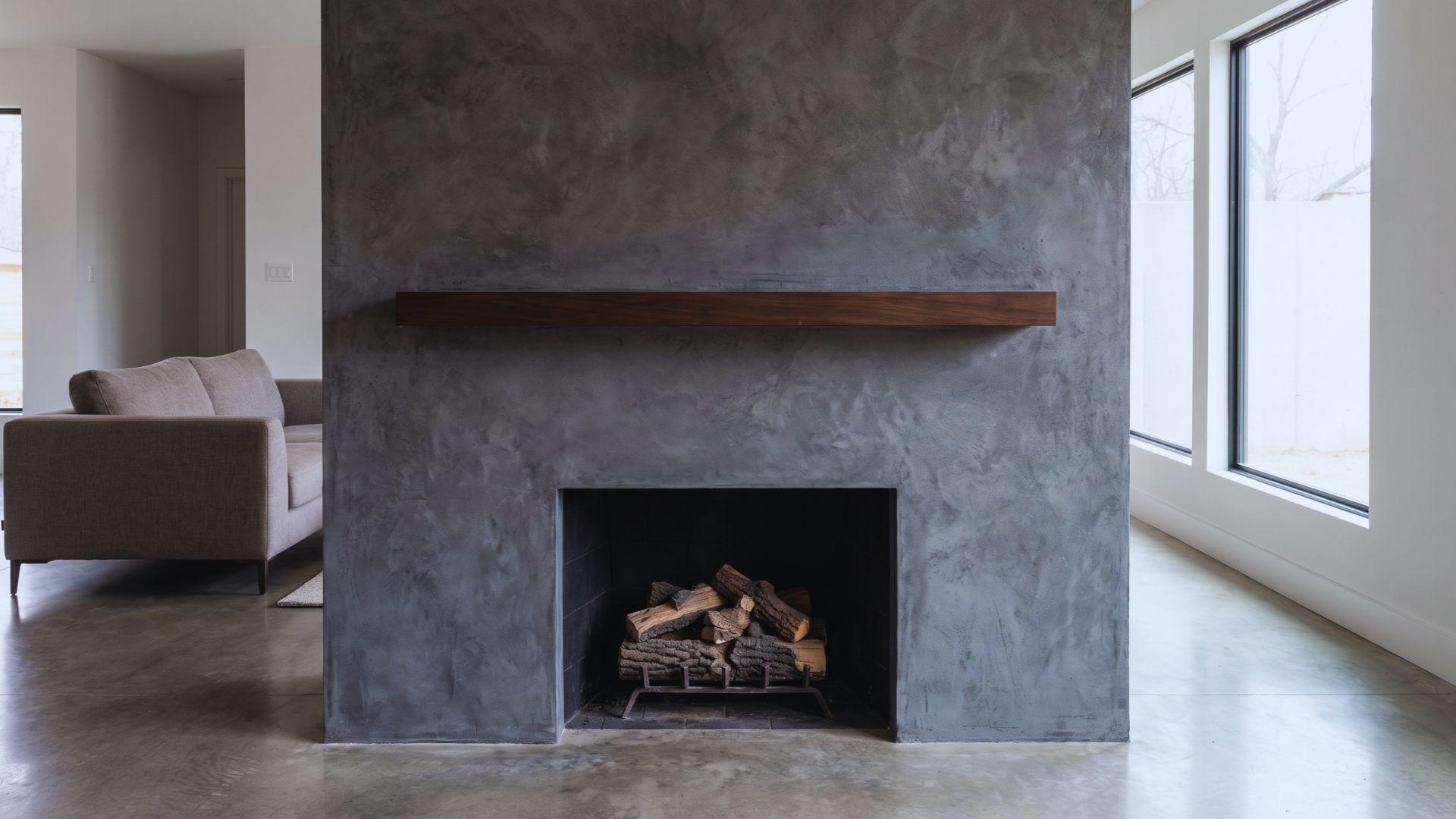
Darker grey plaster with a coarse aggregate reads like raw or polished concrete block. A coarse grain scatters light, so the surface looks nearly uniform with soft shading and little shine.
- Lime route: Stucco Italiano’s data sheet for its coarse Marmorino lists a 700-micron grain and describes the result as having little gloss and gentle shading.
- Alternative: Microcement gives a similar look, though it is not true Venetian plaster.
- Color: Dark grey and charcoal tones carry this style best.
Popular Colors for the Surround
Decorfin’s September 2026 roundup lists these colors as popular for fireplace plaster:
- Warm white: Benjamin Moore White Dove (OC-17) is a soft, creamy white that suits firelight. Sherwin-Williams Alabaster (SW 7008) is a slightly warmer, cozier alternative.
- Soft greige: Benjamin Moore Edgecomb Gray (HC-173) is a warm, light gray-beige that works in modern and traditional rooms. Sherwin-Williams Agreeable Gray (SW 7029) is a light, versatile greige that pairs easily with wood mantels.
- Taupe: Benjamin Moore Pashmina (AF-100) is a sophisticated neutral balanced between warm and cool. Sherwin-Williams Mega Greige (SW 7031) is a deeper, earthier taupe that holds up well on textured plaster.
- Charcoal: Benjamin Moore Kendall Charcoal (HC-166) is a classic, dependable dark gray for a dramatic surround. Sherwin-Williams Iron Ore (SW 7069) is a soft black-charcoal that looks sleek with brass or stone accents.
- Espresso: Sherwin-Williams Java (SW 6090) is a rich, earthy brown that makes a cozy focal point. Benjamin Moore Black Beauty (2128-10) is a rich near-black with a hint of warmth for a similar dark, luxe look.
How to Apply Venetian Plaster to a Fireplace
Each stage depends on the one before, so skipped flattening or rushed drying shows up later as cracks or patchy sheen.
Preparing the Surface and Gathering Tools
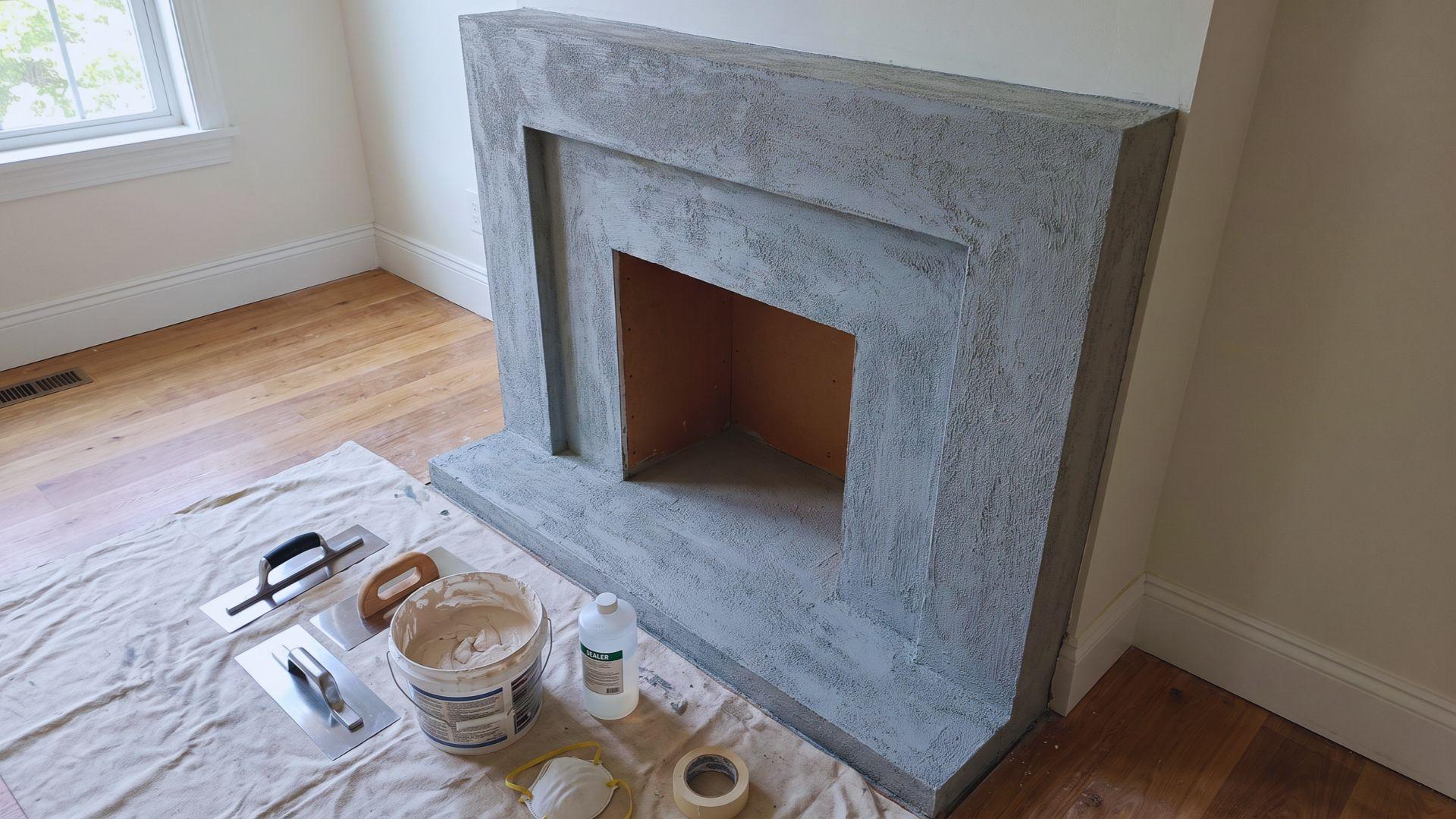
Start with what the fireplace is made of, since each surface needs different prep before any plaster goes on:
- Drywall or wood framing: Add cement board near the firebox opening for heat clearance.
- Brick or stone: Flatten the surface with structural mesh and a skim coat compound, because thin plaster coats follow whatever lies underneath, including mortar joints.
- Cracked brick: Repair or stabilize any step cracks in brick first, since a joint that is still moving can reopen through the finish.
- Tile: Clean the surface and fill the grout lines, and check the product’s data sheet to see whether it accepts tile at all.
Once the base is flat, apply a quartz primer so the plaster has a gritty surface to grip. Some tutorials dilute the first primer coat one-to-one with water, but the label of your product governs.
The toolkit is short:
- A flexible stainless steel trowel for the coats
- A second clean trowel kept for burnishing
- The primer and plaster
- The sealer or wax the manufacturer specifies
Applying the Coats and Burnishing the Finish
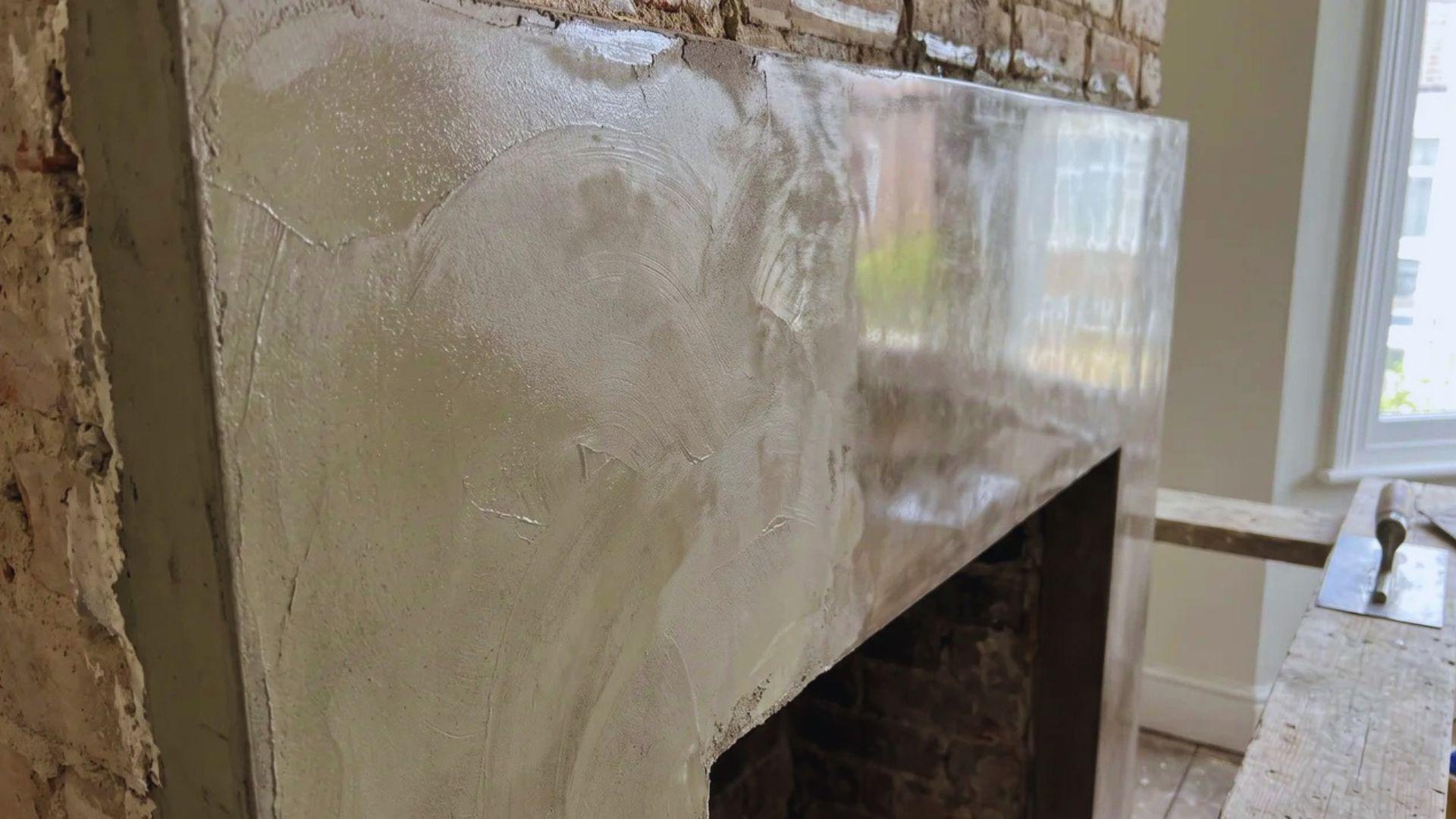
Thin coats are the whole technique, and the order matters:
- Press the first base coat on in a thin, tight layer with the flexible trowel, using short crossing strokes.
- Let it dry fully before touching it again. Many tutorials wait a full 24 hours, but the data sheet sets the real interval, and it varies widely by product. Some lime plasters allow a second coat the same day, while others call for a full 24 hours.
- Apply the second base coat to fill trowel marks and even out the surface.
- Add the thin final coat, changing stroke direction slightly to build soft movement.
- Burnish the final coat with the flat face of a clean trowel while it is still slightly damp, then wax or seal it if the product calls for that.
Watch the surface and not the clock during that last step.
Under firm trowel pressure, the plaster shifts from matte to a smooth sheen, and pressing too early tends to smear it while waiting too long leaves dull patches that are hard to bring back.
Why Plaster Cracks, Streaks, or Stains on a Fireplace
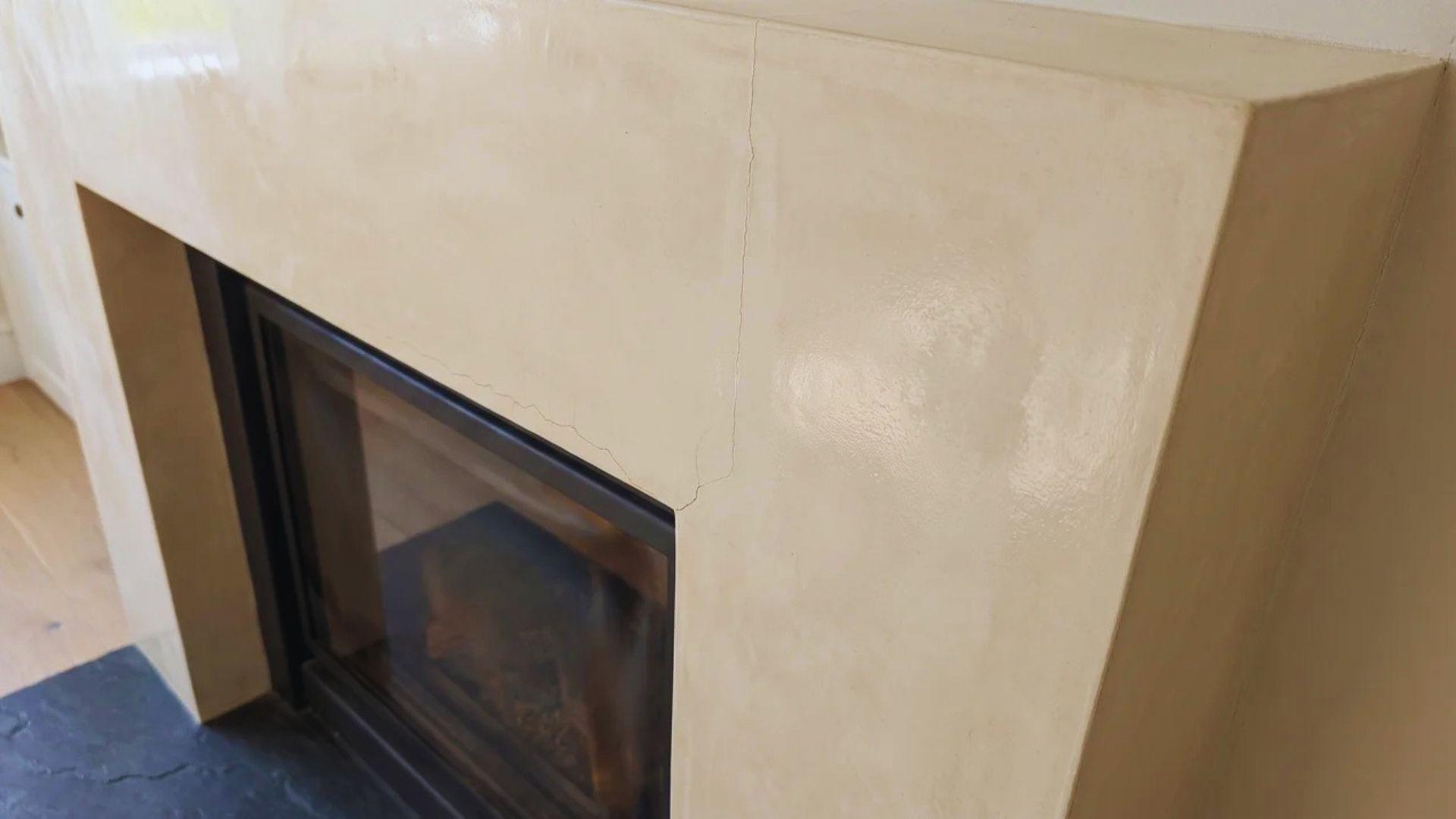
Where a crack appears usually points to why it formed, and knowing which pattern you have helps you decide whether you re-prep the base or only recoat.
| Where the Crack Appears | Likely Cause | What to Do |
| Hairline cracks around the firebox perimeter | Heat movement between the opening and the surround, or a base that was never meant to flex there | Re-check the base and clearances before recoating |
| Lines along cement board seams or brick joints | The surface was not flattened or reinforced, so the seam moved | Flatten and reinforce the seam, then recoat |
| A web of fine cracks across an open area | A coat went on before the previous one dried | Let each coat dry fully, then recoat the area |
Streaks and uneven sheen usually come from burnishing pressure and timing that changed across the wall, which is why one person should finish a whole surround in one session.
Smoke staining near a wood-burning opening is a maintenance matter more than a defect, and the wax or sealer the maker specifies governs how it cleans.
Cure time deserves its own check before the first fire.
Lime plaster keeps carbonating after it feels dry, and one Marmorino maker’s lime plaster technical data sheet puts completed carbonation at more than a month, so ask the maker how long to wait before lighting the fireplace.
Venetian Plaster Fireplace Cost: Pro Install Versus DIY
Professional Venetian plaster application costs $10 to $25 per square foot, according to Angi’s Venetian plaster cost guide, which uses 2025 data. At those rates, the size of the project sets the budget:
| Project | Area | Estimated Cost at $10 to $25 per Square Foot |
| Fireplace surround | 40 square feet | $400 to $1,000 |
| Floor-to-ceiling chimney breast | 150 square feet | $1,500 to $3,750 |
Angi puts undyed plaster at $12 to $15 per square foot and colored plaster closer to $25, so a charcoal or espresso finish is likely to price near the top of the range.
Other guides publish lower figures, such as $5 to $15 per square foot at Fixr, so treat any single number as a starting point and measure your own surface.
Doing the work yourself removes labor, which Angi puts at $2 to $20 per square foot, but it adds material cost and the risk of visible mistakes that are expensive to redo.
The surface decides which route fits:
- Hire a plasterer when: The design has curves or arches, or the brick needs flattening before any plaster goes on.
- DIY can work when: The surround is flat cement board in a matte finish, and you are willing to practice on a spare board first.
When you collect quotes, ask for itemized bids that list surface prep, number of coats, sealing, and how the installer will meet the clearance rules for your fireplace, and ask to see photos of finished fireplace work.
Plan the Base Before the Finish
A Venetian plaster fireplace succeeds or fails at the surface beneath it.
Lime-based plaster handles the heat, but the cement board, the flattened masonry, and the code clearances decide whether the finish stays intact.
Choose the finish first, since it sets labor and cost, then prep, prime, apply thin coats, and burnish with patience.
The maker’s data sheet, not how dry the wall looks, sets the cure time.
Your next step is to measure the surround in square feet, multiply by $10 and $25 for a budget range, and request two itemized quotes before you buy materials.
Frequently Asked Questions
Is Venetian Plaster Good for a Fireplace?
Yes. It suits wood-burning, gas, and framed electric fireplace walls when the plaster and base match the unit’s installation manual and clearances before any plaster goes on.
How Much Does It Cost to Venetian Plaster a Fireplace?
Some plasterers bill hourly instead of per square foot, at $20 to $100 per hour according to Angi, so confirm which method a quote uses before comparing bids.
What Are the Downsides of Venetian Plaster?
It demands practiced troweling and several dried coats, and costs more than paint. Repairs are also harder to hide, since patches must match the burnished sheen.
Is Venetian Plaster in Style in 2026?
Yes, Venetian plaster fireplaces still appear in 2026 design roundups. Plaster is harder to redo than paint, so pick a color and sheen you will like for years.