You’re about to order blocks or plan a wall, and the spec sheet says 8 inches. You put a tape measure on the block and get 7⅝. That gap isn’t a mistake.
It’s how the whole sizing system works, and misreading it causes real problems on a job site.
How wide is a cinder block? It depends on which number you’re looking at and why.
This piece explains both, walks through every standard width, and helps you pick the right one before anything gets built.
How Wide Is a Cinder Block?
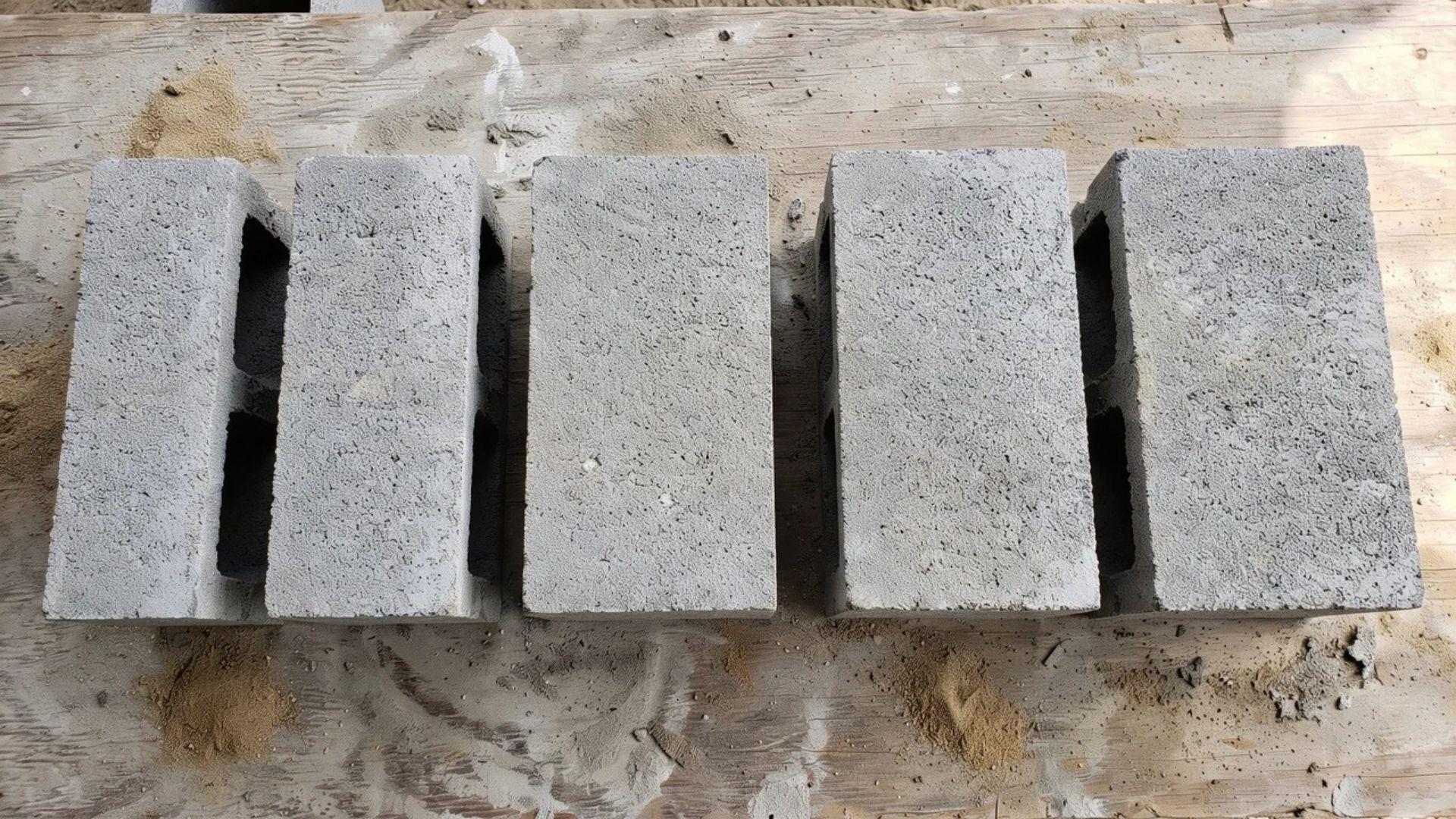
A standard cinder block is 7⅝ inches wide. Its nominal width, the number you’ll see on spec sheets and at the lumber yard, is 8 inches.
Both numbers are correct. They’re just measuring different things.
The ⅜-inch gap isn’t a manufacturing variance. It’s intentional. The industry built that space in so a block plus a standard ⅜-inch mortar joint adds up to exactly 8 inches.
That makes layout math clean on a job site. When you’re planning a wall in 8-inch increments, the numbers work out without any awkward fractions.
That system holds as long as your mortar joints stay at the standard ⅜-inch thickness. Change the joint width and the nominal math no longer lines up.
The block itself hasn’t changed. The planning assumption has.
So when you see 8 inches on a label, that’s the planning number. When you put a tape measure on the block, you’ll get 7⅝ inches. Both are right. Knowing which one applies at which stage saves real mistakes.
Cinder Block Widths: The Full Range and What Each Is Used For
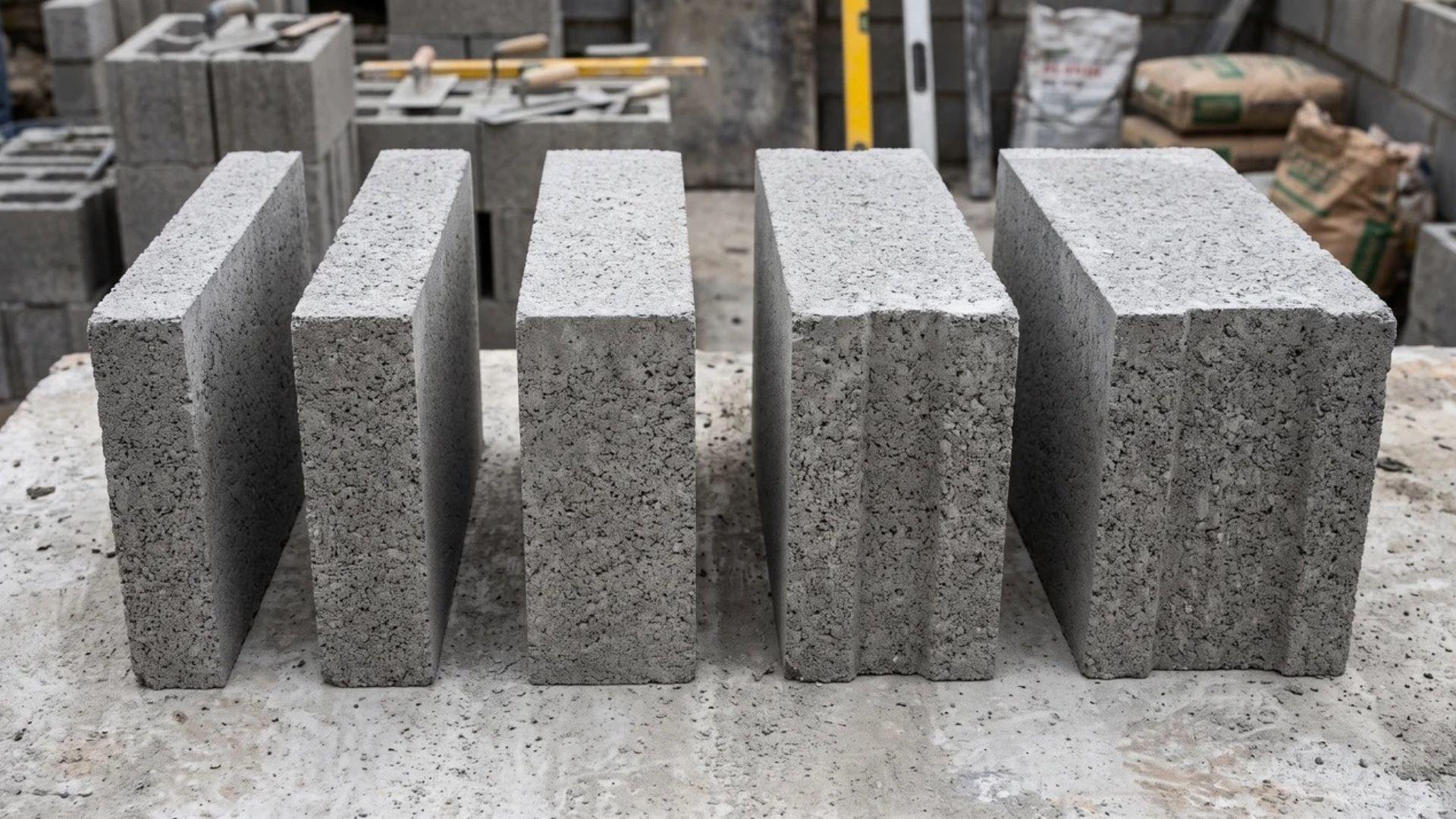
Cinder blocks come in five standard widths: 4, 6, 8, 10, and 12 inches. Each one exists for a reason. The width you choose affects how much load the wall can carry and how thick the finished structure will be.
4-Inch and 6-Inch Blocks
These are partition blocks. They’re built for interior walls that divide space but don’t carry structural load. A 4-inch block keeps the wall slim.
A 6-inch block gives you a bit more mass where sound control matters. Neither is designed to hold weight from above.
8-Inch Blocks (Standard)
This is the block most people picture. It handles typical above-grade residential walls, garden walls, and light commercial applications.
It’s the default because it balances strength, weight, and cost for the most common load conditions.
10-Inch and 12-Inch Blocks
These are heavy-duty blocks built for serious loads. You’ll find them in below-grade foundation walls, retaining walls, and structures where lateral soil pressure is a real factor.
The extra width adds compressive strength and resistance to sideways force. A 10-inch block works for most residential foundations.
A 12-inch block is specified when the load demands more mass.
Treating all five widths as interchangeable is where projects go wrong. The 8-inch block is not a universal answer. Match the width to what the wall actually has to do.
Which Cinder Block Width Is Right for Your Project?
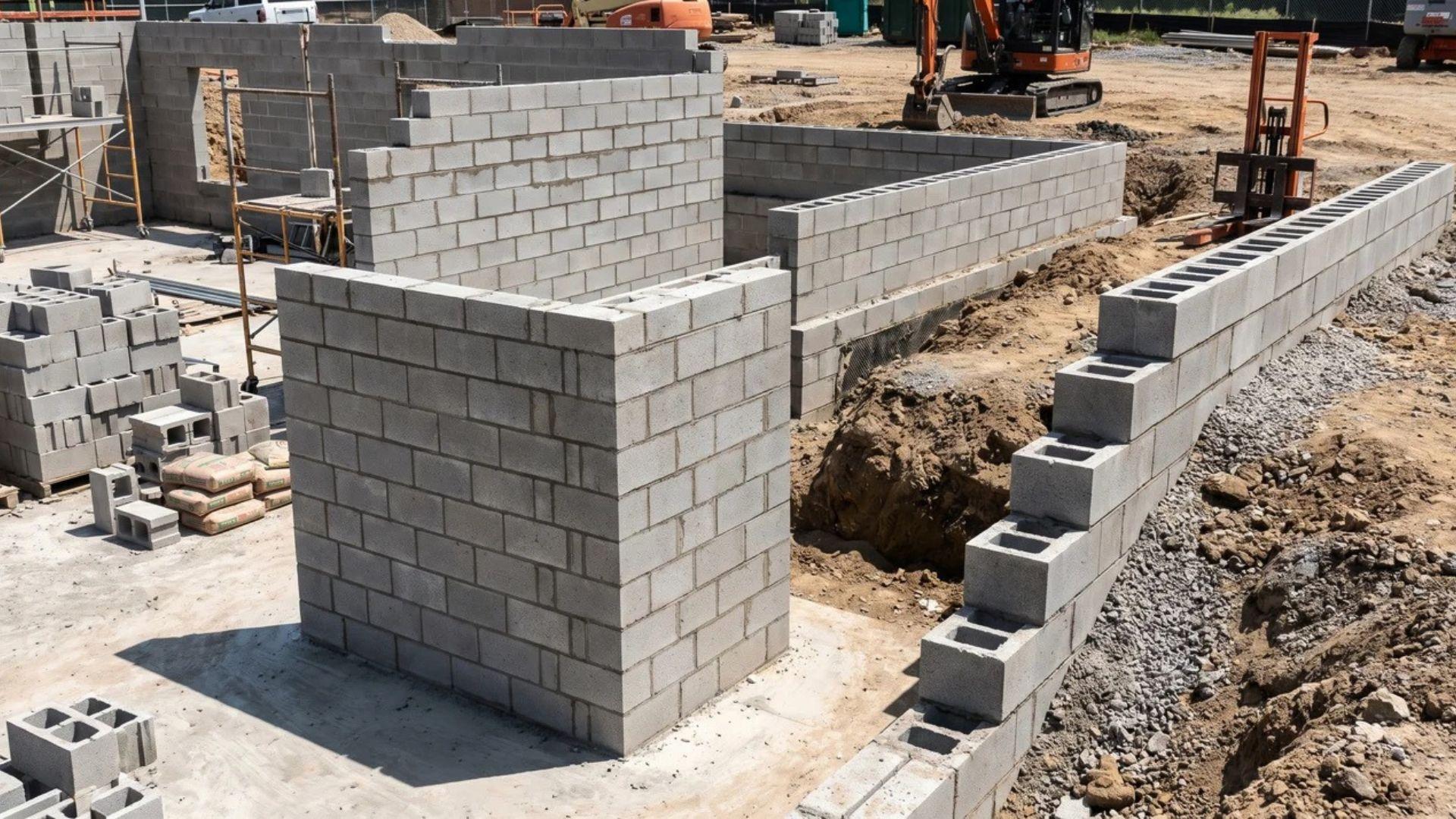
The right cinder block width depends on whether your wall is load-bearing and what structural forces it needs to resist.
That sounds straightforward. In practice, it’s where a lot of people make assumptions they shouldn’t.
The two variables that drive the decision are load type and pressure. A load-bearing wall carries weight from above floors, roofs, and beams.
A retaining wall resists lateral pressure from soil. Width is the dimension that directly addresses both.
What most people don’t realise is that width selection isn’t a personal call. In most jurisdictions, the minimum block width is set by building code or a structural engineer’s calculations.
You’re not choosing from a menu. You’re meeting a specification.
Here’s how the widths map to common applications:
- 4- or 6-inch blocks: non-load-bearing interior partitions only
- 8-inch blocks: standard above-grade residential walls
- 10-inch blocks: foundation walls and retaining walls with moderate soil pressure
- 12-inch blocks: heavy foundation work where load demands more mass
Confirm the requirement with your engineer or local code before you order. Choosing a narrower block to save money can pass early inspection and fail structural review later.
At that point, the wall may need to come down. That cost is never worth the shortcut. If you’re unsure whether your wall is load-bearing, answer that question first. Width comes after.
Nominal vs. Actual Dimensions: Why the Numbers Never Match
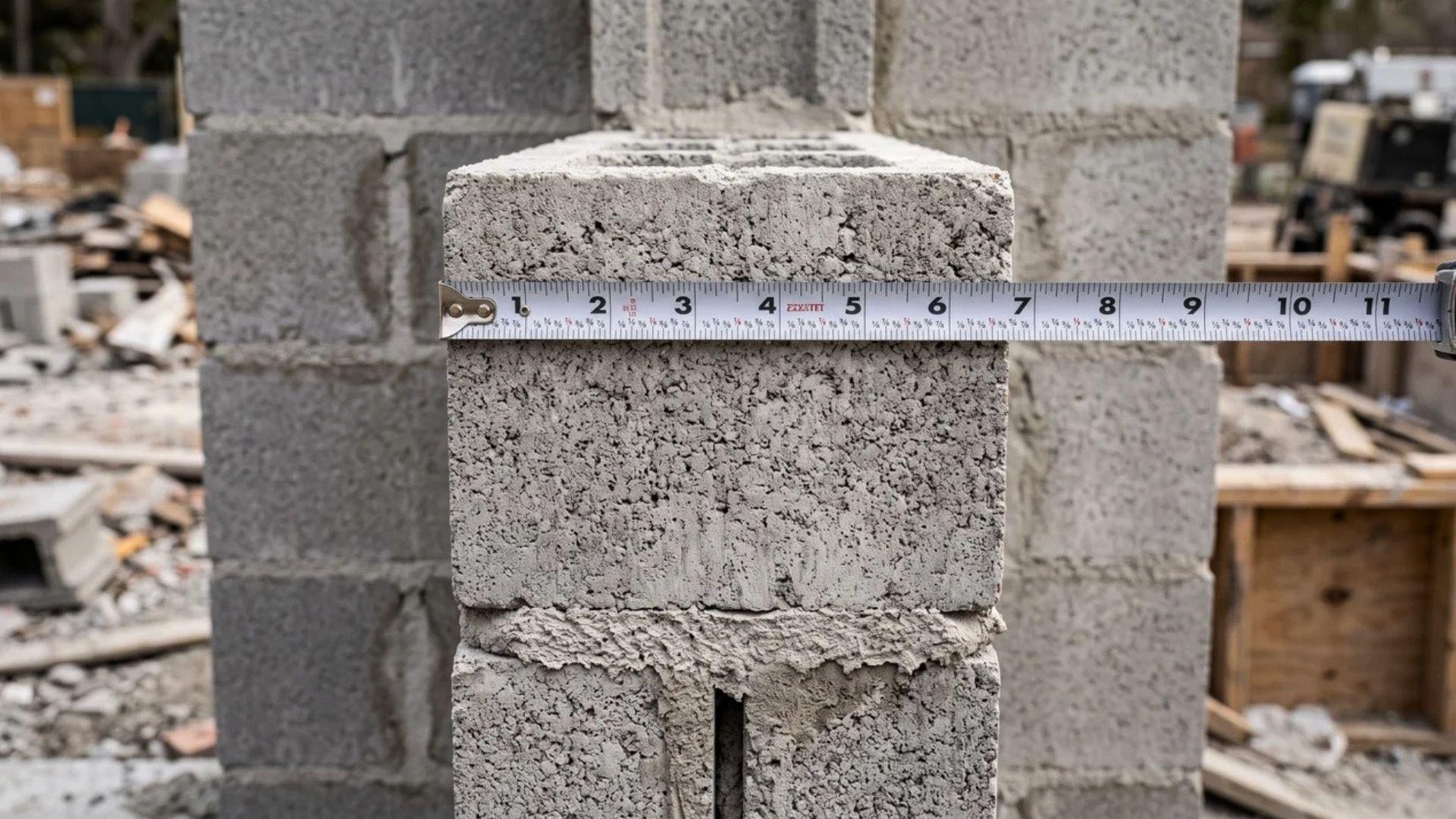
A nominal dimension in concrete masonry includes the mortar joint. The actual dimension does not. That single difference is what confuses.
When a block is listed as 8 inches wide, that 8 inches accounts for the block plus a standard ⅜-inch mortar joint. The block alone measures 7⅝ inches. Add the joint, and you’re back to 8.
The math is clean because it was designed to be.
This is a standardised convention across the entire concrete masonry unit industry. It’s not a brand quirk. Every nominal dimension on every spec sheet works the same way.
Here’s how the two systems differ in practice:
| Factors | Nominal Dimension | Actual Dimension |
| What it includes | Block width + mortar joint | Block width only |
| Example (standard block) | 8 inches | 7⅝ inches |
| When to use it | Planning and laying out a wall | Ordering blocks or measuring built work |
| Where it breaks down | Specialty/architectural CMUs may not follow it | Doesn’t account for joint spacing in layout |
The rule is simple. Plan with nominal. Order and measure with actual. Mixing the two at either stage produces errors that don’t show up until the wall is partway up.
One exception worth knowing: some specialty and architectural CMUs are specified in actual dimensions only. Always confirm which system a product uses before you plan around it.
Final Verdit
Folks search how wide is a cinder block expecting one number. The real answer is two numbers, and knowing which one to use at which stage is what separates a clean build from a costly correction.
Width isn’t just a spec. It’s a structural decision. Get it right before the first block gets laid.
If you’re planning a wall and want to make sure you’re working with the right dimensions, measure twice, confirm your load requirements, and check your local code before you order.
Frequently Asked Questions
Is there a difference between a cinder block and a concrete block?
Technically yes, but in practice the cinder block vs concrete block distinction no longer matters; modern blocks use concrete aggregate and are correctly called CMUs. The old coal cinder version is no longer manufactured.
How much does a standard cinder block weigh?
A standard 8x8x16 block weighs between 28 and 36 pounds. Lightweight CMUs use aggregates like pumice and weigh less without a major drop in strength.
Can cinder blocks be used below grade?
Yes, but width matters. Below-grade walls need 10- or 12-inch blocks plus exterior waterproofing. Standard 8-inch blocks are built for above-grade use.
How long does a standard cinder block last?
A properly built cinder block wall can last 50 to 100 years. Mortar quality, drainage, and correct width specification are the biggest factors.