
Buying a home is one of the biggest decisions most people will ever make, and new construction keeps coming up as an option worth looking at.
But what exactly qualifies as new construction, and is it the right fit for you?
A lot of buyers feel confused about what the term actually covers, whether it means a home already built, one still going up, or something you plan from scratch.
This article breaks down the definition, key features, types, costs, pros and cons, and everything in between.
Having spent time researching how new construction purchases actually work from contract to closing, the goal here is to give you clear, practical information so you can move forward with confidence.
Understanding New Construction in Real Estate
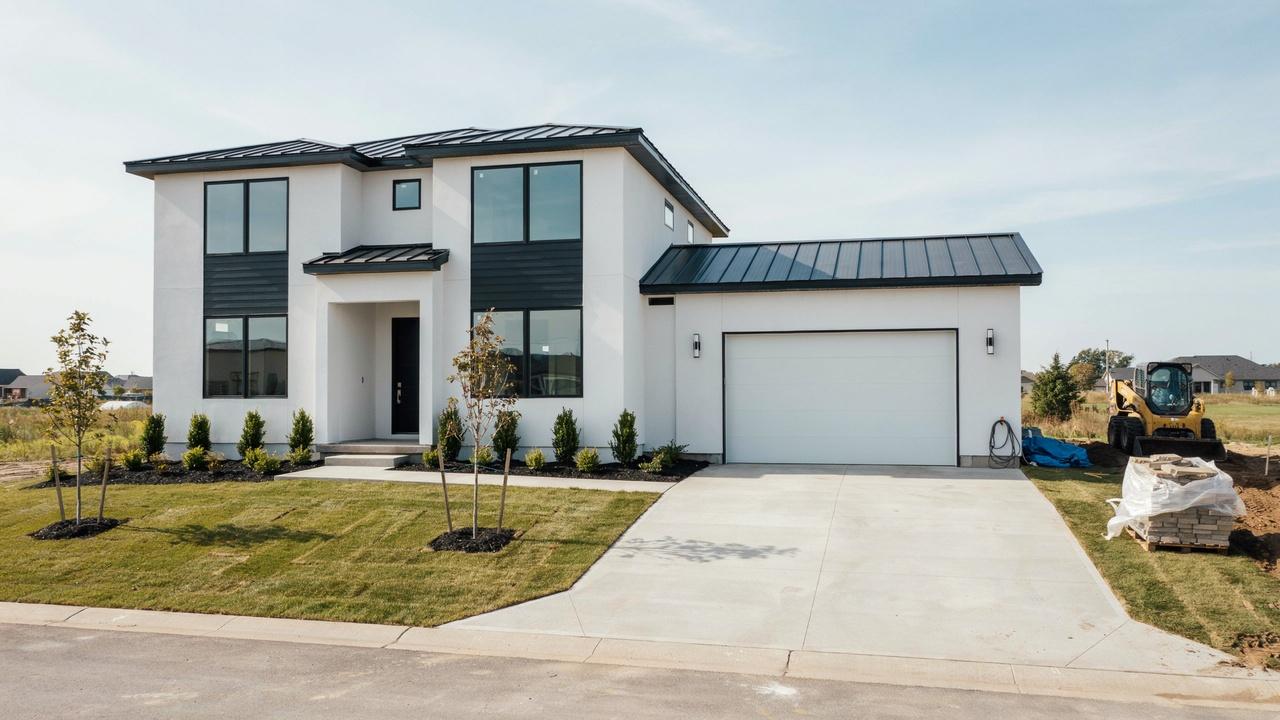
New construction in real estate refers to a residential property that has been recently built and never previously occupied. It is a home that no one has lived in before you.
That said, new construction is not limited to homes that are already finished and ready to walk into.
It can also include homes that are still being built or properties that a buyer contracts for before construction even starts.
The specific stage of the home at the time of purchase depends largely on the builder and the type of purchase arrangement you agree to.
In the United States, the term is broadly used to describe any newly built residential property that has not had a previous owner or resident.
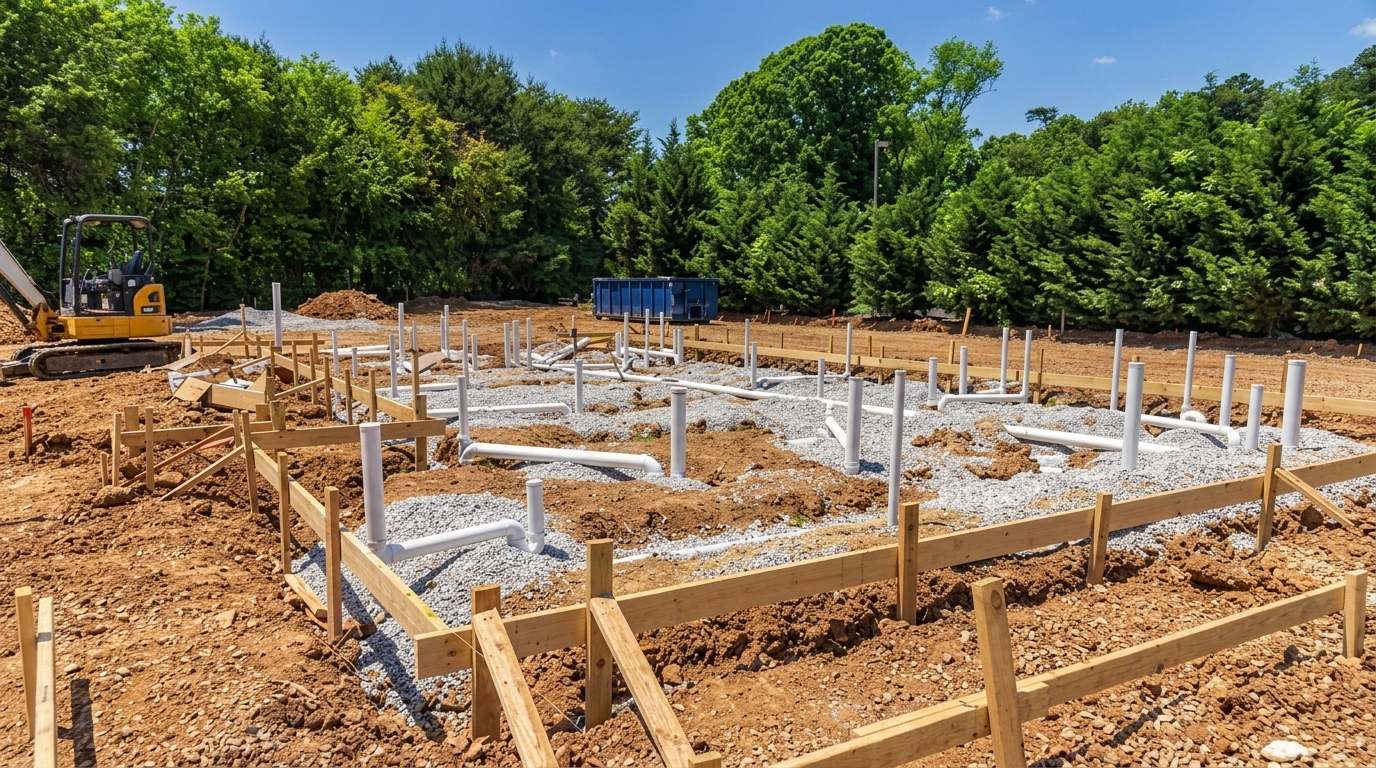
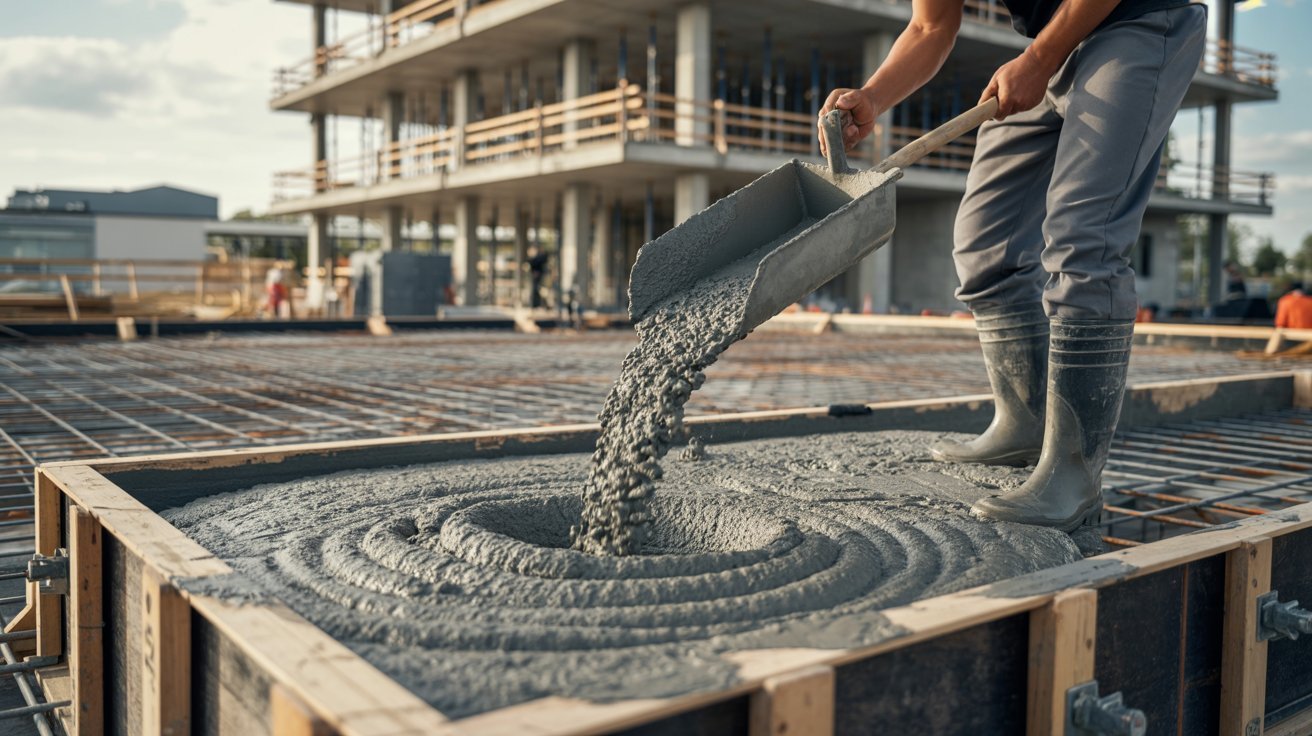
The process starts with site preparation, which includes clearing and grading the land, before any framing or structural work begins.
The home could be sitting completed in a community waiting for a buyer, actively under construction with a projected completion date, or a future build that will be customized to your preferences before a single brick is laid.
What Qualifies as a New Construction Home?
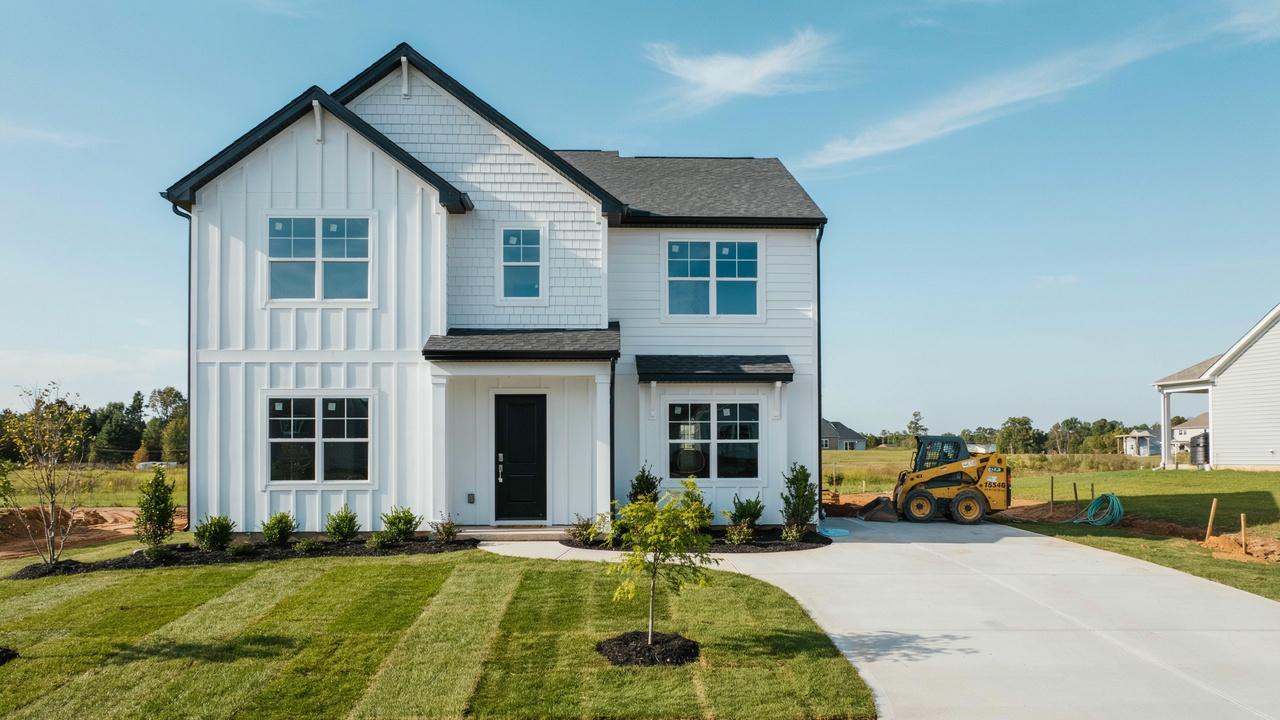
Not every recently renovated or freshly painted home counts as new construction. There are a few clear categories that define what qualifies.
A Home That Has Never Been Occupied
The most straightforward definition is a home that no one has ever lived in. It comes directly from the builder to the first buyer.
There are no previous owners, no wear and tear from past residents, and no history of use.
This is the core of what makes a property new construction.
It is also worth noting that a gut renovation, where a builder or owner strips an existing structure down to its outer walls, does not qualify since the original structure remains.
A Home Still Under Construction
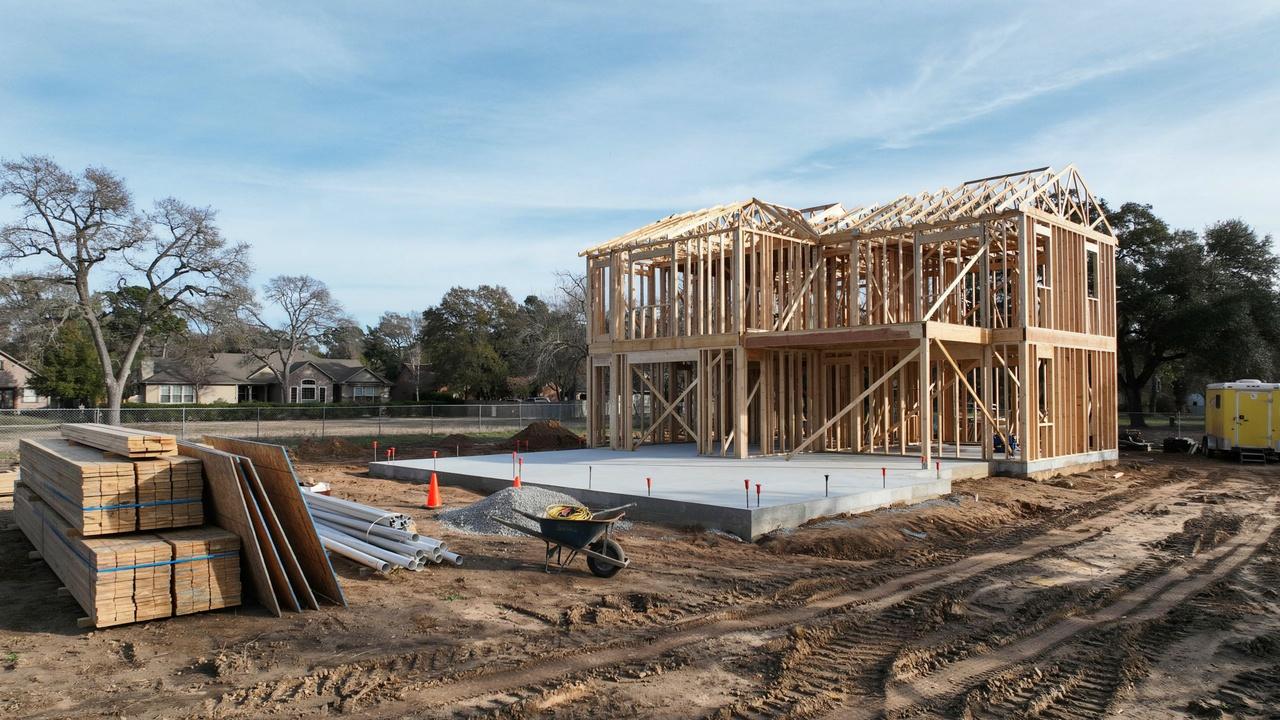
Many buyers purchase new construction homes while they are still being built.
In these cases, the buyer agrees to a purchase price before the home is finished, tracks construction progress over several months, and takes possession once the build is complete.
The risk here is that timelines can shift, but the benefit is that buyers can often make selections for finishes and fixtures before the home is done.
A Newly Built Home Ready for Move-In
Some builders construct homes before they have a buyer lined up. These are completed and ready for immediate occupancy.
Buyers can walk through them, see exactly what they are getting, and close relatively quickly.
There is less waiting involved, but fewer choices when it comes to personalizing the home.
What Are the Key Features of New Construction Homes?
New construction homes come with a distinct set of characteristics that separate them from older properties on the market.
Modern Floor Plans and Building Materials
Builders design new homes with current living preferences in mind. Open floor plans, larger kitchens, and better flow between spaces are common.
The materials used, from framing to flooring, meet today's construction standards, which tend to be higher than those from even a decade ago.
New Electrical, Plumbing, HVAC, and Roofing Systems
Everything in a new construction home is brand new. The electrical wiring, plumbing pipes, heating and cooling system, and roof are all installed fresh.
This significantly reduces the likelihood of major system failures in the early years of ownership and cuts down on repair costs compared to older homes where these systems may already be aging.
Energy-Efficient Features and Appliances
New construction homes are built to meet current energy codes, which are stricter than those from previous decades.
Better insulation, energy-efficient windows, and modern appliances all work together to lower monthly utility bills.
Many builders also offer ENERGY STAR certified options that go a step further in reducing annual energy costs.
Modern Building Codes and Safety Features
Local building codes are updated regularly, and new construction must comply with the most current versions.
This means better fire safety measures, improved structural requirements, and up-to-date electrical standards. Buyers get the benefit of these protections automatically.
Builder Warranties for New Homes
Most new construction homes come with a builder warranty. Coverage typically includes workmanship, materials, major systems like HVAC and plumbing, and structural components.
The length and scope of coverage varies by builder, so reading the actual warranty terms is important before closing.
What Are the Different Types of New Construction Homes?
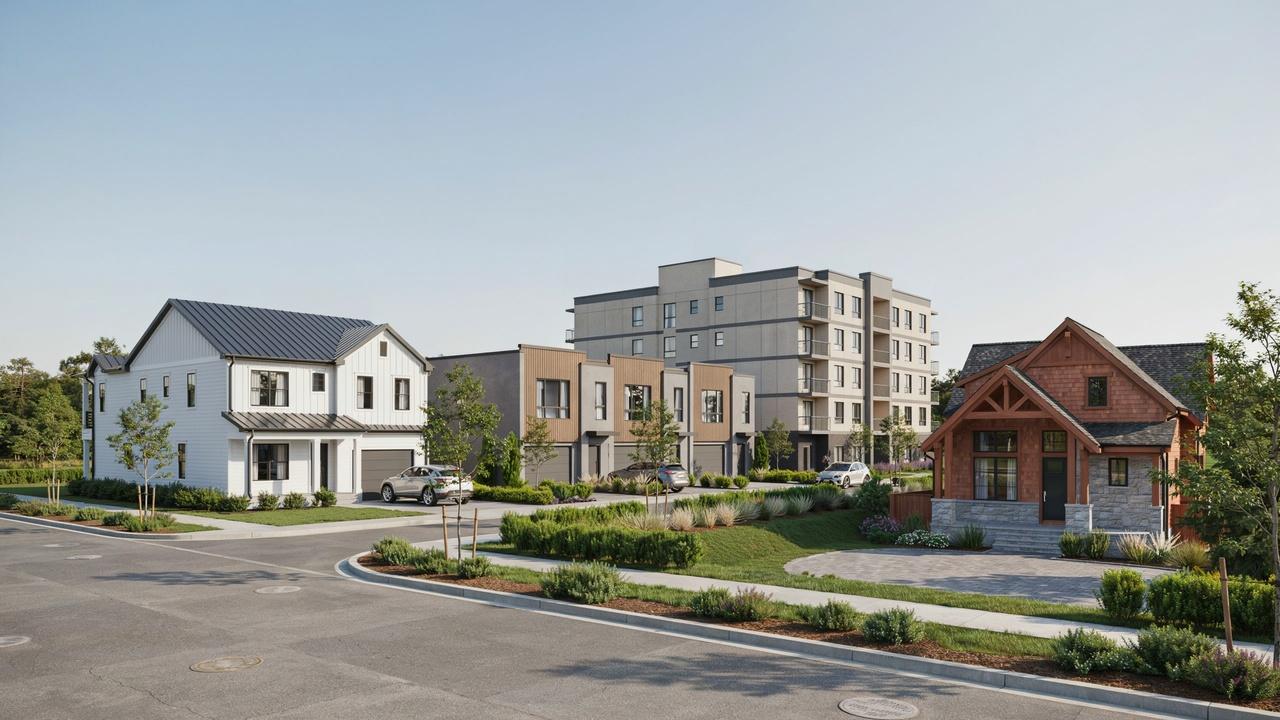
New construction is not a single category. It covers a range of home types that offer different levels of buyer involvement and customization.
Spec Homes
Spec homes, short for speculative homes, are built by a developer without a specific buyer in mind.
The builder makes all the design decisions and completes the home hoping to sell it. Buyers get a finished product but have little to no say in the design choices.
Quick-Move-In Homes
Similar to spec homes, quick-move-in homes are ready or nearly ready for occupancy. They are designed for buyers who need to move within weeks rather than months.
Some minor selections like paint or carpet may still be available, but the home is largely complete.
Tract or Production Homes
Tract homes are built in large communities where a builder offers a set number of floor plan options.
Buyers choose from available plans and standard finish packages. Some customization is possible, but within defined limits.
These tend to be the most affordable new construction option.
Semi-Custom Homes
Semi-custom homes offer more flexibility. A buyer works within a builder's existing floor plan framework but can make meaningful changes to layout, finishes, and features.
The result is a home that feels more personalized while still following an established build process.
Custom-Built Homes
A custom-built home is designed from the ground up based on the buyer's specifications.
The buyer typically owns the lot and works directly with a general contractor who manages subcontractors, materials, and timelines throughout the build.
This offers the highest level of control but also comes with the highest cost and longest timeline.
New Construction vs. Existing Homes: What Is the Difference?
Choosing between a new build and an existing home comes down to priorities. Here is a side-by-side look at how they compare across the factors that matter most.
| Factor | New Construction | Existing Homes |
| Purchase Price and Upfront Costs | Higher base price plus upgrade costs, lot premiums, and closing costs | Often lower upfront but may need immediate repairs or updates |
| Maintenance and Repair Needs | Minimal in early years since everything is brand new | Roof, HVAC, or plumbing may need attention soon after purchase |
| Energy Efficiency and Monthly Utility Costs | Built to current energy codes with lower monthly utility bills | Older insulation, windows, and systems can cost more to run |
| Customization and Design Options | Choose flooring, cabinets, countertops, and more during the build phase | Already finished and any changes require additional renovation costs |
| Location and Established Neighborhoods | New communities may feel sparse with amenities still developing | Developed neighborhoods with mature trees, schools, and community feel |
| Move-In Timeline | A few weeks for a spec home up to 12 months or more for a custom build | Typically 30 to 60 days from purchase to occupancy |
How Does Buying a New Construction Home Work?
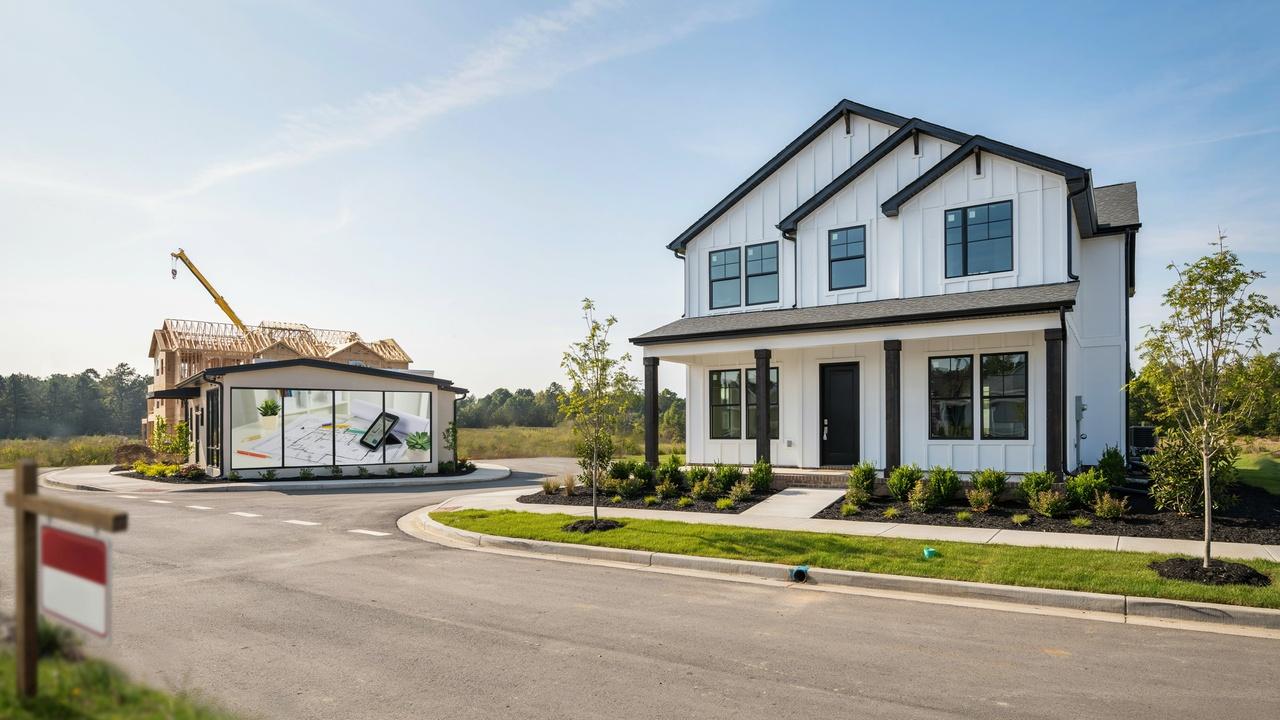
Buying a new construction home follows a different path than a standard resale purchase, and knowing the steps upfront saves a lot of confusion.
You start by researching builders, visiting model homes, and choosing a community that fits your needs.
From there, you select your floor plan, lot, and any structural options before moving into pricing discussions.
The base price is just the beginning since upgrades and incentives can shift the final number significantly.
Once you sign the purchase agreement, which should be reviewed by a real estate attorney, construction begins.
If you are financing the build before it is complete, you may need a construction loan rather than a standard mortgage, so line up your lender early and understand how draw schedules work.
Schedule independent inspections at key stages rather than waiting until the end. Finish with a thorough walk-through, document any outstanding items, and close to take ownership.
How Much Does a New Construction Home Cost?
The price you see advertised for a new construction home is rarely what you end up paying. Here is a breakdown of what goes into the actual total cost.
| Cost Factor | What It Covers | What to Watch Out For |
| Base Price | Home structure, standard finishes, and the lot in most cases | Some builders price the lot separately and basic appliances may not be included |
| Upgrades and Options | Flooring, countertops, cabinetry, lighting packages, and bathroom fixtures | Heavy spending in the design center can add 10 to 20 percent or more to the base price |
| Additional Costs | Closing costs, HOA fees, landscaping, window treatments, and utility connection fees | These costs are easy to overlook and can add several thousand dollars to your total budget |
| Builder Incentives | Reduced pricing, closing cost credits, or free upgrades during slower sales periods | Incentives often require using the builder's preferred lender so compare loan terms carefully before agreeing |
It is also worth factoring in property taxes. New construction homes are often assessed at a higher value than older properties, which can mean a steeper annual tax bill than buyers expect going in.
What Are the Pros and Cons of New Construction?
New construction comes with real advantages, but it is not the right fit for every buyer.
Benefits of Buying New Construction
- Everything is brand new, from systems to surfaces
- Lower maintenance costs in the early years of ownership
- Energy-efficient design that reduces monthly utility bills
- Builder warranty protection for workmanship and major systems
- Ability to personalize finishes during the build phase
- Option to integrate smart home technology like programmable thermostats and security systems during construction
Potential Drawbacks of Buying New Construction
- Higher purchase price compared to many existing homes
- Longer wait times, especially for homes not yet started
- Upgrade costs can push the final price well beyond the base
- New communities may lack established amenities and mature landscaping
- Builder contracts heavily favor the seller
- Construction loans carry higher interest rates than standard mortgages and require stronger financial credentials
What Does a Builder Warranty Cover?
Builder warranties offer protection against defects, but the coverage is not the same across all builders or all types of problems.
Workmanship and Materials
Short-term coverage, typically one year, applies to workmanship and materials. This includes things like paint, trim, and finishes that were installed incorrectly or that fail prematurely.
Major Home Systems
Coverage for mechanical systems such as electrical, plumbing, and HVAC is usually extended to two years.
If the furnace stops working in the first year due to improper installation, the builder should cover the repair.
Structural Coverage
Structural defects, meaning problems with the foundation or load-bearing components, typically carry ten-year coverage. This is the most significant protection a builder warranty provides.
Common Warranty Exclusions
Warranties almost always exclude damage from buyer misuse, lack of maintenance, normal settling, cosmetic issues after the first year, and damage from weather events.
Read the exclusions carefully so you know what you are and are not protected against.
What Should You Check Before Buying New Construction?
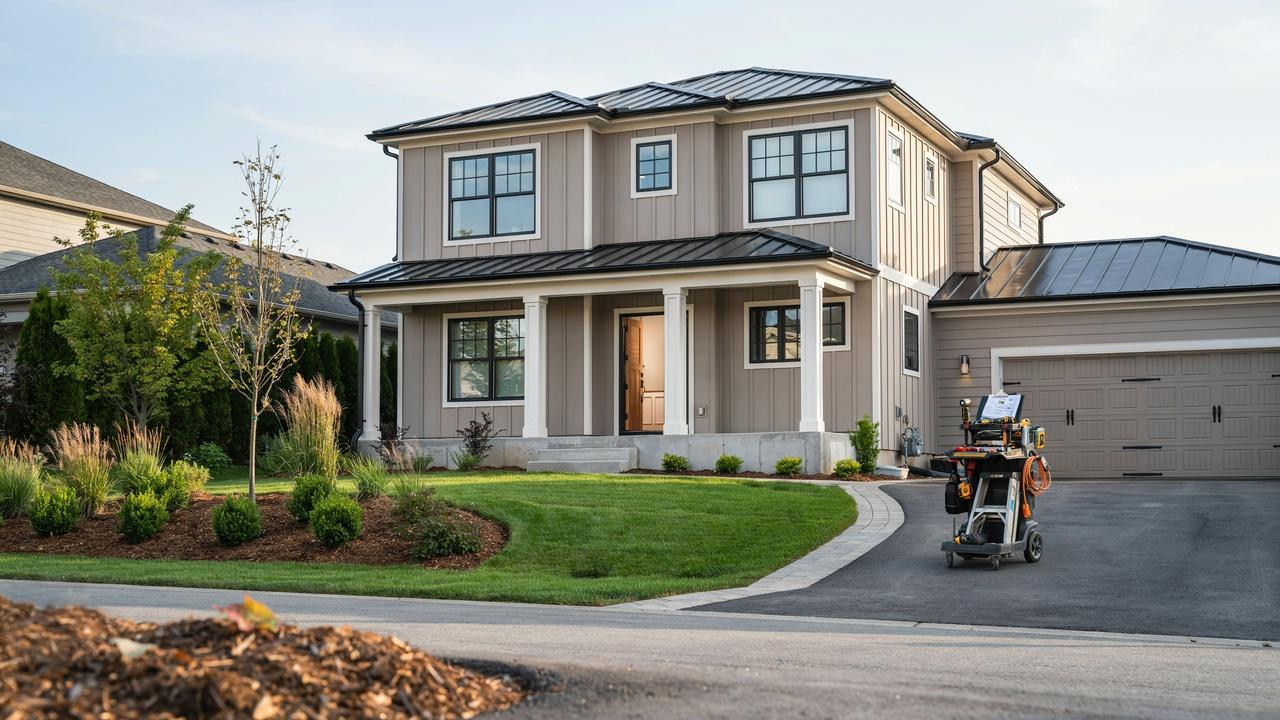
Doing your homework before committing can prevent costly surprises later.
Research the Builder's Reputation
Look for reviews from past buyers online and ask the builder for references from completed communities.
Check if there are any complaints filed with the Better Business Bureau or state contractor licensing boards.
Review the Lot and Community
Walk the lot at different times of day. Look at drainage, neighboring properties, road noise, and proximity to commercial areas.
Also ask about the long-term buildout plan for the community so you know what is coming.
Ask about lot premiums too, since desirable positions within a community like corner lots or those with open views often carry a higher price.
Compare the Base Price With the Final Price
Ask the builder to show you what a fully finished home in the community actually costs. Tour a furnished model and ask which features are included in the base and which are upgrades.
Review the Contract and Warranty
Have a real estate attorney read the purchase agreement and builder warranty before you sign anything.
Understand your rights if the builder misses the completion date or if defects appear after closing.
Check What Is Included With the Home
Ask for a written list of what is included in the base price, including appliances, landscaping, window coverings, and exterior features like gutters or exterior lighting.
Ask About Completion Dates and Delays
Get estimated completion dates in writing and ask the builder's history of on-time delivery.
Delays are common in new construction, and understanding the impact on your living situation and loan rate lock is important.
What Common Mistakes Should New Construction Buyers Avoid?
Many buyers regret decisions that could have been avoided with a little more preparation.
- Never treat the base price as the final number. Upgrades, lot premiums, and additional fees can push the total well beyond what was advertised, so set a firm budget cap before visiting the design center.
- Always hire an independent inspector, even for a brand new home. Schedule a pre-drywall inspection before walls are closed and again before closing to catch issues before they get buried or signed away.
- Pay close attention to the lot before committing. Drainage problems, poor sun exposure, lack of privacy, or unfavorable surrounding properties can affect your daily life long after the excitement of moving in fades.
- Set a hard limit on upgrades before stepping into the design center. Structural changes are worth doing through the builder, but smaller items like light fixtures and cabinet hardware can be swapped out later at a fraction of the cost.
- Read the builder contract carefully and have a real estate attorney review it before signing. Clauses around deposits, delay remedies, and pricing changes are rarely in the buyer's favor and carry real financial consequences if ignored.
Is New Construction Worth It?
New construction is worth it for buyers who want modern systems, low early maintenance, and some say in how their home looks and functions.
For buyers where budget is tight or location in an established area matters most, an existing home may be the better call.
The decision comes down to your timeline, how much customization you want, and what trade-offs you are willing to accept.
Think about future resale value too. Features like high-quality flooring, energy-saving materials, and smart home upgrades can make a new construction home more attractive to buyers down the road.
Neither path is wrong. It simply depends on what fits your life right now.
Conclusion
New construction offers a lot of appeal, from brand-new systems to energy-efficient design and builder warranty protection.
But it also comes with a learning curve that catches many buyers off guard. Knowing what the term means, how the process works, what costs to expect, and what to watch out for puts you in a much stronger position.
Now it is your turn to put this to use. If you are seriously considering new construction, start by researching builders in your target area and getting a clear picture of total costs before you fall in love with a floor plan.
If this article helped you, share it with someone else thinking about buying new, or drop a comment below with your questions or experience.
Frequently Asked Questions
Can you negotiate the price on a new construction home?
Yes, negotiation is possible. Builders may be more flexible on upgrades, closing costs, or lot premiums than on the base price itself.
How long does it take to build a new construction home?
Timelines vary by home type. A production home can take four to eight months. A custom build may take twelve months or longer.
Do new construction homes include appliances?
Not always. Some builders include standard appliances in the base price. Others charge separately. Always confirm what is included in writing.
Can you use your own real estate agent when buying new construction?
Yes. Having your own agent is usually free to the buyer and recommended. Bring your agent to the first visit or the builder may not allow representation.
Are new construction homes a good investment?
They can be, especially in growing areas. However, value growth depends heavily on location, builder reputation, and how the surrounding community develops over time.