
Construction projects involve a lot of moving parts. When communication breaks down, delays and budget problems follow.
OAC meetings fix that.
Early in my career, I watched a commercial build fall six weeks behind schedule because the owner and contractor had stopped meeting regularly.
By the time everyone got back in the same room, there were three unresolved change orders, a material delivery nobody had flagged, and a design question that had been sitting unanswered for a month.
One consistent OAC meeting would have caught all of it in week two. That experience changed how I think about these meetings.
This blog breaks down exactly what OAC meetings are, who attends, what gets discussed, and how to run them well.
You will also find a ready-to-use agenda template and practical tips you can apply right away. If you want your next project to stay on track, this is the right place to start.
What Does OAC Mean in Construction?

OAC stands for Owner, Architect, and Contractor. These are the three main parties on any construction project.
The OAC meeting brings all three together in one room to talk about what is happening on the job site.
This type of meeting happens regularly throughout a project. It keeps everyone on the same page and helps catch problems early.
When the right people talk to each other at the right time, projects run more smoothly.
What Is the Purpose of an OAC Meeting?

OAC meetings keep the whole project team connected and moving in the same direction.
Keep the Project on Schedule and Budget
Every construction project has a timeline and a budget. OAC meetings give the team a regular chance to check both.
If something is running behind or costs are going up, this is the right place to talk about it and make a plan.
Resolve Issues and Remove Roadblocks
Problems come up on every job. An OAC meeting gives the team a set time to bring those problems forward.
When decision-makers are in the same room, issues get handled faster instead of sitting in someone's inbox for a week.
Teams that establish a clear decision-making protocol upfront agreeing on who has final say and how approvals work move through these moments much faster.
Coordinate Owners, Architects, and Contractors
The owner, the design team, and the contractor all have different roles. It is easy for one group to move forward without knowing what the others are doing.
OAC meetings close that gap and make sure no one is working off old information.
Make and Document Project Decisions
Big decisions need to happen during a project. Who approved the change order? When was that deadline moved?
OAC meetings are where those calls get made and recorded so nothing falls through the cracks later.
What Happens When OAC Meetings Break Down?

Skipping or mismanaging OAC meetings has real consequences. Cost overruns build up quietly when change orders sit unreviewed. Schedules slip when RFIs go unanswered for weeks.
If the same issues keep coming back meeting after meeting without resolution, it usually means the wrong people are in the room or that decisions are not being recorded properly.
In serious cases, skipping required meetings can create legal exposure for the contractor, especially when the contract obligates regular reporting to the owner.
The goal is never to meet for the sake of meeting. The goal is to catch problems while they are still small.
Who Attends an OAC Meeting?

The right people in the room make all the difference in how useful the meeting actually is.
Owner or Owner's Representative
The owner or their rep needs to be present. They are the ones funding the project and they need to approve key decisions.
If someone from ownership is missing, important items may get delayed until the next meeting.
Architect and Design Team
The design team brings answers to questions about the plans. During construction administration, the architect is responsible for making sure the work in the field matches the approved drawings and specifications.
They review submittals, respond to RFIs, and help the contractor understand what was intended in the drawings.
Their presence keeps design-related hold-ups from dragging on. In pre-construction, the architect often plays a larger role in leading discussions. Once construction starts, that focus shifts to the general contractor.
General Contractor
The general contractor runs the job site day to day. They report on progress, flag delays, and talk through what is coming up next.
They are often the ones leading the meeting or at least driving the agenda.
In most cases, the GC or their project manager is responsible for creating the agenda, sending it to all attendees, and distributing meeting minutes after the meeting ends.
Engineers, Superintendents, and Project Engineers
Depending on the stage of the project, engineers and site supervisors may also join. They bring specific technical knowledge and can give detailed updates on their areas of work.
Subcontractors are not usually in the OAC meeting, but their performance and procurement status often come up as agenda items.
What Is Discussed in an OAC Meeting?

OAC meetings cover the topics that matter most to keep the project moving forward.
Project Schedule and Critical Path
The team looks at the current schedule and checks what milestones are coming up. The critical path shows which tasks will directly affect the completion date if they slip.
Many teams also review a 4-week look-ahead schedule at this point to flag near-term risks before they become real delays. This part of the meeting helps everyone see the big picture.
RFIs and Submittals
RFIs are requests for information when something in the plans is unclear. Submittals are documents the contractor sends to the design team for approval.
Both can slow down work if they are not handled quickly. OAC meetings keep these moving.
Some teams use a constraint log to track open items that could affect the schedule, separate from the standard RFI and submittal lists.
Change Orders and Budget
Any change to the original scope of work usually costs money or affects the schedule. Change orders need to be reviewed and approved.
OAC meetings are the right time to go over what has been submitted and what is still pending.
Procurement and Material Status
If materials have not arrived yet, the team needs to know. Long-lead items, materials or equipment that take extra time to procure should be identified early and tracked closely at every meeting.
Supply delays can push back other work. OAC meetings give contractors a place to flag these issues early so the team can plan around them.
Site Logistics, Safety, and Quality
The team talks through how the site is being managed. This includes where materials are stored, how workers are moving around, and what safety or quality checks are happening.
A jobsite walkthrough done before the meeting often surfaces issues that get added to the agenda. These conversations help prevent incidents and keep standards high.
Punch List and Closeout
As the project nears the end, the punch list becomes a key topic. This is the list of small items that still need to be fixed or finished before the owner accepts the work.
Commissioning verifying that all building systems work as designed also gets discussed here.
The team tracks progress toward the certificate of occupancy, which is the final sign-off needed before the building can be used. Tracking all of this in OAC meetings keeps closeout from dragging on.
How to Prepare for an OAC Meeting
Good preparation is what separates a productive meeting from a wasted hour.
Step1: Review Previous Meeting Minutes

Before the next meeting, go back and read the notes from the last one. Check which action items were completed and which ones are still open.
This saves time at the start of the meeting and holds people accountable.
Step2: Create and Distribute the Agenda

The GC or project manager is responsible for building the agenda and sending it to all attendees at least two days before the meeting.
This gives people time to prepare and gather what they need. A clear agenda also helps keep the meeting on track once it starts.
The agenda should reflect where the project currently stands. A pre-construction meeting will focus on permitting, design approvals, and procurement.
An active construction meeting will focus on schedule, RFIs, and change orders. A closeout meeting will focus on the punch list, commissioning, and final inspections.
Step3: Gather Project Documents and Reports
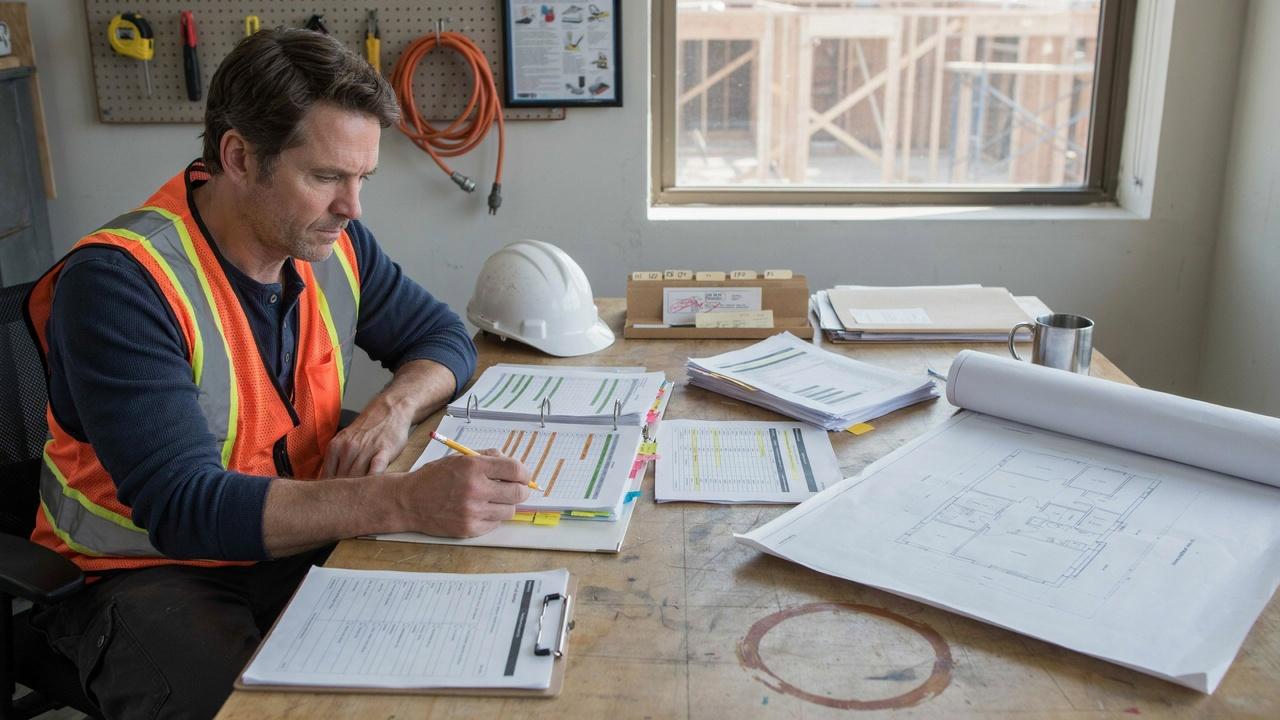
Pull together the latest schedule, budget reports, RFI logs, and submittal status before the meeting.
Review key performance indicators such as cost-to-date, schedule variance, and quality inspection results.
Having the right documents ready means the team can make decisions with real data instead of guessing.
Step4: Prepare Visuals and Progress Updates

Photos from the site, updated drawings, and progress charts help everyone understand what is happening faster than words alone.
A quick look at a photo or a schedule bar chart can answer questions that might otherwise take minutes to explain.
How to Run an Effective OAC Meeting

The way a meeting is run matters just as much as what is on the agenda.
Review Previous Action Items
Start by going through the action items from the last meeting. This holds people responsible and makes sure nothing important was dropped. It also gives the meeting a clear starting point.
If the same item has appeared on the last two or three agendas without progress, name it directly. Recurring open items usually mean ownership is unclear or the right person is not in the room.
Address High-Priority Issues First
Do not save the most pressing topics for the end. Cover the items that could affect the schedule or budget first. If the meeting runs long, at least the most important things get handled.
Keep Discussions Focused
It is easy for side conversations to take over. The person running the meeting should gently redirect when the discussion goes off-topic.
Some teams use a visible parking lot list to capture useful but off-topic points and come back to them later. Staying focused respects everyone's time.
Assign Action Items and Deadlines
Every issue that comes up should be assigned to someone with a clear due date. Without this step, the same problems show up at the next meeting with no progress made.
Record Decisions and Key Discussions
Someone should be taking notes throughout the meeting. These notes become the official meeting minutes.
Good minutes capture every decision made, every action item assigned, the name of the person responsible, and the due date. Send them to all attendees within 24 to 48 hours of the meeting ending.
Many teams now use construction management software to track action items and distribute minutes automatically, which reduces the time spent on manual documentation.
Vague or delayed minutes are one of the most common reasons projects lose accountability mid-build.
OAC Meeting Agenda Template

A simple, repeatable agenda keeps OAC meetings consistent and productive. The items below apply across all phases, but the focus of each item shifts depending on where the project stands.
Project Status and Schedule Review
Start with a quick update on where the project stands. Go over the current schedule and check whether key milestones are on track. This sets the tone for the rest of the meeting.
Open RFIs and Submittals
Go through any RFIs or submittals that are still waiting for a response. Note the dates they were submitted and who needs to act. The goal is to get these closed out as fast as possible.
Budget and Change Orders
Review the current budget and any pending change orders. The owner needs to know how the numbers look. Any change orders that need approval should be discussed here.
Procurement, Safety, and Quality Updates
Get updates on material deliveries, including any long-lead items that may be at risk. Cover site safety and quality checks. Flag any items that could cause delays or problems down the line. This section keeps the team aware of what is happening on and off the site.
Decisions, Action Items, and Next Steps
Close the meeting by listing every decision that was made and every task that was assigned. Confirm who is responsible and when each item is due. Set the date for the next meeting before everyone leaves.
How the Agenda Shifts by Project Phase
| Project Phase | Agenda Focus |
| Pre-Construction | Permitting, design approvals, subcontractor selection, early procurement of long-lead items, schedule build-out |
| Active Construction | Schedule progress, RFIs, submittals, change orders, material deliveries, site safety, quality inspections |
| Closeout | Punch list completion, commissioning status, final inspections, certificate of occupancy, closeout submittals |
OAC Meeting Best Practices

Consistent habits make OAC meetings more effective over time.
Invite the Right Decision-Makers
The meeting only works when the people who can actually approve things are in the room. If someone cannot make a decision, they may need to loop in someone who can before the next meeting.
Use Drawings, Photos, and Project Data
Concrete information moves meetings forward. Showing a photo of a problem, pointing to a spot on a drawing, or pulling up the latest numbers gives the team something real to work with.
For virtual meetings, the person facilitating should share their screen from the first minute. Meetings that rely on verbal description alone run longer and produce less.
Keep Clear and Accurate Meeting Minutes
Meeting minutes are the paper trail for the whole project. Send them within 24 to 48 hours.
If a decision-maker keeps deferring approvals, find out why before the next meeting sometimes they need more information, sometimes they need a simpler ask.
Follow Up on Action Items
Do not wait until the next meeting to check in on open items. A quick follow-up during the week keeps things moving and shows the team that accountability is real.
Keep a running log of every decision made across all OAC meetings, separate from the individual minutes.
This master decision log becomes valuable when disputes arise or when a new team member needs to get up to speed.
End every meeting with a brief verbal recap of who owns what and when it is due. Do not rely on people to read the minutes later. Say it out loud before everyone leaves.
Adjust Meeting Frequency by Project Phase
OAC meeting frequency should shift as the project moves forward. Weekly or twice-weekly meetings make sense during active construction.
Monthly check-ins may be enough during early planning or final closeout. Match the cadence to what the project actually needs.
Conclusion
OAC meetings do not have to feel like another item on a packed schedule.
In my experience, the teams that treat these meetings seriously are the ones that finish projects with fewer surprises.
When the right people show up prepared and stay accountable, things actually get done.
If you are managing a construction project right now, try applying even two or three of these tips at your next OAC meeting. You might be surprised how much smoother things run.
Drop a comment below and share what works for your team.
Frequently Asked Questions
How often should OAC meetings be held?
Most projects hold OAC meetings weekly during active construction. Larger or more complex jobs may need them twice a week to keep pace with fast-moving work on site. Frequency should drop to bi-weekly or monthly during early planning and final closeout, when there are fewer active issues to resolve. The cadence should match the pace of the project, not a fixed rule.
Can OAC meetings be held virtually?
Yes. Many teams run OAC meetings over video calls using tools like Zoom or Microsoft Teams. Make sure screen sharing is available so everyone can view drawings, schedules, and RFI logs together. When part of the team is on site and part is remote, the person on site should still be able to pull up visuals for the group.
Who is responsible for the agenda and meeting minutes?
The general contractor or their project manager is typically responsible for both. They build the agenda, send it to all attendees before the meeting, run the meeting, and distribute the minutes within 24 to 48 hours afterward. Good minutes include all decisions made, all action items assigned, the name of the person responsible for each item, and the due date. Some teams now use construction management software to automate this process and reduce the time spent on manual documentation.
What happens if a key attendee misses an OAC meeting?
Meeting minutes should be sent to them right after. Any decisions made still stand unless formally challenged before the next scheduled meeting. If the same person keeps missing meetings, that is worth addressing directly. Repeated absences from a decision-maker slow everything down and can create gaps in the project record that are hard to fill later.