
Buying a new home from a builder sounds straightforward. You pick a floor plan, sign some papers, and move in. The reality is more layered than that.
Builder transactions come with their own rules, their own contracts, and their own power dynamics. Most buyers figure that out mid-process, when changing course is already expensive.
I’ll walk you through how the process actually works, where the real costs show up, and what gives you leverage before you need it.
What to Know Before Buying a New Home From a Builder
Buying a new construction home is not the same as buying a resale home.
The contract, the people involved, and the timeline all work differently, and if you walk in expecting a typical purchase, you'll be caught off guard.
The builder has sold this product dozens of times. You're doing it once. That gap shows up in every conversation you have with them.
The sales agent in the model home works for the builder. The contract was written by the builder's legal team. The timeline moves when construction moves, not when it suits you.
New construction does come with real benefits. A builder warranty, modern systems, and no deferred maintenance are worth something.
But the price premium is real, and the room to negotiate is smaller than most buyers expect.
Go in knowing that.
How to Buy a New Home From a Builder: Step-by-Step
Buying a new home from a builder follows a specific sequence, and the order matters. Decisions made early determine the leverage you have at every stage that follows.
Step 1: Hire Your Own Buyer's Agent First
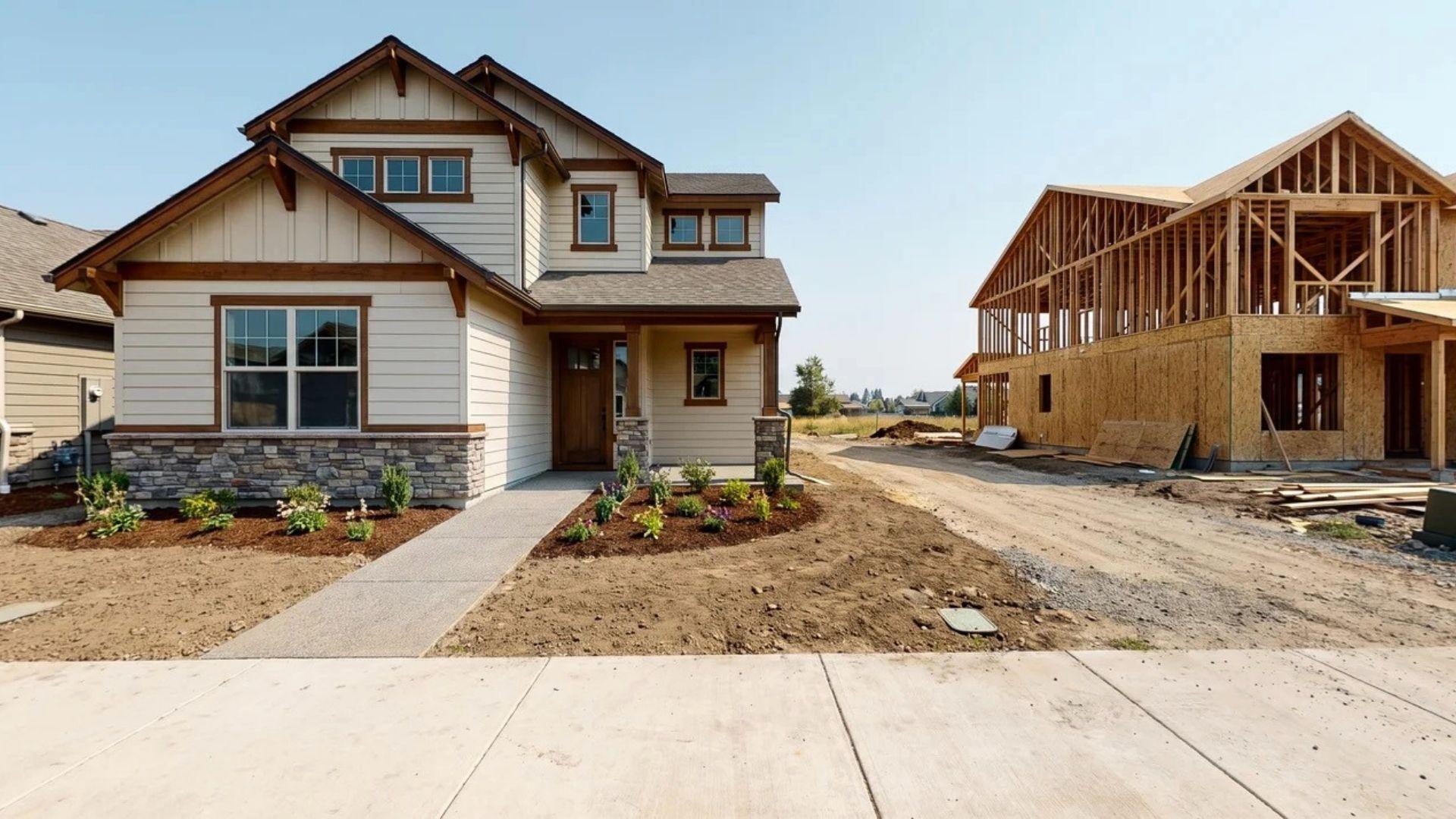
The sales agent in the model home works for the builder. That is not a criticism; it is just their job. They are not there to get you the best deal.
Your own agent is. And in new construction, the builder typically pays your agent's commission. It costs you nothing to have representation.
Go in without one, and you are negotiating alone against someone who has done this hundreds of times.
Step 2: Get Pre-Approved and Compare Lender Options
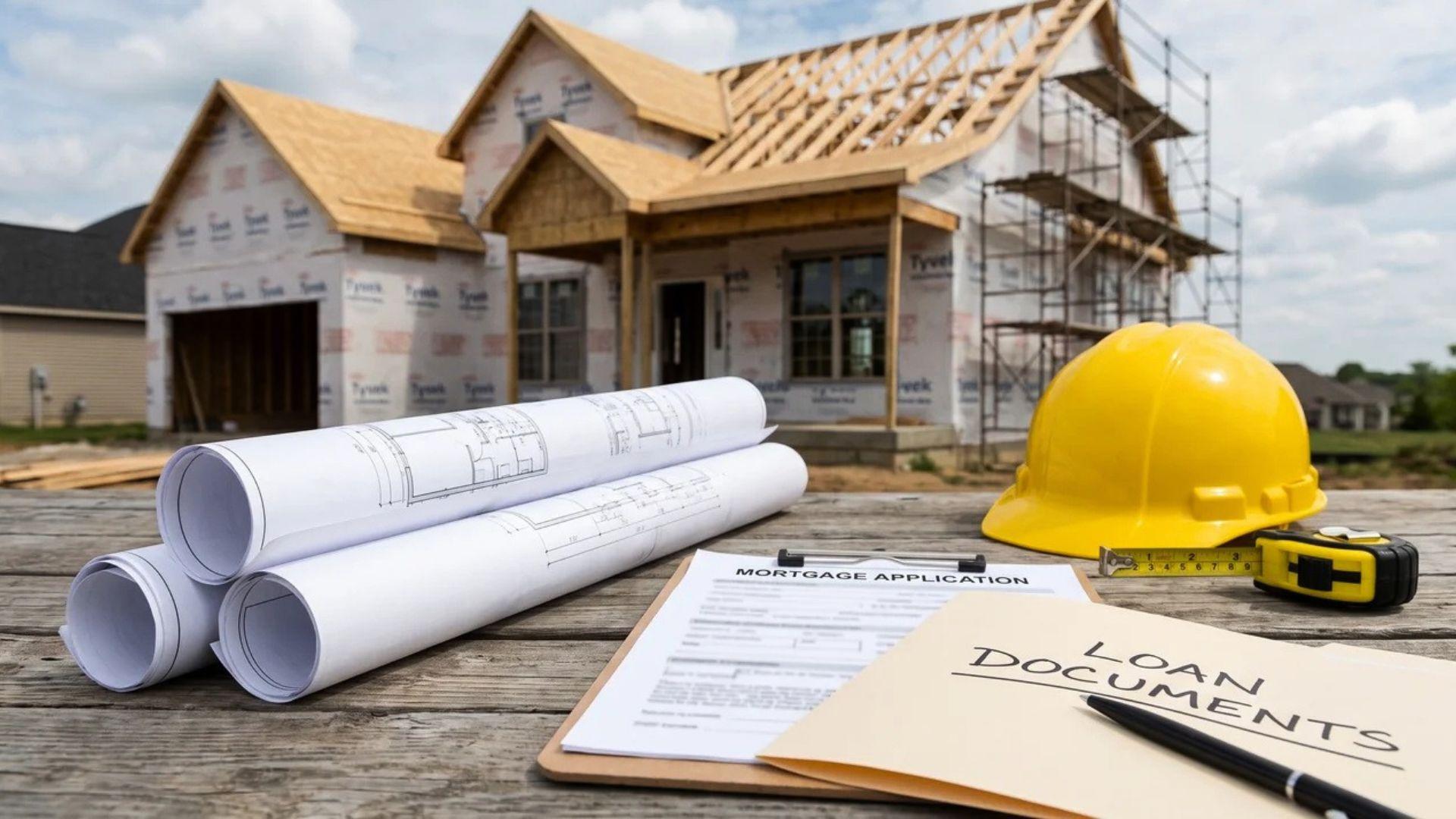
Builders often push their preferred lender by offering closing cost credits or upgrade allowances. Those offers are real. But they are not free.
The preferred lender may carry a higher interest rate. Even a 0.25% difference compounds significantly over a 30-year loan. A $10,000 credit can cost you more than that in extra interest.
Get pre-approved by an outside lender first. Use that number as your benchmark. Then compare the builder's offer against its total cost, not just upfront savings.
Step 3: Choose Your Lot, Floor Plan, and Builder
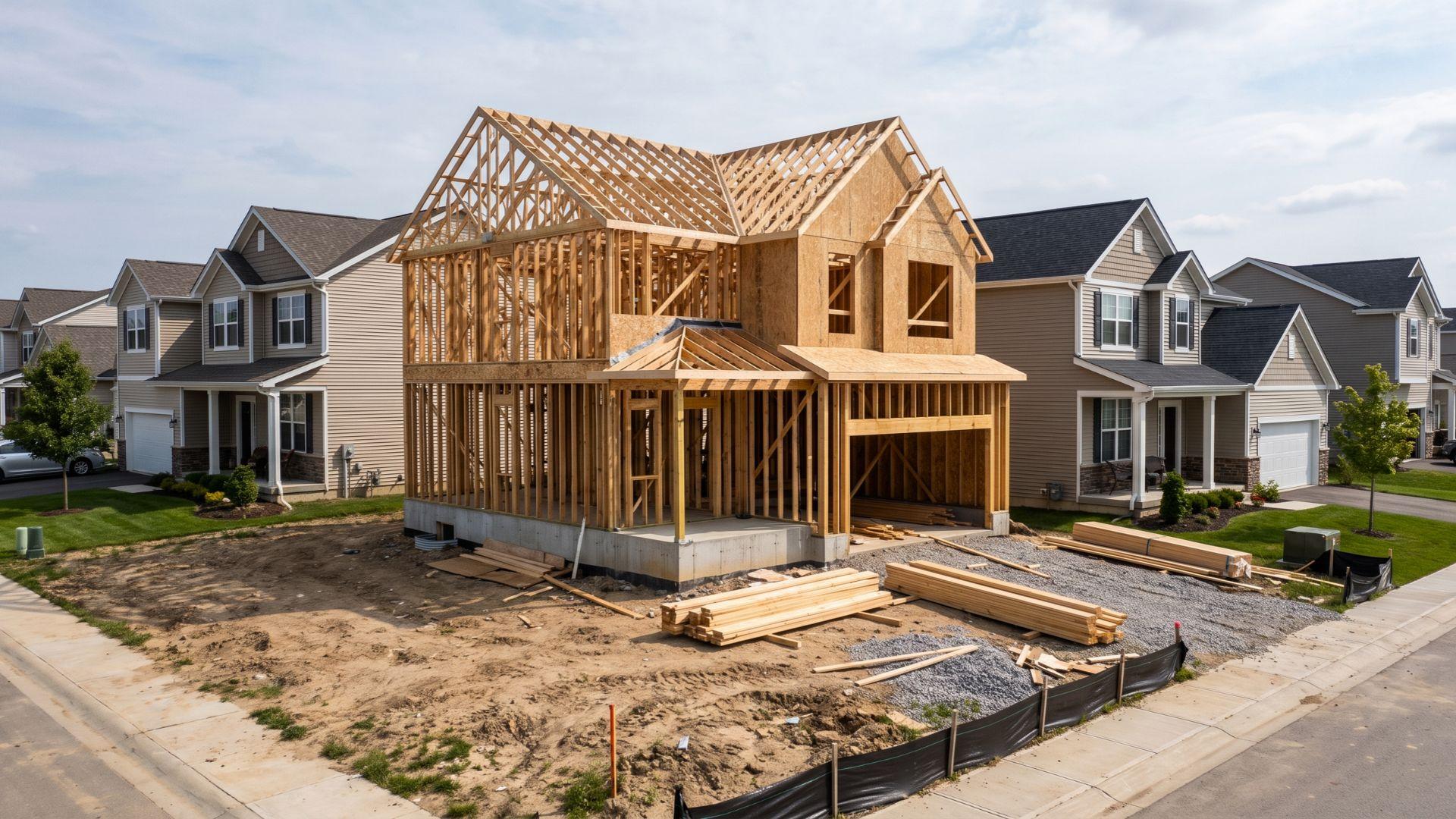
Research the builder's reputation before you fall in love with the floor plan. Look at completed communities. Talk to people who bought there.
Once you choose a lot, factor in the premium. Corner lots, cul-de-sacs, and backing to open space all carry extra costs often not listed upfront.
Pick the floor plan that fits your life now and in five years. Structural changes after signing are expensive or impossible.
Step 4: Review the Builder Contract Before Signing
Builder contracts are not standard resale forms. They are written by the builder's legal team, and they favor the builder.
Look closely at three things:
- The deposit terms: how much you put down and under what conditions you get it back.
- Material substitution clauses: builders can swap finishes if supply is tight.
- Delay provisions: construction timelines can shift, and the contract usually protects the builder, not you.
An attorney review costs a few hundred dollars. On a transaction this size, it is worth it.
Step 5: Make Design Center Selections
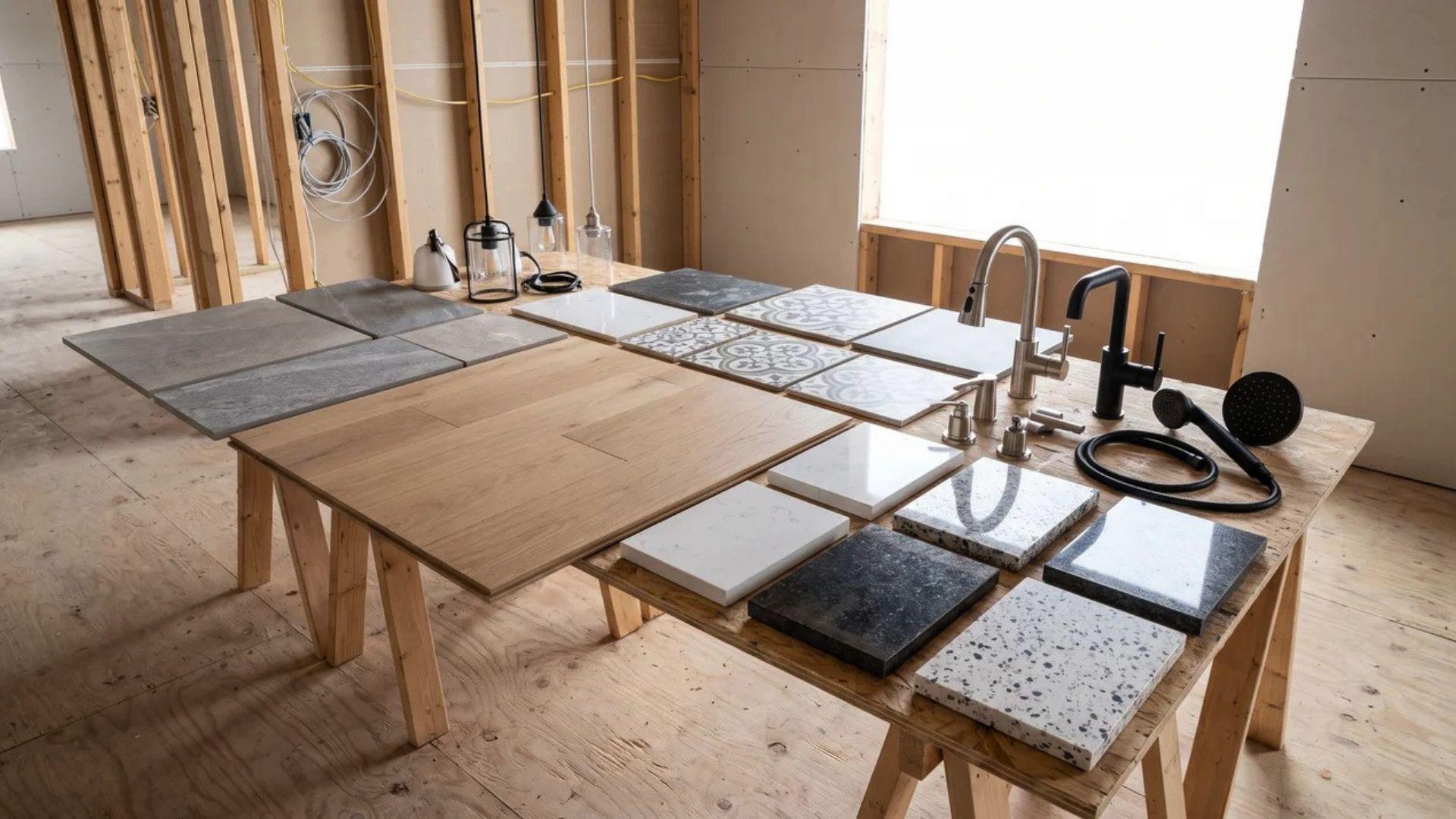
Here is the timing problem most buyers don't see coming. Design Center visits happen after you've signed the contract. At that point, your deposit is in, and walking away is costly.
That is when they show you the upgrades.
Structural upgrades, an extra bedroom, a larger garage, an added bathroom must be decided now. They cannot be added later.
Cosmetic upgrades, flooring, countertops, fixtures can often be done post-closing through independent contractors at a lower cost.
Know which category each upgrade falls into before you walk in.
Step 6: Schedule Your Pre-Drywall Inspection
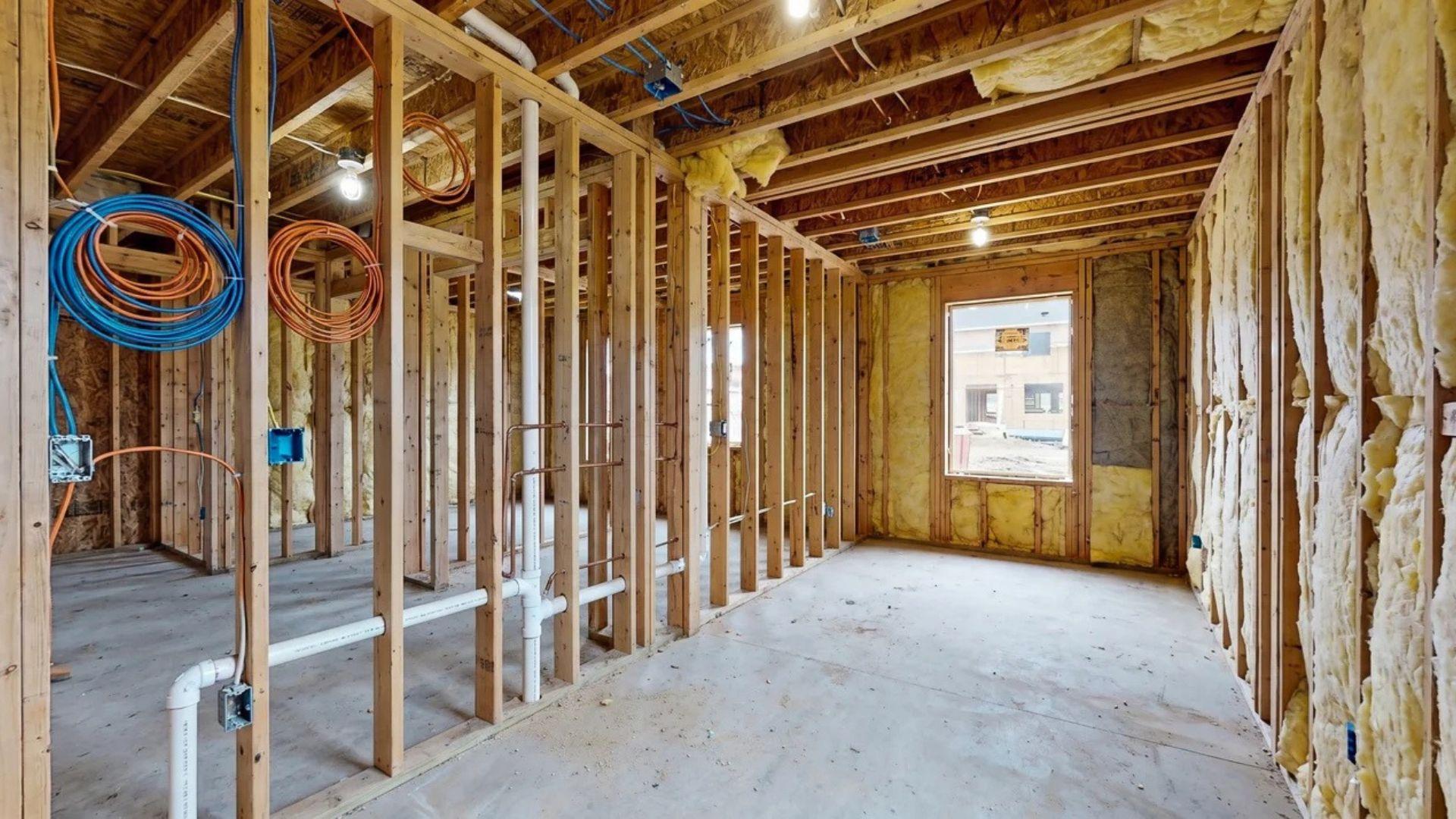
This is the inspection most buyers don't know exists, and missing it is the most expensive oversight in the process.
Before drywall goes up, everything inside the walls is visible. Framing, electrical rough-in, plumbing, insulation all of it can be checked and corrected.
Once drywall is hung, those systems are covered permanently.
The window is narrow. Typically 24 to 72 hours between rough-in completion and drywall installation.
You need to confirm access with your builder in advance what notice they require and whether a third-party inspector is allowed on site.
Miss this window, and it does not come back.
Step 7: Complete the Final Walkthrough and Close
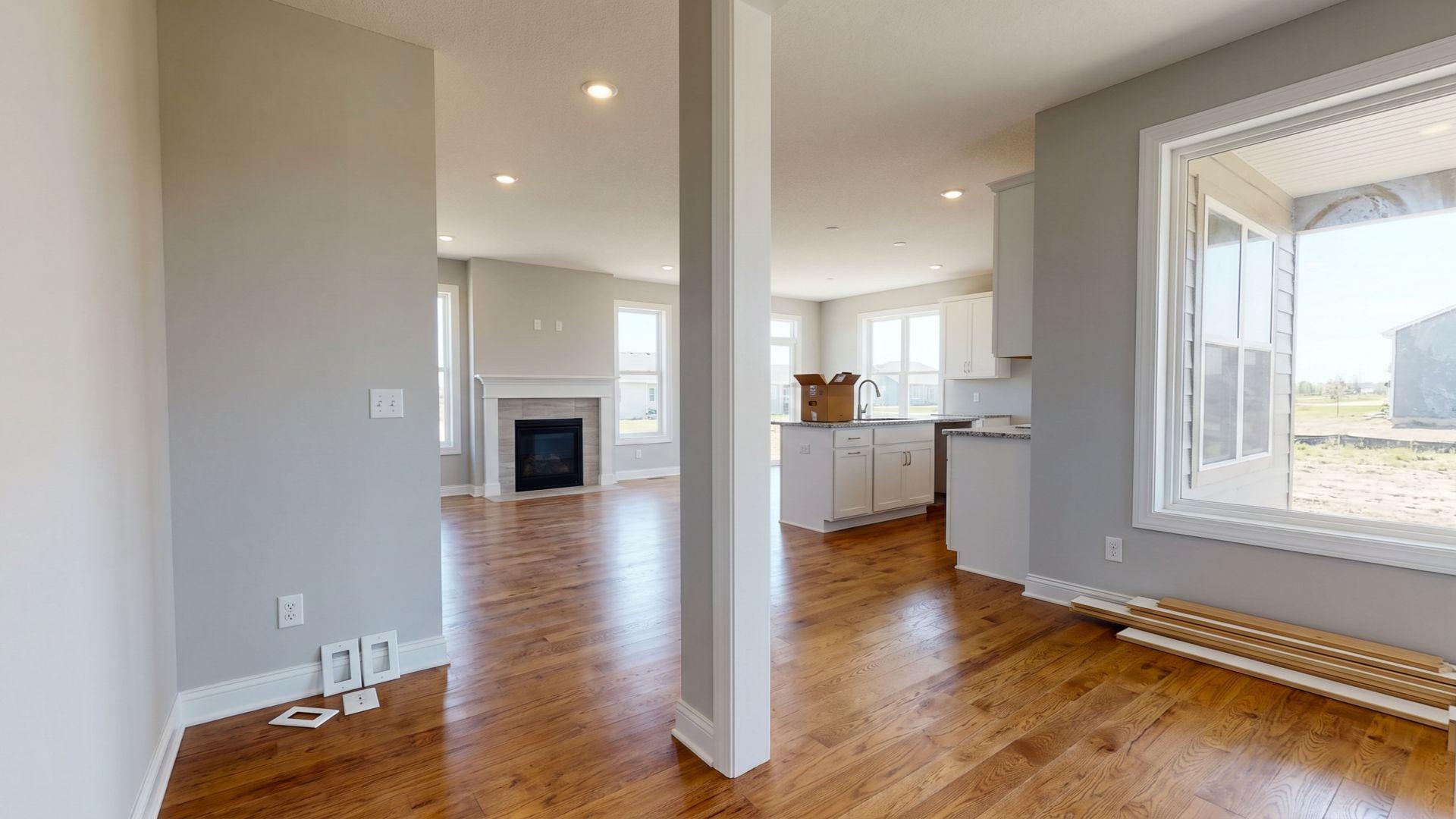
The final walkthrough, often called a blue-tape walkthrough, is your chance to document incomplete work and cosmetic defects before closing.
Use a new home construction checklist to make sure nothing gets missed.
Walk every room. Mark anything that is not finished or not right. Get written confirmation of what the builder will fix and by when.
Do not close on items that are not resolved unless you have a written agreement and a holdback in place. Verbal promises after closing are difficult to enforce.
Common Mistakes to Avoid When Buying From a Builder
Most mistakes in new construction come from not knowing which decisions carry real cost until the moment has already passed.
Here are five that catch buyers off guard:
- Skipping the pre-drywall inspection. Once drywall goes up, everything behind it is sealed permanently. Framing, wiring, plumbing all of it. Miss this window, and there is no getting it back.
- Taking the preferred lender without comparing. The closing cost credit looks good upfront. But a higher rate compounds over 30 years. Run the numbers against an outside lender before you decide.
- Budgeting against the base price. The sign price is the starting point. Add lot premiums, structural upgrades, and design center selections, and you are often 15 to 30 percent over before closing.
- Signing the contract without legal review. Builder contracts are written to protect the builder. Deposit terms, delay clauses, material substitutions these are not standard resale terms. A few hundred dollars for an attorney review is worth it.
- Walking into the model home without your own agent. The sales agent works for the builder. Going in without representation does not save you money; it just means you are negotiating alone.
Know these going in, and you are already ahead of most buyers.
What You Can Actually Negotiate With a Builder
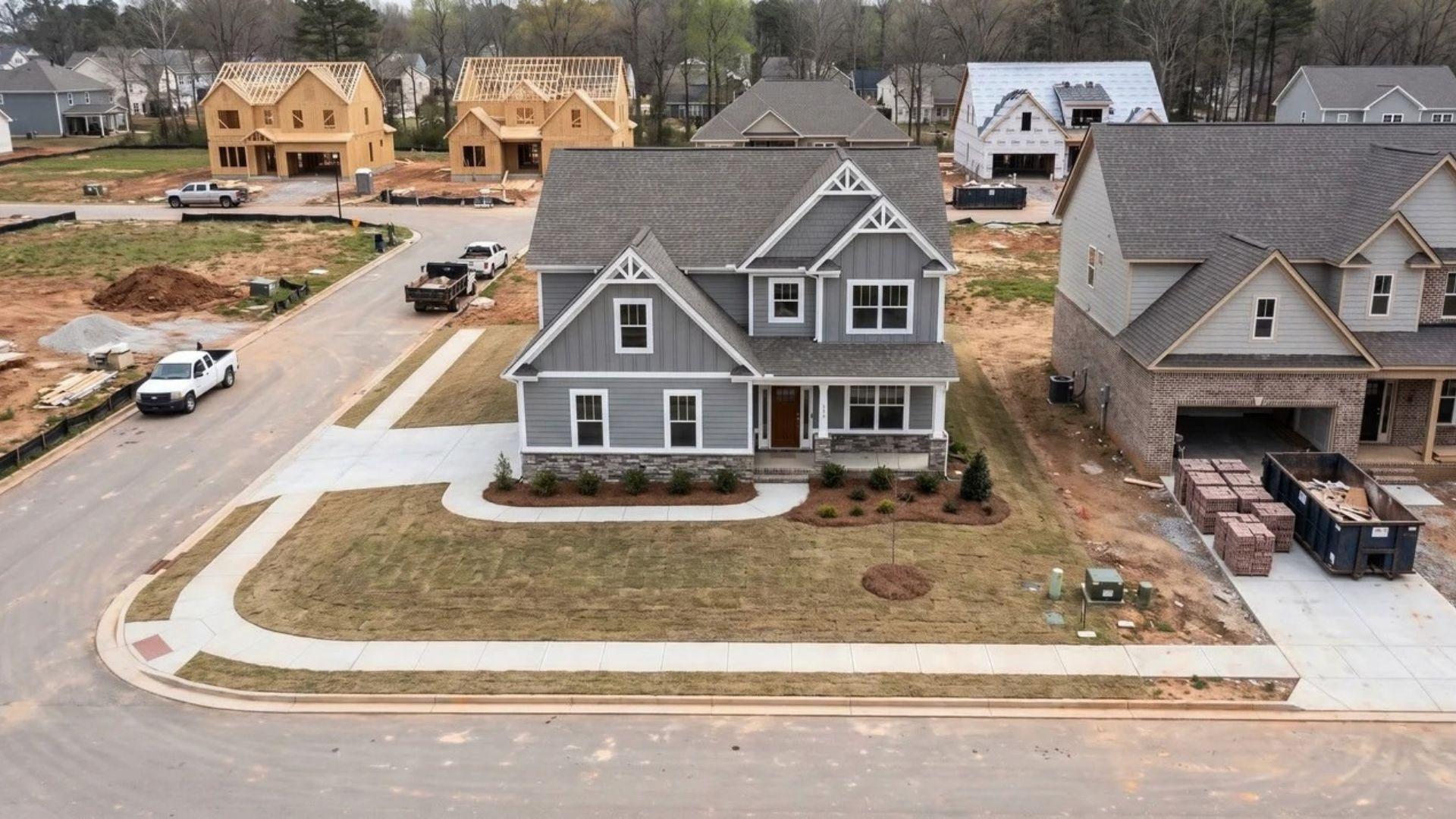
Builders won't cut the base price, but that is not where the negotiation happens anyway. There is real flexibility in other areas if you know where to look.
The Base Price Is Not the Negotiation
Reducing the price of one home sets a comparable that affects every other home in the development. Builders will not do it. That is not stubbornness. It is how they protect the value of the whole community.
So stop pushing there and start pushing elsewhere.
Where Builders Actually Have Flexibility
Closing cost credits, upgrade allowances, lot premium reductions, and rate buydowns are all areas where builders can and do move.
These do not show up on the price tag, but they affect what you actually pay. Your agent should know which of these are on the table before you make an offer.
The Design Center Is a Negotiation Too
Upgrades like flooring and countertops carry higher builder margins than structural changes. That margin is where allowance requests land.
If you know what you want and what it costs through an independent contractor, you have a number to negotiate against. Go in with that.
Timing Changes Everything
Leverage is highest early in a sales cycle or when a phase is nearing sellout and the builder wants to move inventory.
A spec home sitting for several months is a different conversation than a hot community with a waitlist. Know where the development stands before you sit down to talk numbers.
Final Verdict
Buying a new home from a builder is one of the few purchases where preparation directly changes the outcome.
The buyers who do well are not luckier. They just knew what to ask, when to ask it, and who to have in their corner before they walked in.
The process rewards people who treat it like a business transaction, not just an exciting life moment.
If you are getting ready to start, go back to step one. Get your agent. Get your lender comparison. Then walk into that model home.
Frequently Asked Questions
Will a builder negotiate a lower price?
Builders rarely cut the base price as it affects the valuation of every other home in the development. The real negotiation happens on closing cost credits, upgrade allowances, lot premium reductions, and rate buydowns.
Does the builder pay closing costs?
Builders often offer closing cost credits tied to using their preferred lender, but these may come with a higher interest rate. Compare the total loan cost across both options before accepting.
How long does it take to buy a new construction home?
A to-be-built home typically takes 6 to 12 months from contract signing to closing, depending on the builder and market. Spec homes already under construction close much faster, sometimes within 30 to 60 days.
What happens if the builder delays the closing date?
Most builder contracts include provisions that allow construction timelines to shift without penalty to the builder. Review the delay clause before signing and confirm what your options are if the timeline extends significantly.