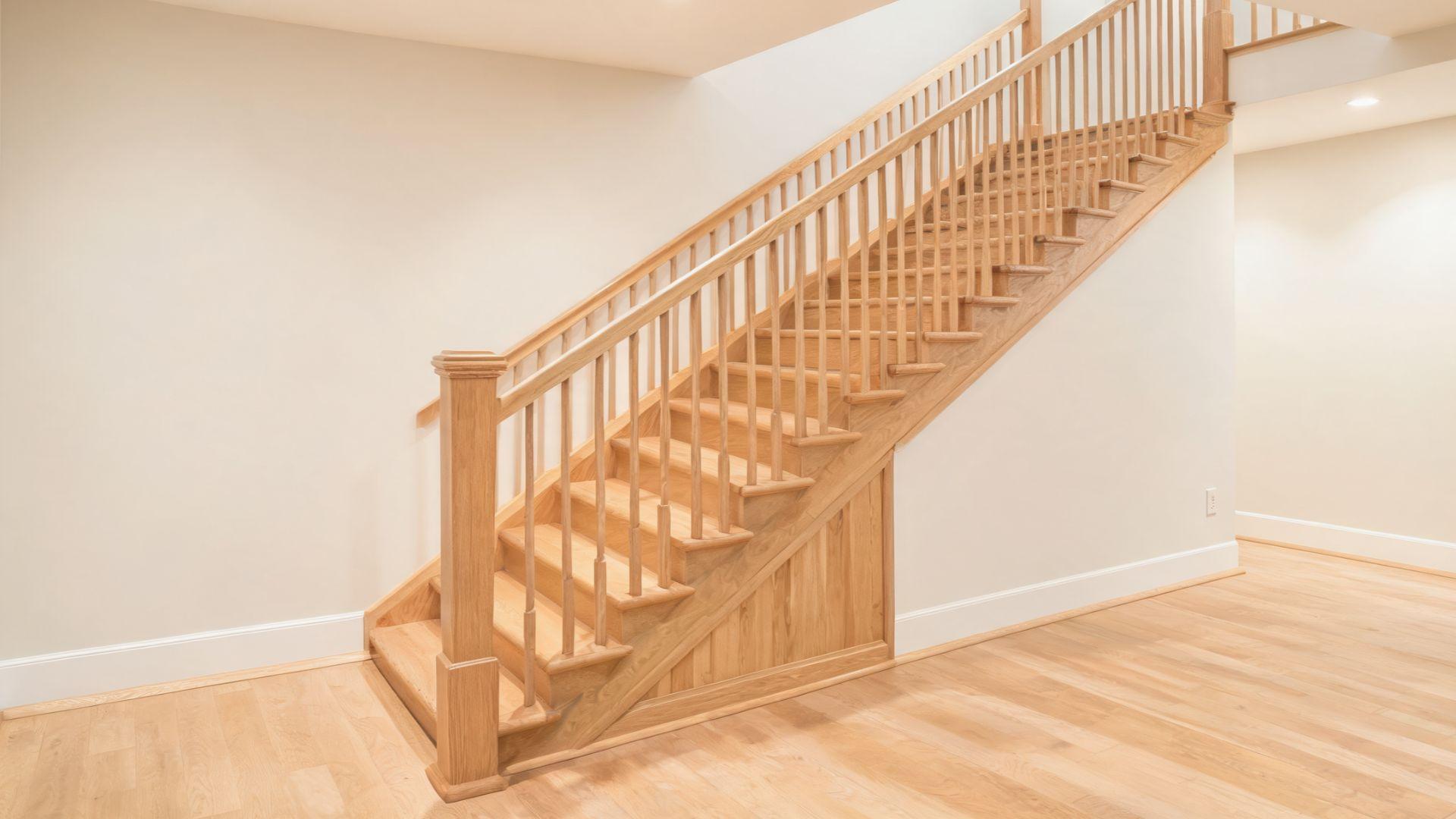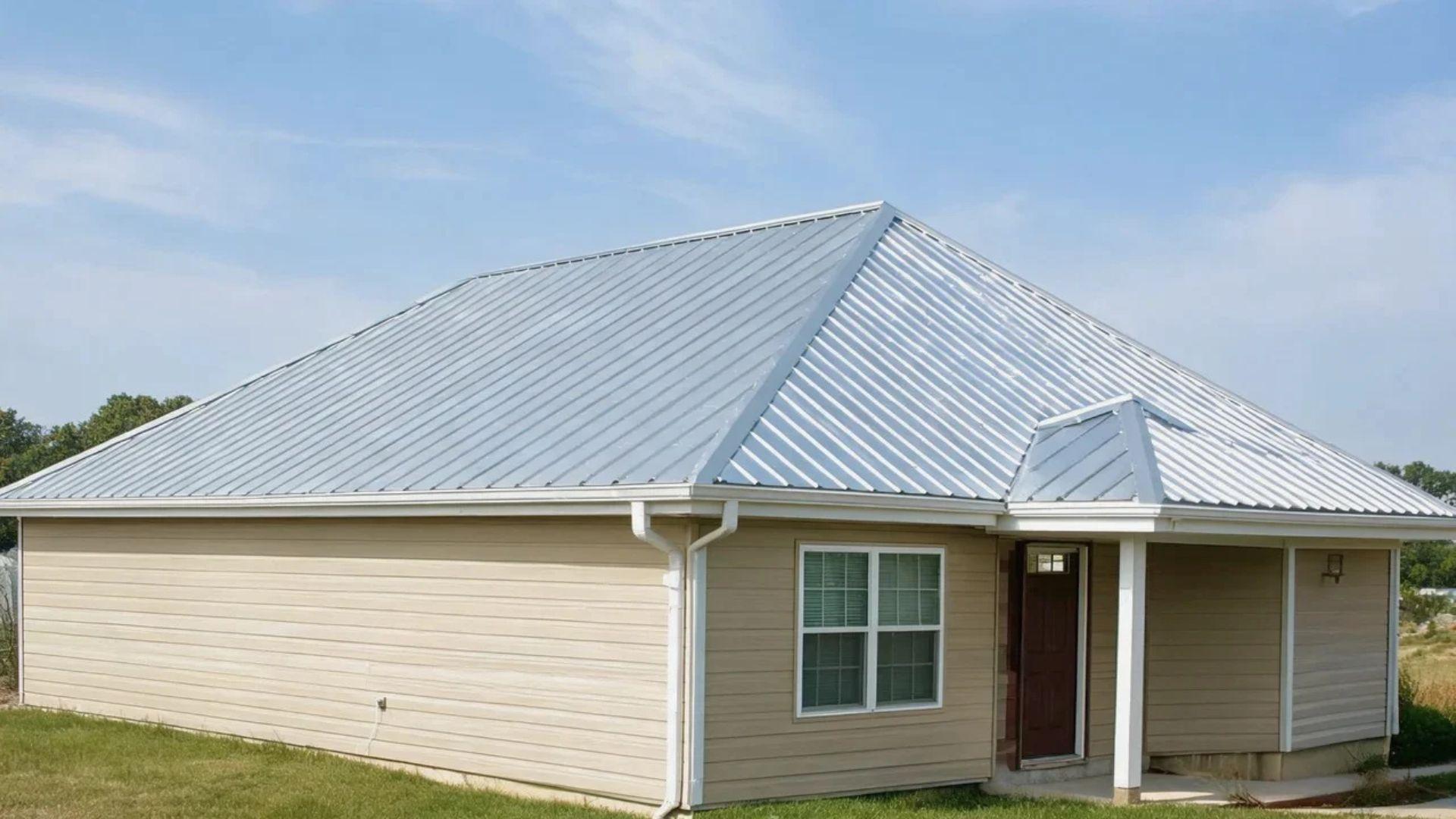
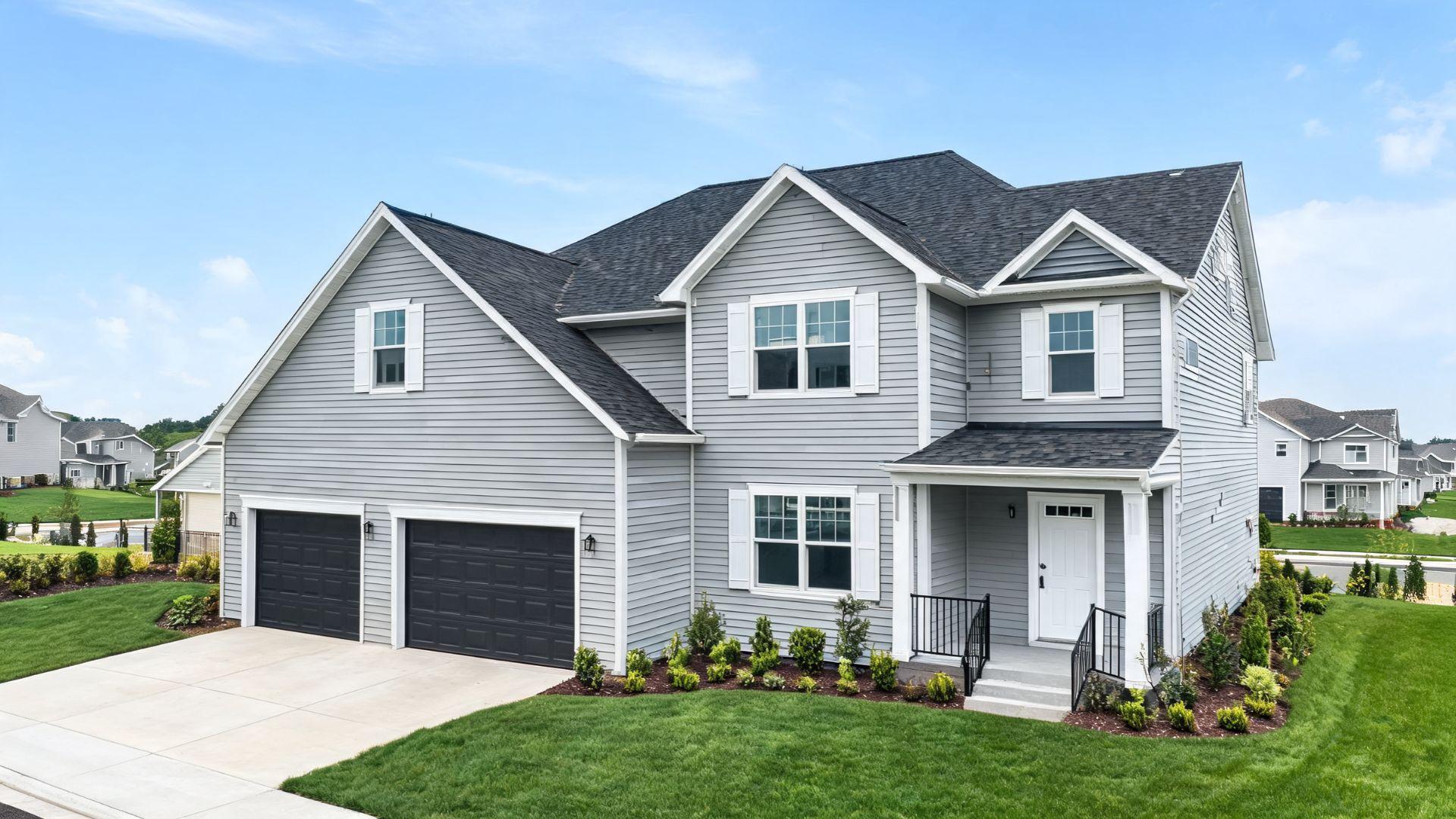
If you've been searching what is new construction you've probably noticed the answer isn't as simple as it looks.
Some listings show finished homes. Others are still being framed. A few haven't broken ground. They're all labeled new construction and they all work differently.
Before you get deep into listings or builder conversations, it helps to know exactly what you're dealing with. That's what this covers.
What Is New Construction?
New construction refers to any structure built entirely from the ground up using new materials that have never been previously occupied or used.
That applies to a finished home sitting ready for move-in and a home that hasn't broken ground yet. Both are new construction.
The defining line is simple:no one has lived there, and nothing was reused from a prior structure.
It doesn't matter who initiated the build either. If you contract a builder to construct your home from scratch, that's new construction. If a developer builds a spec home on their own and you buy it afterward, that's new construction too.
Where it gets practical is on listing platforms like Zillow and Redfin. When you search for new construction there, you're not just seeing finished homes.
You're seeing three distinct stages:
- pre-construction (the build hasn't started)
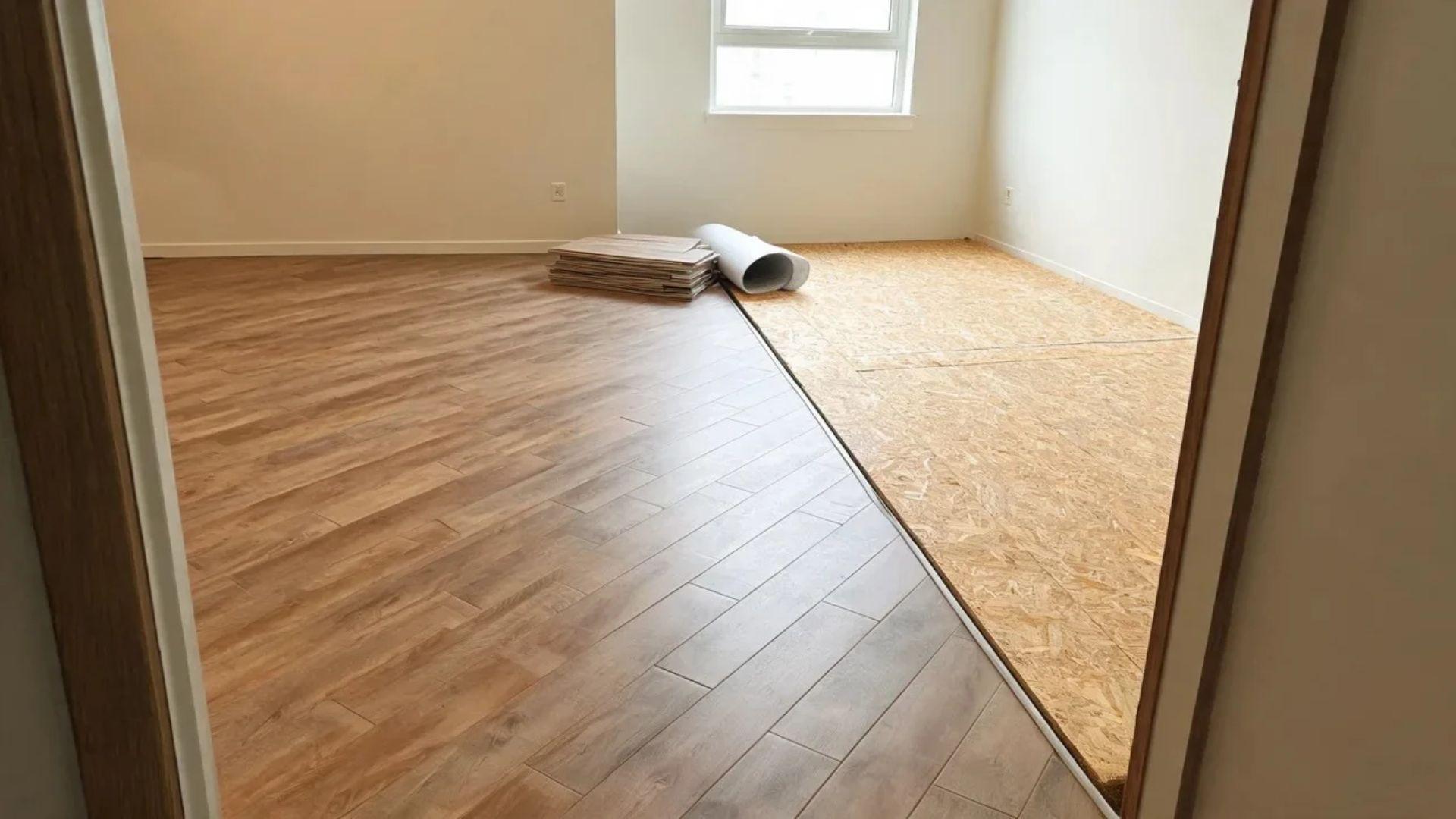
- under construction (work is in progress)
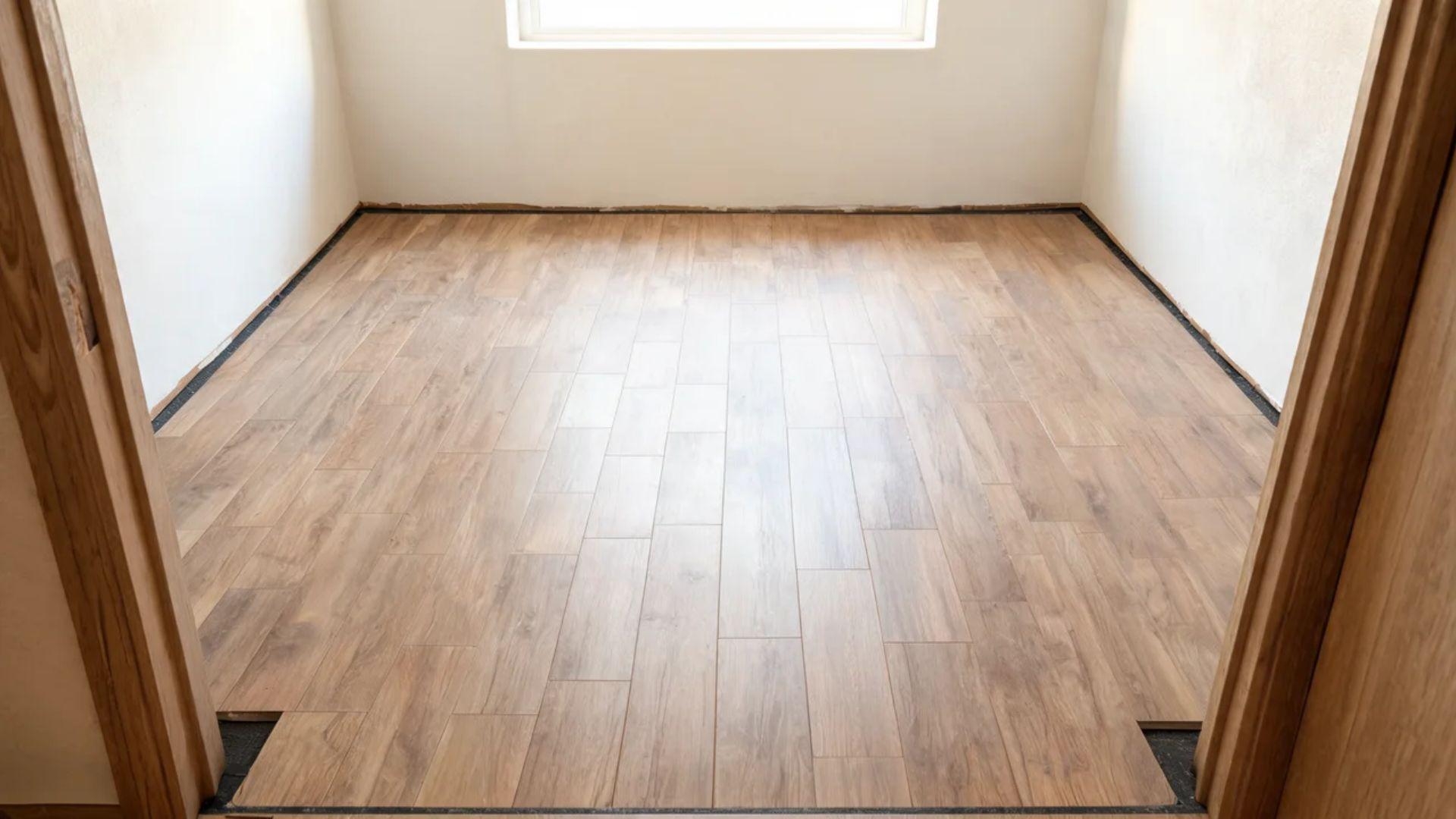
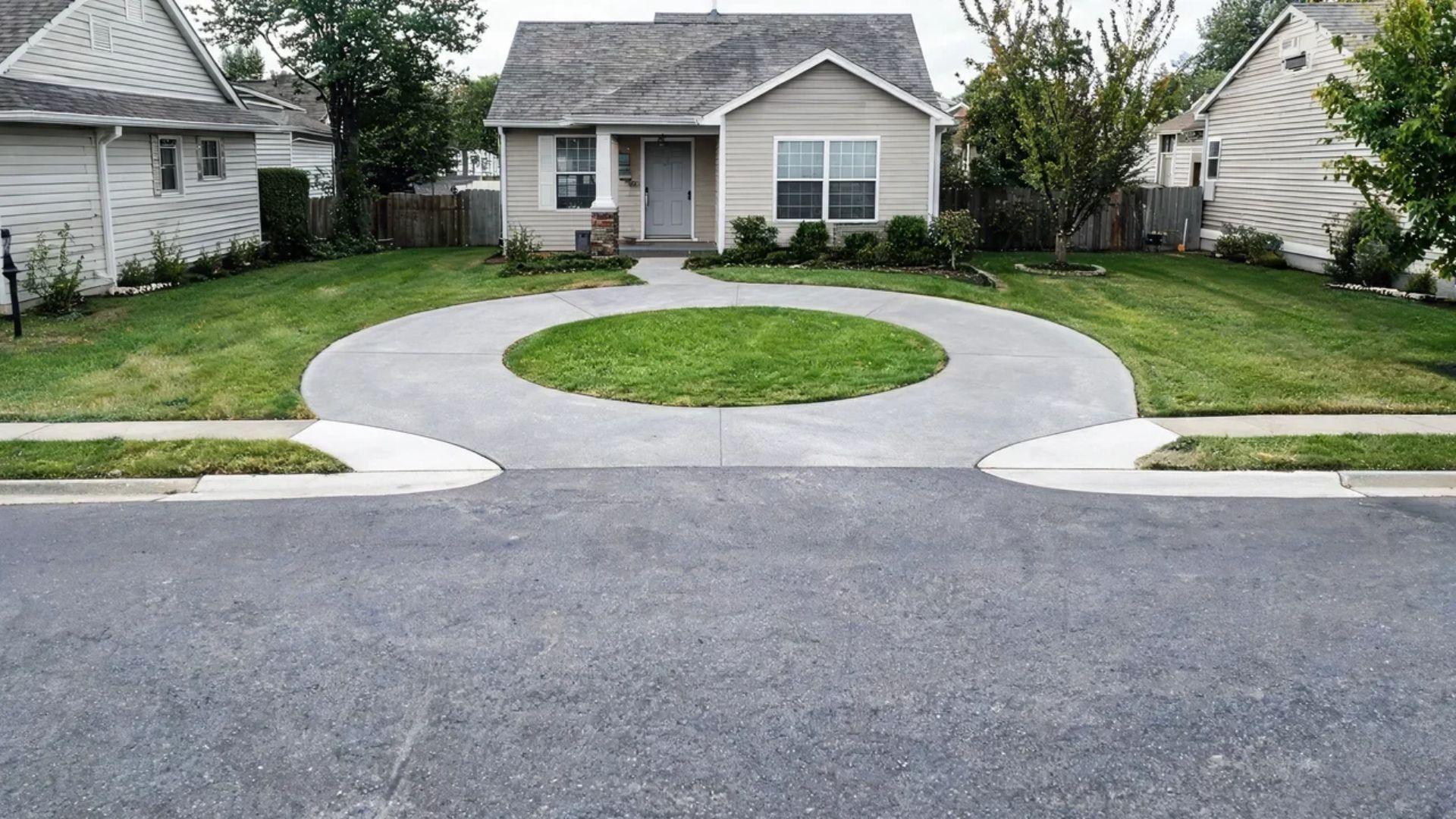
- move-in ready (complete and available now)
Which stage a listing sits in tells you more about your actual timeline than the label "new construction" ever will.
What Does New Construction Include?
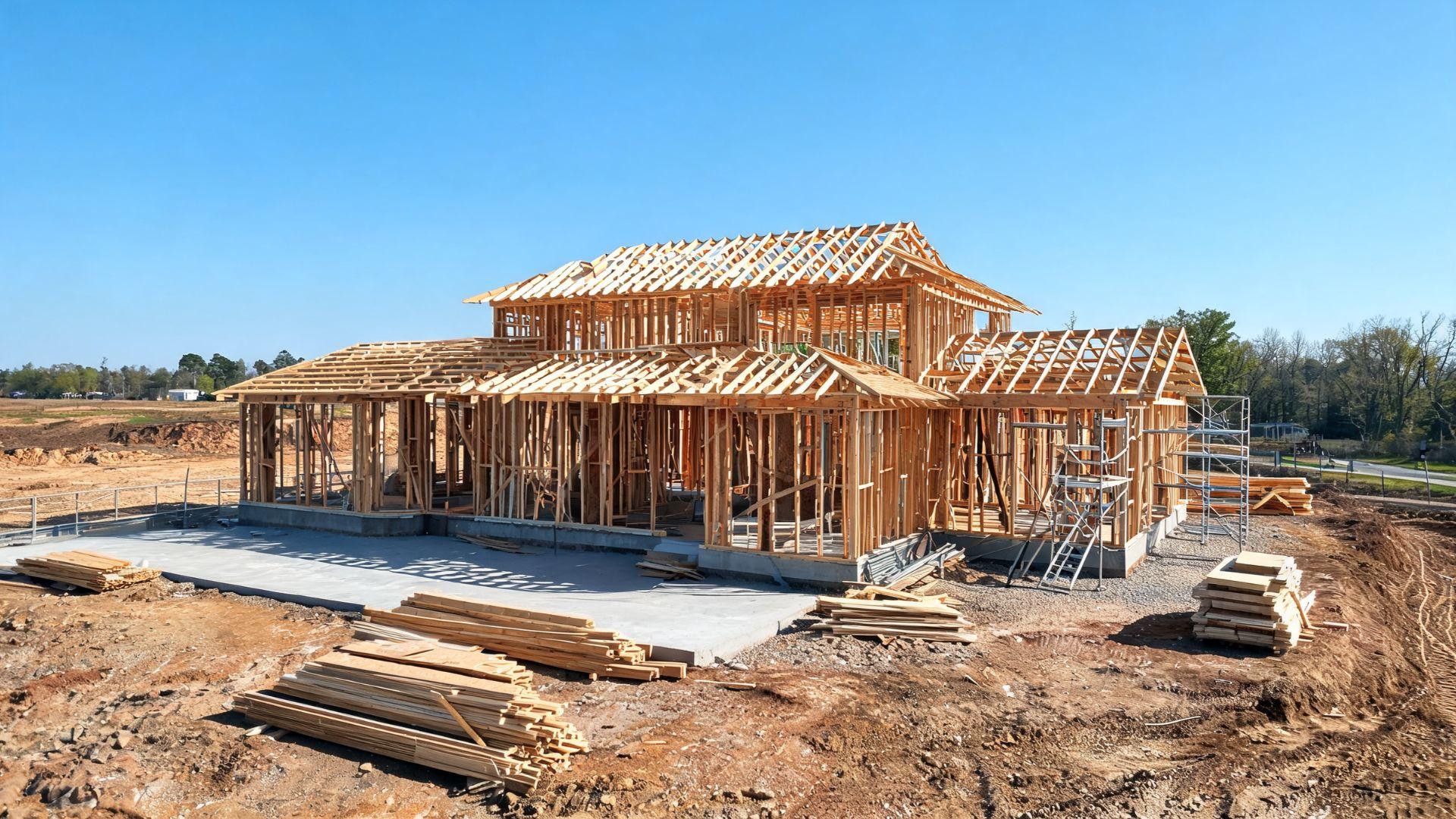
New construction isn't just the finished house. It covers the full process that produces it and that process includes more than most buyers realize before they sign anything.
From the start, that means how to start building a home land acquisition, architectural design, permitting, and the physical build itself. You're not just buying a structure.
You're buying the outcome of a coordinated sequence that had to happen in the right order for the home to exist at all.
How much of that process you're involved in depends on the build type. A custom home puts you in the room for design decisions from day one. A tract home hands you a finished package with a limited set of options.
One inclusion that rarely gets explained clearly is the builder warranty. It's not a perk. It's a contractual commitment that comes with every new construction purchase and covers workmanship defects and structural issues for a defined period.
Resale homes don't carry this. When you buy new construction, the warranty is part of what you're buying, not something you negotiate for separately.
What Are the Types of New Construction Homes?
New construction homes fall into three types. Each one represents a different point at which the buyer enters the process and a different level of control over what gets built.
The type matters because it shapes everything: your timeline, your budget flexibility, and how many decisions are actually yours to make.
1. Custom Homes
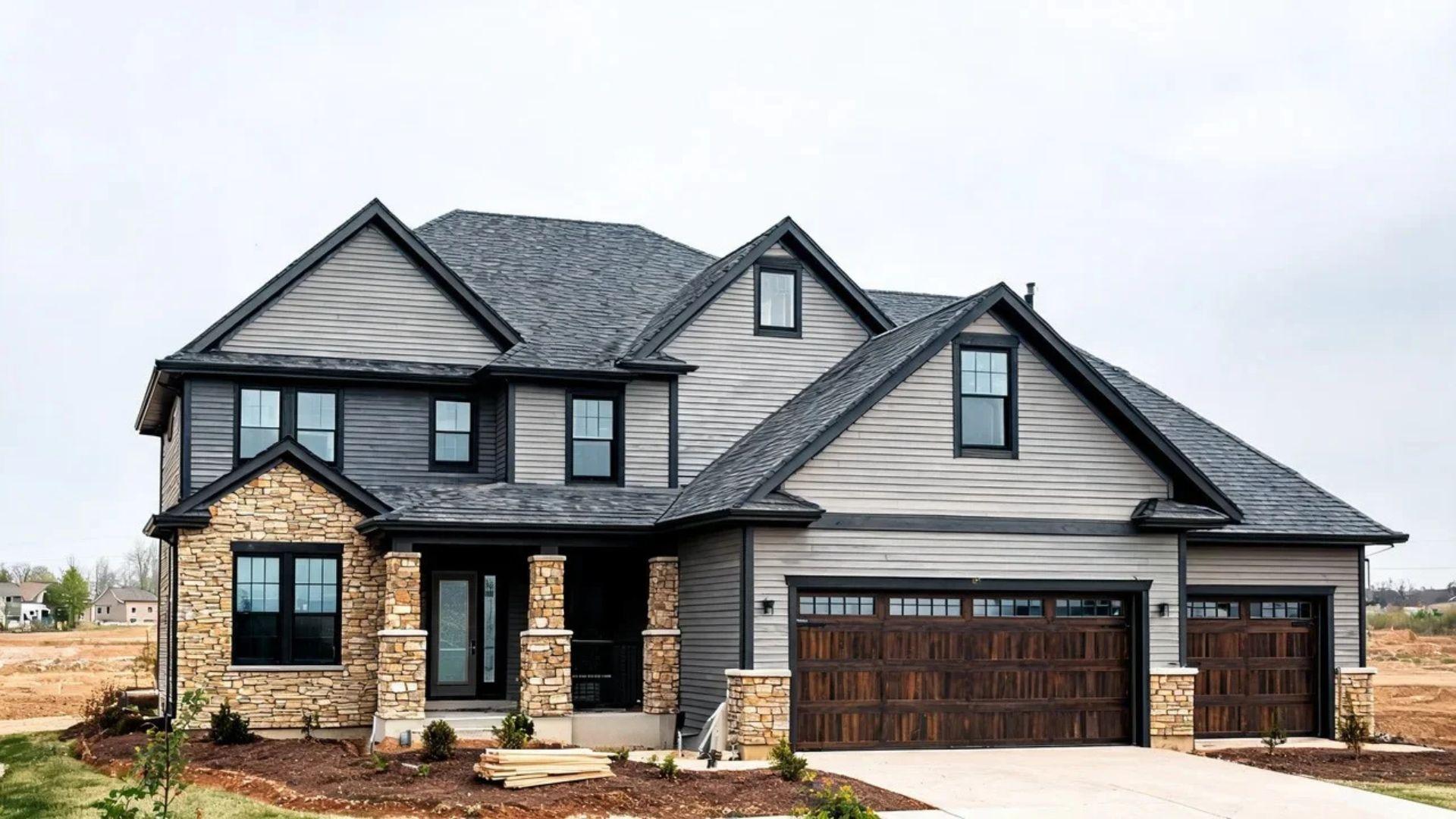
A custom home is built to your specifications, on land you already own or purchase before construction begins. That land-ownership requirement is what separates custom builds from the other two types.
You work directly with a builder or architect to determine the floor plan, materials, finishes, and layout. Nothing is pre-set.
The tradeoff is time and cost; custom homes take longer and carry higher price points because every decision is made from scratch.
2. Spec Homes
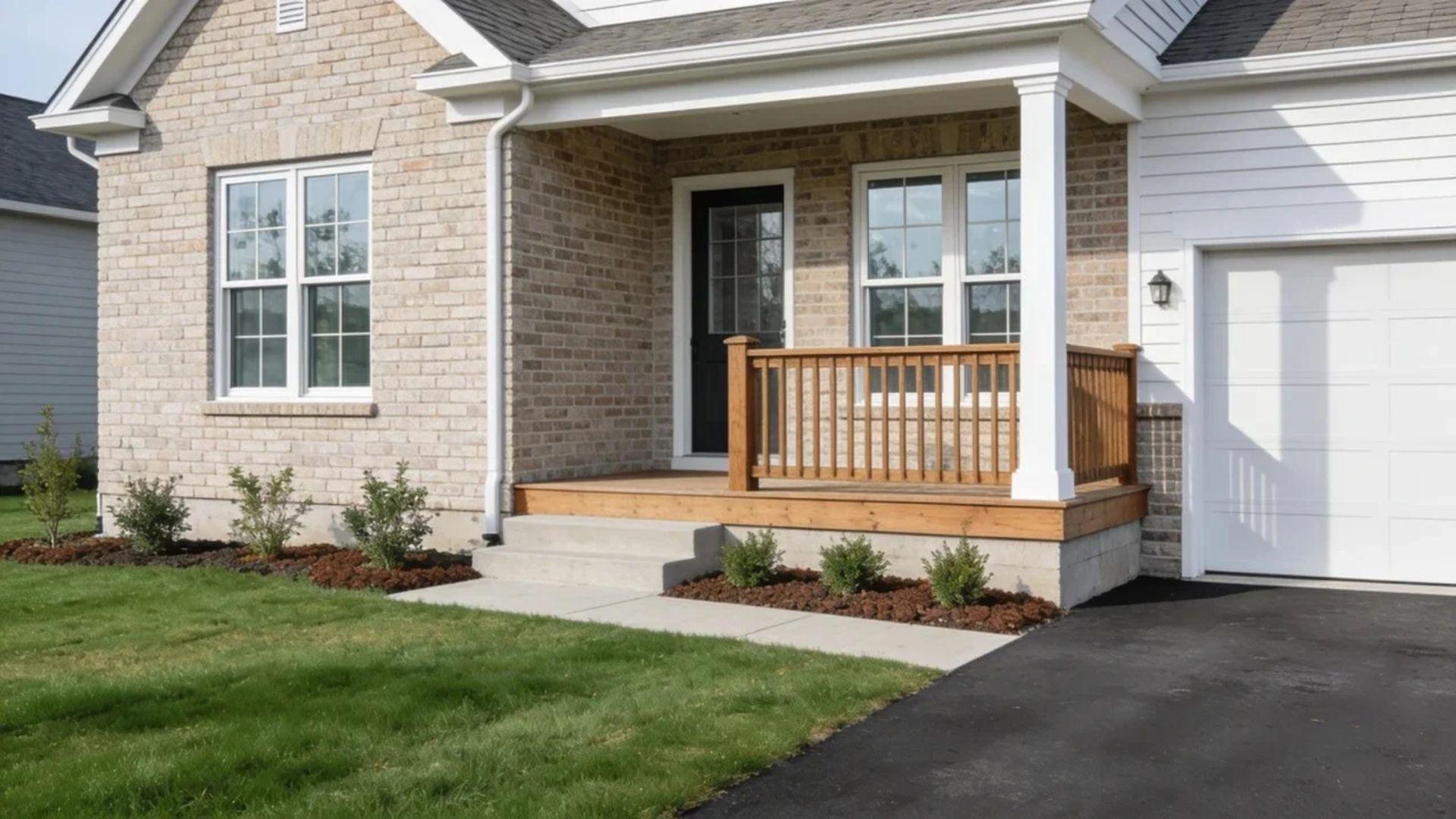
"Spec" is short for speculative. The builder constructed the home without a committed buyer in place, betting the finished product would sell.
Because no buyer was involved during the build, the finishes, layout, and fixtures were already chosen when you arrived.
Negotiating on price or upgrades may still be possible before closing, especially if the home has been sitting. But you're working with what exists, not directing what gets built.
3. Tract Homes
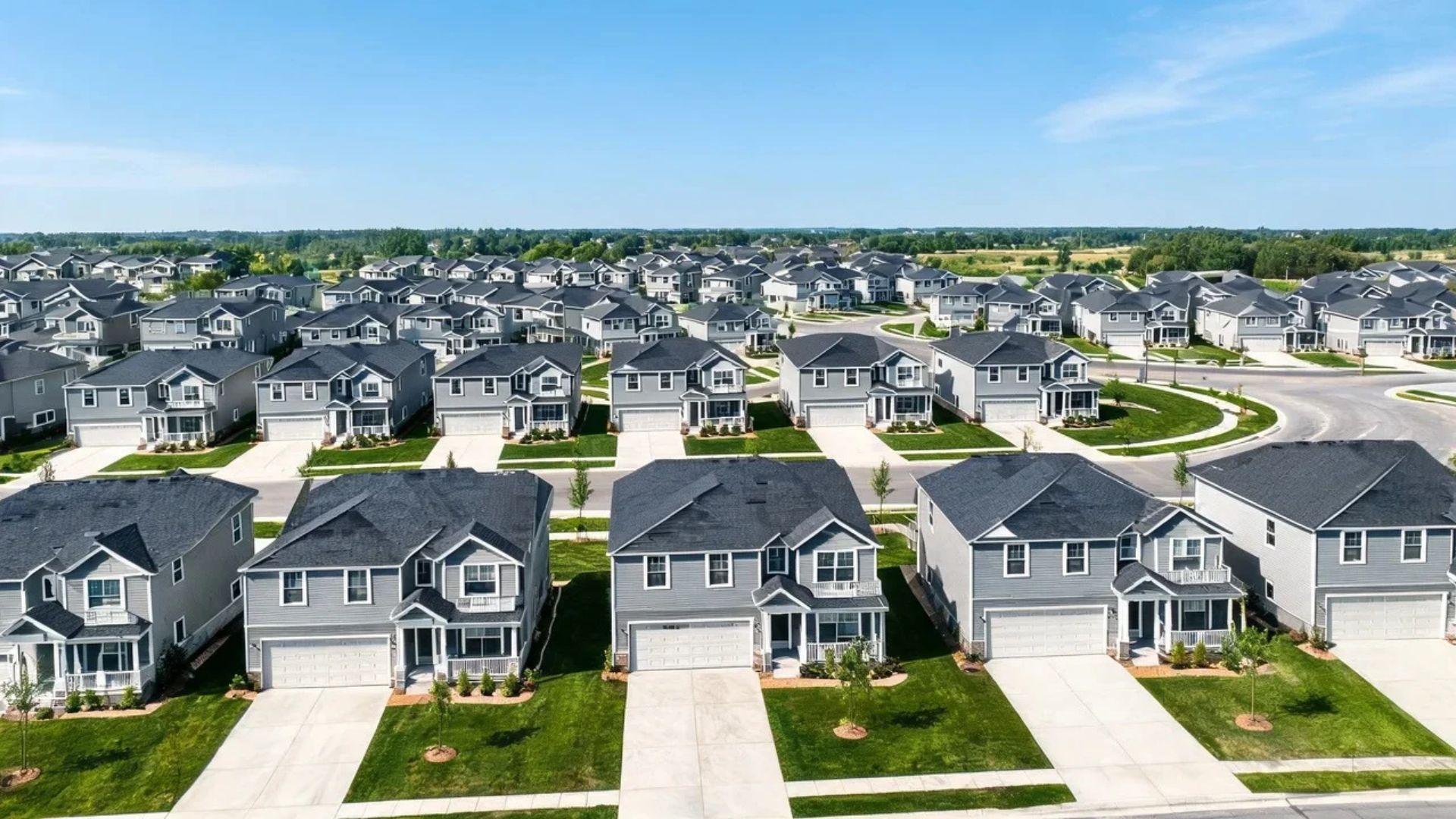
Tract homes are built in volume within planned communities, often by large production builders. You're not building from scratch. You're choosing from a set of pre-approved floor plans and a menu of upgrade packages.
The appeal is predictability, pricing is clear, timelines are structured, and you can often walk through a model unit before committing.
The constraint is that your home will look similar to many others in the same development.
What New Construction Is Not
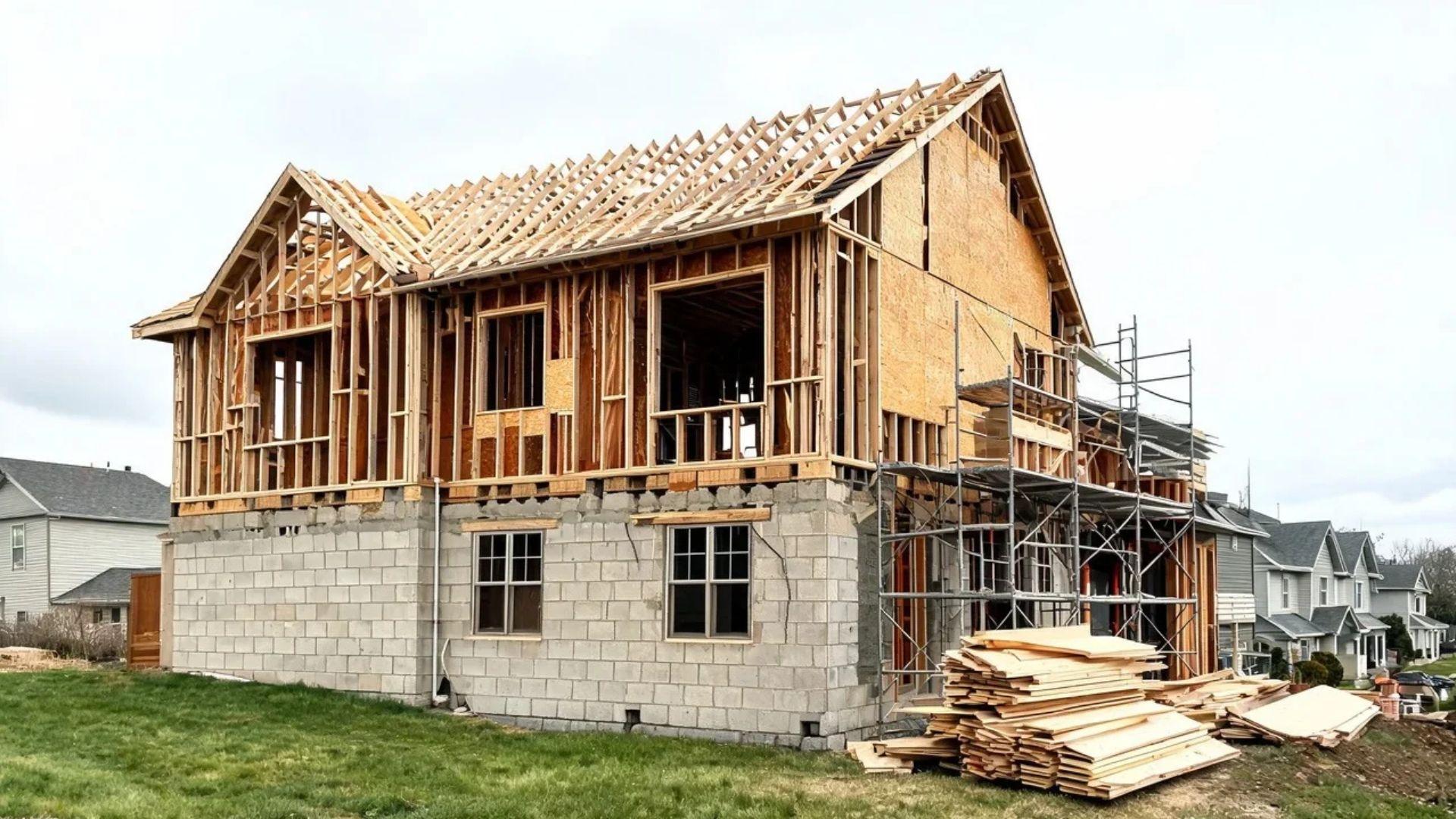
A home that has been previously occupied, or that retains its original structure, does not qualify as new construction regardless of how much work has been done to it.
A gut renovation that strips a house to the studs is still a renovation. The foundation, framing, or shell of the original structure was kept. That's the line.
New construction means nothing from a prior building was carried forward.
Modular homes sit in a gray area. They're built off-site in sections, then assembled on a lot. Some jurisdictions classify them as new construction, others don't.
They're not the same as site-built new construction, and you should verify local classification before assuming they carry the same legal status or financing terms.
"Newer construction" is something else entirely. You'll see it on listing platforms as a descriptor for homes built in the last decade or so. It's a marketing label, not an industry term.
It carries no legal definition and no attached warranty or classification. Don't treat it as equivalent to new construction.
Why Does It Matter If a Home Is New Construction?
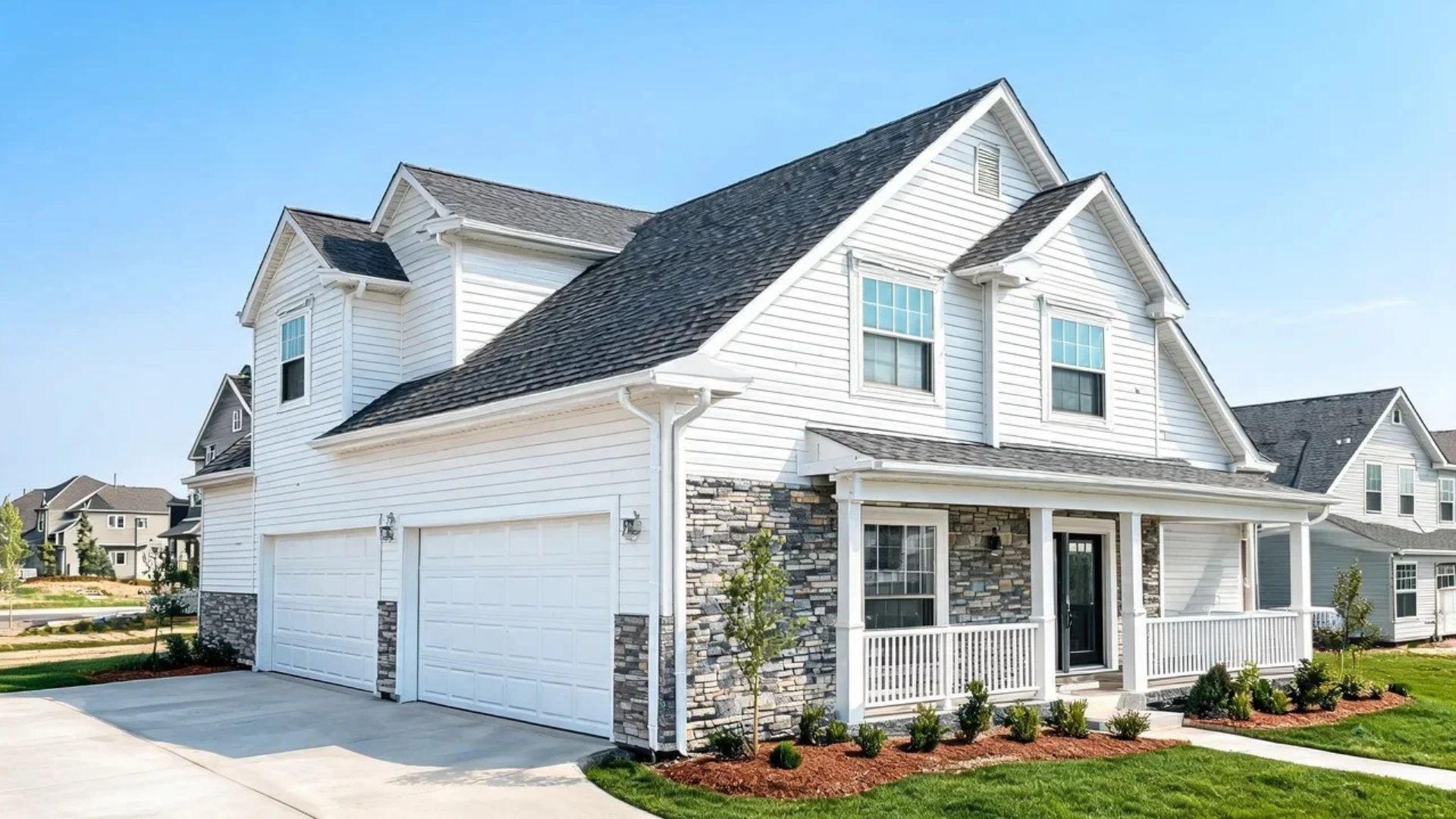
The new construction classification changes who you're negotiating with, what legal protections apply, and what your timeline to move-in actually looks like. It's not just a description of the home's age.
When you buy new construction, you're dealing with a builder not a homeowner. Builders typically hold firm on base prices. They don't have emotional attachment to the property.
But they may offer upgrade credits, closing cost assistance, or rate buydowns, especially when a development is moving slowly. That's a different negotiation than a resale purchase where price, repairs, and timing are all on the table.
The classification also determines what protections you get. Builder warranties, energy code compliance, and third-party inspection requirements are attached to new construction by law or contract.
They don't transfer from resale homes because resale homes never had them in the first place.
One thing buyers consistently get wrong: new construction doesn't mean maintenance-free indefinitely. Warranty periods are finite, typically one year for workmanship, two years for systems, and ten years for structural defects, though terms vary by builder and state.
Once those windows close, any defect that surfaces is your responsibility. The classification protects you for a defined period not permanently.
Final Verdict
New construction means more than a house nobody has lived in yet. It's a classification that shapes your timeline, your rights, and who's sitting across the table from you.
Buyers focus on the finish and the floor plan. The ones who do well focus on the stage, the type, and the warranty window running through a new home construction checklist before you sign anything is a simple way to make sure nothing slips past you.
Now that you know what new construction actually means, you're in a better position to ask the right questions. Start by looking at what's available in your area and go in.
Frequently Asked Questions
Do you need a real estate agent to buy new construction?
You can buy directly from a builder, but their sales rep works for them, not you. Having your own agent costs you nothing and gives you someone reviewing the contract on your side.
How long is a home considered new construction?
A home stays classified as new construction until someone occupies it for the first time. After that first closing, it becomes a resale property even if it was built just months ago.
How long does it take to build a new construction home?
A tract home typically takes six to twelve months from contract to closing. A custom home can run eighteen months or longer, depending on design complexity and permitting.
Can you negotiate the price on a new construction home?
Builders rarely discount the base price because it affects comp values across unsold lots. Upgrades, closing cost contributions, and lot premiums are where negotiation actually happens.