Walls get one coat of paint and stay flat for years. A wall treatment does something different. It adds panels, plaster, or texture so the wall has a surface worth looking at.
Here is the part that surprises people:The look comes less from the material and more from how light hits it.
A simple grooved wall can look richer than a costly panel placed where the light is flat. I’ll show the main styles, what each one looks like, and how to pick one for your room.
First, a quick definition.
What Is a Wall Treatment?
A wall treatment is any panel, moulding, plaster, or specialty finish applied to a wall to add texture, depth, or character. It goes beyond a flat coat of paint.
The goal is a wall with visible character, not just a color. Some treatments add physical structure, like panels and moulding.
Each of the wall paneling types handles moisture and daily wear differently, so it’s worth checking the material before the look.
Others change the surface itself, like plaster. You can wrap a whole room or use one accent wall, and the scale changes how strong the effect feels.
Plain paint on its own usually does not count, though textured mineral finishes like lime wash do. The label covers a lot of ground, so it helps to see the options side by side.
Here are the six groups that come up most.
What Are the Most Popular Wall Treatment Ideas?
Each group reads differently at first glance. Heavy, dimensional styles can crowd a small room fast, so scale matters as much as style.
1. Board and Batten and Applied Molding

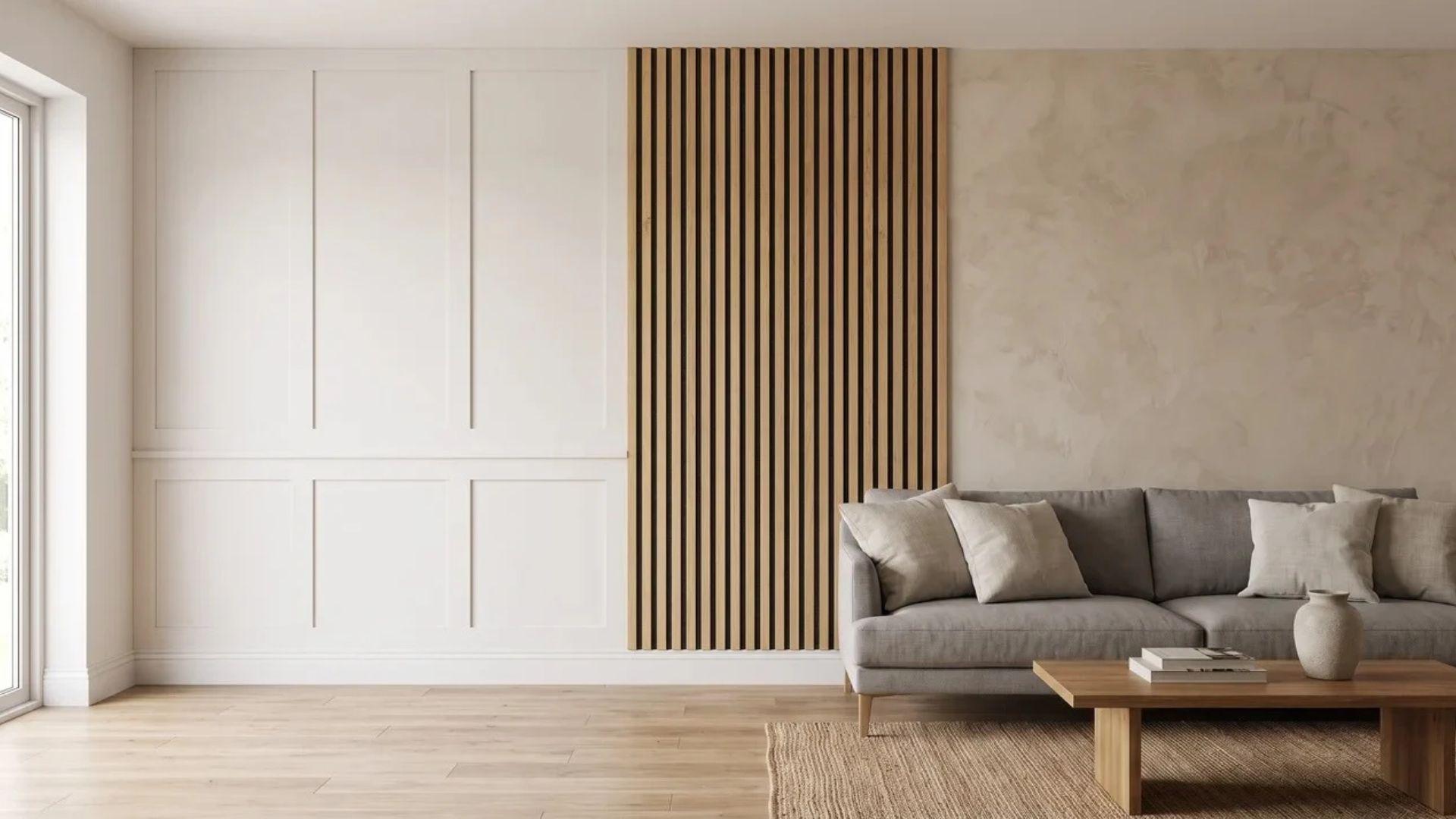
Board and batten reads as a grid of narrow vertical strips spaced across the wall, which draws the eye upward and adds clean, even lines.
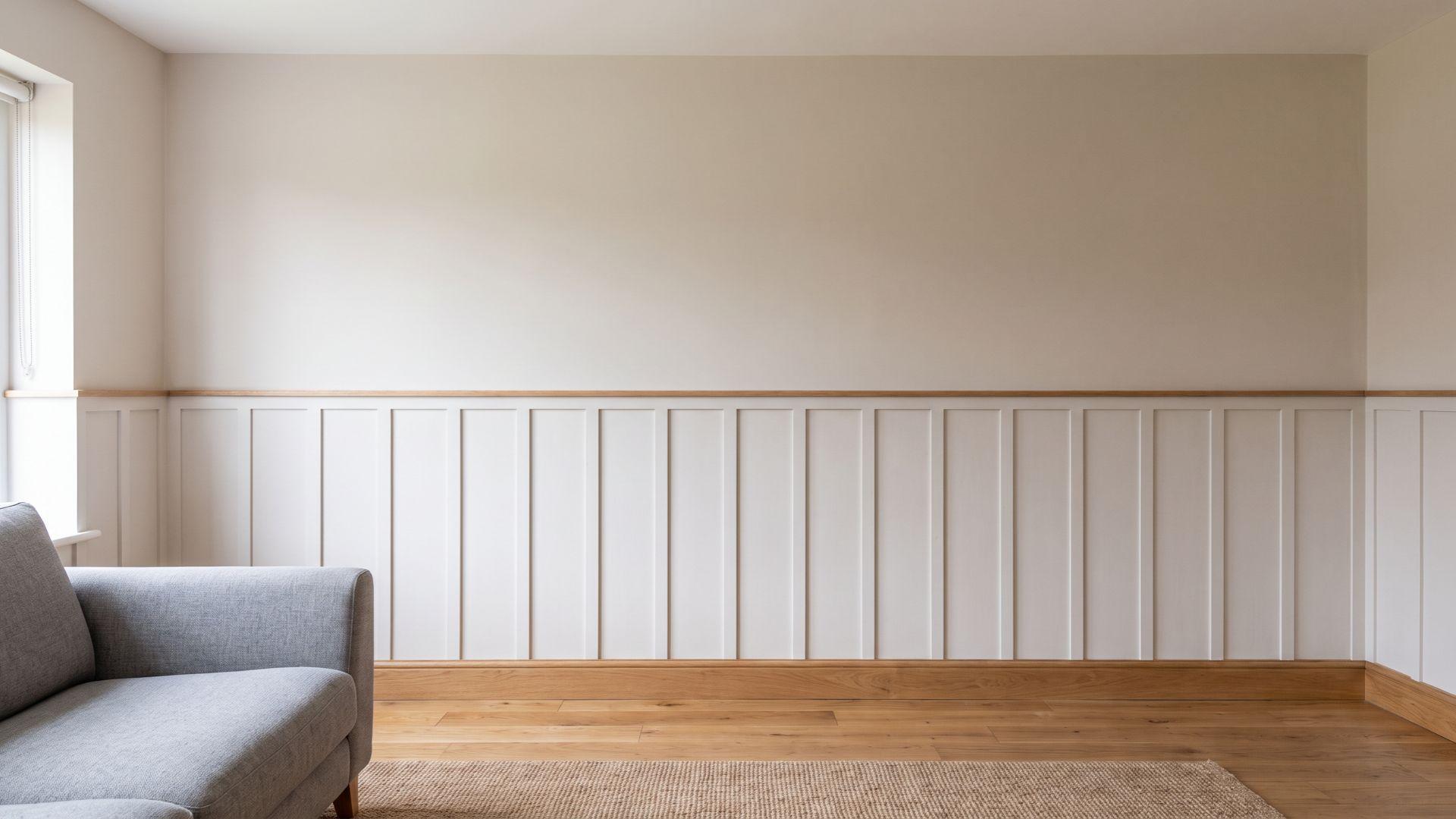
Applied molding builds frames instead, and wainscoting and box molding are its two common forms. Wainscoting covers the lower part of the wall, while box frames can run to full height.
Painted one color, the frames show up as soft shadow lines. Painted white against a darker wall, they stand out.
Pre-cut kits made of lightweight polystyrene supply the frames without custom cutting. The overall look is classic and a little formal.
2. Shiplap, V-Groove, and Beadboard

Shiplap uses horizontal planks with a small gap between boards, which stretches a wall sideways and gives a relaxed feel.
V-groove cuts a sharp angled groove at each joint, and when run vertically, it adds height with a cleaner edge.
Beadboard sits closer to tradition, with narrow, rounded grooves in tight rows that suit cottage and farmhouse looks.
Any of the three can cover a full room for a cozy wrap or stay on one accent wall. Painted white, they look soft, and stained, they look warm and rustic.
3. Slat, Fluted, and Acoustic Wood Panels

Slat panels bring rhythm. Thin wood strips sit side by side with small gaps, and the shadows inside those gaps give the wall a warm, modern look.
Many slat panels are backed with felt, which helps absorb some sound, so they work as decor and can take a little of the echo out of a room.
One manufacturer lists a noise reduction coefficient of 0.55, on a 0 to 1 scale, for its felt-backed wood slat panels, and other products list different figures.
Fluted panels look similar but use rounded ridges, often in MDF or PVC, for a softer and more sculpted feel. Natural oak reads warm and Scandinavian.
Matte black reads sharp and dramatic. Because the pattern repeats, these panels can look busy on every wall, so one feature wall usually works better.
4. Lime Wash and Plaster

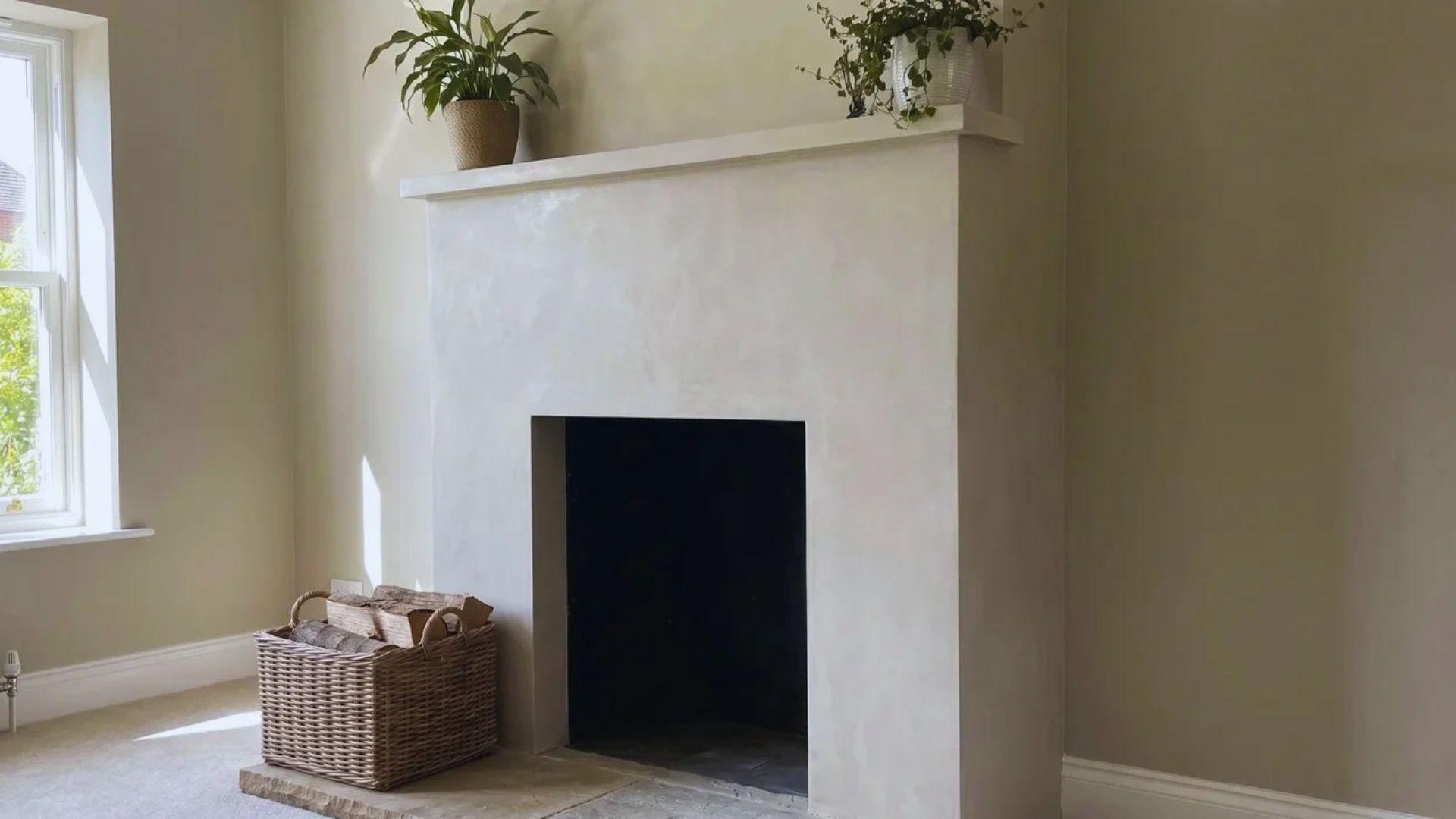
Lime wash is a mineral paint brushed on in loose strokes, and it dries to a chalky, cloudy finish where the color shifts slightly across the wall.
It adds movement without any physical bulk. Venetian plaster is a lime and marble dust finish troweled on in thin layers and burnished to a smooth, stone-like surface that catches light gently.
It takes more skill and labor than brushing on lime wash, so it usually costs more.
Microcement is a different material. It is cement-based and gives a seamless, concrete-like surface, and it handles water and wear better than Venetian plaster, which suits low-traffic, dry rooms.
Lime wash and plaster pair well with natural wood and linen. They don't add raised lines the way panels do, so the effect is quiet and layered rather than graphic.
5. 3D, Faux-Stone, and Textured Panels

These panels go for impact. Faux-stone and concrete-look panels bring an industrial edge, with rough surfaces that look like real masonry from a distance.
Wave and 3D panels, including sculpted leather-look tiles, repeat raised shapes across the wall.
Their relief throws shadows that shift as the light changes, so the wall looks carved rather than flat. They work best as one bold feature wall in a space that can handle contrast.
Across a whole small room, they can feel heavy, so keep everything else simple.
6. Wallpaper, Tile, and Fabric Coverings

Not every wall treatment relies on relief. Wallpaper, tile, and fabric change a wall through pattern and material instead of shadow, and they sit beside paneling on most designers' lists.
Peel-and-stick wallpaper suits renters, and tile fits kitchen backsplashes and bathroom walls. Fabric adds softness but stains easily, so it belongs away from kitchens.
The relief-based styles above all lean on one trick: they catch light and throw shadows. That is also why the same panel can look classic in one room and modern in the next.
How Do Wall Treatments Change the Look of a Room?

Wall treatments with relief change a room by casting shadows, and those shadows shift as daylight moves.
A raised strip or groove blocks light on one side and leaves a thin shadow on the other, and the eye reads that shadow as depth.
This is why the same wall can look rich in late afternoon sun and plain at night.
What Controls How Deep a Wall Looks?
Three things control how strong the effect looks:
- Profile depth: Deeper profiles throw longer shadows.
- Spacing: Wider spacing gives each shadow room to show.
- Light direction: Sunlight from a side window stretches the shadows and makes the wall look sculpted, while flat overhead light shrinks them.
Shallow profiles packed tightly in a dim room blur together and read as flat or cluttered.
Why Can the Same Material Look Classic or Modern?
Material does not set the style. Spacing, proportion, and color do, as these two materials show.
| Material | Look | How It Is Built |
| Board and batten | Classic | Narrow battens packed close together and painted crisp white |
| Board and batten | Modern | Wide-spaced battens painted in one deep color |
| Slats | Warm | Natural oak slats with small gaps |
| Slats | Dramatic | Matte black slats with wider gaps |
A wall copied from a photo can disappoint for exactly this reason:The material matched, but the spacing and color did not.
Which Wall Treatment Ideas Work Best in Each Room?

The best wall treatment depends on what the room demands. Match that need first, then choose the look.
| Room | Best Treatment Ideas | Why It Works |
| Living room | Board and batten or box molding for a classic look; slat or fluted panels for modern warmth; lime wash or plaster for soft texture | Placed behind the sofa or TV, one treatment frames the focal point |
| Bedroom | Felt-backed slat panels behind the headboard; soft lime wash | Slats add warmth and reduce echo inside the room, though they won't block outside noise. Lime wash gives a calmer backdrop with less pattern |
| Bathroom and other moisture-prone rooms | PVC, acrylic, or FRP panels; tile or microcement in wet zones | These materials resist water. FRP is thin and can scratch or fade, and unsealed seams are its weak point. Skip MDF and untreated wood, which swell and warp in humid rooms |
| Hallway and entryway | Wainscoting, board and batten, or beadboard | Adds rhythm along a long, plain stretch, and lower paneling protects the wall where scuffs happen |
Once the room's need narrows the list, the next decision is which single wall to try first.
Start With One Wall
A good wall treatment depends less on the material than on what light does with it.
Spacing, depth, and color decide whether a wall feels classic, calm, or bold, so judge those three before choosing from a product photo.
The room narrows the list further: Echo in the bedroom, moisture in the bathroom, scuffs in the hallway.
Planning for those details first avoids paying to tear out a wall that looked better online than it does at home.
Order a sample of your favorite style and tape it to one wall, then check it in morning and evening light before committing to the whole room.
Frequently Asked Questions
Can You Mix Different Wall Treatments in One Room?
Yes, if one treatment leads and the others support it. Pair a textured feature wall with plainer painted walls, and avoid stacking several strong textures side by side.
Is Wall Paneling Outdated?
Not necessarily. Dark, thin sheet paneling feels dated to many people, but painted board and batten, slim slats, and fluted profiles use lighter colors and cleaner lines that suit newer interiors.
Can You Add a Wall Treatment in a Rental?
Often, yes. Peel-and-stick molding kits and lightweight panels avoid drilling, but check your lease first and test a small spot, since adhesive can pull paint when removed.
Can You Paint Wall Paneling?
Yes. For wood or MDF paneling, clean and lightly sand the surface, apply a bonding primer, then paint in two coats. Many pre-cut kits are sold ready to paint.